guides
Seaworthy Packaging: The Complete Guide for Indian Exporters
Seaworthy packaging protects export cargo from the three hazards of sea freight — impact, moisture and corrosion. The complete guide: ISPM-15 crates, moisture barriers, VCI, desiccants, lashing and securing.
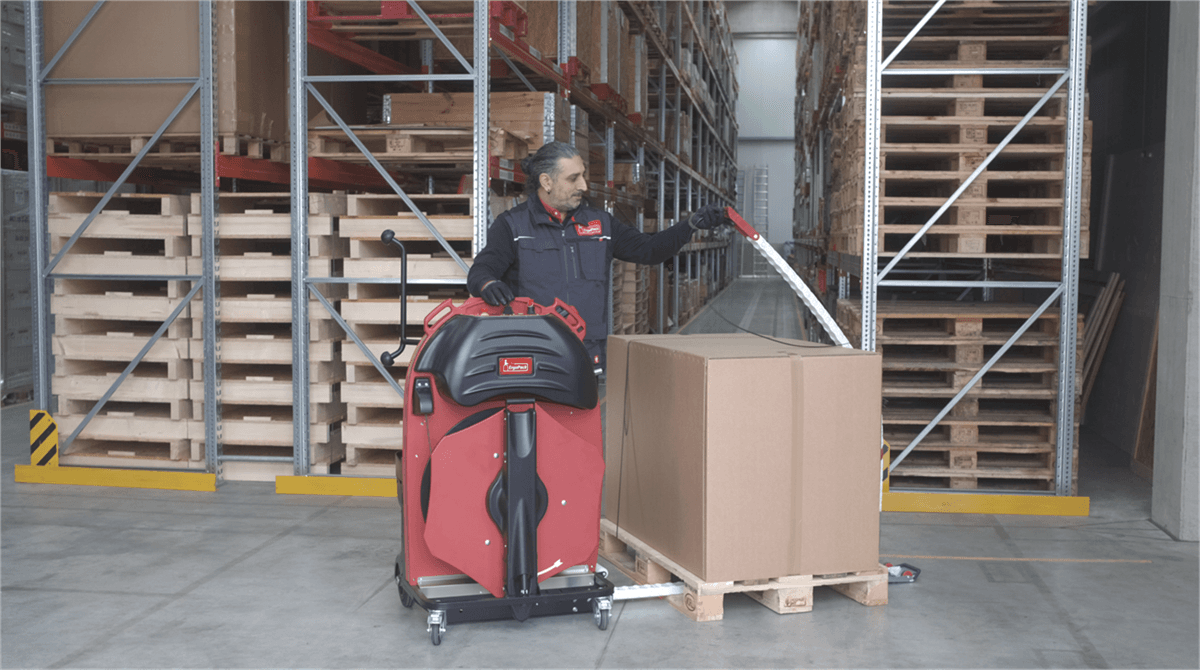
Seaworthy packaging is the difference between cargo that arrives intact after weeks at sea and cargo that arrives rusted, mouldy, crushed or rejected. For Indian exporters it is not optional — it is what clears customs, survives the voyage, and protects the value of the shipment. This is the complete, technical guide.
What "seaworthy packaging" actually means
Seaworthy (or export-worthy) packaging is packaging engineered to protect cargo against the three primary hazards of sea freight:
- Physical impact — handling shocks, drops, stacking, vibration over weeks of transit.
- Moisture and condensation — humidity, container rain, monsoon loading.
- Corrosion — rust on metal goods from salt air and trapped humidity.
A truly seaworthy package defends against all three at once — and a single weak layer (an untreated pallet, a missing desiccant, a loose strap) compromises the whole shipment.
The layers of seaworthy packaging
| Layer | Purpose | Typical materials |
|---|---|---|
| Outer crate / case | Physical protection, structure | ISPM-15 heat-treated timber, plywood |
| Moisture barrier | Block external humidity | HDPE film, aluminium foil liner |
| Corrosion protection | Protect metal surfaces | VCI film/paper/emitters |
| Cushioning | Absorb shock | Foam, bubble, dunnage |
| Desiccant | Absorb trapped moisture | Silica gel, calcium chloride |
| Securing | Hold the load as one unit | PET strapping, lashing, blocking |
1. ISPM-15 timber construction
The outer crate or case is built from ISPM-15 heat-treated, stamped timber (or exempt engineered wood). This is mandatory for export — non-compliant wood means port detention, fumigation at your cost and delay (ISPM-15 explained). The crate must be stout enough to survive handling and stacking — for machinery, framed timber with foam cushioning and internal bracing.
2. Moisture barrier
A moisture barrier liner — HDPE film or aluminium foil — wraps the cargo to block external humidity. For sensitive equipment, an aluminium vacuum barrier film is heat-sealed into a hermetic, airtight envelope that removes air and keeps moisture out entirely.
3. The three-tier corrosion defence (VCI)
For metal goods, corrosion is the silent killer. The standard defence is three layers:
- Direct VCI wrapping — VCI (vapour corrosion inhibitor) film, paper or emitters release vapour-phase inhibitors that settle on all metal surfaces and stop oxidation.
- Hermetic barrier — an aluminium/foil vacuum film sealed around the product blocks external moisture.
- Desiccant — silica gel or calcium chloride absorbs any residual trapped moisture inside the barrier.
Together these keep precision machined surfaces, castings and electronics rust-free across a long voyage.
4. Cushioning and dunnage
Foam, bubble and moulded cushioning absorb shock; dunnage fills voids so nothing moves (dunnage types). Edge and corner protection guards vulnerable points.
5. Securing — the layer that holds it all together
A perfectly built seaworthy package still fails if the load shifts. The cargo must be secured as one rigid unit and anchored to the pallet or crate base:
- PET strapping, not steel — PET absorbs maritime shock and does not rust onto the cargo, where steel snaps and corrodes (a corrosion risk on the very shipment you're protecting). See PP vs PET vs steel strapping.
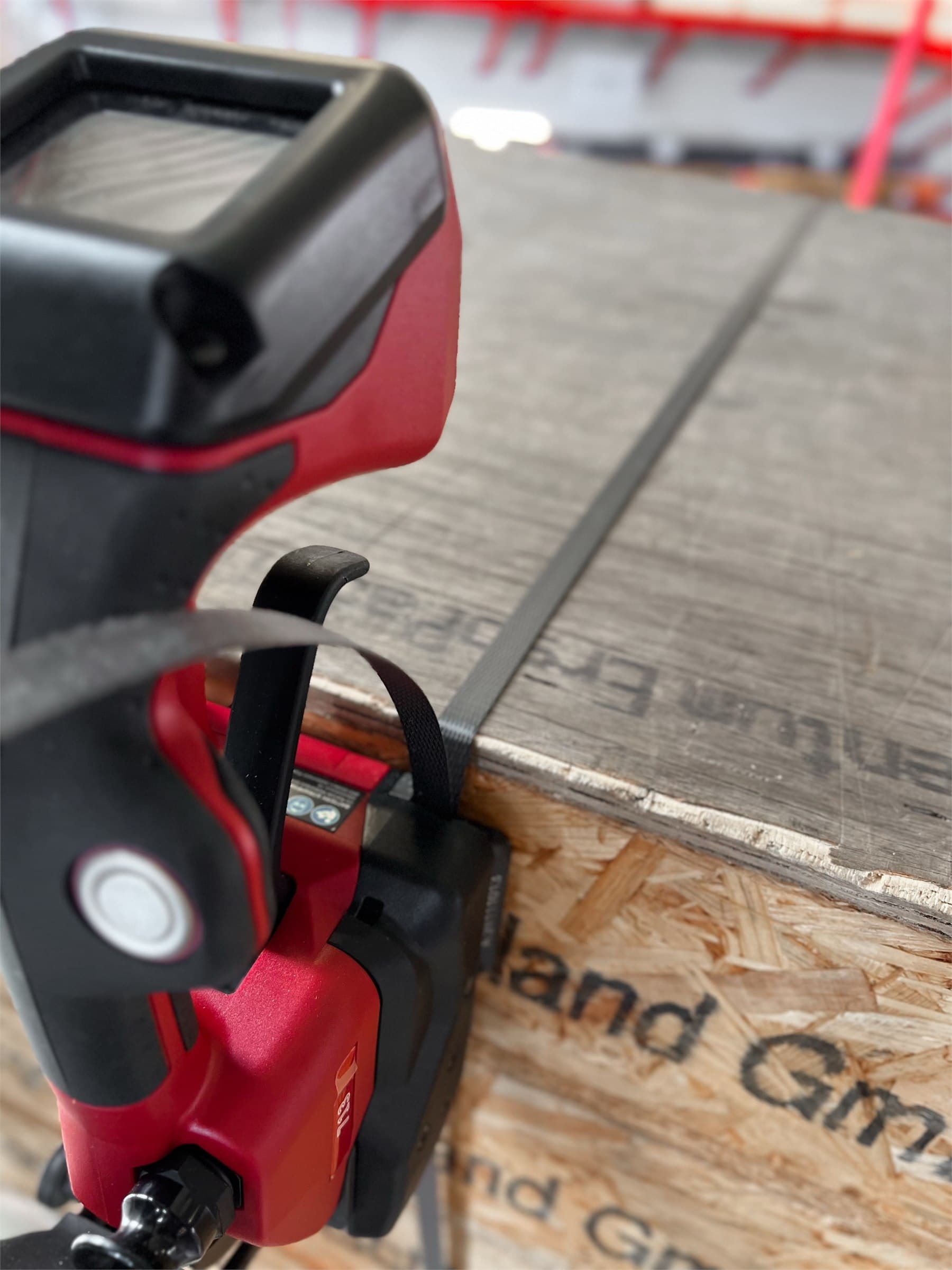
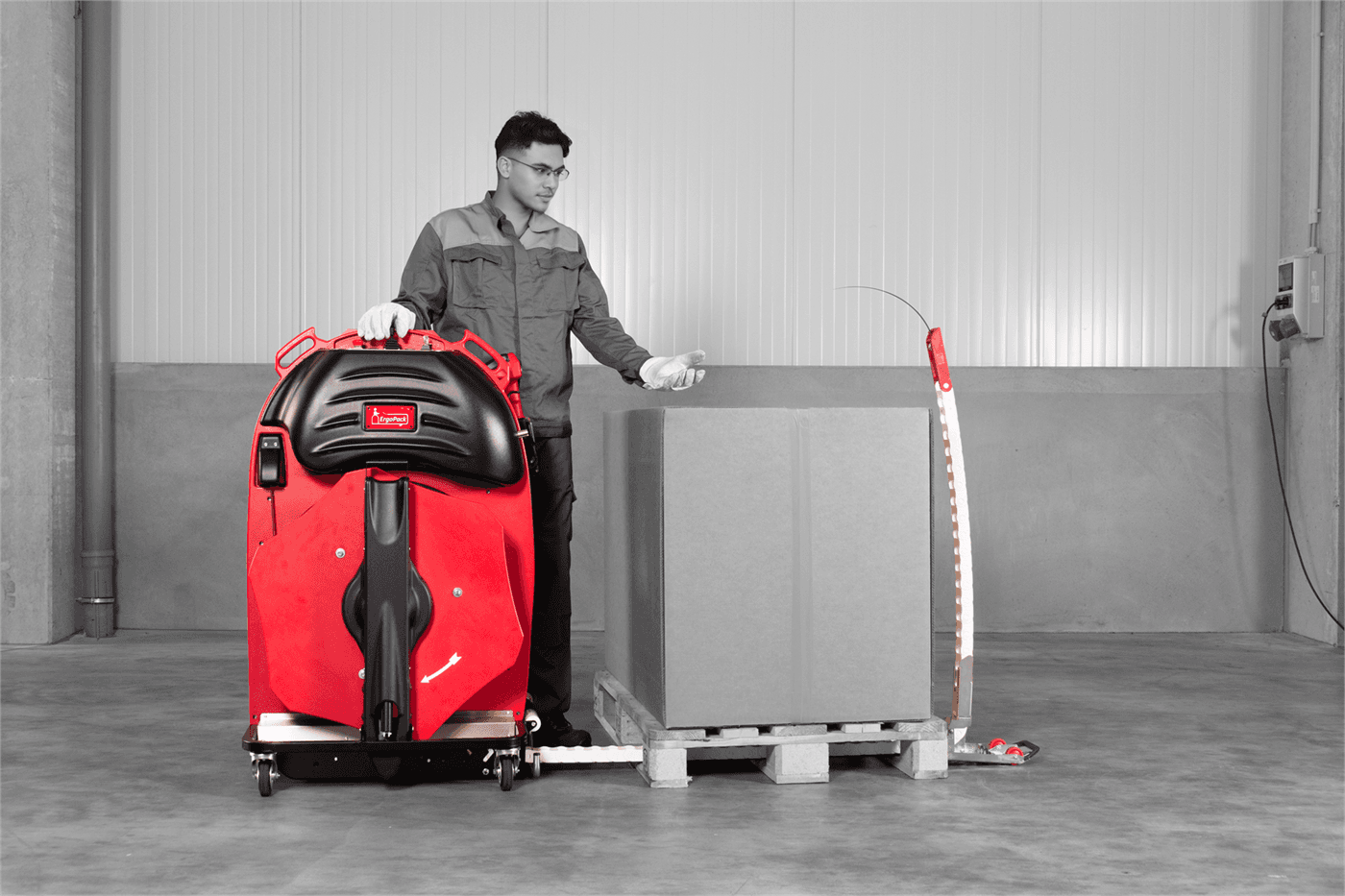
- Consistent, calibrated tension on every pallet so no unit is the weak one — a calibrated machine such as the ErgoPack 726X applies repeatable tension up to 2500N with a sealless friction weld; the GO and 700 automate the strap routing.
- Container lashing, blocking and choking to stop movement during sea transit (cargo lashing methods, how to load a shipping container).
- Manage container condensation for the voyage (container rain).
Why seaworthy packaging matters commercially
A rejected or damaged export container is a catastrophic loss — re-ship freight, replacement product, insurance claims, missed delivery windows and lost buyer trust. Seaworthy packaging is the insurance that prevents it, and ISPM-15 compliance is what clears customs without detention. The cost of doing it right is a fraction of the cost of one failed container.
Seaworthy packaging checklist
- ISPM-15 heat-treated, stamped timber crate/case (stout, braced)
- Moisture barrier liner (HDPE/foil); vacuum/hermetic for sensitive goods
- VCI three-tier corrosion defence for metal cargo
- Foam/cushioning; voids filled with dunnage; corners protected
- Desiccant sized to cargo and route
- Load secured with PET at consistent tension (not steel)
- Container lashed, blocked and choked; condensation managed
- Marks, documentation and ISPM-15 stamps visible
Build to this standard — timber, barrier, VCI, cushioning, desiccant and consistent PET securing — and your export cargo survives the three hazards of the sea and arrives exactly as it left. For machine securing within a seaworthy system, request a quote.
Talk to a pallet strapping engineer
BENZ Packaging and ErgoPack India engineers support installations and service anywhere in India. Tell us your pallet setup and we’ll recommend the right machine — and send pricing.
Related Reading
Continue with the next guide
guides
PP vs PET Strapping: Which Should You Use, and When?
PP and PET strap suit very different loads. A clear guide to when polypropylene is enough and when polyester is essential — by load weight, settling, and export exposure.

guides
Strapping Machine AMC, Spares and Uptime: What to Check Before You Buy
A strapping machine is only as good as its uptime. What to check on service, spare parts and AMC before you buy — so the machine that saves you ₹25 lakh a year actually keeps running.
guides
Pallet Strapping Machine Buying Checklist: 10 Questions Before You Decide
Before you buy a pallet strapping machine, run through these ten questions. They cover loads, volume, power, tension, service and ROI — so you choose the right machine, not just the cheapest.