Mumbai’s logistics reality is split between two high-value problems. Exporters shipping through JNPT/Nhava Sheva — India’s busiest container port — need loads that survive a long sea voyage without rust, load shift or rejection. The Bhiwandi–Navi Mumbai warehousing belt, one of the largest in the country, runs high-throughput, mixed-load dispatch where the securing step cannot become the bottleneck.
Both problems point to the same answer: consistent, machine-calibrated tension applied with rust-free PET, fast enough to keep the dock clear. A manual or low-tier method that looks cheaper upfront becomes expensive the first time a container is rejected at the destination or the outbound dock backs up at peak.
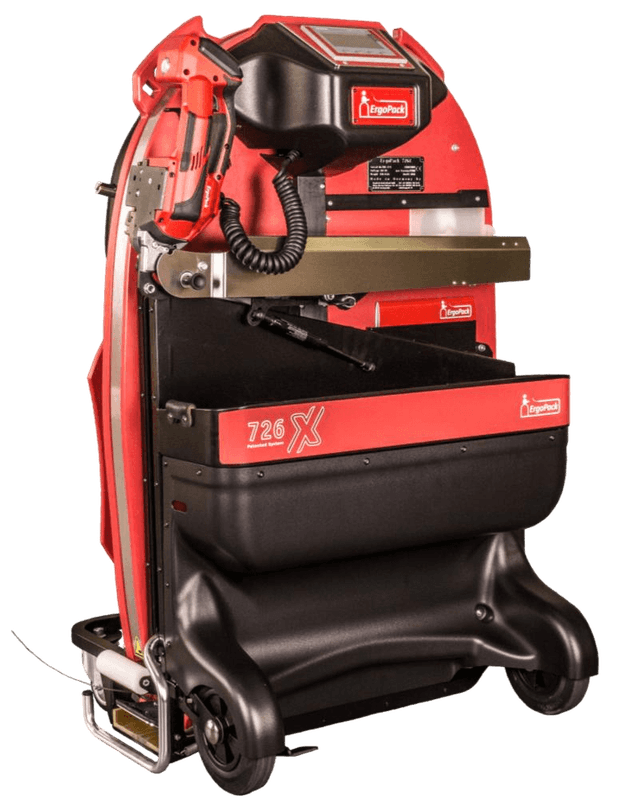
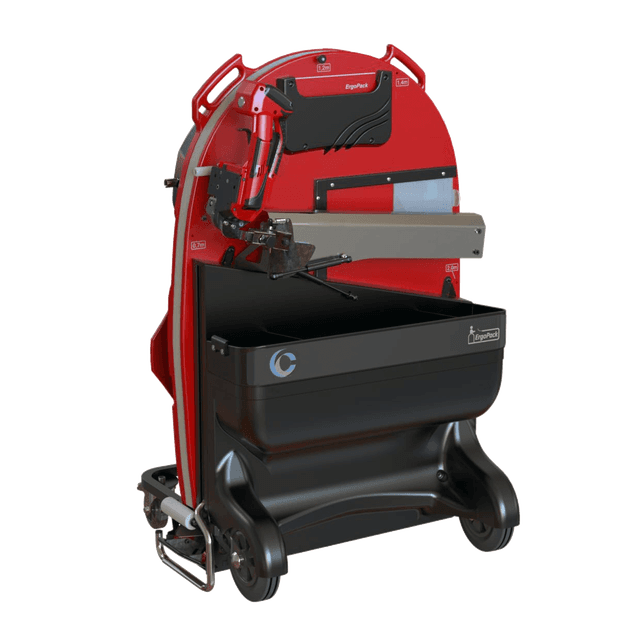
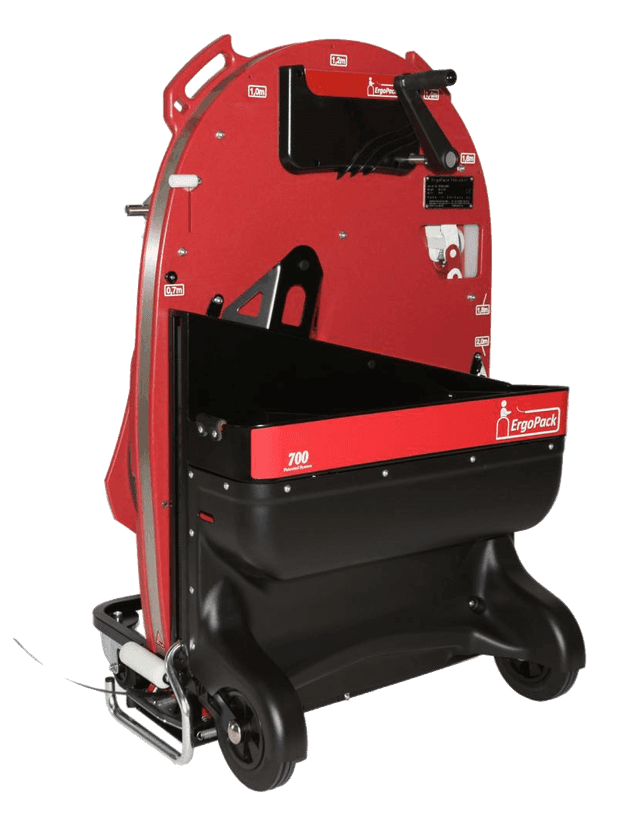
For Mumbai, the strongest angle is the financial one: the cost of one rejected export container, and the labour cost of manual strapping at high volume, both dwarf the price of the machine. The ErgoPack 726X, GO and 700 should be positioned around export reliability and dispatch throughput, not generic features.