Automation Hub · Spoke
Warehouse Automation in India: The Highest-ROI Place to Begin
Warehouse automation in India delivers the fastest return when it starts at the dispatch dock rather than the storage racks. Automating the manual pallet-securing step cuts it from ~120 seconds to under 40 with one operator, removes the most common dock bottleneck, and pays back in 6–18 months — before any conveyor or AS/RS investment.
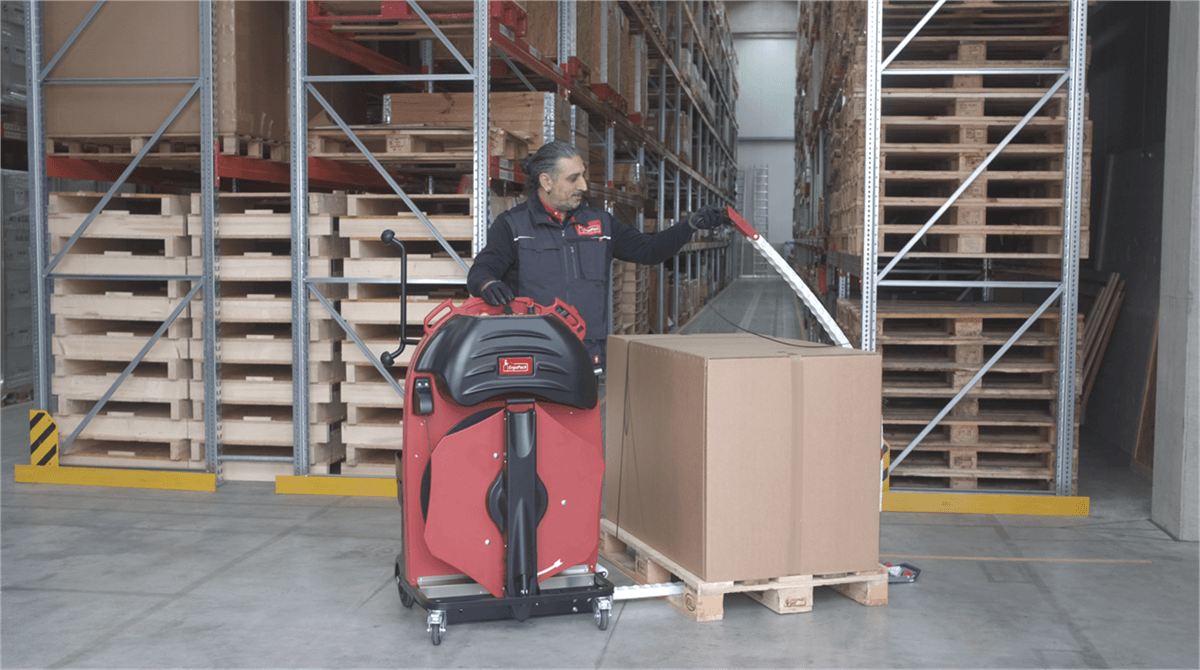
When people picture warehouse automation they think of conveyors, AS/RS and robots — big capital projects with long lead times. But the highest-ROI, lowest-disruption automation in most Indian warehouses is not in the racks; it is at the dispatch dock, where loaded pallets are still secured by hand.
This guide explains where warehouse automation actually pays first, why the dock is usually the bottleneck, and how to capture the gain without a rebuild.
Start at the dock, not the racks
Storage automation is expensive and slow to install; dispatch automation is contained and fast. The manual pallet-securing step — two people, ~120 seconds per pallet, inconsistent tension — is repetitive, labour-heavy and a frequent bottleneck. It is the single best first target in a warehouse.
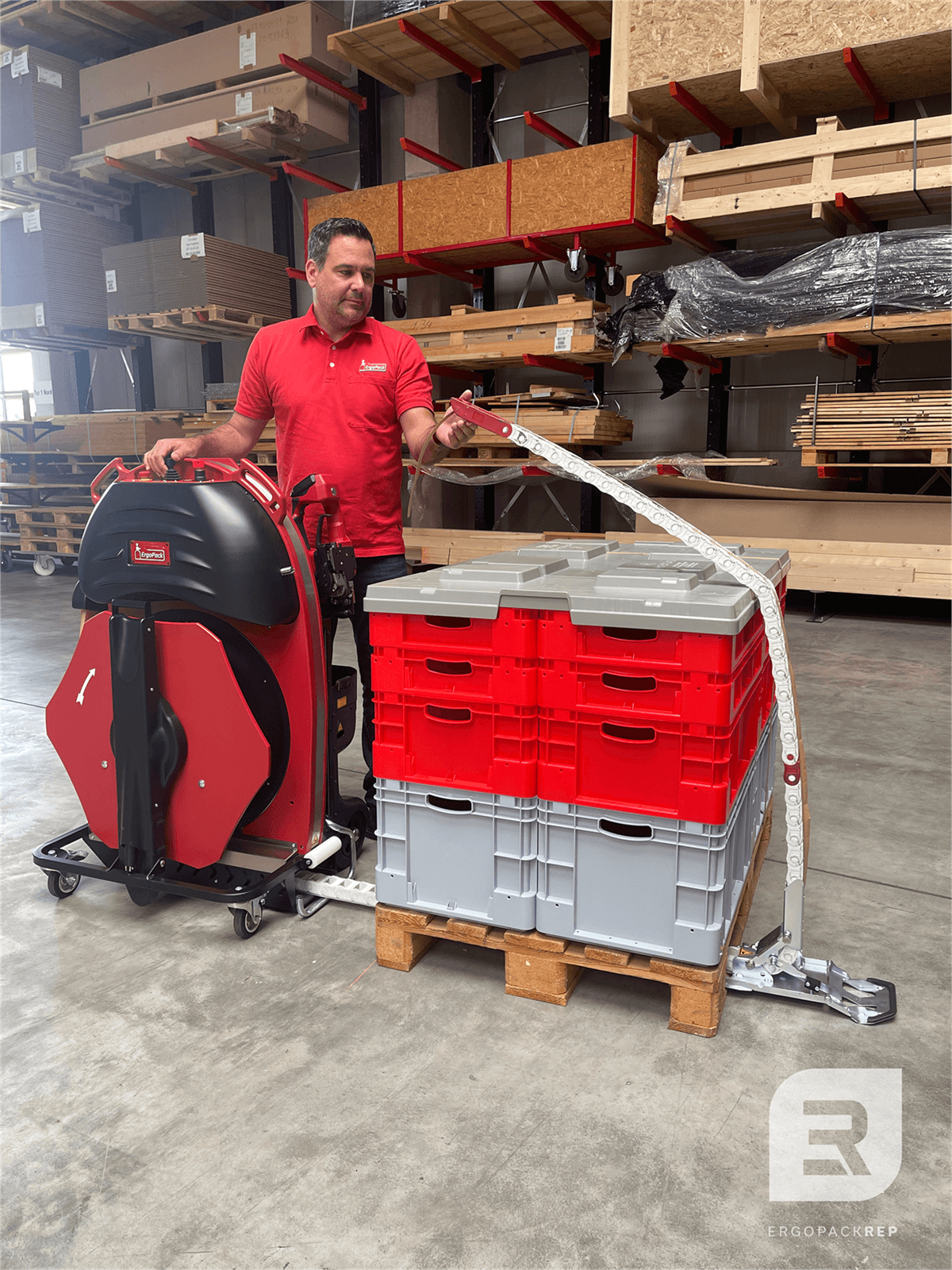
A mobile ErgoPack machine is wheeled to the pallet at any dock — no conveyors, no civil work — and secures it in under 40 seconds with one operator at calibrated tension. The result is immediate dock speed and the labour saving, with none of the disruption of a storage rebuild.
- Dispatch securing is repetitive, labour-heavy and a common bottleneck.
- Mobile automation needs no conveyors, rebuild or civil work.
- One operator at under 40 seconds replaces two at ~120 seconds.
- Calibrated tension removes the re-work and rejections that clog the dock.
How it lifts the whole warehouse
Clearing the securing bottleneck speeds everything downstream of it and frees people who were tied to a task nobody wants to do. Those operators move to picking, QA or loading — so the warehouse ships more without adding headcount, and becomes resilient to the absences and turnover that plague dock labour.
Frequently asked questions
- What is the cheapest, fastest warehouse automation to start with?
- Automating the manual pallet-securing step at the dispatch dock. A mobile machine needs no conveyors or rebuild, secures a pallet in under 40 seconds with one operator versus two at ~120 seconds, saves around ₹25 lakh a year, and pays back in 6–18 months — far faster than storage or conveyor automation.
- Do I need conveyors or an AS/RS to automate my warehouse?
- No. The highest-ROI first step — automating pallet securing — uses a mobile, wheeled machine brought to the pallet at any dock. It needs no conveyors, AS/RS or civil work, so you get the labour and throughput gain immediately, then scale to bigger projects once it has paid back.
- How does securing automation reduce warehouse costs?
- It cuts the securing step from two operators to one and from ~120 seconds to under 40, reduces strap waste by about 12% through calibrated tension, and removes the loose-load rejections that send pallets back through the whole dock — saving labour, material and re-work, around ₹25 lakh a year on a typical floor.