guides
Dunnage: Types, Uses and How to Fill Void Space So Cargo Cannot Move
Dunnage fills the empty space that lets cargo shift in transit. A guide to the types — airbags, foam, wood, corrugated — when to use each, and why it works alongside strapping, not instead of it.
Empty space inside a pallet, crate or container is the enemy of safe transit. Every gap is room for cargo to slide, tip and slam into its neighbour. Dunnage is the material that fills those gaps so the load travels as one solid block. Here is what it is, the types, and how it works with strapping.
What is dunnage?
Dunnage is any inexpensive, often disposable material used to fill void space, brace cargo, and absorb shock during transport. It does not bind the load (that is strapping) or protect surfaces (that is wrap and corner boards) — its job is to occupy empty space so nothing can move into it.
Why dunnage matters
In a truck or container, cargo is subjected to constant vibration, braking and rolling. If there is space for the load to shift, it will — and a shifting load:
- slams into adjacent cargo and the container walls,
- topples and crushes,
- and concentrates impact on whatever it hits.
Filling the voids removes the room to move, which is half the battle against transit damage.
Types of dunnage
| Type | What it is | Best for |
|---|---|---|
| Inflatable dunnage bags | Air bags inflated between pallets/rows | Filling large gaps in containers; fast |
| Foam (blocks / sheets) | Cut or moulded foam | Fragile goods; shock absorption; odd shapes |
| Wood (beams, blocks, braces) | Timber bracing | Heavy loads; blocking and bracing in crates |
| Corrugated (inserts, honeycomb) | Cardboard fillers | Lightweight void fill; layer separation |
| Air pillows / paper | Inflated film or crumpled paper | Light void fill inside cartons |
When to use which
- Containers: inflatable dunnage bags between pallet rows are fast and effective for the large gaps between blocks of cargo.
- Crates with heavy parts: wooden bracing blocks the part so it cannot slide (essential for automotive export).
- Fragile goods: foam absorbs shock and conforms to the shape.
- Inside cartons: air pillows or paper fill the small voids so individual items do not rattle.
One rule applies across all of them: for export wood dunnage, ISPM-15 applies — untreated timber dunnage is one of the most common reasons a shipment is held at the destination port (see ISPM-15 explained).
Dunnage works with strapping, not instead of it
Dunnage and strapping solve different halves of the movement problem, and you usually need both:
- Dunnage removes the space the cargo could move into.
- Strapping removes the cargo's ability to move by anchoring it to the pallet or crate.
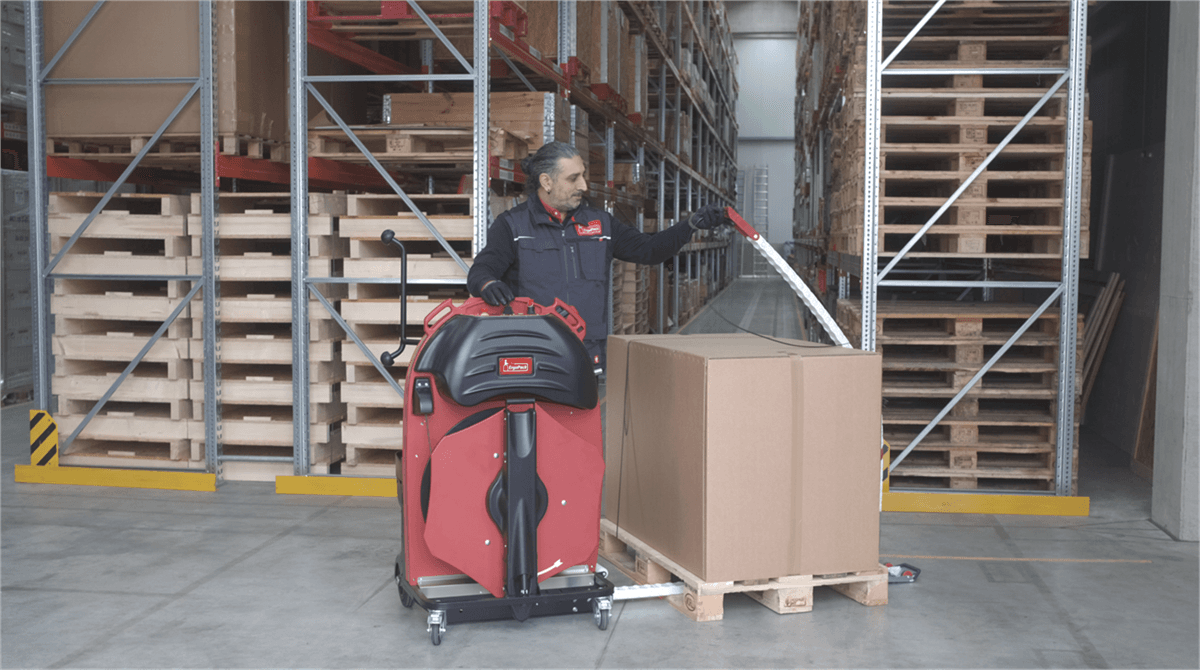
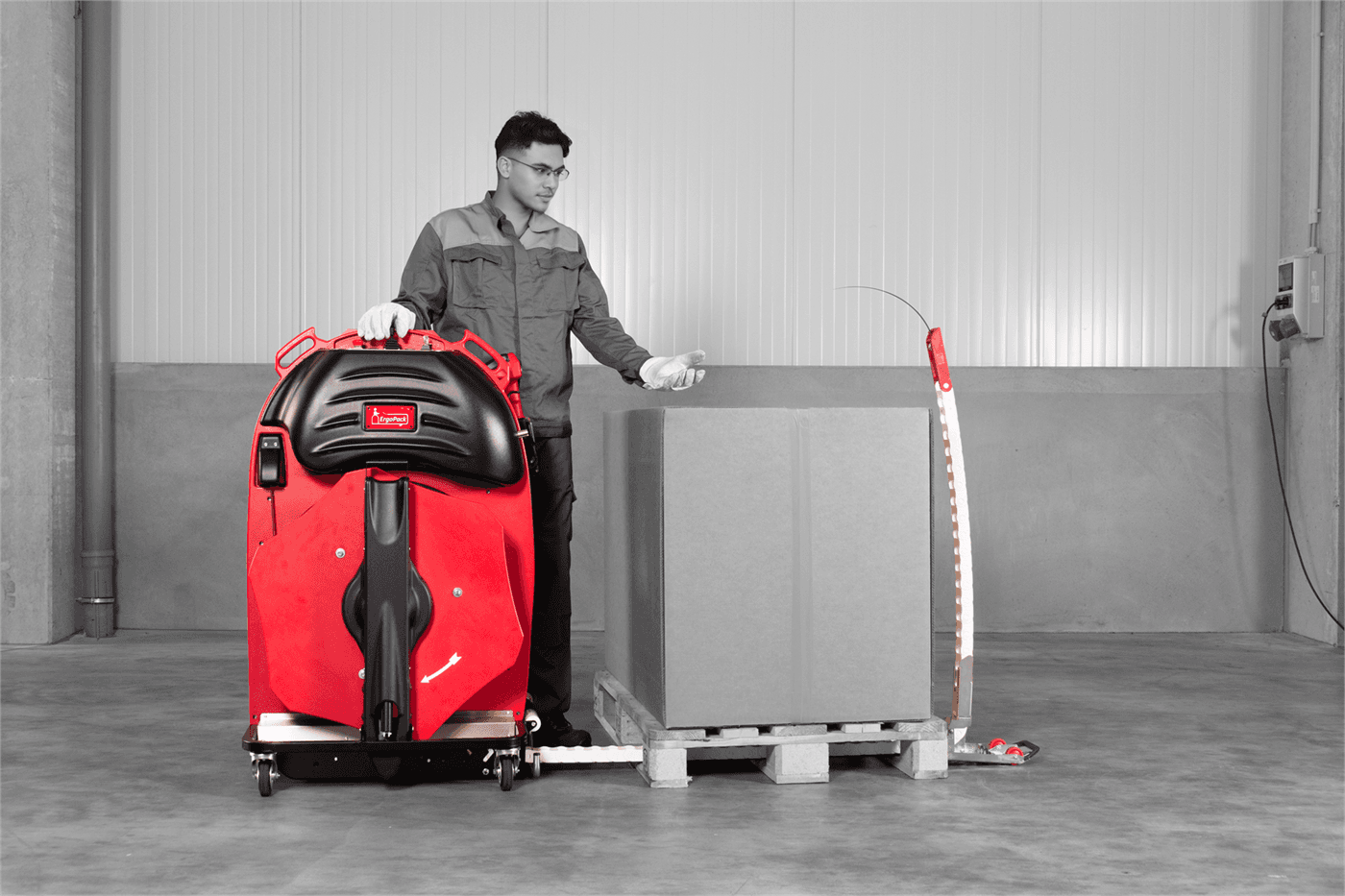
A load that is strapped but has unfilled voids can still rock within the gaps; a load that is dunnaged but unstrapped is filled but not anchored. Together — every pallet strapped to its base at consistent tension, every void filled — the cargo becomes one immovable mass. That is the standard a container should be loaded to (see how to load a shipping container). Calibrated strapping machines such as the ErgoPack 726X, GO and 700 handle the anchoring side repeatably on every pallet.
Dunnage checklist
- Voids in the container/crate identified before loading
- Right dunnage chosen per gap (bags for big, foam for fragile, wood for heavy)
- Heavy parts blocked and braced so they cannot slide
- Wood dunnage is ISPM-15 compliant for export
- Cargo also strapped to its base — dunnage fills, strapping anchors
- Final load is a solid block with no room to move
Fill the space, anchor the load, and the cargo that leaves your floor arrives where you put it.
Talk to a pallet strapping engineer
BENZ Packaging and ErgoPack India engineers support installations and service anywhere in India. Tell us your pallet setup and we’ll recommend the right machine — and send pricing.
Related Reading
Continue with the next guide
guides
PP vs PET Strapping: Which Should You Use, and When?
PP and PET strap suit very different loads. A clear guide to when polypropylene is enough and when polyester is essential — by load weight, settling, and export exposure.
guides
Strapping Machine AMC, Spares and Uptime: What to Check Before You Buy
A strapping machine is only as good as its uptime. What to check on service, spare parts and AMC before you buy — so the machine that saves you ₹25 lakh a year actually keeps running.
guides
Pallet Strapping Machine Buying Checklist: 10 Questions Before You Decide
Before you buy a pallet strapping machine, run through these ten questions. They cover loads, volume, power, tension, service and ROI — so you choose the right machine, not just the cheapest.