guides
Pharmaceutical Pallet Packaging & GDP: Securing Loads in the Cold Chain
How pharmaceutical distribution secures pallets under Good Distribution Practice — validated packaging, the cold chain, documentation, and why clean, low-contact, consistent load securing matters.
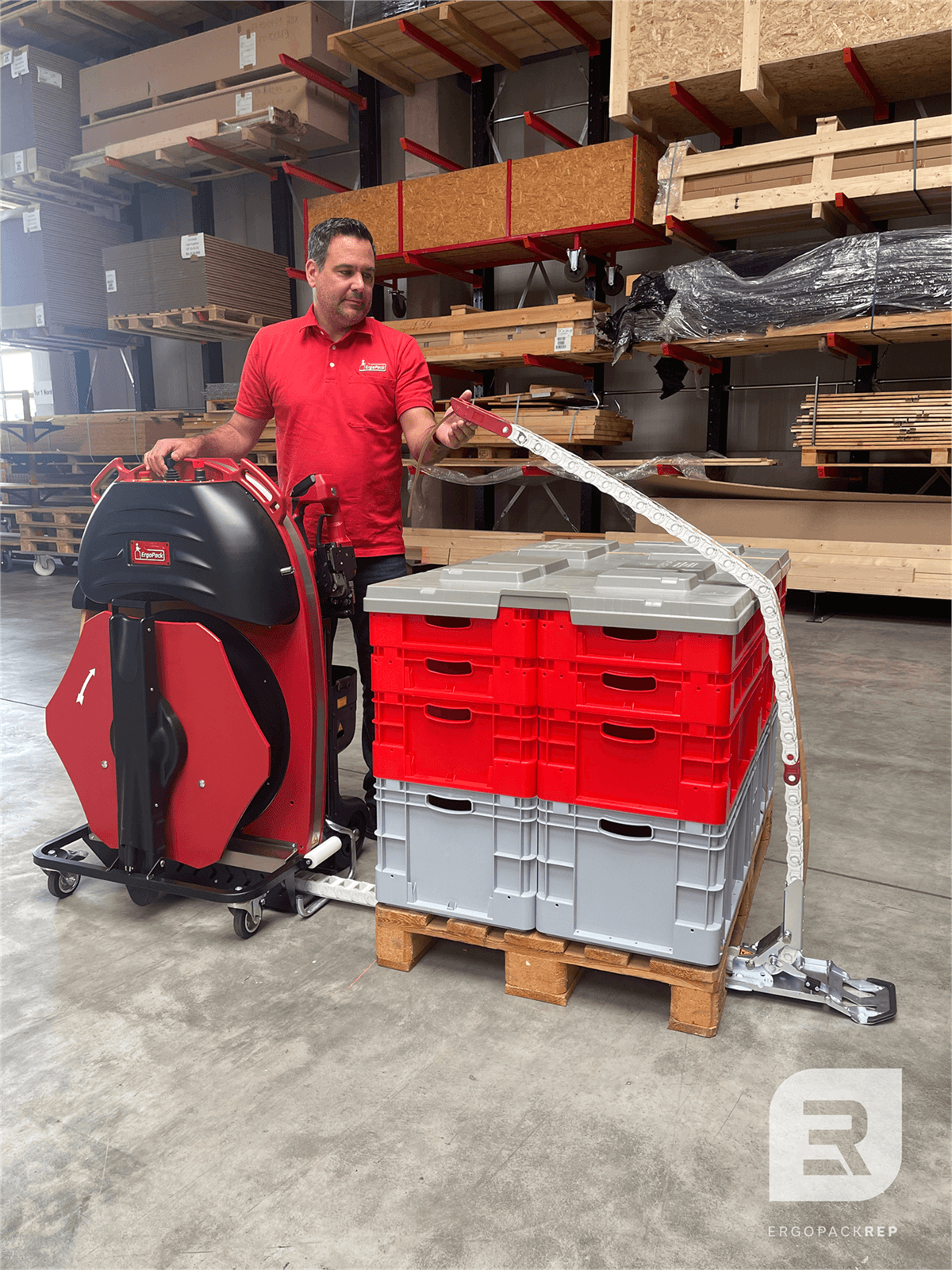
Pharmaceutical distribution has the strictest packaging rules in logistics, because the cargo is temperature-sensitive, high-value, and regulated end to end. Pallet securing is a small but real part of Good Distribution Practice — and getting it wrong undermines everything upstream. Here is how it fits.
What GDP requires (the short version)
Good Distribution Practice (GDP) is the quality framework governing how medicines are stored, transported and handled — enforced internationally by bodies like the EMA, FDA and WHO, and in India under CDSCO/Schedule requirements. GDP demands:
- Validated packaging proven to protect the product.
- Temperature control and monitoring across the journey.
- Documentation — evidence that conditions stayed within limits.
- Controlled handling that minimises contamination and mishandling risk.
The cold chain: keeping temperature stable
For temperature-sensitive products, the packaging is engineered to hold the range:
- Insulated shippers (EPS containers, vacuum-insulated panels).
- Phase-change materials and preconditioned gel packs.
- Pallet layering and validated configurations to keep temperature stable across the pallet.
- IoT monitoring — sensors logging temperature and location for the documentation trail.
Where load securing fits in GDP
A validated cold-chain pallet still has to survive the truck. Load securing supports GDP in three ways:
- Stability: the carefully built thermal pallet must not shift, topple or be crushed — which would break the insulation configuration and create a temperature excursion. Consistent strapping holds the configuration intact.
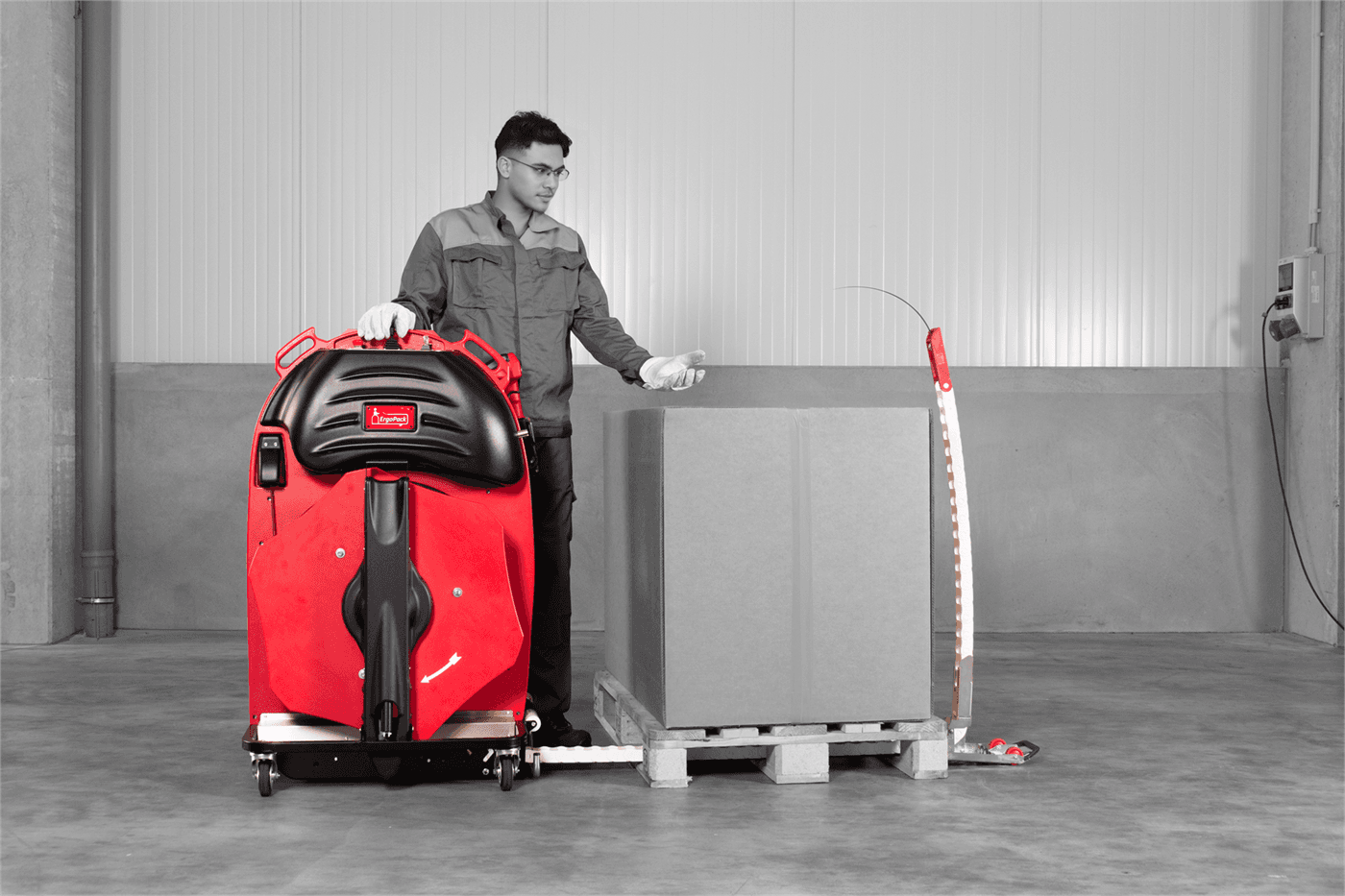
- Low contamination / low contact: GDP favours minimising human handling of the load. Automated strap routing means an operator secures the pallet from a standing position without manhandling or re-stacking it — fewer hands on a controlled load.
- Repeatability and documentation: GDP is built on consistency you can prove. Calibrated, repeatable tension means every pallet is secured identically — a controlled, documentable process rather than variable hand tension.
Materials for pharma pallets
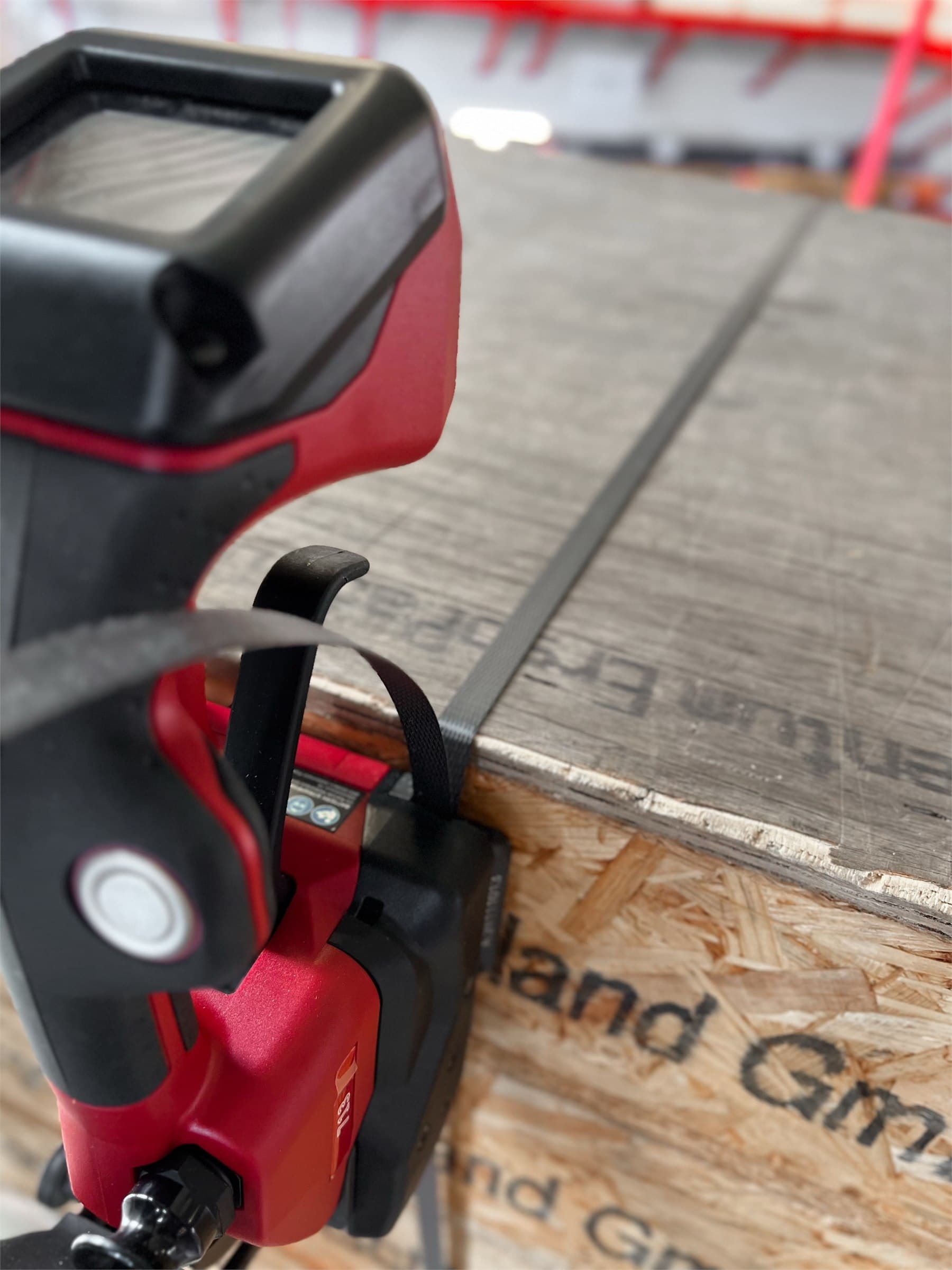
- PET strap, not steel — moisture-proof and rust-free, no contamination risk, and it holds tension as loads settle.
- Plastic pallets are common in pharma — washable, hygienic, moisture-proof and outside ISPM-15.
- Sealless friction welding — no metal clips to rust, shed or contaminate.
A calibrated machine such as the ErgoPack 726X applies repeatable tension and a sealless friction weld, and the GO and 700 route the strap so operators secure pallets without manhandling the load. See PP vs PET vs steel strapping for material detail.
Pharma pallet securing checklist
- Validated, temperature-controlled packaging per GDP
- Monitoring and documentation in place
- Thermal pallet configuration kept intact by stable securing
- PET strap (not steel) — no rust or contamination
- Plastic/hygienic pallets where appropriate
- Sealless friction weld — no metal clips
- Consistent, repeatable, low-contact load securing
Get the cold chain and the documentation right, and make sure the securing that holds it all together is just as controlled and repeatable as the rest of the GDP process.
Talk to a pallet strapping engineer
BENZ Packaging and ErgoPack India engineers support installations and service anywhere in India. Tell us your pallet setup and we’ll recommend the right machine — and send pricing.
Related Reading
Continue with the next guide
guides
PP vs PET Strapping: Which Should You Use, and When?
PP and PET strap suit very different loads. A clear guide to when polypropylene is enough and when polyester is essential — by load weight, settling, and export exposure.

guides
Strapping Machine AMC, Spares and Uptime: What to Check Before You Buy
A strapping machine is only as good as its uptime. What to check on service, spare parts and AMC before you buy — so the machine that saves you ₹25 lakh a year actually keeps running.
guides
Pallet Strapping Machine Buying Checklist: 10 Questions Before You Decide
Before you buy a pallet strapping machine, run through these ten questions. They cover loads, volume, power, tension, service and ROI — so you choose the right machine, not just the cheapest.