guides
Container Rain: What Causes Cargo Condensation & How to Prevent It (India Exporters)
Container rain ruins Indian exports with rust and mould. Learn what causes cargo condensation, how desiccants work, and the full prevention checklist for monsoon-season sea freight.
An Indian exporter loads a clean, dry container, secures everything, and three weeks later the customer opens it to rusted parts and mouldy cartons — with no leak anywhere. The culprit is not a hole in the roof. It is container rain, and for exports leaving a humid Indian port it is one of the most common and most preventable causes of cargo damage.
What is container rain?
Container rain is condensation that forms inside a sealed shipping container. Warm, humid air trapped inside the container meets the colder steel of the ceiling and walls as the container passes through cooler temperatures at sea or at night. The moisture in that air condenses into water droplets on the ceiling, collects, and drips down onto the cargo like rain — hence the name.
The longer the voyage and the bigger the temperature swing, the worse it gets. A container loaded in humid Indian monsoon conditions and shipped to a cooler destination is a textbook case.
Why it matters for Indian exports
Container rain causes:
- Rust on metal parts, castings and machinery.
- Mould and mildew on textiles, paper, food and packaging.
- Label and carton failure as cardboard absorbs moisture and collapses.
- Rejected shipments and claims — the damage is often discovered only at the destination.
Loading in the monsoon, or anywhere humid, sharply increases the risk.
Where the moisture comes from
Three sources fill the container with the water vapour that later condenses:
- Humid air sealed in when the doors close — especially in monsoon.
- Moisture in the cargo itself — damp goods or recently produced items.
- Moisture in the packaging — wet pallets, damp dunnage, cartons stored in humid conditions.
How to prevent container rain
1. Load dry — everything
The foundation is a dry start: a clean, dry container, dry cargo, dry pallets and dry dunnage. Never seal damp material inside — it becomes the moisture source.
2. Use container desiccants (the main defence)
Desiccants adsorb water vapour from the air, lowering the relative humidity below the dew point so condensation cannot form.
- Calcium chloride desiccants are the standard for long ocean voyages — they have very high absorption capacity and can hold up to ~300% of their own weight in moisture.
- Hang them high in the container per the manufacturer's spacing.
- In the monsoon or on long routes, increase the number of desiccants — under-dosing is the common mistake.
3. Help airflow and use barriers
Allow some airflow around the cargo block, and use moisture-barrier liners or VCI materials for sensitive metal goods.
4. Choose moisture-proof securing materials
This is the step most guides miss. The materials that hold your load together are also exposed to that humidity for weeks:
- Use PET strap, not steel. Steel strap rusts in container humidity, stains the cargo, and weakens at the joint. PET is completely moisture-proof and holds tension through the temperature swings of the voyage.
- Use treated or plastic pallets and dry dunnage, never damp wood.
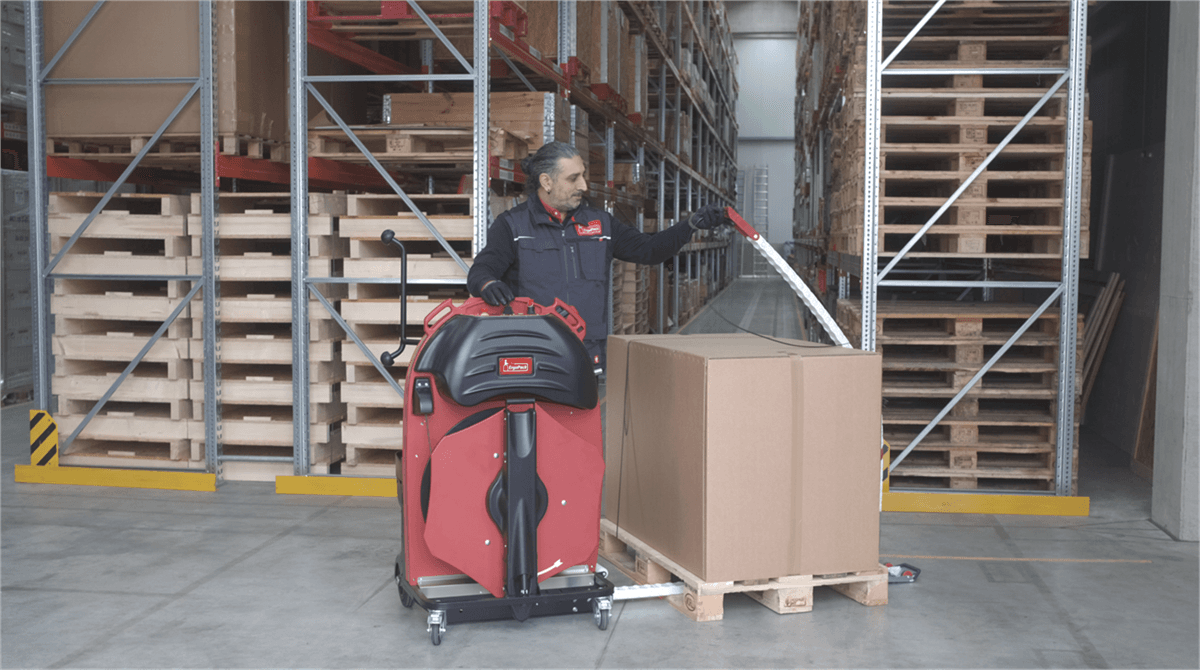
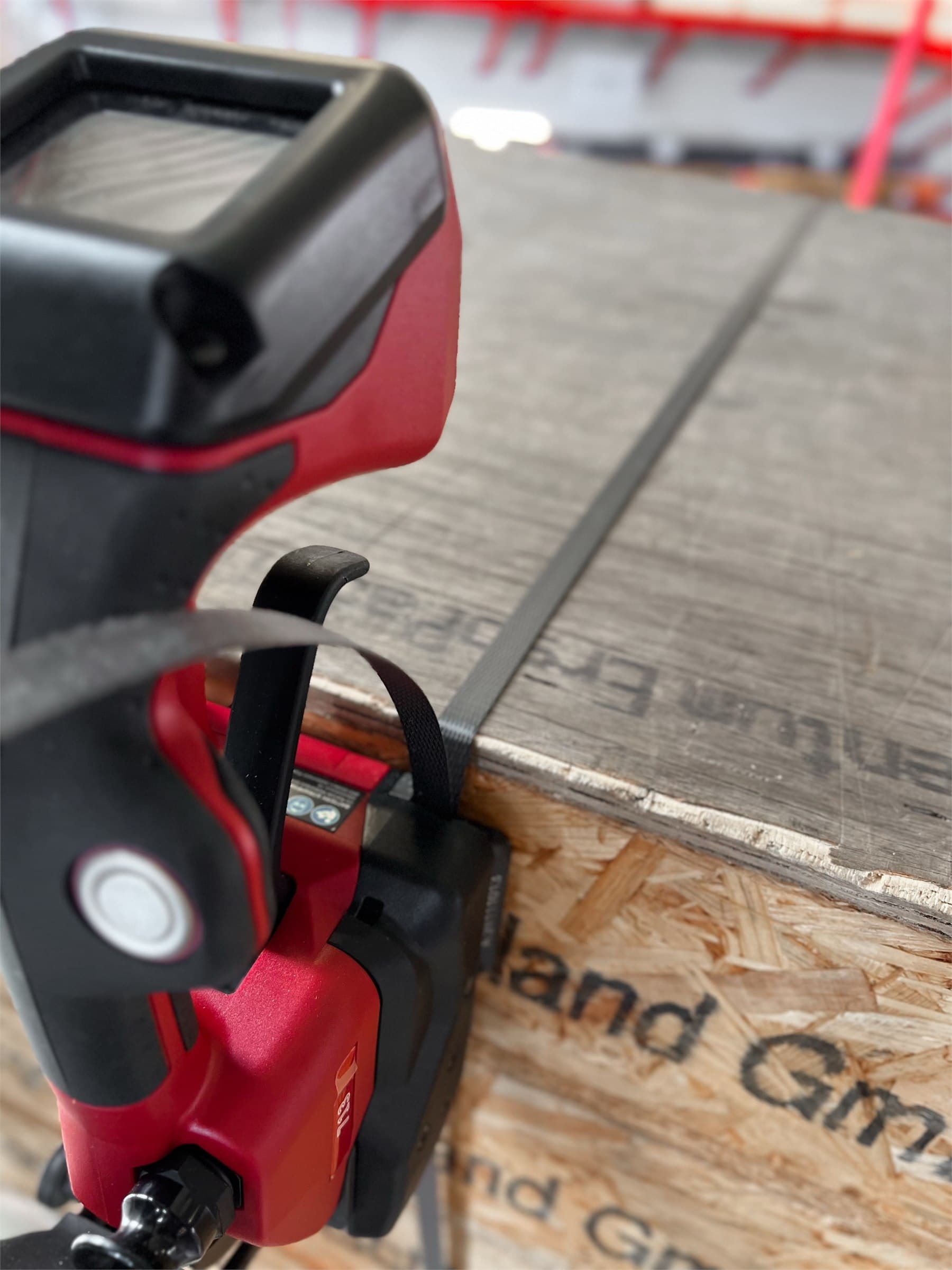
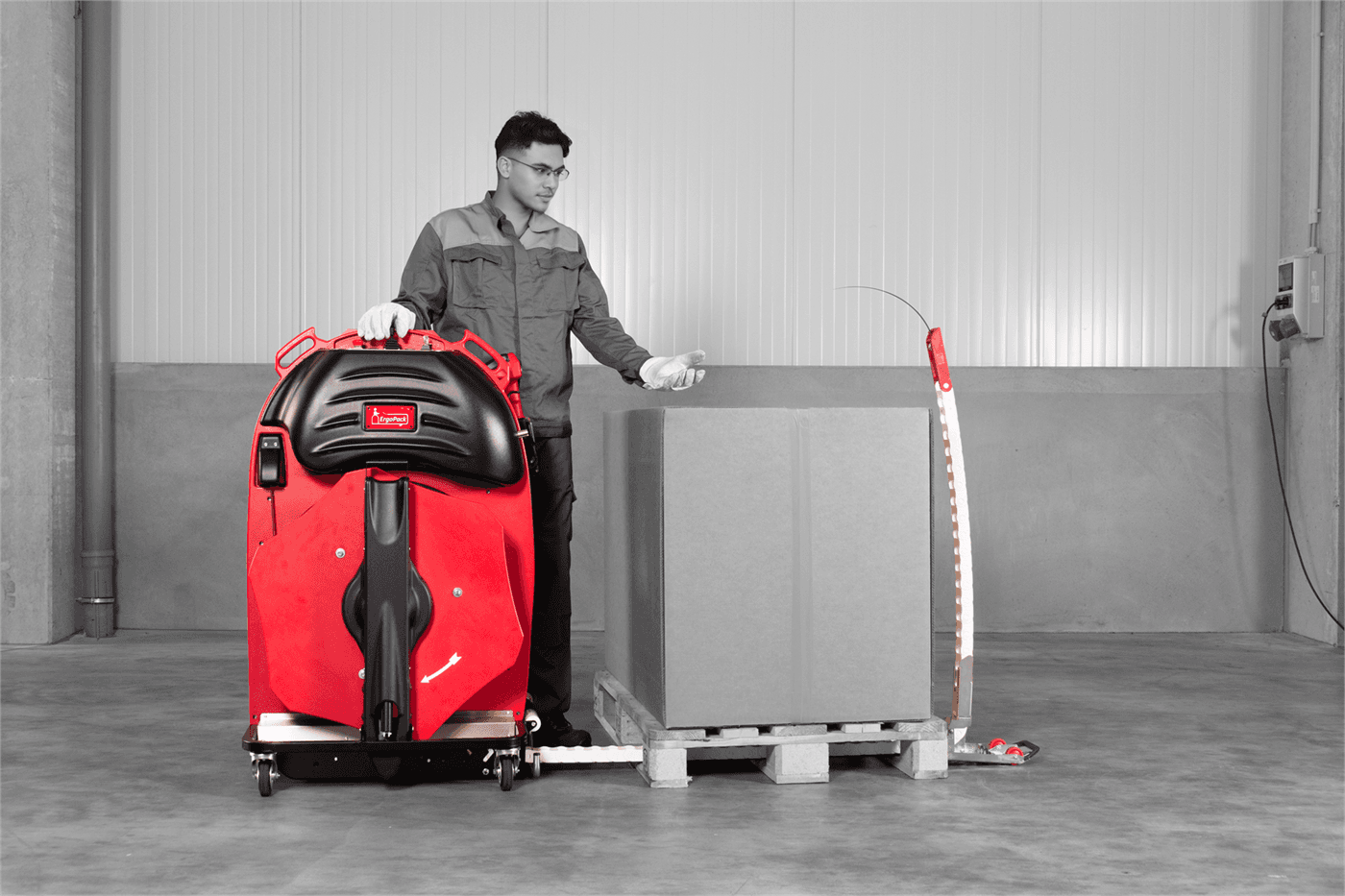
If every pallet is strapped with rust-proof PET at consistent tension — for example with a calibrated machine like the ErgoPack 726X running PET up to 2,500N — you remove both the rust risk and the load-shift risk in one step. See PP vs PET vs steel strapping for the material detail and how to load a shipping container for the full loading method.
Container rain prevention checklist
- Container clean, dry, no roof pinholes, seals intact
- Cargo dry; no recently-wet goods loaded
- Dry pallets and dry dunnage only
- Calcium chloride desiccants hung high, dosed for the route
- Extra desiccant added for monsoon / long voyages
- Moisture barriers / VCI for sensitive metal cargo
- PET strap (not steel) so securing doesn't rust
- Some airflow maintained around the cargo block
Get these right and the container that leaves a humid Indian port opens dry at the other end — no rust, no mould, no claim.
Talk to a pallet strapping engineer
BENZ Packaging and ErgoPack India engineers support installations and service anywhere in India. Tell us your pallet setup and we’ll recommend the right machine — and send pricing.
Related Reading
Continue with the next guide
guides
PP vs PET Strapping: Which Should You Use, and When?
PP and PET strap suit very different loads. A clear guide to when polypropylene is enough and when polyester is essential — by load weight, settling, and export exposure.

guides
Strapping Machine AMC, Spares and Uptime: What to Check Before You Buy
A strapping machine is only as good as its uptime. What to check on service, spare parts and AMC before you buy — so the machine that saves you ₹25 lakh a year actually keeps running.
guides
Pallet Strapping Machine Buying Checklist: 10 Questions Before You Decide
Before you buy a pallet strapping machine, run through these ten questions. They cover loads, volume, power, tension, service and ROI — so you choose the right machine, not just the cheapest.