guides
PP vs PET Strapping: Which Should You Use, and When?
PP and PET strap suit very different loads. A clear guide to when polypropylene is enough and when polyester is essential — by load weight, settling, and export exposure.
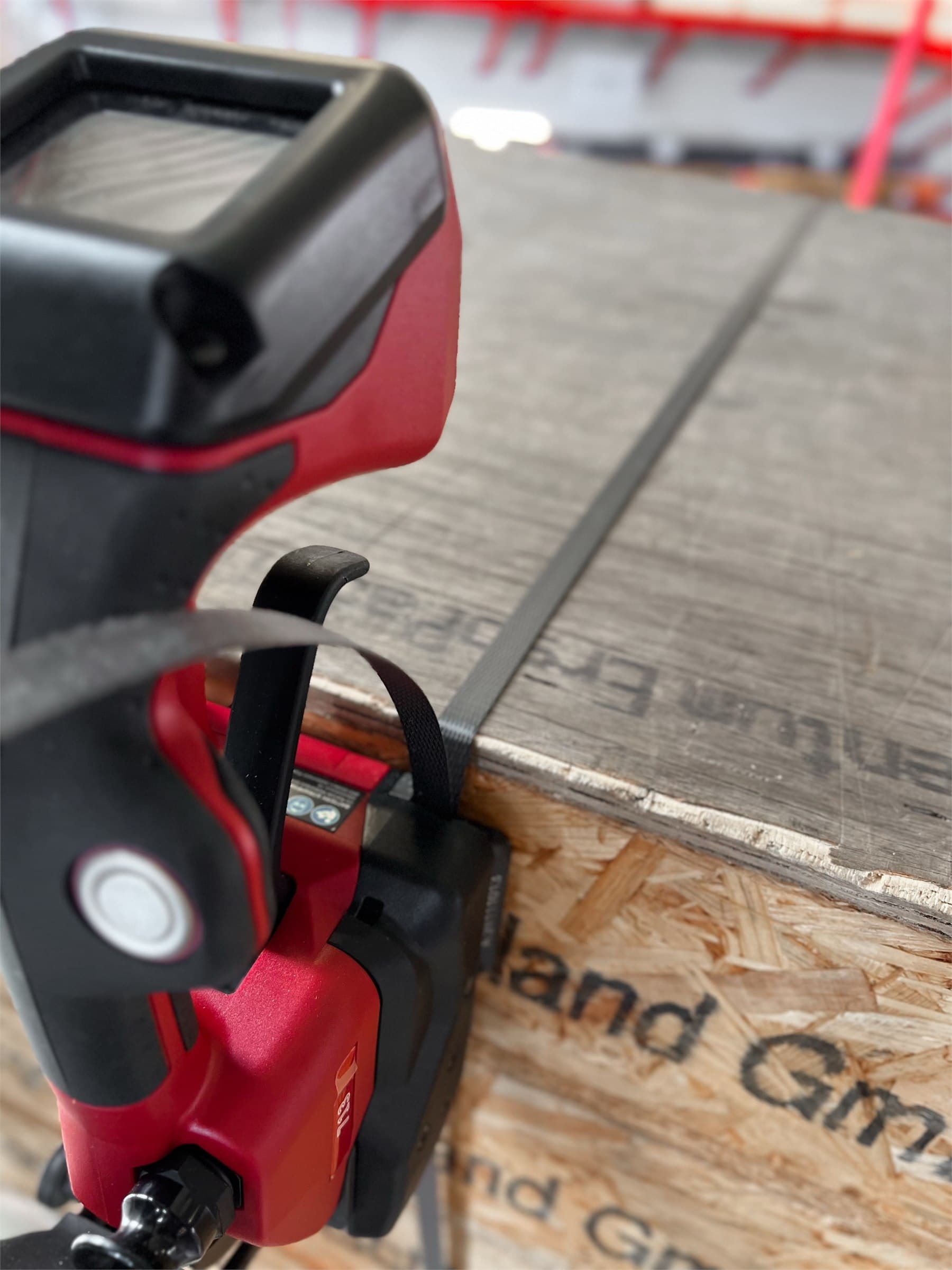
Choosing between PP (polypropylene) and PET (polyester) strap is one of the most practical decisions in pallet securing — and getting it wrong means either over-paying on light loads or under-securing heavy and export ones. Here’s a clear guide to when each strap is right.
The core difference
- PP (polypropylene) — lighter-duty, lower cost, stretches more and recovers less. Good for light, stable loads and bundling.
- PET (polyester) — higher strength and retained tension, recovers as loads settle, resists rust-free and survives humidity. The choice for heavy, settling and export loads.
The key property is retained tension: PET holds and recovers tension as a load settles in transit; PP relaxes more and can go slack.
When PP is enough
- Light, stable loads that won’t settle much.
- Short, gentle transit — local, low-shock.
- Bundling and unitising where high tension isn’t critical.
- Cost-sensitive, low-risk dispatch.
For these, PP does the job at lower material cost.
When PET is essential
- Heavy, dense loads that take real force in transit.
- Compressible loads (bales, bagged goods) that settle and relax — PET recovers the tension PP would lose.
- Export and long sea transit — PET resists the conditions and, unlike steel, won’t rust onto the cargo through container humidity (seaworthy palletising).
- Anything with rejection risk — PET’s retained tension keeps the load tight to the destination (reduce rejections).
For these, PP is a false economy — the load loosens, shifts and gets damaged or rejected.
Quick guide
| Load / situation | Use |
|---|---|
| Light, stable, local | PP |
| Bundling, low-risk | PP |
| Heavy or dense | PET |
| Bales/bagged (settle) | PET |
| Export / sea transit | PET |
| Rejection risk | PET |
A machine that runs both
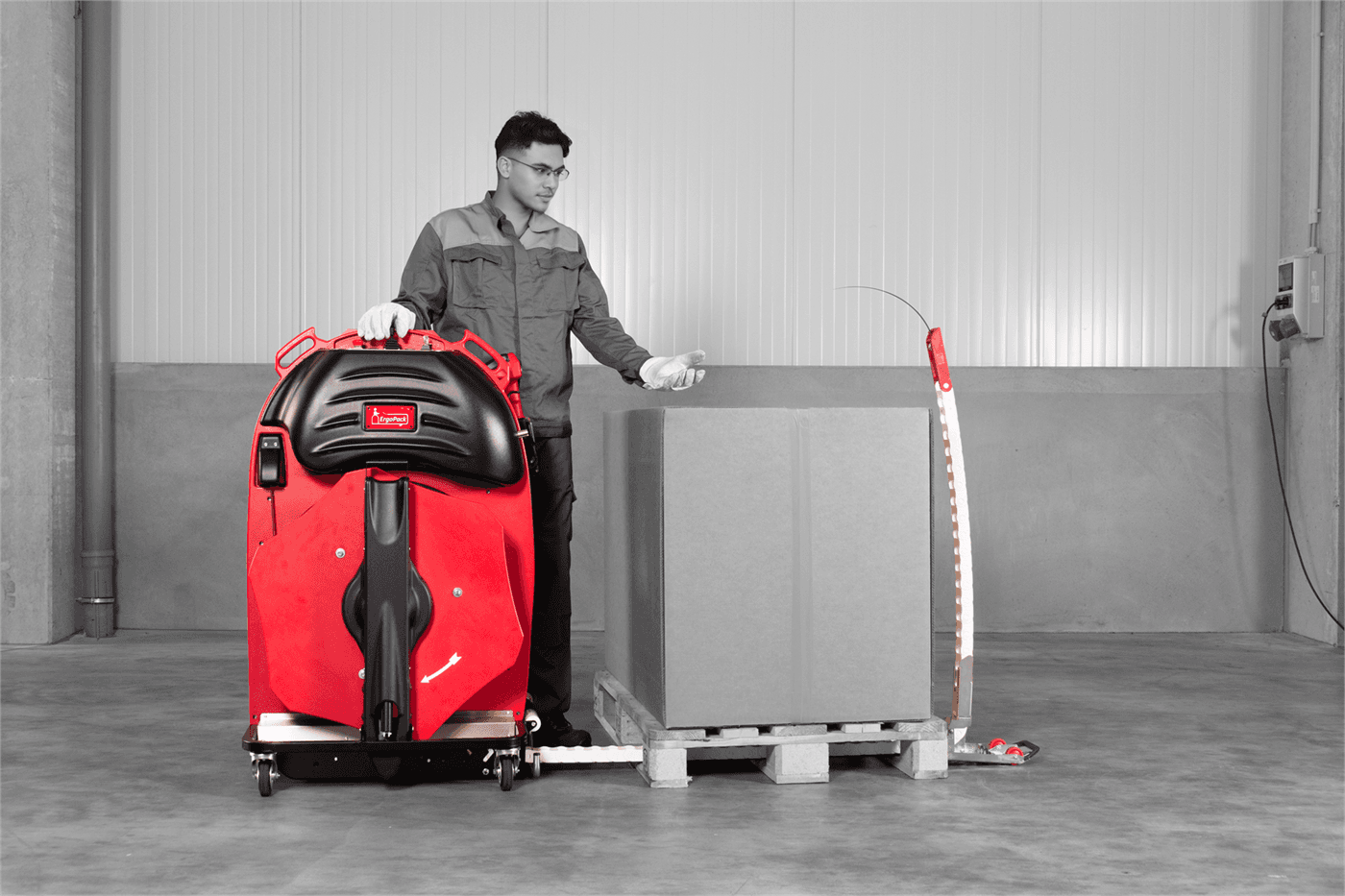
The ErgoPack 726X runs PP and PET; the GO runs PP, PET, paper, cord and composite — so you can match strap to load on the same machine, using PP where it’s enough and PET where it’s essential. For the full material comparison including steel, see the PP vs PET vs steel guide.
Strap-choice checklist
- Load weight/density assessed
- Settling behaviour considered (bales/bagged → PET)
- Export/sea-transit exposure checked (→ PET)
- Rejection risk considered (→ PET)
- Strap matched to load on a multi-material machine
PP for light, stable, local loads; PET for heavy, settling, export and rejection-risk loads. Match the strap to the load — and run both on one machine. Get a recommendation or request a quote.
Talk to a pallet strapping engineer
BENZ Packaging and ErgoPack India engineers support installations and service anywhere in India. Tell us your pallet setup and we’ll recommend the right machine — and send pricing.
Related Reading
Continue with the next guide

guides
Strapping Machine AMC, Spares and Uptime: What to Check Before You Buy
A strapping machine is only as good as its uptime. What to check on service, spare parts and AMC before you buy — so the machine that saves you ₹25 lakh a year actually keeps running.
guides
Pallet Strapping Machine Buying Checklist: 10 Questions Before You Decide
Before you buy a pallet strapping machine, run through these ten questions. They cover loads, volume, power, tension, service and ROI — so you choose the right machine, not just the cheapest.
guides
Semi-Automatic vs Fully-Automatic Strapping: Which Do You Actually Need?
Semi-automatic, mobile-automatic and fully-automatic inline strapping suit very different operations. A clear guide to which one fits your pallets, volume and budget — and the trap in the middle.