guides
Cargo Lashing Methods Explained: Blocking, Lashing and Locking
The three ways cargo is secured for transport — blocking, lashing and locking — with the difference between top-over (friction) and direct lashing, and how unit-level strapping fits underneath it all.
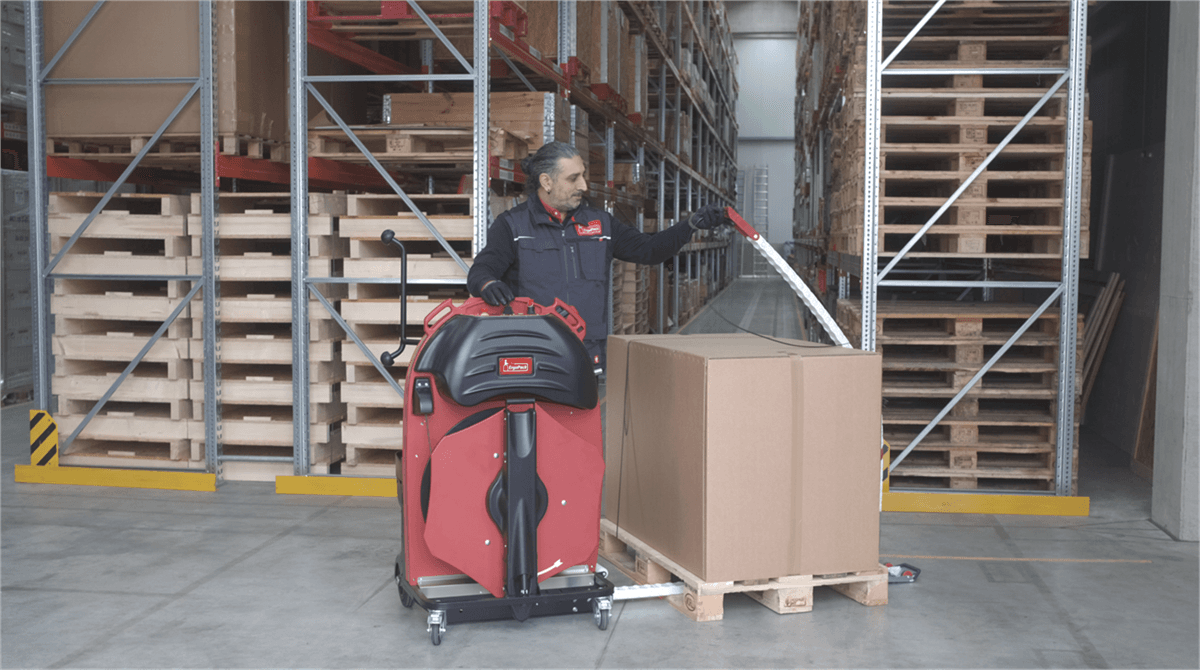
Securing cargo for road, rail or sea is a discipline with defined methods, not improvisation. Understanding the three securing principles — and the lashing types within them — is the difference between a load that stays put and one that shifts. Here is the clear breakdown.
The three securing methods
All cargo securing reduces to three approaches, usually used in combination:
1. Blocking
Blocking uses wedges, chocks and bracing to physically stop a unit from moving against other cargo, the vehicle structure, or container walls. When a unit cannot slide because something solid is in its way — and its centre of gravity sits below the top of the blocking — it is prevented from both sliding and tipping. Blocking is the first line of defence: remove the room to move.
2. Lashing
Lashing uses straps, web lashings, chains or ropes under tension to hold cargo down or in place. There are two main types (below).
3. Locking
Locking mechanically locks the cargo to the load carrier — the clearest example being the twist locks that secure containers to a ship or chassis. The cargo and carrier become one rigid assembly.
Two kinds of lashing: top-over vs direct
This distinction is where most people get lashing wrong.
- Top-over lashing (friction lashing): the lashing passes over the top of the cargo and presses it down onto the load bed. It does not restrain the cargo directly — it works by increasing the friction between the cargo and the surface. The downward pressure plus the friction stops sliding. Effective only if there is enough friction to begin with.
- Direct lashing (loop lashing): the lashing attaches directly to the cargo and to anchor points, applying straight-pull tension to stop movement in a specific direction (lengthwise, sideways). It restrains the cargo directly, not just through friction.
Web (textile) lashing is the most common equipment, frequently used as a top-over lashing.
Where unit-level securing fits
Blocking, lashing and locking all operate at the vehicle or container level — they secure units to the transport. But they assume each unit is already stable. A lashing over a pallet whose load was never strapped to its base just presses down on a stack that can still shift within itself.
That is why securing is layered:
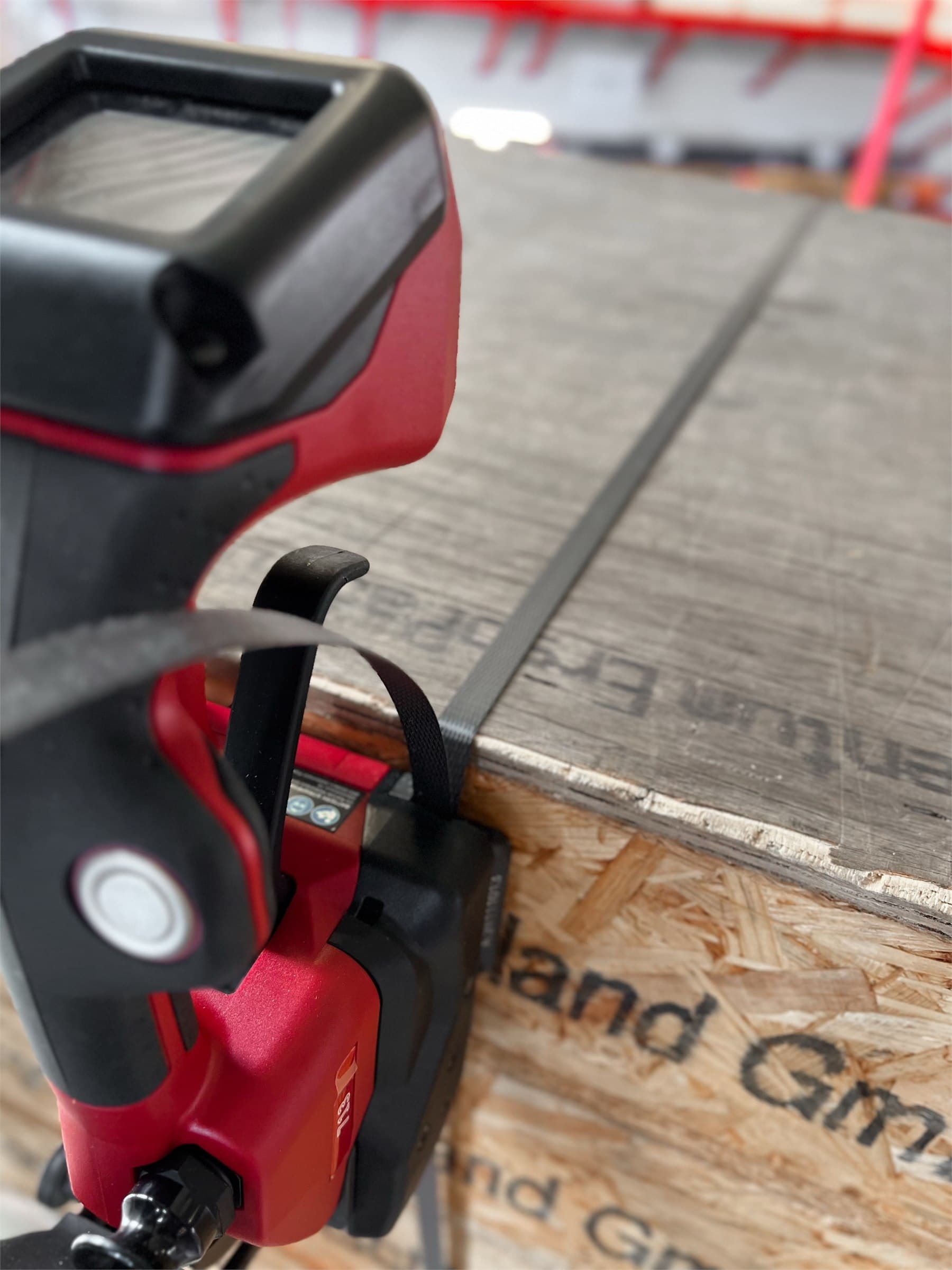
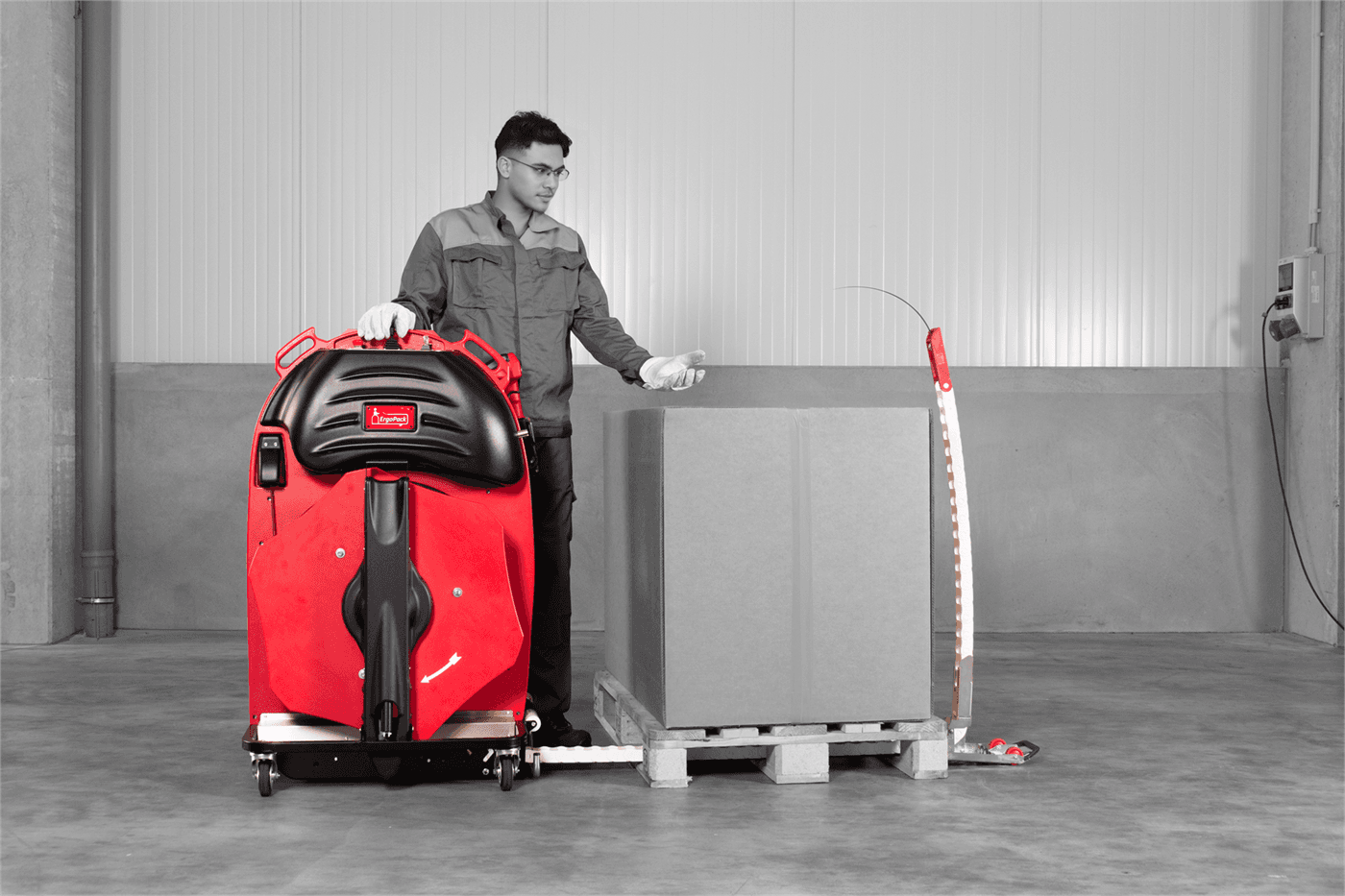
- Unit level: each pallet's load strapped to its pallet base at consistent tension — so the unit is solid. Calibrated machines such as the ErgoPack 726X, GO and 700 make this repeatable.
- Transport level: the solid units then blocked, lashed and/or locked to the vehicle or container.
Skip the unit level and the transport-level lashing has nothing solid to hold. See how to load a shipping container and how to load a truck trailer.
Cargo securing checklist
- Blocking: voids filled, chocks/wedges stop sliding and tipping
- Lashing: correct type — top-over for friction, direct for restraint
- Locking: twist locks / mechanical locks where applicable
- Lashings rated and tensioned to the load
- Each pallet/unit already strapped to its base (the layer underneath)
- Securing matched to the journey (road/rail/sea forces)
Secure in layers — solid units first, then blocked, lashed and locked to the transport — and the load arrives exactly where it started.
Talk to a pallet strapping engineer
BENZ Packaging and ErgoPack India engineers support installations and service anywhere in India. Tell us your pallet setup and we’ll recommend the right machine — and send pricing.
Related Reading
Continue with the next guide
guides
PP vs PET Strapping: Which Should You Use, and When?
PP and PET strap suit very different loads. A clear guide to when polypropylene is enough and when polyester is essential — by load weight, settling, and export exposure.
guides
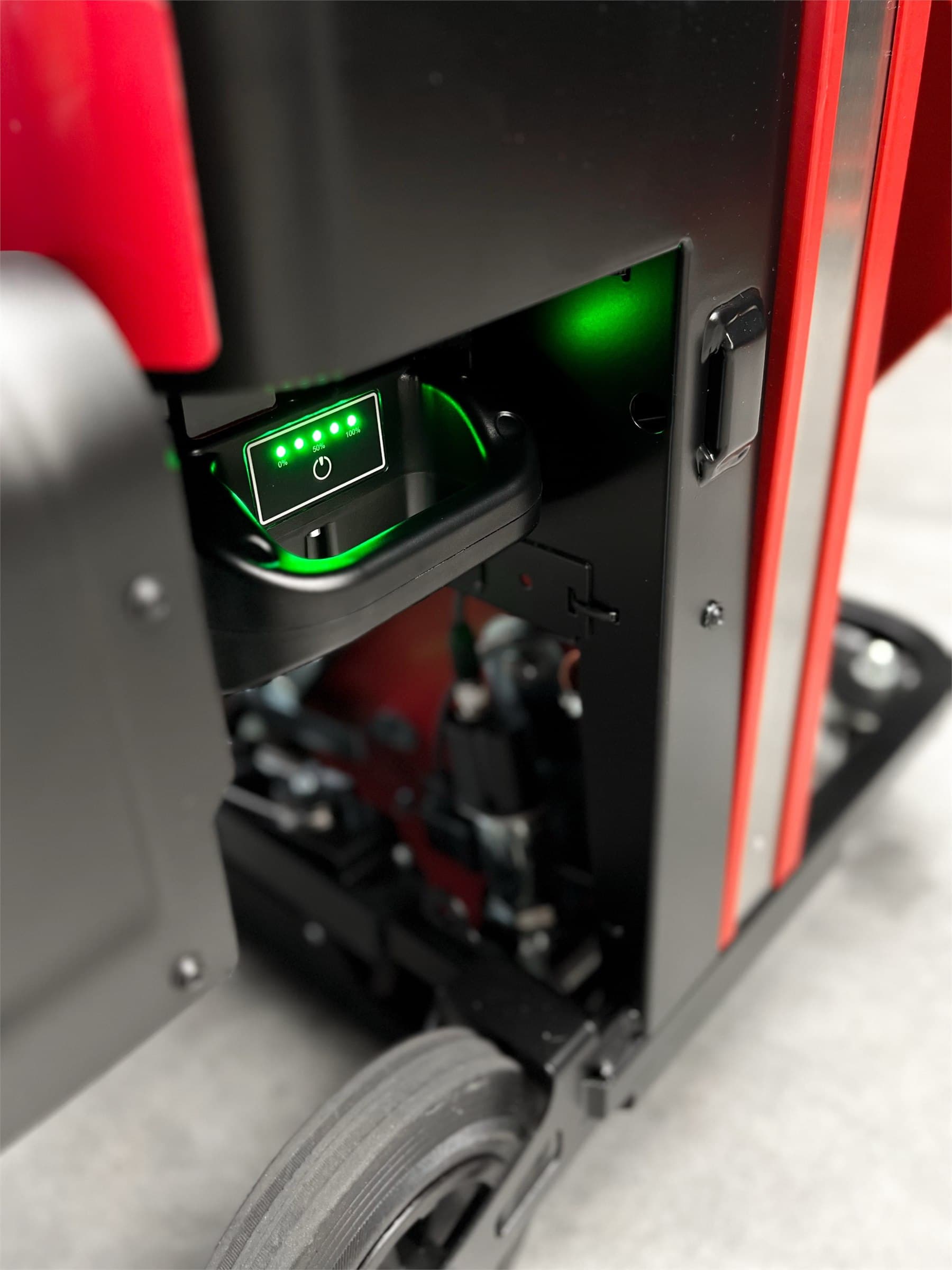
Strapping Machine AMC, Spares and Uptime: What to Check Before You Buy
A strapping machine is only as good as its uptime. What to check on service, spare parts and AMC before you buy — so the machine that saves you ₹25 lakh a year actually keeps running.
guides
Pallet Strapping Machine Buying Checklist: 10 Questions Before You Decide
Before you buy a pallet strapping machine, run through these ten questions. They cover loads, volume, power, tension, service and ROI — so you choose the right machine, not just the cheapest.