Automation Hub · Spoke
Dispatch Automation for Exporters: Cut Rejections and Cost
For exporters, dispatch automation pays back twice — once on labour and once on rejections. Automating pallet securing applies calibrated, rust-free, seaworthy tension to every export pallet, cutting the in-transit shifting that causes container rejections while halving the labour on the step.
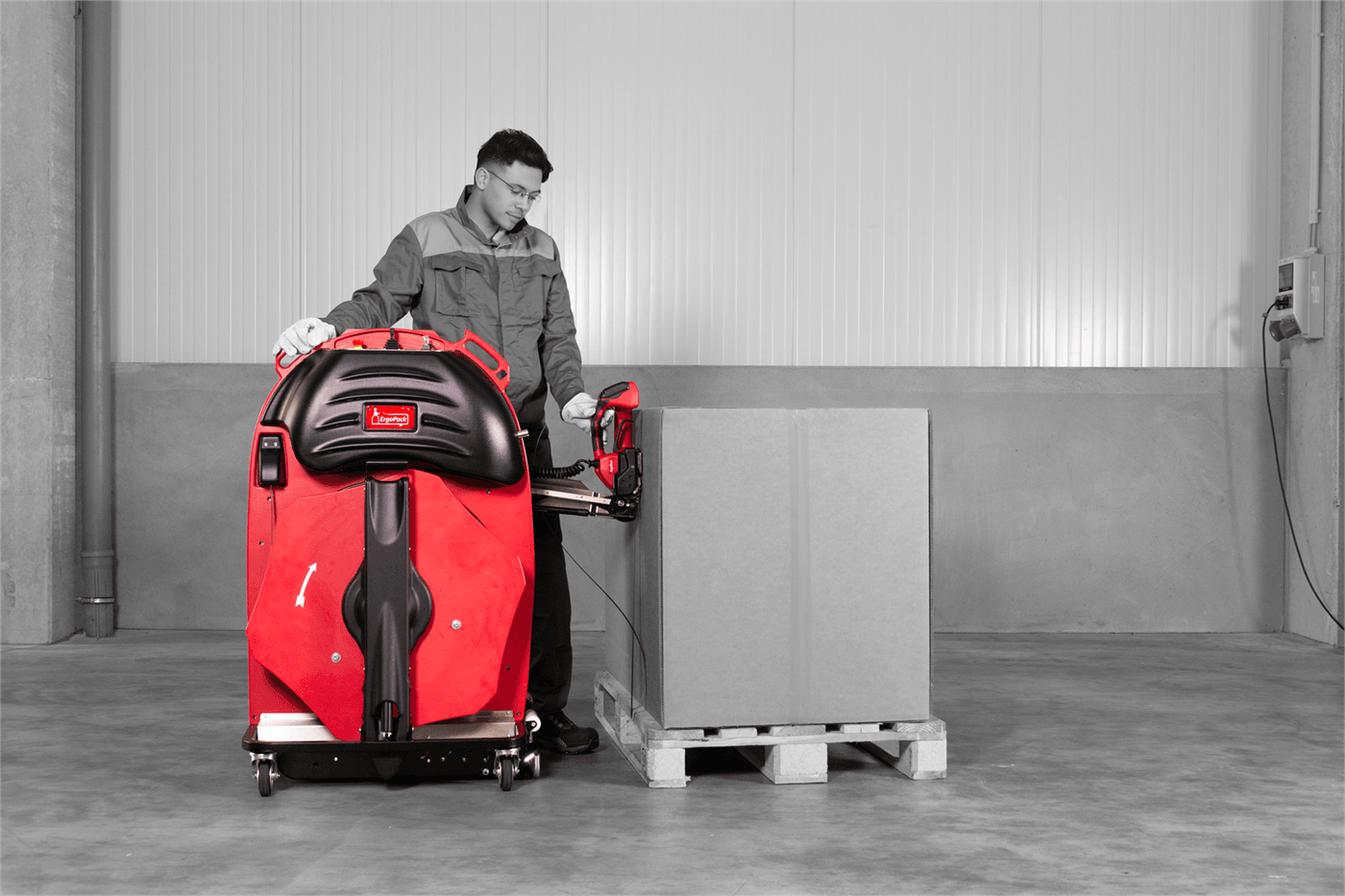
Exporters carry a risk domestic shippers do not: a single rejected container can cost more than a year of dispatch savings. That makes the case for dispatch automation stronger for exporters than anyone — because automating securing cuts both the labour and the rejections.
This guide explains why export dispatch automation pays back twice, and what "seaworthy" automated securing looks like.
Automation pays back twice for exporters
The first payback is labour: automating securing replaces two operators at ~120 seconds with one at under 40. The second, larger payback for exporters is rejections: hand-strapping applies inconsistent tension, and the loosest pallet is the one that shifts in the container and gets the consignment rejected. Calibrated, repeatable automated tension removes that variability.
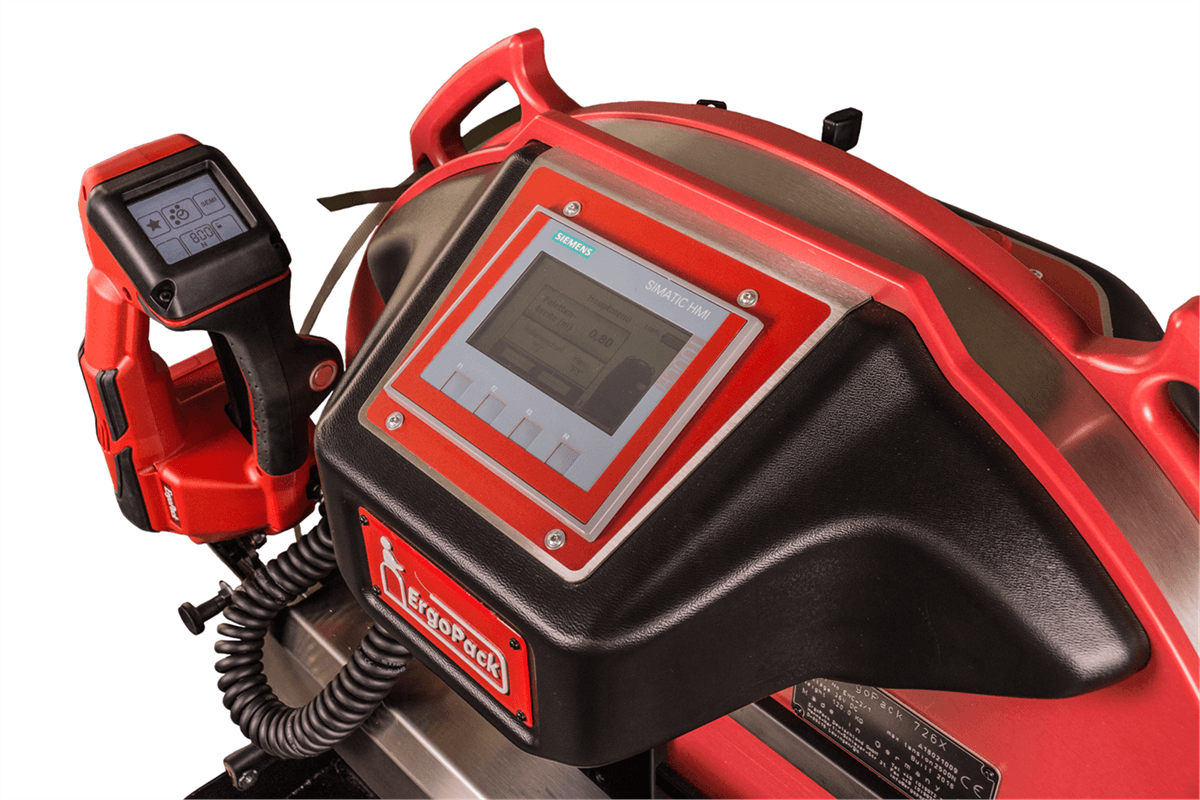
A mobile ErgoPack machine applies digital tension up to 2500N with a sealless friction weld and runs PET — which resists rust through humid container transit and recovers tension as loads settle. Every export pallet leaves at the correct, seaworthy tension, so the container arrives intact.
- Labour payback: two operators → one, ~120s → <40s.
- Rejection payback: calibrated tension removes the loose-pallet failure.
- PET resists rust and recovers tension for the sea voyage.
- One rejected container can outweigh a year of savings — automation prevents it.
What seaworthy automated securing looks like
Seaworthy securing means the same correct tension on every pallet, a sealless weld that will not slip, and rust-free PET that survives weeks of container condensation. Automation delivers all three by design — consistency replaces the by-feel guesswork that lets one weak pallet sink a whole consignment.
Frequently asked questions
- Why is dispatch automation more valuable for exporters?
- Because it pays back twice. The first payback is labour (two operators to one, ~120s to under 40s); the second, larger one is rejections — a single rejected container can cost more than a year of savings. Automated, calibrated, rust-free securing removes the loose-pallet failure that causes those rejections, so exporters gain on both fronts.
- How does automation make securing seaworthy?
- It applies the same calibrated tension (up to 2500N) to every pallet via a sealless friction weld, and runs PET strap that resists rust in container humidity and recovers tension as loads settle. Consistency, no slipping seals and rust-free strap are exactly what seaworthy securing requires — and automation delivers them by design.
- Will automated securing help me meet buyer packaging standards?
- Yes. International buyers increasingly require consistent, documented securing. Automated, calibrated tension on every pallet gives repeatable, defensible securing that meets seaworthy standards — helping a small or mid-size exporter win and keep business it might otherwise lose to rejections.