guides
ISPM-15 Explained: Wood Packaging Rules for Indian Exporters (2026)
ISPM-15 governs wooden pallets, crates and dunnage used for export. Learn what it requires, how the heat-treatment stamp works, what it applies to, and how to stay compliant — or avoid it entirely.
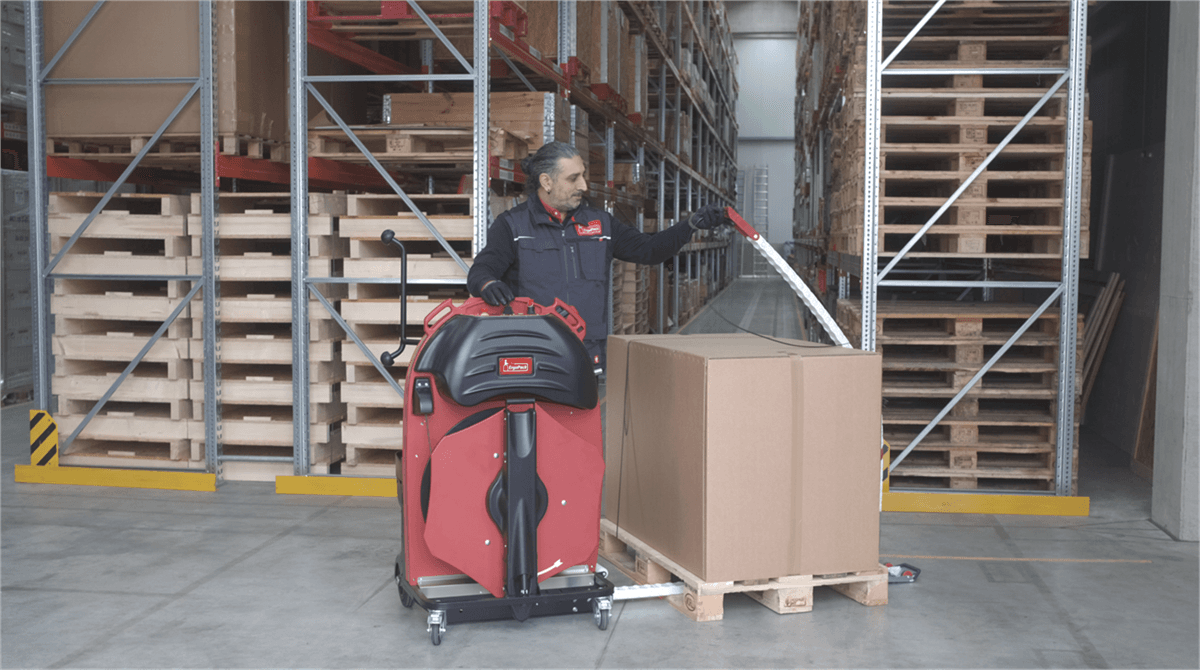
Every year, Indian export shipments are held, fumigated at the exporter's cost, or refused at a foreign port for one avoidable reason: the wooden pallet under the cargo was not ISPM-15 compliant. If you export on wood, this is the standard you cannot ignore.
What is ISPM-15?
ISPM-15 (International Standard for Phytosanitary Measures No. 15) is an international rule from the IPPC that governs wood packaging material used in international trade. Its purpose is to stop pests and pathogens — insects, fungi — from travelling between countries inside untreated wood. To do that, it requires that qualifying wood be treated and marked before it crosses a border.
What ISPM-15 applies to
It applies to solid wood packaging thicker than 6 mm, including:
- Wooden pallets
- Wooden crates and boxes
- Dunnage (the loose wood used to brace cargo)
- Skids and wooden spools
It does not apply to processed wood products like plywood, OSB or pressed/engineered wood, because the manufacturing process already destroys pests — and it does not apply to plastic or metal pallets at all.
What ISPM-15 requires
Qualifying wood must be:
- Debarked, then
- Treated by one of the approved methods, then
- Marked with the compliance stamp.
The approved treatments
- HT — Heat Treatment: the wood core is heated to a minimum of 56°C for at least 30 minutes. This is by far the most common method.
- MB — Methyl Bromide fumigation: a chemical fumigation, now restricted or banned in many countries for environmental reasons.
The ISPM-15 stamp (the "wheat stamp")
Compliant wood carries a stamp — often called the wheat stamp — that proves treatment. It must be framed, clearly legible, and applied on at least two opposing sides of the item. It contains:
| Element | Meaning |
|---|---|
| IPPC logo | The international compliance symbol (resembles a wheat ear) |
| Country code | e.g. IN for India |
| Facility code | The unique registered treatment facility number |
| Treatment code | HT (heat treatment) or MB (methyl bromide) |
If the stamp is missing, illegible, or only on one side, the shipment can be treated as non-compliant.
What happens if you are not compliant
At the destination port, non-compliant wood packaging can lead to the shipment being held, fumigated at your cost, returned, or destroyed — plus delays and storage charges. The cost and the missed delivery window almost always exceed the cost of compliant pallets.
How to stay compliant — or skip it entirely
- Buy ISPM-15 certified wooden pallets and crates from a registered treatment facility, and confirm the stamp is present on two sides before loading.
- Use heat-treated (HT) wood rather than methyl bromide, which is increasingly restricted.
- Or avoid wood altogether: plastic pallets are outside the scope of ISPM-15 — no treatment, no stamp, no risk of a wood-related hold. For high-volume or moisture-sensitive exporters, plastic pallets remove this entire category of problem (see standard pallet sizes in India for the wood-vs-plastic trade-off).
The securing side of compliance
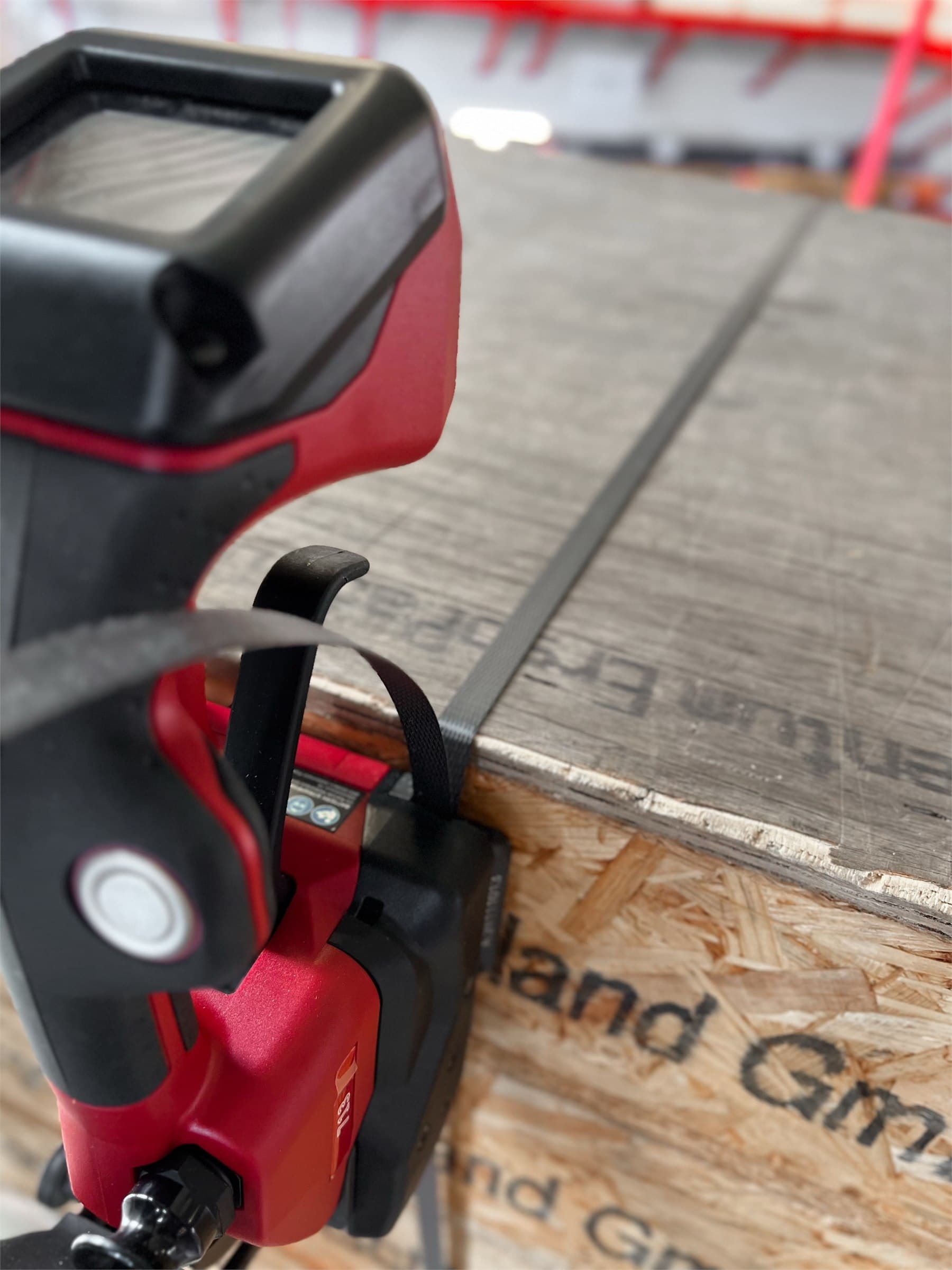
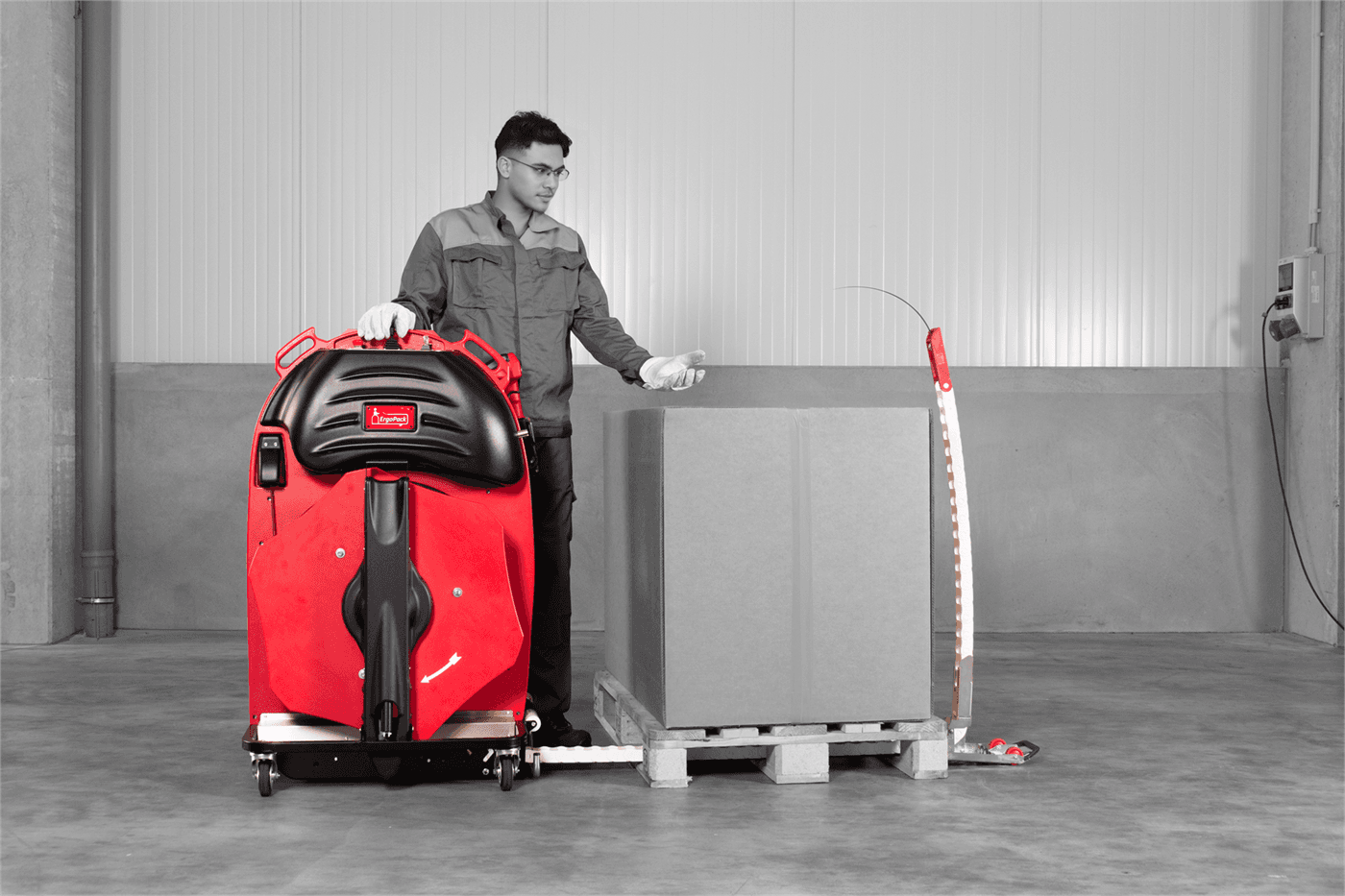
ISPM-15 covers the wood. It says nothing about how well the load is held together — and a compliant pallet with a poorly secured load still arrives damaged. Pair compliant pallets with rust-proof PET strapping at consistent tension so the unit survives the voyage as well as the inspection. A calibrated machine such as the ErgoPack 726X, GO or 700 applies that tension repeatably on every pallet.
ISPM-15 quick checklist
- Wood packaging is >6 mm solid wood (plastic/metal/plywood exempt)
- Debarked and heat-treated (HT, 56°C / 30 min) by a registered facility
- Wheat stamp present, framed, legible, on two opposing sides
- Country code, facility code and HT/MB code all readable
- Dunnage is also compliant — it is frequently the thing that fails
- Considered plastic pallets to remove the requirement entirely
Get the wood right and your export clears phytosanitary inspection. Get the strapping right and it arrives intact. You need both.
Talk to a pallet strapping engineer
BENZ Packaging and ErgoPack India engineers support installations and service anywhere in India. Tell us your pallet setup and we’ll recommend the right machine — and send pricing.
Related Reading
Continue with the next guide
guides
PP vs PET Strapping: Which Should You Use, and When?
PP and PET strap suit very different loads. A clear guide to when polypropylene is enough and when polyester is essential — by load weight, settling, and export exposure.

guides
Strapping Machine AMC, Spares and Uptime: What to Check Before You Buy
A strapping machine is only as good as its uptime. What to check on service, spare parts and AMC before you buy — so the machine that saves you ₹25 lakh a year actually keeps running.
guides
Pallet Strapping Machine Buying Checklist: 10 Questions Before You Decide
Before you buy a pallet strapping machine, run through these ten questions. They cover loads, volume, power, tension, service and ROI — so you choose the right machine, not just the cheapest.