guides
How to Reduce Shipping Damage: A Practical Checklist for Indian Shippers
Shipping damage is mostly preventable. A practical guide to the real causes — load shift, weak packaging, poor securing — and the steps that cut damage rates and rejected deliveries.
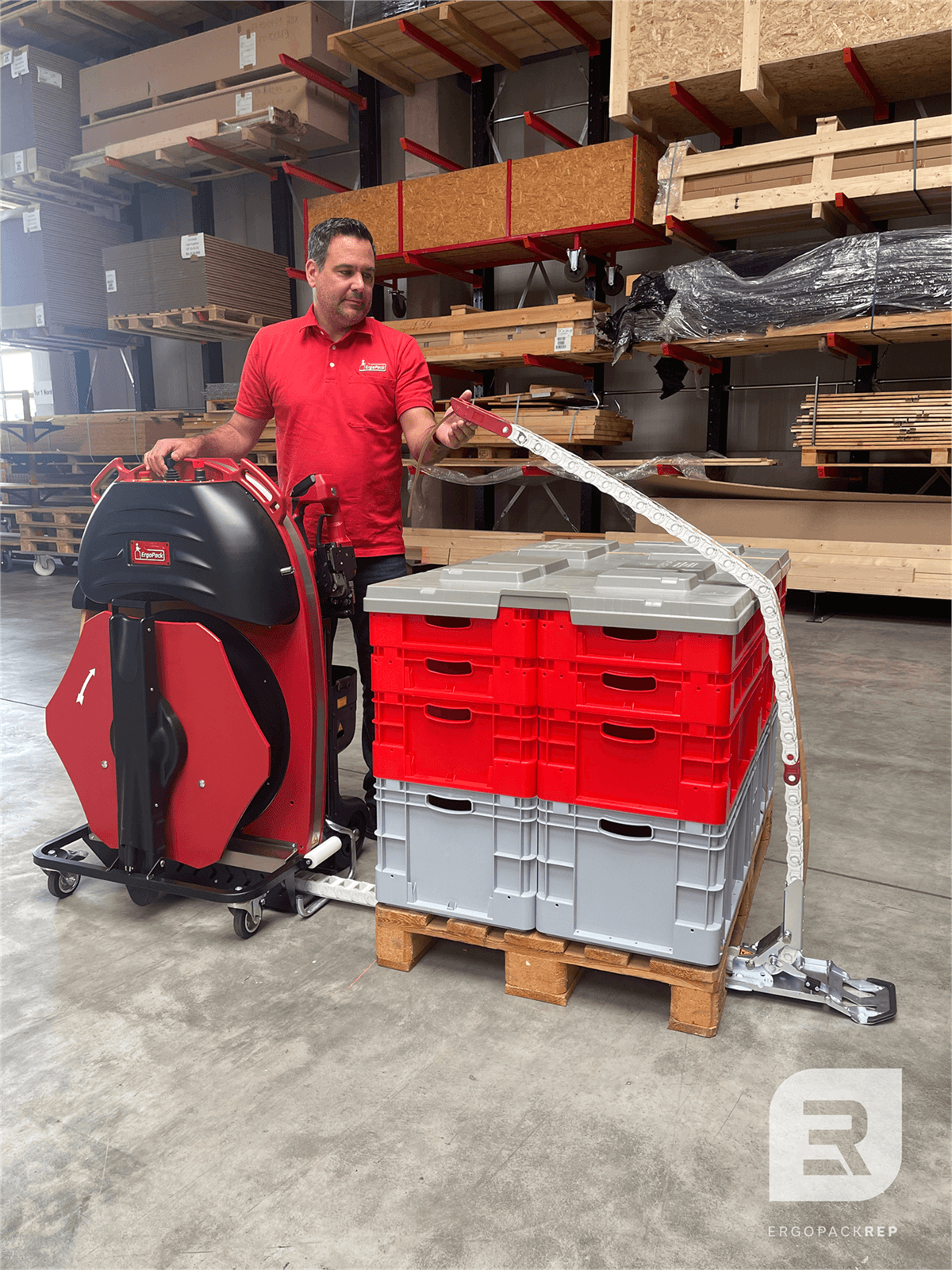
Shipping damage feels like bad luck, but most of it is predictable and preventable. The same handful of causes account for the majority of claims — and each one has a fix. Here is the practical checklist to cut your damage rate.
What actually causes shipping damage
Damage is rarely one dramatic event. It is the accumulation of forces over a journey, acting on a load that was not built to resist them:
- Load shift — the single biggest cause: cargo that moves on the pallet vibrates, slides and topples.
- Weak or under-filled packaging — boxes crush because they were not full or not strong enough.
- Poor stacking — overhang, pyramids and uneven weight create unstable loads.
- Inadequate securing — wrapping without strapping, or inconsistent hand tension.
- Moisture — rust and mould from humidity and condensation.
- Rough handling — drops and forklift impacts, amplified by everything above.
The steps that cut damage
1. Build a strong base load
Full, well-taped cartons; heaviest at the bottom; column-stacked; square to the pallet with no overhang. A strong stack resists everything that comes later — see how to pack a pallet for shipping.
2. Secure the load to the pallet — properly
This is where most damage is prevented or caused. The load must be anchored to the pallet as one rigid unit:
- Strap the load to the pallet base — vertical strapping resists the shift that wrapping alone cannot.
- Apply consistent tension on every pallet. Hand tension drifts; the loosest pallet in a batch is the one that fails. Calibrated machines such as the ErgoPack 726X, GO and 700 apply repeatable tension up to 2,500N on every load.
- Use PET strap for heavy/export loads — it absorbs shock and resists rust. See reduce pallet transit damage.
3. Protect the edges and fill the voids
Edge protectors stop straps crushing corners (edge protectors); dunnage fills the space cargo could move into (dunnage types).
4. Manage moisture
Desiccants and PET (not steel) for sea freight; manage container condensation.
5. Label and document for handling
Clear labels on all four sides, handling/orientation marks, and accurate documentation reduce mishandling.
The damage-reduction checklist
- Cartons full, strong, well-taped
- Column-stacked, heaviest low, no overhang
- Load strapped to the pallet base (not wrapped only)
- Consistent, calibrated tension on every pallet
- PET strap for heavy/export; edge protectors on compressible loads
- Voids filled with dunnage
- Moisture managed (desiccant, PET, dry pallets)
- Labels on four sides; handling marks; documents attached
The highest-leverage fix
If you change one thing, make it consistent securing. Load shift is the largest single cause of damage, and inconsistent hand tension is the largest single cause of load shift. Removing that variation — every pallet strapped to its base at the same, calibrated tension — eliminates the failure mode that drives most claims. The full financial case for that is in the ROI calculator.
Cut the causes one by one, fix the securing first, and your damage rate — and your rejected deliveries — drop with it.
Talk to a pallet strapping engineer
BENZ Packaging and ErgoPack India engineers support installations and service anywhere in India. Tell us your pallet setup and we’ll recommend the right machine — and send pricing.
Related Reading
Continue with the next guide
guides
PP vs PET Strapping: Which Should You Use, and When?
PP and PET strap suit very different loads. A clear guide to when polypropylene is enough and when polyester is essential — by load weight, settling, and export exposure.

guides
Strapping Machine AMC, Spares and Uptime: What to Check Before You Buy
A strapping machine is only as good as its uptime. What to check on service, spare parts and AMC before you buy — so the machine that saves you ₹25 lakh a year actually keeps running.
guides
Pallet Strapping Machine Buying Checklist: 10 Questions Before You Decide
Before you buy a pallet strapping machine, run through these ten questions. They cover loads, volume, power, tension, service and ROI — so you choose the right machine, not just the cheapest.