guides
How to Pack a Pallet for Shipping: The Complete 2026 Guide (India & Export)
A step-by-step guide to packing a pallet that survives Indian road and sea freight — pallet choice, stacking, weight limits, securing with strapping vs wrapping, and the mistakes that cause rejected shipments.
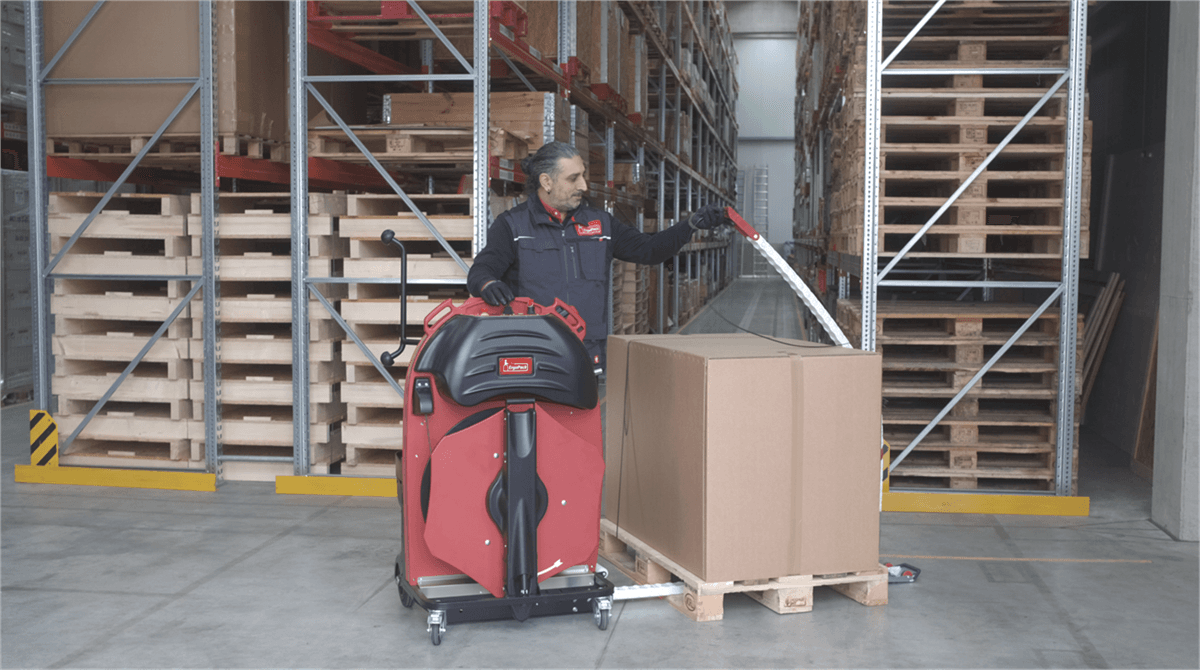
A badly packed pallet does not fail in your warehouse. It fails three days later, on a truck to Mumbai or in a container to Hamburg — and by then it is a damage claim, a re-ship, and a customer reading your name twice before they re-order.
Packing a pallet well is not complicated, but it is precise. This guide walks through every step the way it actually matters for Indian dispatch floors and exporters: which pallet to choose, how to stack so the load carries its own weight, the weight and height limits that keep it stable, and — the step most guides rush — how to secure the load so it does not shift in transit.
The 7 steps to pack a pallet properly
- Choose the right pallet for the load and the journey.
- Pack each carton so it is full and square.
- Stack in columns, heaviest at the bottom.
- Stay inside the weight and height limits.
- Add edge protection on the corners.
- Secure the load — strap it to the pallet, then wrap for protection.
- Label all four sides and document the shipment.
The rest of this guide takes each step in turn, with the numbers you need.
Step 1 — Choose the right pallet
The pallet is the foundation. Get it wrong and nothing above it stays stable.
- Size: The most common standard is 1200 × 1000 mm (and the 1200 × 800 mm EUR pallet). Match the pallet to your carton footprint so boxes sit fully on the deck with no overhang.
- Material: Wooden pallets are strong, repairable and cheap, but for export by sea they must be ISPM-15 heat-treated and stamped or the shipment can be refused at the destination port. Plastic pallets resist moisture and need no treatment — useful for pharma, food and humid routes — but cost more.
- Condition: A cracked stringer or a missing deck board is a failure waiting to happen. Inspect before you load.
Rule of thumb: if it is leaving the country by sea, confirm ISPM-15 compliance before anything goes on the pallet.
Step 2 — Pack each carton full and square
A pallet is only as strong as the boxes holding it up.
- Fill every carton completely. Void space lets a box crush under the one above it, and one crushed box collapses the column.
- Use the right board grade for the weight. Fill gaps with dunnage, not air.
- Tape cartons firmly so they hold their shape under compression.
Step 3 — Stack in columns, heaviest at the bottom
How you stack decides how much weight the load can carry.
- Column-stack wherever possible: boxes directly on top of each other, corners aligned. Column stacking can retain far more top-to-bottom compression strength than interlocked (brick) stacking, because the corners — the strongest part of a box — carry the load.
- Put the heaviest, sturdiest items on the bottom and lighter items on top.
- Keep the load square to the pallet edges with no overhang. A box that hangs over the edge loses most of its strength and is the first thing a forklift or a neighbouring pallet damages.
Step 4 — Respect weight and height limits
- Weight: A standard pallet typically carries up to ~1,000–1,500 kg depending on type and condition; confirm the rating for your pallet and never exceed it.
- Height: Keep total pallet height stable and within your carrier's limit (commonly around 1.8–2.2 m for road freight). A tall, narrow load has a high centre of gravity and tips.
- Distribute weight evenly across the deck so the load does not lean.
Step 5 — Protect the corners
Edge (corner) boards do two jobs: they stop the strap or film from cutting into the top cartons, and they tie the stack together vertically so it behaves as one unit. On any load that is strapped, edge protectors let you apply proper tension without crushing the product.
Step 6 — Secure the load (the step that decides whether it arrives intact)
This is where most pallets are won or lost, and where most guides stop at "add a couple of straps and some wrap." The two methods do different jobs:
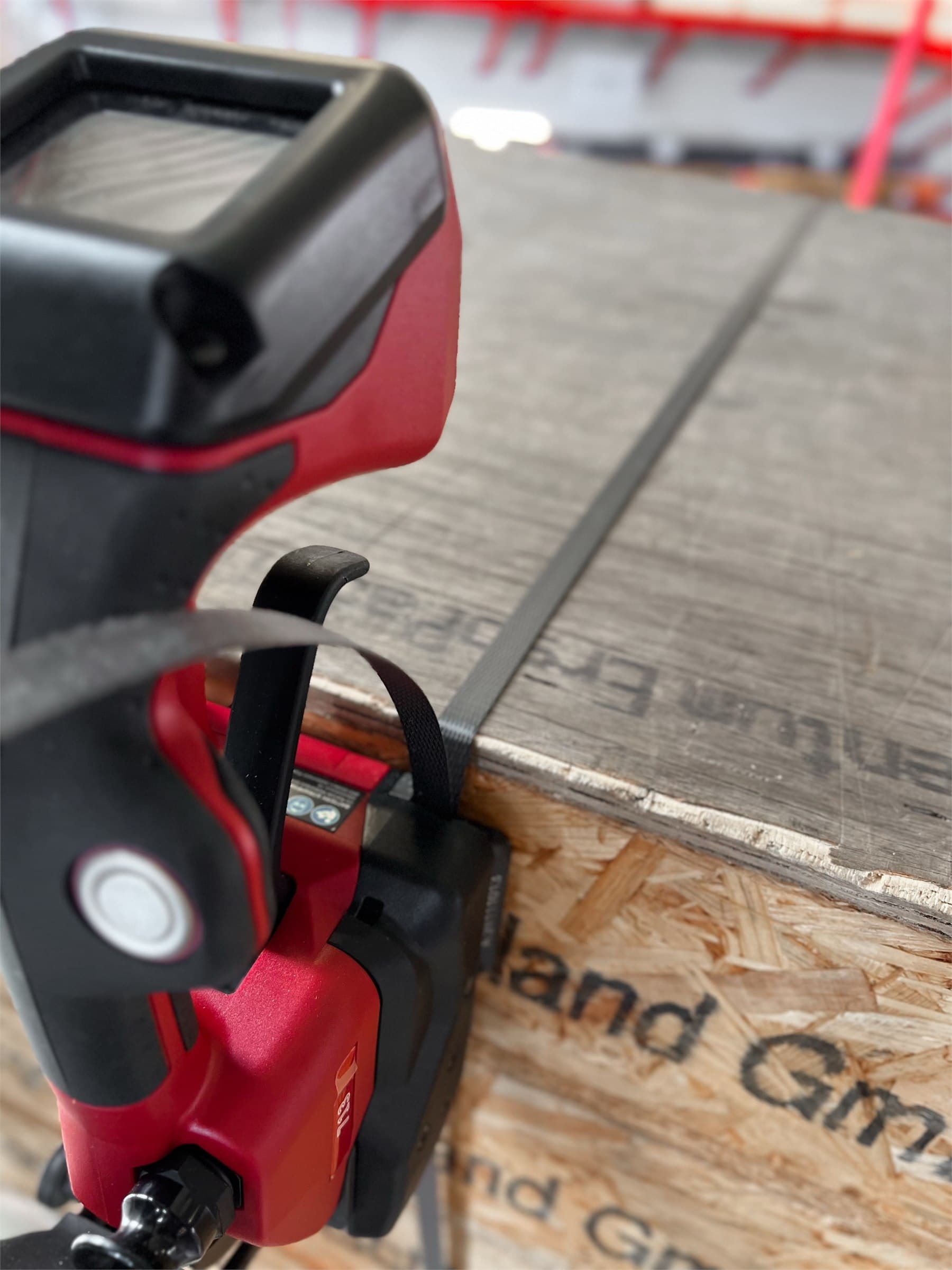
- Strapping ties the load down to the pallet. Tensioned PP or PET strap, passed under the pallet deck and over the load, anchors the cargo to the base so it cannot shift, slide or topple. This is the securing.
- Stretch wrapping binds the boxes to each other and adds a dust and moisture barrier. This is the protection. Wrapping alone does not anchor the load to the pallet, so on its own it lets the whole stack slide off as a unit under vibration.
For medium and heavy loads, you want both: strap first to secure, then wrap to protect.
Getting the strapping right
The single biggest cause of in-transit load shift is inconsistent tension. A strap applied by hand is tight on the first pallet and looser by the afternoon, and the weakest pallet in the batch is the one that fails. The fixes:
- Apply at least two vertical straps, passed under the pallet deck and over the load.
- Use PET strap for heavy and export loads — it absorbs shock and recovers tension as the load settles, where rigid steel snaps and rusts.
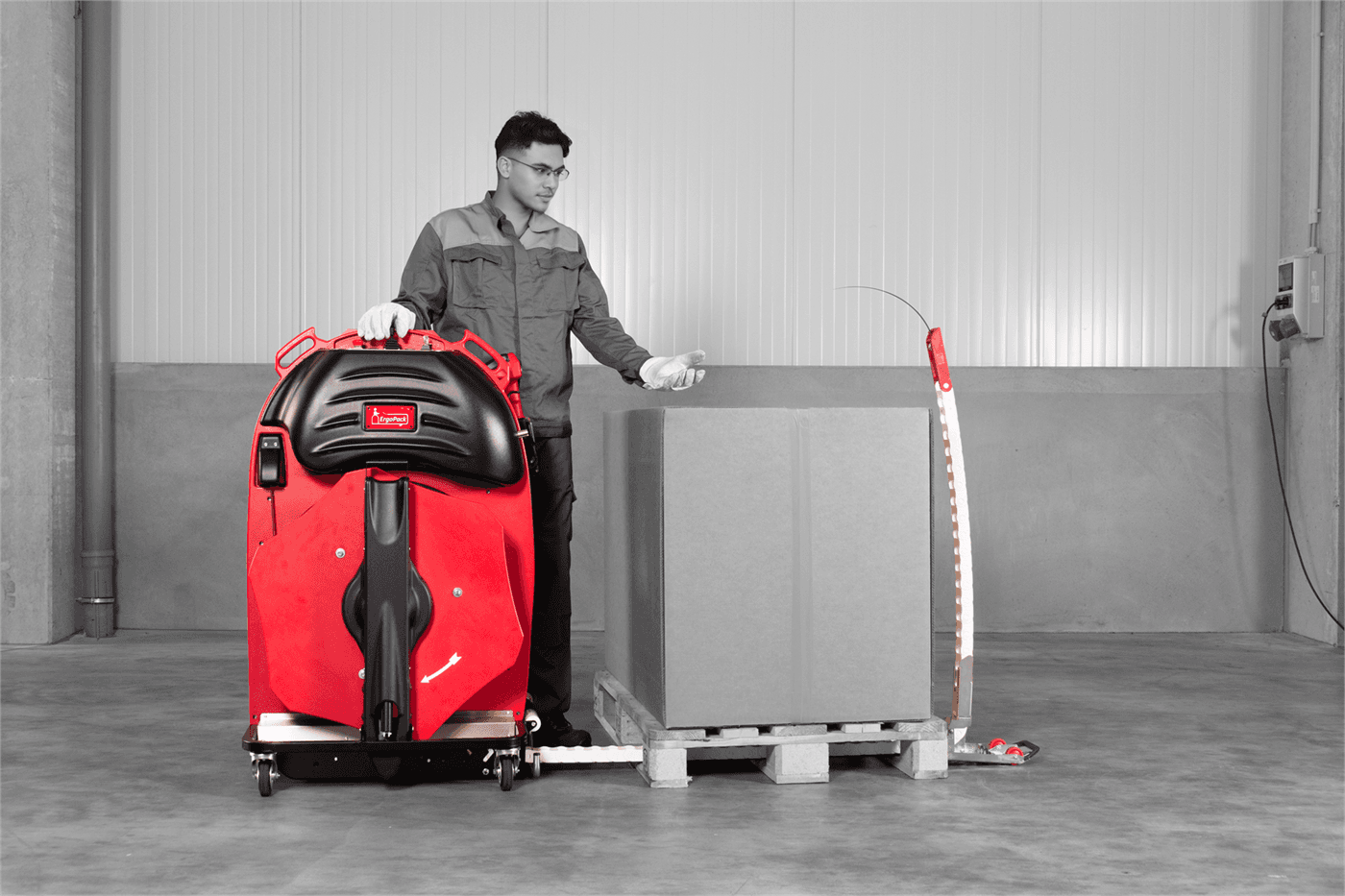
- Apply consistent, repeatable tension on every pallet. A machine that calibrates tension digitally removes the human variation entirely — for example, mobile ChainLance systems such as the ErgoPack 726X apply a set tension up to 2,500N and route the strap under the pallet automatically, so pallet #1 and pallet #400 are identical. For operations using their own sealing tools, the ErgoPack GO and the manual-crank ErgoPack 700 automate the strap routing while you finish the seal.
If you want the full comparison of why strapping beats wrapping for stability and cost, see our guide on pallet strapping vs stretch wrapping, and for material choice, PP vs PET vs steel strapping.
Step 7 — Label and document
- Place shipping labels on all four sides so the pallet is readable from any angle.
- Include shipper and receiver name, address and phone.
- Label individual cartons too, in case they are separated.
- Keep the packing list and any export documents accessible.
Common pallet-packing mistakes that cause rejected shipments
- Overhang: boxes hanging over the pallet edge lose strength and get crushed first.
- Pyramid stacking: a load narrower at the top has nothing holding the upper boxes — they shift and fall.
- Wrap without strap: stretch film alone does not anchor the load to the pallet.
- Inconsistent hand tension: the loose pallet in the batch is the one that arrives damaged.
- Steel strap on export sea freight: it rusts, stains the cargo and snaps under shock — use PET.
- Skipping ISPM-15: untreated wood pallets get shipments refused at the destination port.
Quick pallet-packing checklist
- Right pallet, sound condition, ISPM-15 if exporting
- Cartons full, square, well-taped
- Column-stacked, heaviest on the bottom, no overhang
- Inside weight and height limits, weight evenly spread
- Corner boards in place
- At least two vertical straps at consistent tension (PET for heavy/export)
- Stretch wrap over the strapping for dust and moisture
- Labels on all four sides, documents attached
Pack to this standard and the pallet that leaves your floor is the pallet that arrives — intact, on time, and without a claim.
Talk to a pallet strapping engineer
BENZ Packaging and ErgoPack India engineers support installations and service anywhere in India. Tell us your pallet setup and we’ll recommend the right machine — and send pricing.
Related Reading
Continue with the next guide
guides
PP vs PET Strapping: Which Should You Use, and When?
PP and PET strap suit very different loads. A clear guide to when polypropylene is enough and when polyester is essential — by load weight, settling, and export exposure.

guides
Strapping Machine AMC, Spares and Uptime: What to Check Before You Buy
A strapping machine is only as good as its uptime. What to check on service, spare parts and AMC before you buy — so the machine that saves you ₹25 lakh a year actually keeps running.
guides
Pallet Strapping Machine Buying Checklist: 10 Questions Before You Decide
Before you buy a pallet strapping machine, run through these ten questions. They cover loads, volume, power, tension, service and ROI — so you choose the right machine, not just the cheapest.