guides
What Is Strapping? Types, Materials and How It Secures a Load
Strapping (banding) is how loads are bound and secured for transport. What strapping is, the materials (PP, PET, steel), how it’s applied and sealed, and what it’s used for.
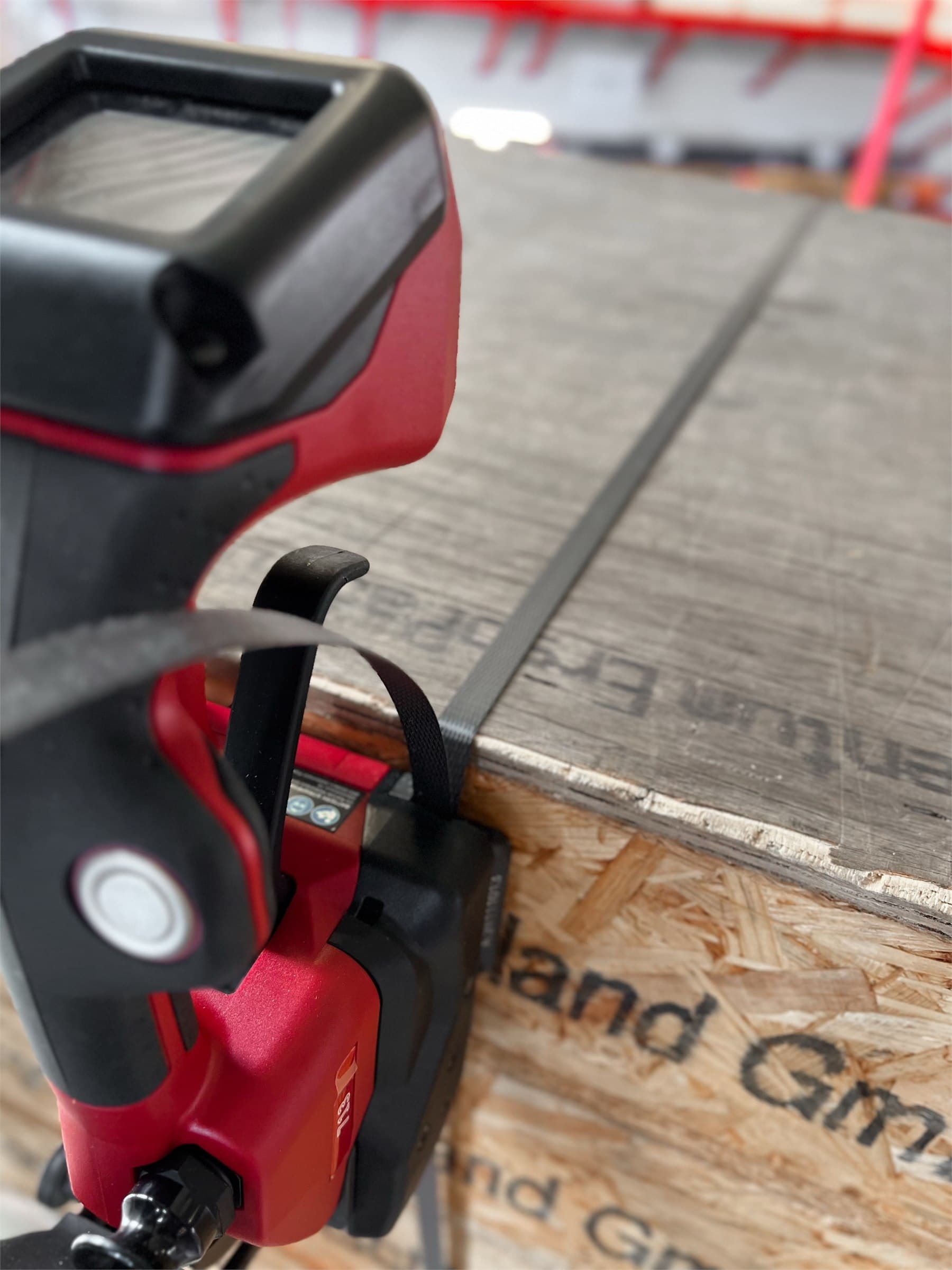
Strapping is one of the oldest and most important jobs in packaging, and one of the least understood. If you have ever seen a band around a box, a bundle or a pallet, that is strapping doing its job. Here is the complete, plain answer to what strapping is and how it works.
What is strapping?
Strapping (also called banding or bundling) is the process of applying a tensioned band around a product, bundle or pallet to hold it together and secure it for handling, storage and transport. The band is tensioned tight, then joined into a loop — by a seal, a weld or a clip — so it holds the load firmly. It is the simplest, strongest way to unitise and anchor a load.
What strapping is used for
- Bundling — holding loose items together (pipes, boards, cartons).
- Unitising — binding a stack of boxes into one unit.
- Securing to a pallet — anchoring a load down to the pallet base so it cannot shift in transit.
- Reinforcing — closing and reinforcing heavy boxes and crates.
- Compression — containing compressed loads like bales.
Strapping materials
The three main materials suit different loads:
| Material | Best for | Key trait |
|---|---|---|
| Polypropylene (PP) | Light bundling, light loads (to ~200 kg) | Cheapest; high stretch, low retained tension |
| Polyester (PET) | Heavy and export loads (to ~2,000 kg) | Absorbs shock, recovers tension, no rust |
| Steel | Very heavy/sharp loads (5,000 kg+) | Highest strength; rigid, rusts, sharp |
For most modern palletised and export loads, PET is the material of choice — see PP vs PET vs steel strapping and what is PET strapping.
How strapping is applied and sealed
- Tension — the strap is tightened around the load. Too little and the load shifts; too much and it crushes. Consistent, correct tension is everything (see the strapping tension guide).
- Seal the joint — the loop is closed by:
- Friction weld (sealless) — the strap is fused to itself, holding up to ~90% of its strength with no extra hardware (the modern standard).
- Metal clip — a crimped seal, ~60% efficiency, a recurring cost and a failure point.
Manual, tool, or machine?
- By hand tool — manual, battery or pneumatic tools tension and seal, but the operator still routes the strap (see strapping tools comparison).
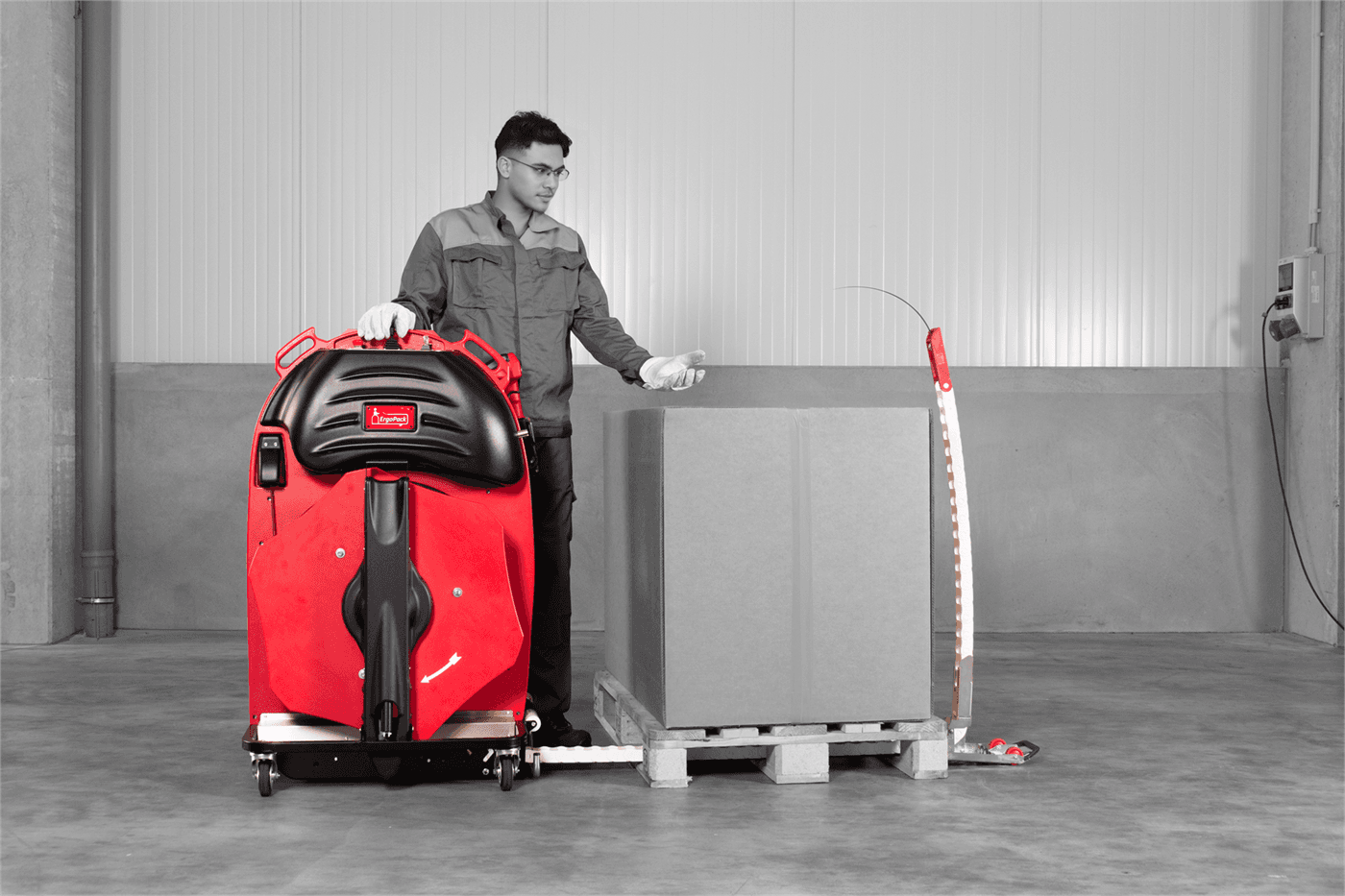
- By machine — semi-automatic, automatic inline, or mobile ChainLance machines that route the strap under the pallet automatically. The ErgoPack 726X, GO and 700 are mobile machines that strap a pallet in under 40 seconds (see types of pallet strapping machines).
In short
Strapping is the tensioned band that binds and secures a load — bundling loose items, unitising stacks, and anchoring loads to pallets. Choose the right material (usually PET), apply consistent tension, and seal it without metal clips, and strapping is the most reliable, lowest-cost way to make sure a load arrives the way it left.
Talk to a pallet strapping engineer
BENZ Packaging and ErgoPack India engineers support installations and service anywhere in India. Tell us your pallet setup and we’ll recommend the right machine — and send pricing.
Related Reading
Continue with the next guide
guides
PP vs PET Strapping: Which Should You Use, and When?
PP and PET strap suit very different loads. A clear guide to when polypropylene is enough and when polyester is essential — by load weight, settling, and export exposure.
guides
Strapping Machine AMC, Spares and Uptime: What to Check Before You Buy
A strapping machine is only as good as its uptime. What to check on service, spare parts and AMC before you buy — so the machine that saves you ₹25 lakh a year actually keeps running.
guides
Pallet Strapping Machine Buying Checklist: 10 Questions Before You Decide
Before you buy a pallet strapping machine, run through these ten questions. They cover loads, volume, power, tension, service and ROI — so you choose the right machine, not just the cheapest.