guides
What Is PET Strapping? Specifications, Uses & Why It Replaces Steel (2026)
PET (polyester) strapping explained — what it is, its specifications, how it compares to PP and steel, why exporters use it instead of steel, and how to apply it correctly.
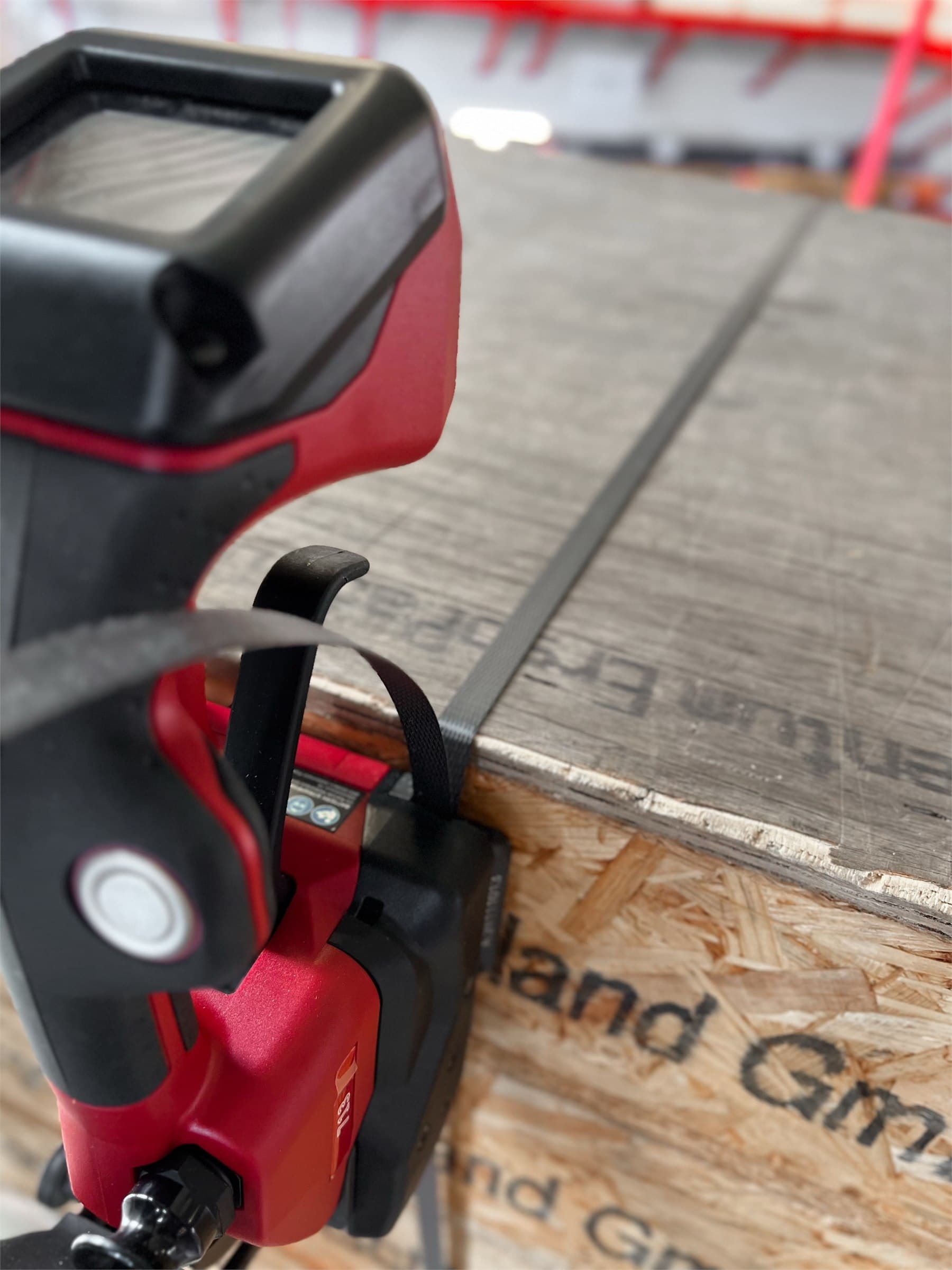
PET strapping is the strap most Indian exporters should be using and many still are not — because steel is a habit and PP is "what we always order." This is what PET actually is, where it wins, and when it does not.
What is PET strapping?
PET strapping is a high-tensile plastic strap made from polyethylene terephthalate, the same engineering thermoplastic used in strong bottles and films. It is today the leading global alternative to steel strapping for securing medium and heavy loads, because it combines high break strength with something steel does not have: the ability to stretch slightly, absorb shock, and recover its tension.
PET strapping specifications
- High tensile / break strength — far above PP, approaching steel for many palletised loads.
- Low elongation with recovery — its elongation is roughly a sixth of PP's, so it holds tight tension over long transit, yet it still stretches enough to absorb shock instead of snapping.
- Temperature stable — melting point around 260°C; stays dimensionally stable in normal transit and storage temperatures.
- UV and moisture resistant — does not rust, does not corrode, holds up to sun and humidity.
- Material efficient — PET gives roughly four times the linear footage of steel for the same weight, translating into a 30–50% reduction in raw-material spend versus steel.
PET vs PP vs steel — at a glance
| Property | PP (polypropylene) | PET (polyester) | Steel |
|---|---|---|---|
| Typical load | Light, up to ~200 kg | Heavy, up to ~2,000 kg | Very heavy, 5,000 kg+ |
| Break strength | Low | High | Highest |
| Elongation / recovery | High stretch, poor recovery | Stretches & recovers tension | None (rigid) |
| Shock behaviour | Loosens | Absorbs impact | Snaps |
| Rust risk | None | None | High |
| Safety | Safe | Safe | Sharp edges — hazard |
| Cost | Lowest | Mid | Highest (plus seals) |
For the full breakdown, see PP vs PET vs steel strapping.
Why exporters switch from steel to PET
Steel has the highest static strength, but transit is dynamic, not static:
- Shock: a sudden drop or maritime jolt snaps rigid steel; PET elongates and absorbs it.
- Settling: as corrugated, textile and food loads settle and lose height in transit, steel goes slack while PET recovers tension and stays tight.
- Rust: steel corrodes in ocean humidity and stains cargo; PET is moisture-proof — critical for pharma, FMCG and automotive exports.
- Safety & cost: steel's cut edges injure operators, and steel plus crimp seals costs more per metre than PET.
When PP is still the right choice
PET is not always the answer. For light cartons and bundling up to about 200 kg, PP is cheaper and entirely adequate. Use PP for light unitising; step up to PET when the load is heavy, dense, or going on a long or export journey.
How to apply PET strapping correctly
PET only delivers its benefits if it is tensioned consistently and sealed without metal clips:
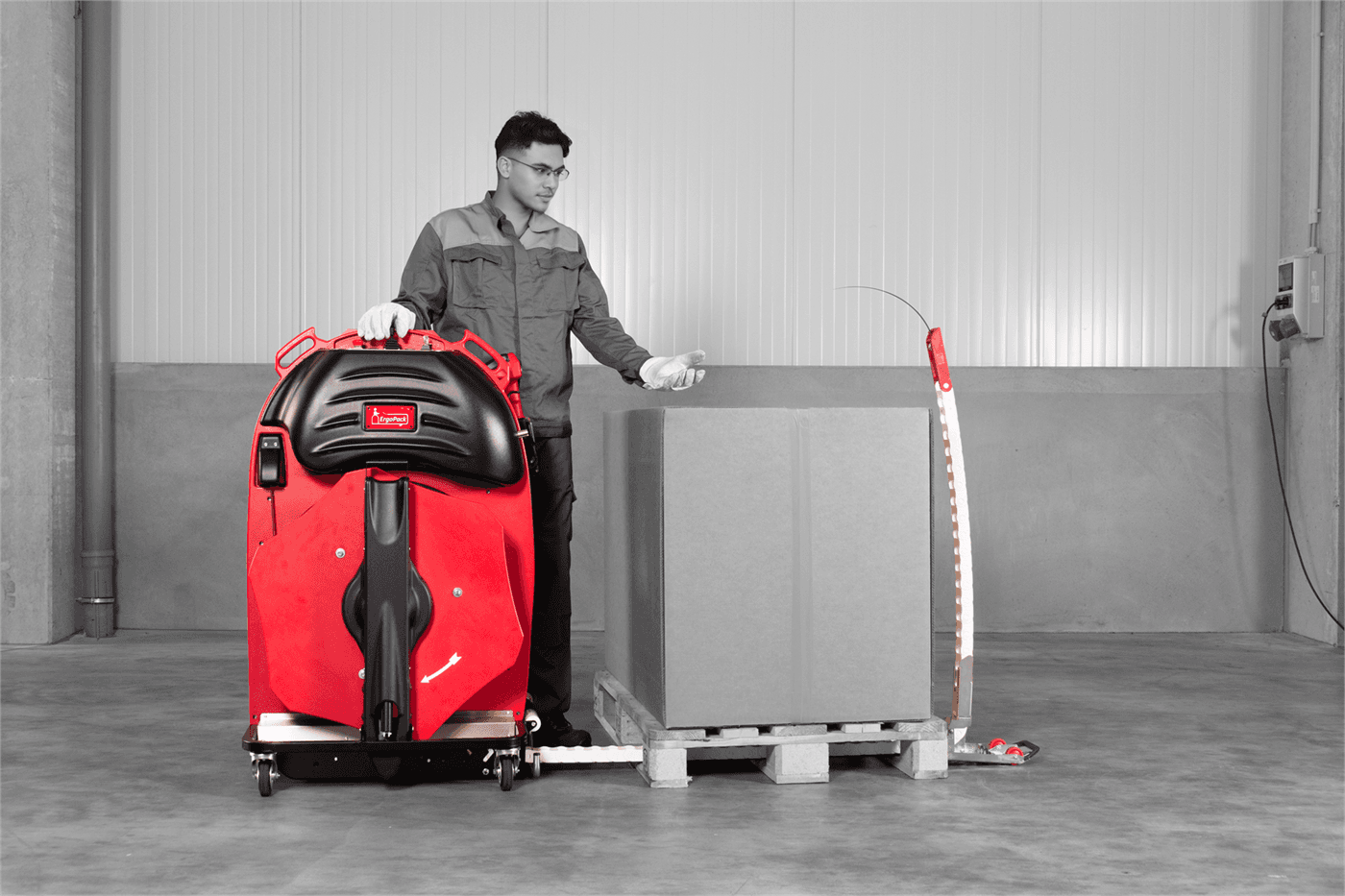
- Tension: apply a repeatable, calibrated tension on every pallet. Hand tension drifts across a shift; a machine that sets tension digitally does not. Mobile systems such as the ErgoPack 726X apply 400–2,500N digitally and run PET (and PP) at 12–16 mm width.
- Seal: use a sealless friction weld, which fuses the PET strap to itself at up to 90% joint efficiency — stronger than a crimped metal clip (~60%) and with no consumable seal to buy. The ErgoPack GO and 700 route the strap and let you finish with your own PET friction-weld or battery tool.
Applied this way, PET strap on a calibrated machine is the most reliable, lowest-rust, lowest-recurring-cost way to secure heavy and export loads — which is exactly why it is steadily replacing steel on Indian dispatch floors.
Talk to a pallet strapping engineer
BENZ Packaging and ErgoPack India engineers support installations and service anywhere in India. Tell us your pallet setup and we’ll recommend the right machine — and send pricing.
Related Reading
Continue with the next guide
guides
PP vs PET Strapping: Which Should You Use, and When?
PP and PET strap suit very different loads. A clear guide to when polypropylene is enough and when polyester is essential — by load weight, settling, and export exposure.

guides
Strapping Machine AMC, Spares and Uptime: What to Check Before You Buy
A strapping machine is only as good as its uptime. What to check on service, spare parts and AMC before you buy — so the machine that saves you ₹25 lakh a year actually keeps running.
guides
Pallet Strapping Machine Buying Checklist: 10 Questions Before You Decide
Before you buy a pallet strapping machine, run through these ten questions. They cover loads, volume, power, tension, service and ROI — so you choose the right machine, not just the cheapest.