guides
What Is a Pallet? Definition, Types, Sizes and Uses Explained
A pallet is the flat platform that moves the world’s goods. What a pallet is, the types and materials, standard sizes, load capacity, and how loads are secured to it.
Almost everything you buy spent part of its journey on a pallet. It is the most basic, most overlooked unit in the supply chain — and getting it right (and securing the load on it) is what keeps goods moving and intact. Here is the complete, plain answer.
What is a pallet?
A pallet is a flat, rigid platform used as a base to handle, store and transport goods as a single unit. Its key feature is the gap underneath that lets a forklift or pallet jack lift and move it. By stacking goods on a pallet, an entire load can be moved, stored and shipped in one action instead of box by box — the foundation of modern logistics.
Pallet vs skid
- A pallet has a top deck and a bottom deck (boards top and bottom).
- A skid has only a top deck — no bottom boards. Skids are simpler but less stable for stacking.
Types of pallets
By structure:
- Stringer pallets — boards (stringers) between the decks; usually 2-way forklift entry.
- Block pallets — solid corner/centre blocks; full 4-way entry, stronger.
By material:
| Material | Strengths | Notes |
|---|---|---|
| Wood | Strong, cheap, repairable | ~3–5 yr life; ISPM-15 for export |
| Plastic | Hygienic, moisture-proof, long life | Higher cost; no ISPM-15 needed |
| Metal | Highest capacity, very durable | Heavy, expensive |
| Cardboard / pressed | Light, nestable, export-friendly | Lower load rating |
(For the full breakdown, see types of pallets explained.)
Standard pallet sizes
Pallets vary by region:
- Euro pallet: 1200 × 800 mm
- ISO / standard: 1200 × 1000 mm
- North American (GMA): 48 × 40 in (≈1219 × 1016 mm)
- Asia-Pacific: 1100 × 1100 mm
India commonly uses the Euro (1200×800), standard (1200×1000), export (1100×1100) and big (1200×1200) sizes — see standard pallet sizes in India.
Load capacity
A standard wooden pallet typically carries up to ~1,000–1,500 kg depending on type and condition; heavy-duty plastic and metal pallets carry more. Always match the pallet's rated capacity to your heaviest load and never exceed it.
What pallets are used for
- Handling — one forklift move instead of many manual lifts.
- Storage — compatible with warehouse racking; better space use.
- Transport — a stable unit load for trucks and containers.
- Protection — keeps goods off the floor and, when secured, intact in transit.
The other half: securing the load to the pallet
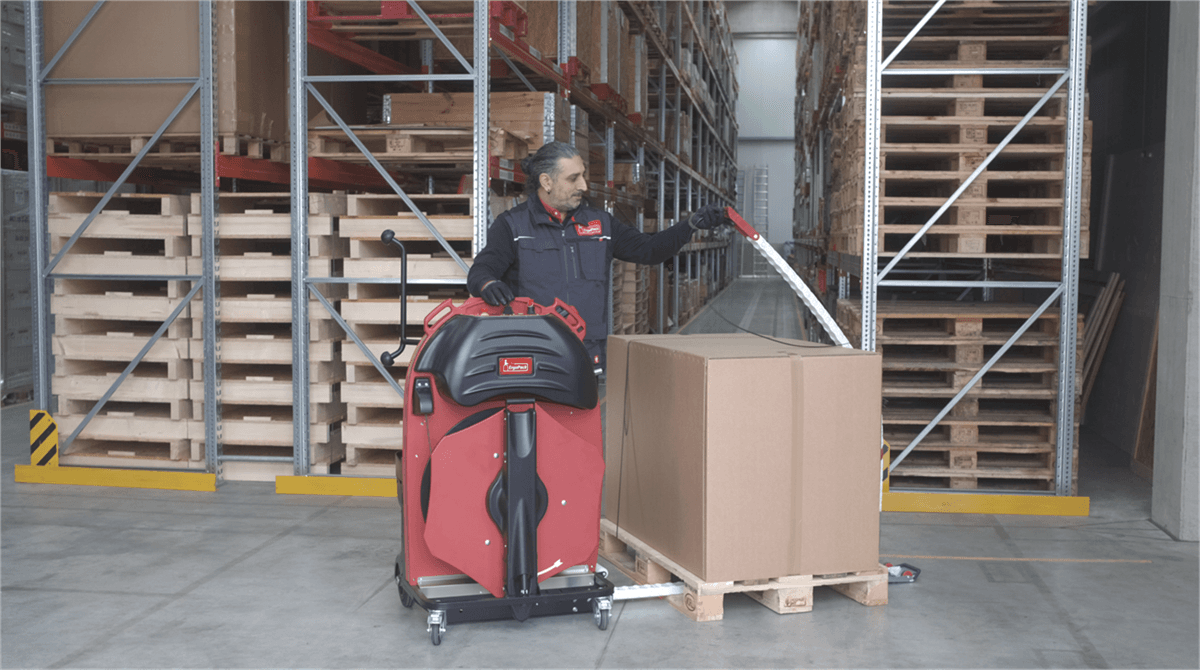
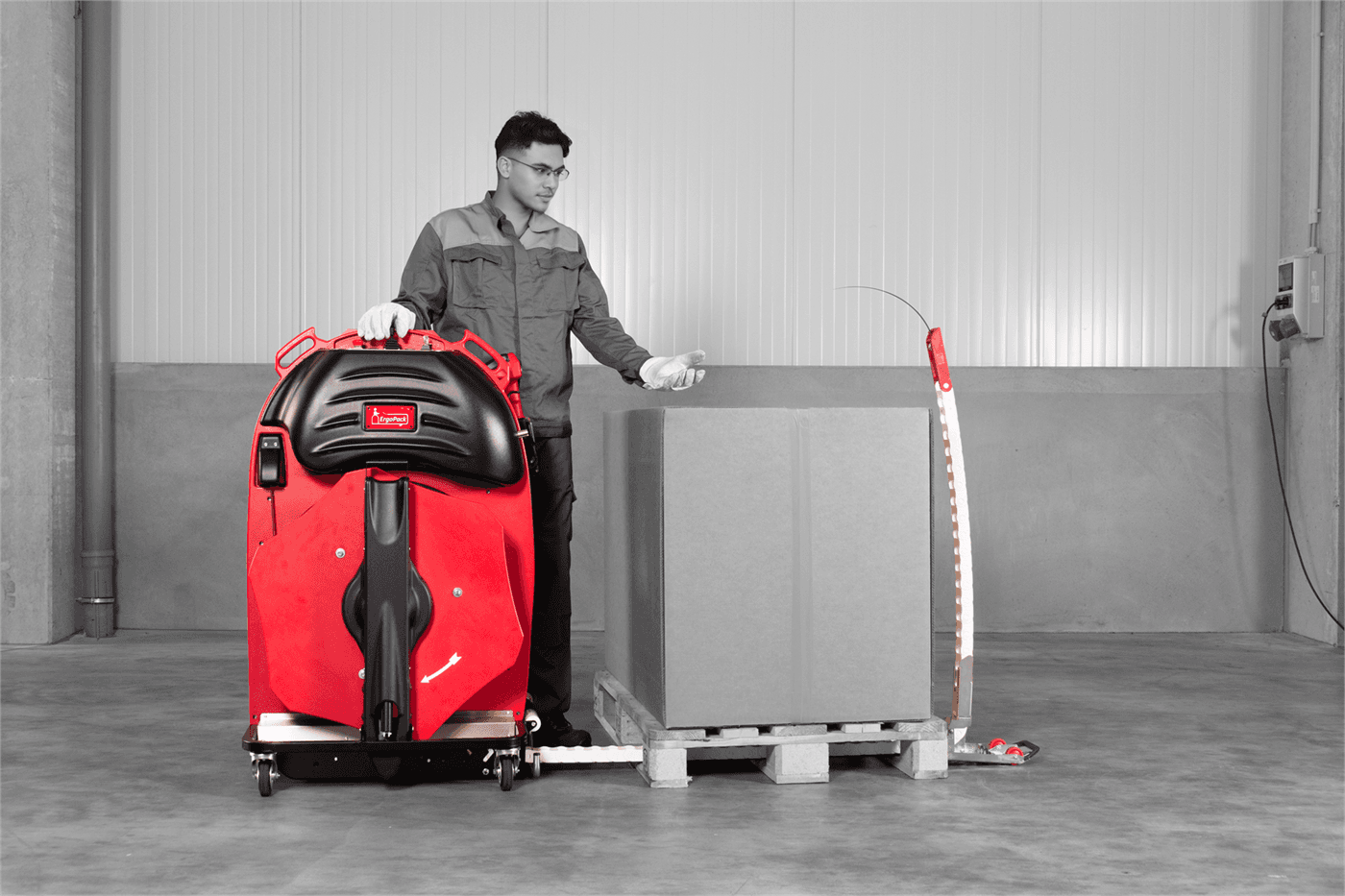
A pallet only does its job if the goods on it stay put. A loaded pallet whose stack is not anchored to the deck will shift, lean and topple in transit — which is why loads are strapped down to the pallet base and wrapped. Vertical strapping passes under the pallet and over the load, locking the two together as one unit. Mobile machines such as the ErgoPack 726X, GO and 700 route the strap under the pallet automatically and apply consistent tension. See how to pack a pallet for shipping.
In short
A pallet is the flat platform that turns loose goods into a single, forklift-handleable, stackable unit load. Choose the right type, size and material for your goods — and secure the load to it — and you have the basic building block of an efficient, damage-free supply chain.
Talk to a pallet strapping engineer
BENZ Packaging and ErgoPack India engineers support installations and service anywhere in India. Tell us your pallet setup and we’ll recommend the right machine — and send pricing.
Related Reading
Continue with the next guide
guides
PP vs PET Strapping: Which Should You Use, and When?
PP and PET strap suit very different loads. A clear guide to when polypropylene is enough and when polyester is essential — by load weight, settling, and export exposure.
guides
Strapping Machine AMC, Spares and Uptime: What to Check Before You Buy
A strapping machine is only as good as its uptime. What to check on service, spare parts and AMC before you buy — so the machine that saves you ₹25 lakh a year actually keeps running.
guides
Pallet Strapping Machine Buying Checklist: 10 Questions Before You Decide
Before you buy a pallet strapping machine, run through these ten questions. They cover loads, volume, power, tension, service and ROI — so you choose the right machine, not just the cheapest.