guides
Timber & Lumber Export Packaging: How to Bundle, Strap and Comply (India)
How to bundle and secure timber, lumber and plywood for export — strap material choice (PET vs steel), tension by wood type, edge protection, and keeping ISPM-15 stamps visible under the strap.
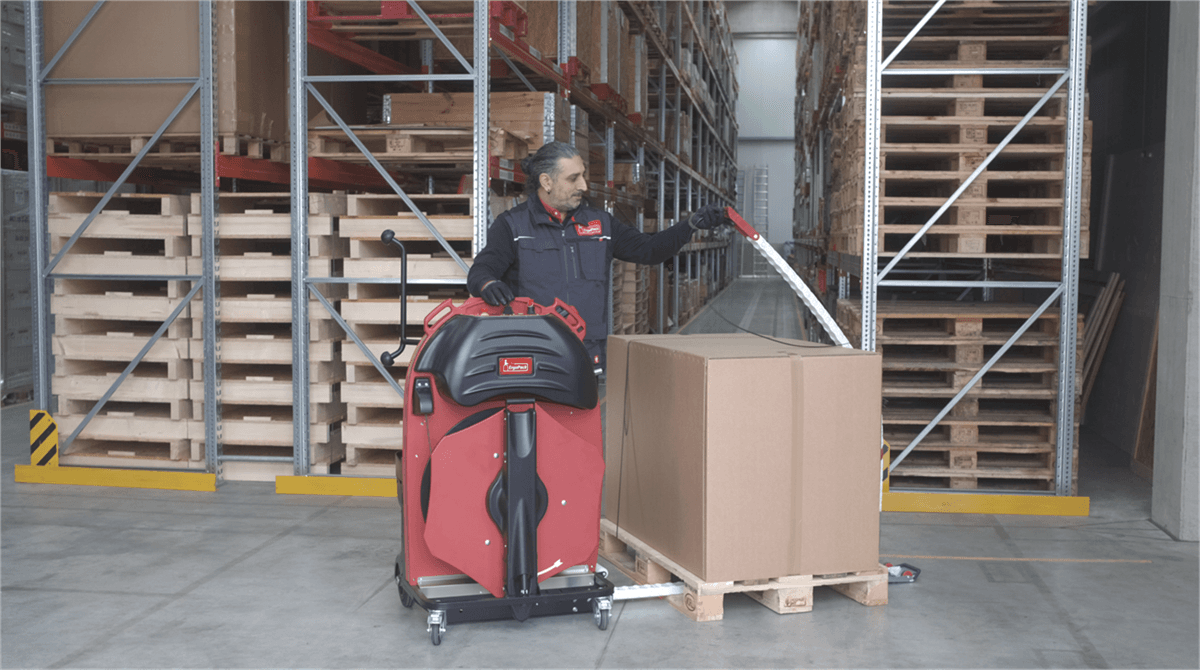
Timber moves in heavy, long, often sharp-edged bundles that settle and loosen in transit — and if it is wood for export, it carries its own compliance problem. Bundling and strapping lumber well is a specific skill. Here is how it is done.
What makes timber different to strap
- Heavy and long — bundles are dense and awkward, with a high tendency to shift.
- It settles — wood bundles compress and lose height in transit, so a strap tight at dispatch goes slack unless the material recovers tension.
- Sharp or rough edges — corners can cut into strap and into adjacent bundles.
- It is wood — for export, the packaging and the product intersect with ISPM-15.
Strap material: PET vs steel for lumber
Steel was historically the only option for heavy timber, but high-strength PET now matches or beats it for most lumber:
- Steel suits non-compressible, sharp or extremely heavy loads where maximum tensile strength is essential.
- PET suits heavy but non-sharp materials like lumber and brick — its elongation recovery keeps the bundle tight as the wood settles, where rigid steel goes slack and can snap under shock. PET also will not rust onto the timber on a humid sea voyage.
For most lumber export, PET is the better choice — see PP vs PET vs steel strapping.
Tension by wood type
Tension is not one setting:
- Soft woods (pine): excessive force crushes and dents the wood — use moderate tension.
- Hardwoods: too little tension lets the bundle slip — apply firmer tension.
- Apply straps perpendicular to the bundle for maximum holding power, and use multiple straps across the bundle (not one in the middle).
Because the right tension differs by species and a slack strap means a loose bundle, consistent, repeatable tension matters — a calibrated machine such as the ErgoPack 726X holds a set tension on every bundle, and the GO and 700 route the strap for facilities using their own sealing tools. See the strapping tension guide.
Protect the edges
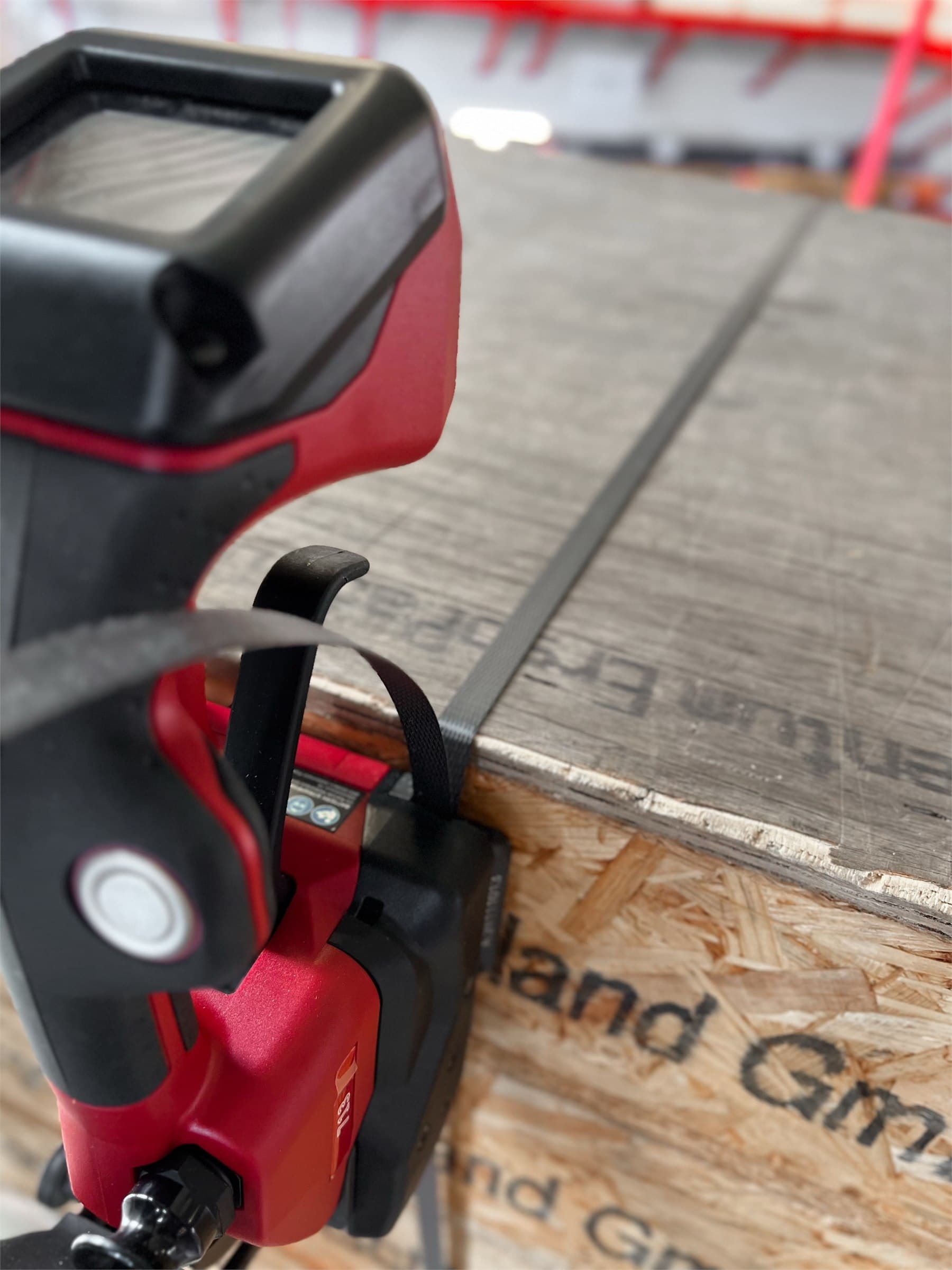
Sharp timber edges cut into strap and slip. Use edge protectors where the strap contacts the wood to spread the force and stop the strap sliding — covered in edge protectors & corner boards.
The compliance trap: keep the ISPM-15 stamp visible
If you export wooden packaging — or wood products — the ISPM-15 mark must be visible even after strapping, on two opposite sides. A common, expensive mistake is applying a strap or wrap directly over the only stamp, so it cannot be read at inspection and the shipment is held. Plan strap placement so the stamps stay legible. (Full detail in ISPM-15 explained.)
Timber export packaging checklist
- PET strap for most lumber (steel only for sharp/extreme loads)
- Tension by wood type — moderate for softwood, firm for hardwood
- Straps perpendicular, multiple across the bundle
- Edge protectors where strap meets sharp timber
- Consistent, repeatable tension (calibrated machine if volume is high)
- Lumber wrap for moisture/UV on the voyage
- ISPM-15 stamp left visible under the strap, on two sides
Strap lumber to this standard and the bundle that leaves the yard arrives tight, undamaged, and clears inspection.
Talk to a pallet strapping engineer
BENZ Packaging and ErgoPack India engineers support installations and service anywhere in India. Tell us your pallet setup and we’ll recommend the right machine — and send pricing.
Related Reading
Continue with the next guide
guides
PP vs PET Strapping: Which Should You Use, and When?
PP and PET strap suit very different loads. A clear guide to when polypropylene is enough and when polyester is essential — by load weight, settling, and export exposure.

guides
Strapping Machine AMC, Spares and Uptime: What to Check Before You Buy
A strapping machine is only as good as its uptime. What to check on service, spare parts and AMC before you buy — so the machine that saves you ₹25 lakh a year actually keeps running.
guides
Pallet Strapping Machine Buying Checklist: 10 Questions Before You Decide
Before you buy a pallet strapping machine, run through these ten questions. They cover loads, volume, power, tension, service and ROI — so you choose the right machine, not just the cheapest.