insights
How to Reduce Export Shipment Rejections: Stop Losing Containers at the Destination
Export rejections are expensive and mostly preventable. The real causes — load shift, corrosion, moisture, compliance — and a systematic checklist to cut your rejection rate to near zero.
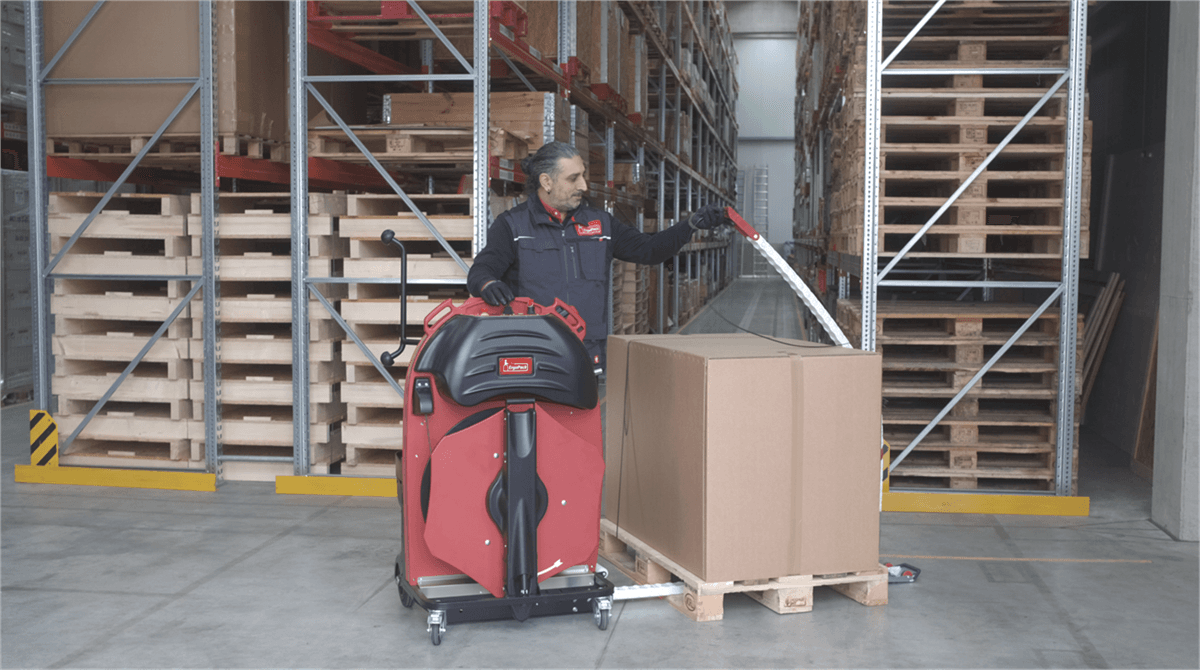
An export shipment rejected at the destination is one of the worst outcomes in trade: the goods are already across the ocean, the cost is sunk, and now you face reverse logistics, replacement, claims and a buyer who may not re-order. The good news is that most rejections are preventable — they trace to a handful of causes, each with a fix. Here is how to drive your rejection rate toward zero.
Why export shipments get rejected
Rejections cluster around a few root causes:
| Cause | What happens | Prevention |
|---|---|---|
| Load shift | Cargo moves in transit, crushes/breaks | Consistent securing to the pallet |
| Corrosion | Metal arrives rusted | VCI + moisture barrier + PET (not steel) |
| Moisture / mould | Container rain ruins cargo | Desiccant, dry loading, barriers |
| Compliance | ISPM-15 / phytosanitary failure | Certified treated wood, documentation |
| Physical damage | Crushing, dropping | Stout crates, cushioning, edge protection |
| Spec / documentation | Wrong goods or paperwork | QC and document control |
1. Stop load shift — the biggest physical cause
Most physical damage is load shift: cargo that moves on the pallet during weeks of ocean motion. The cause is almost always inconsistent securing — a strap tight on one pallet and loose on the next, the loose one being the one that fails. The fix:
- Secure every load to the pallet with consistent, machine-calibrated tension so there is no weak unit in the container.
- Use PET strap that absorbs shock and recovers tension as loads settle (PP vs PET vs steel).
- A calibrated machine such as the ErgoPack 726X, GO or 700 applies identical tension to every pallet — see reduce transit damage.
2. Stop corrosion — protect metal from the sea
Rust is a leading rejection cause for metal exports. Defend with the three-tier system: VCI on the metal, a moisture barrier around it, and desiccant inside (VCI corrosion protection). And don't reintroduce rust by strapping with steel — use PET.
3. Stop moisture and mould — manage condensation
Container rain ruins cargo with no external leak. Use desiccant, load dry, use moisture barriers, and manage the temperature swing (container rain).
4. Pass compliance — clear customs cleanly
- ISPM-15 heat-treated, stamped wood on all packaging and dunnage, with the stamp left visible (ISPM-15 explained).
- Phytosanitary / fumigation certification for agricultural goods.
- Accurate documentation matching the cargo.
5. Prevent physical damage — build it stout
Stout ISPM-15 crates, cushioning, edge and corner protection, voids filled with dunnage, and the whole thing built and secured to the seaworthy packaging standard.
The systematic rejection-reduction checklist
- Every load secured to the pallet at consistent, calibrated tension
- PET strap (not steel) — no rust, holds as loads settle
- VCI + moisture barrier + desiccant for metal cargo
- Container condensation managed; dry loading
- ISPM-15 compliant wood; stamp visible; phytosanitary cert where needed
- Stout crates, cushioning, edge protection, voids filled
- Container lashed, blocked, choked
- Documentation and QC matched to the cargo
The commercial case
A single rejected container can exceed a year of "savings" from cheaper packaging or manual securing. Reducing rejections is one of the highest-return improvements an exporter can make — and consistent, machine-calibrated securing plus seaworthy protection is the core of it. Model the savings or request a quote.
Fix the causes systematically — securing, corrosion, moisture, compliance, physical protection — and export rejections fall toward zero, which protects both the shipment and the customer relationship.
Talk to a pallet strapping engineer
BENZ Packaging and ErgoPack India engineers support installations and service anywhere in India. Tell us your pallet setup and we’ll recommend the right machine — and send pricing.
Related Reading
Continue with the next guide
insights
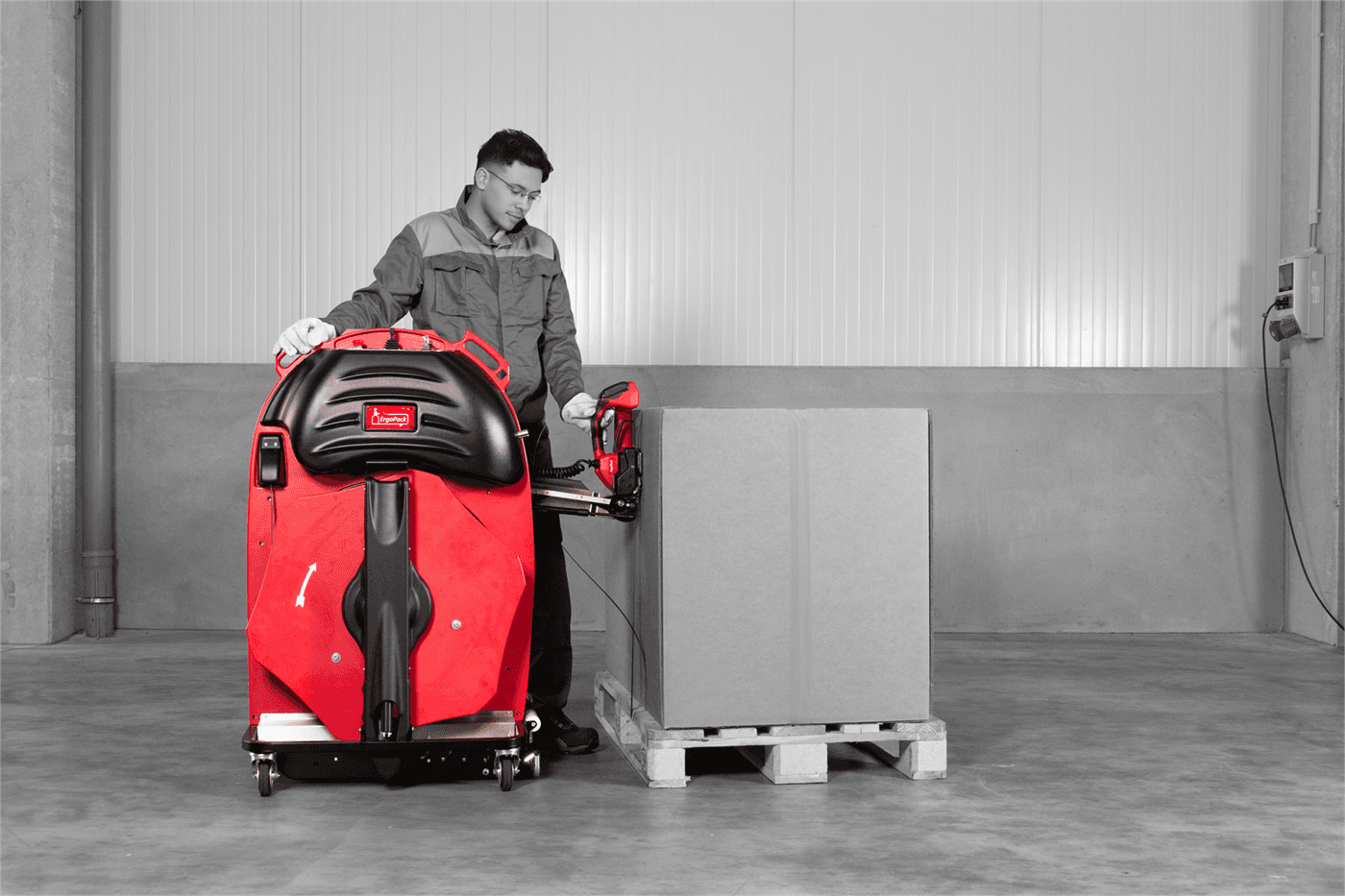
Improving OEE: Why the Dispatch Dock Is the Forgotten Factor
OEE programmes obsess over the production line and ignore the dispatch dock — yet a manual securing bottleneck there caps the throughput your OEE is meant to protect. Here’s the link.
insights
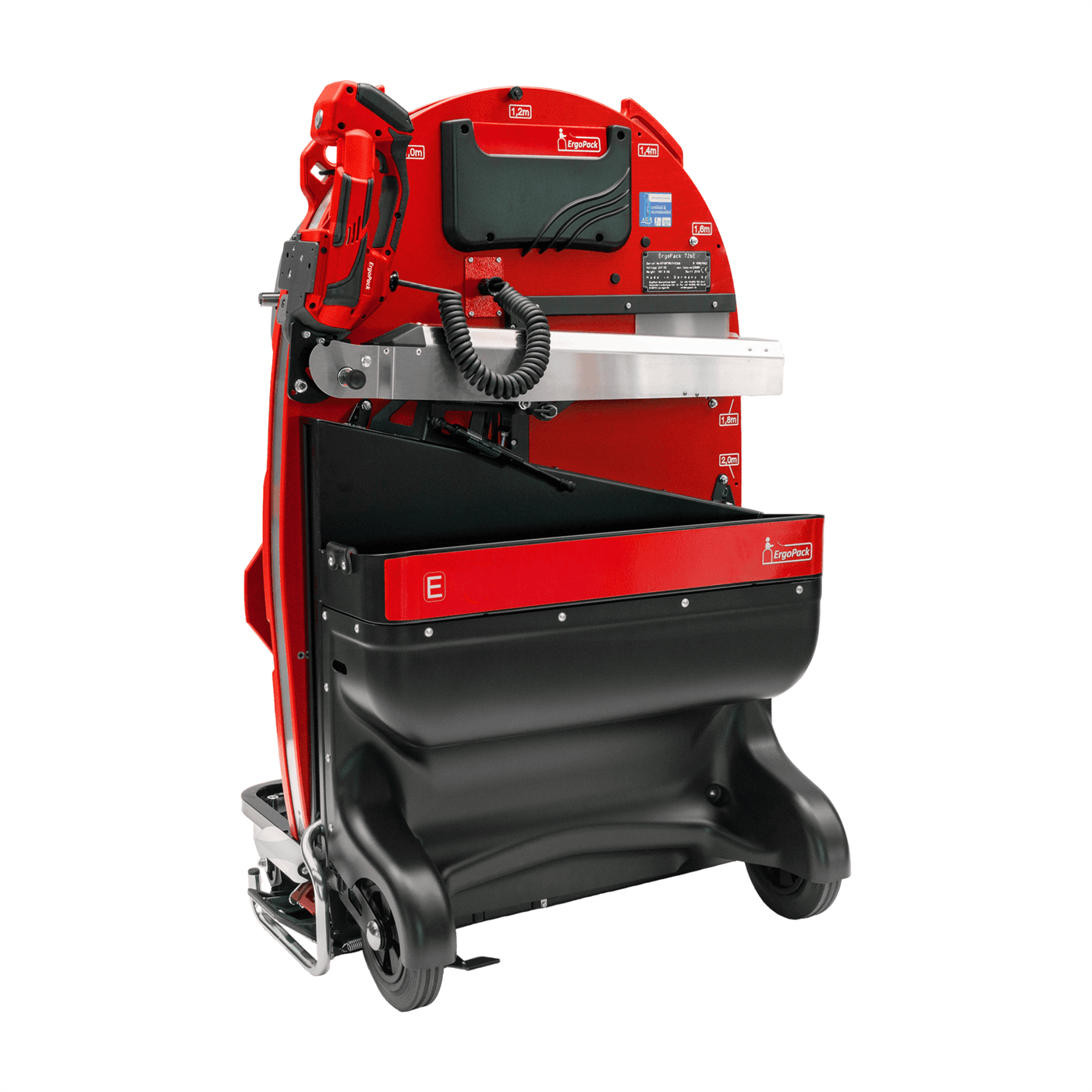
Pallet Strapping Machine for Small Business: Is It Worth It?
Small and mid-size Indian manufacturers and exporters often assume automation is only for big plants. For pallet securing, that’s usually wrong — here’s why a mobile machine fits a small business.
insights
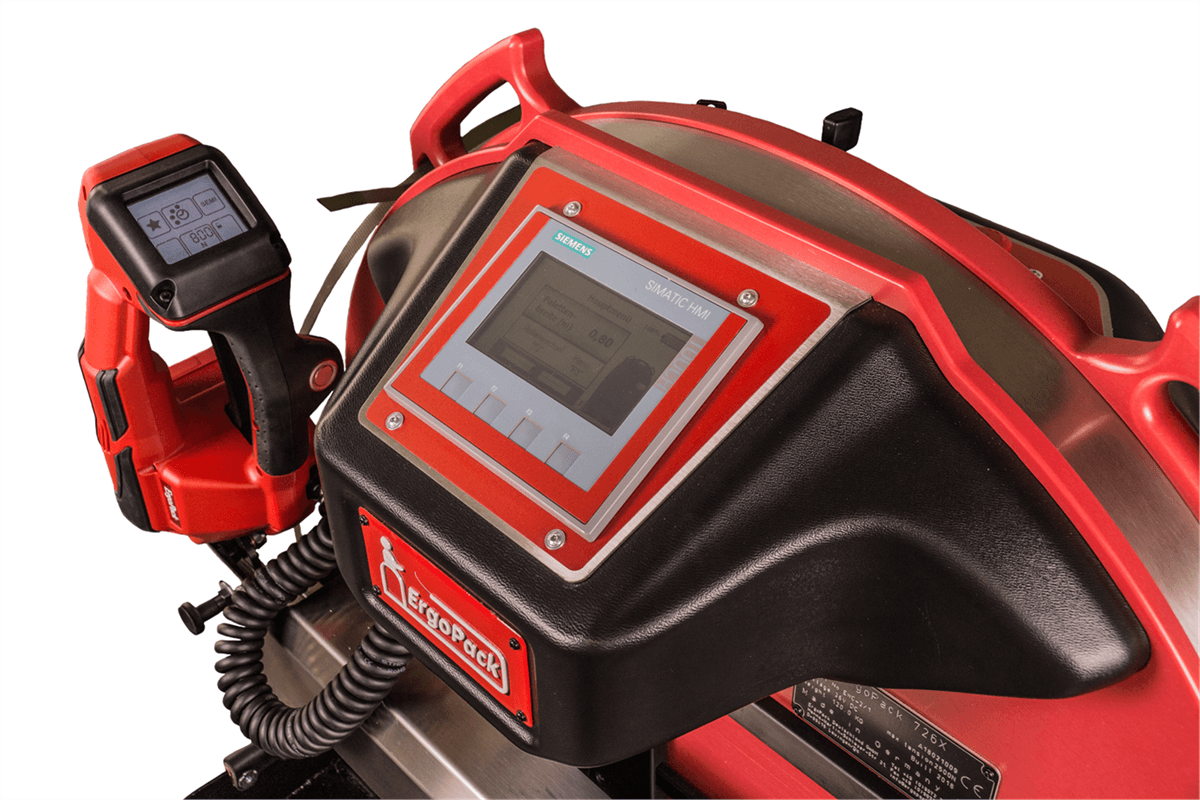
How Many Pallets a Day Justify a Strapping Machine?
There’s a simple volume threshold above which a mobile strapping machine pays for itself. Here’s how to work out yours — and why it’s lower than most people expect.