insights
Improving OEE: Why the Dispatch Dock Is the Forgotten Factor
OEE programmes obsess over the production line and ignore the dispatch dock — yet a manual securing bottleneck there caps the throughput your OEE is meant to protect. Here’s the link.
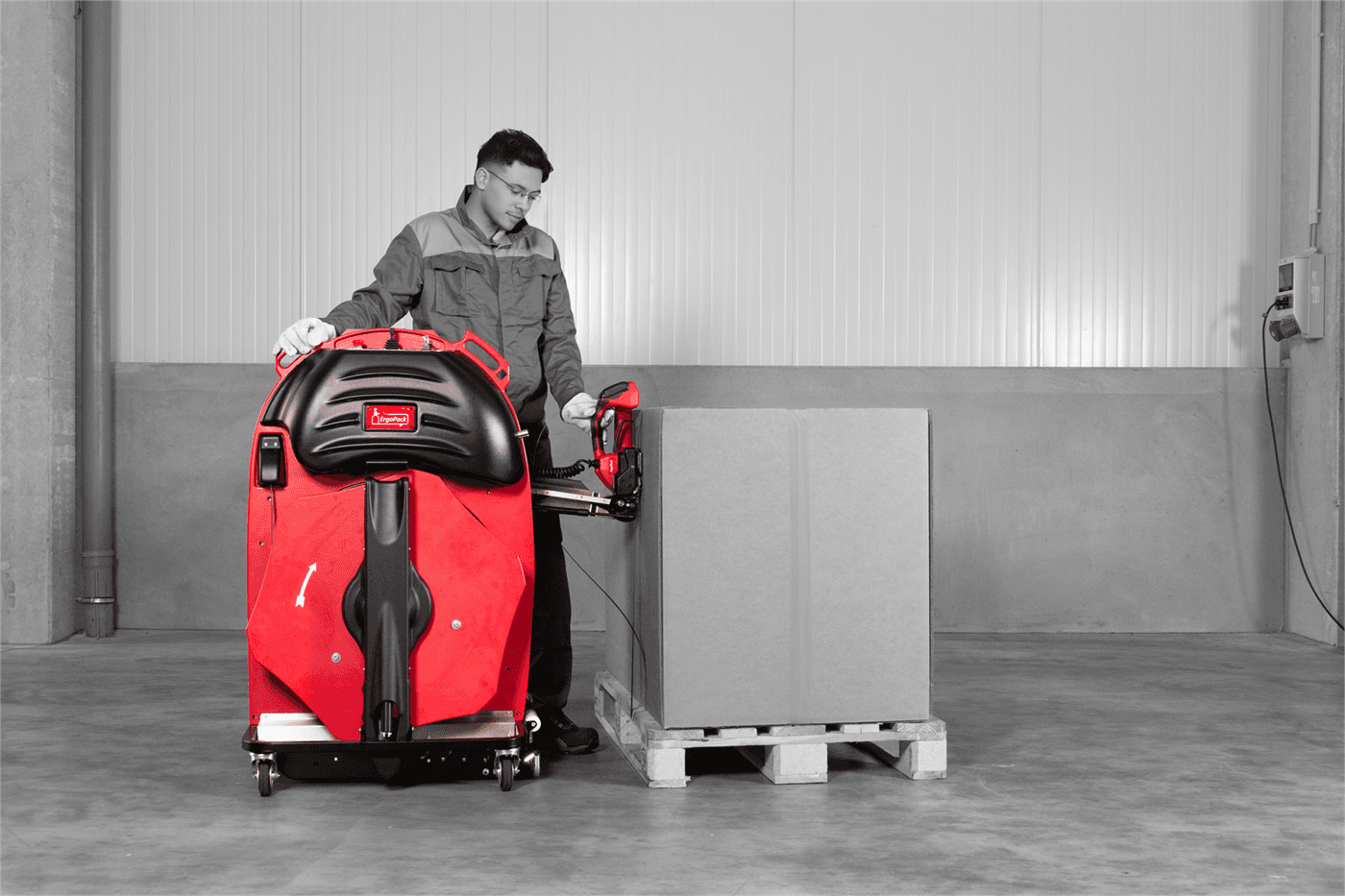
Most OEE (Overall Equipment Effectiveness) programmes pour effort into the production line — availability, performance, quality — and stop at the moment goods come off it. But if finished output then queues behind a manual dispatch step, the gains your OEE programme worked for never reach the truck. The dispatch dock is the forgotten factor in factory effectiveness.
OEE protects production — but not dispatch
OEE measures how well your production equipment runs. Lift it and the line produces more. But effectiveness is only realised when that output actually ships — and on most Indian floors the dispatch dock is still manual, with pallet securing as the slowest, most labour-heavy step. A line running at high OEE feeding a manual dock just builds up work-in-progress in front of the dispatch bottleneck.
The hidden link: dispatch caps realised throughput
- Availability gains add capacity the dock may not be able to clear.
- Performance gains push more units toward a manual securing step.
- Quality gains can be undone if loose securing causes transit damage and rejections.
So the dispatch dock quietly limits the throughput your OEE programme is meant to unlock — and inconsistent manual securing even erodes the quality pillar after the goods leave the line.
Fixing the dispatch factor
Automating the securing step extends OEE thinking to the dock:
- Speed — under 40 seconds per pallet with one operator, versus ~120 seconds with two (automate pallet strapping).
- Consistency — calibrated tension protects the quality pillar all the way to the destination.
- Resilience — one operator covers, so dispatch availability doesn’t collapse on an absence.
The dock stops capping realised throughput, and the OEE gains on the line finally reach the truck.
How to extend OEE to the dock
- Measure dispatch alongside production — time the securing step.
- Check whether output queues at the dock (WIP in front of securing).
- Automate the securing bottleneck — mobile, no rebuild.
- Track realised throughput (units shipped), not just produced.
- Model the gain — ROI calculator.
Dispatch-OEE checklist
- Dispatch timed alongside production
- WIP pile-up at the dock checked
- Securing bottleneck automated
- Realised throughput (shipped) tracked
- Quality protected to destination with calibrated tension
- Gain modelled in ROI calculator
OEE that stops at the line-end is half a programme. Extend it to the dispatch dock — automate the manual securing bottleneck — and the effectiveness you built on the line finally reaches the truck. Model the gain or request a quote.
Talk to a pallet strapping engineer
BENZ Packaging and ErgoPack India engineers support installations and service anywhere in India. Tell us your pallet setup and we’ll recommend the right machine — and send pricing.
Related Reading
Continue with the next guide
insights
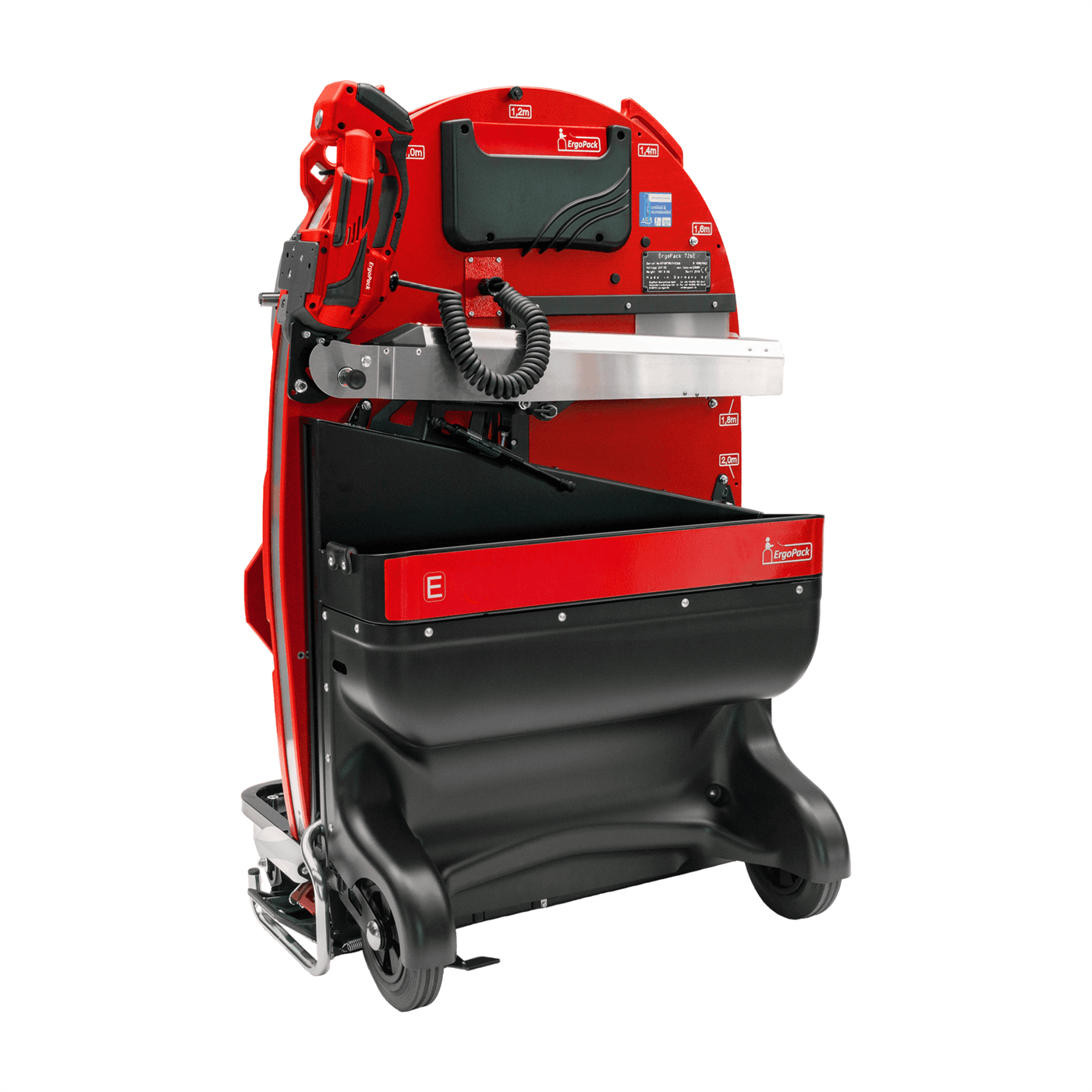
Pallet Strapping Machine for Small Business: Is It Worth It?
Small and mid-size Indian manufacturers and exporters often assume automation is only for big plants. For pallet securing, that’s usually wrong — here’s why a mobile machine fits a small business.
insights
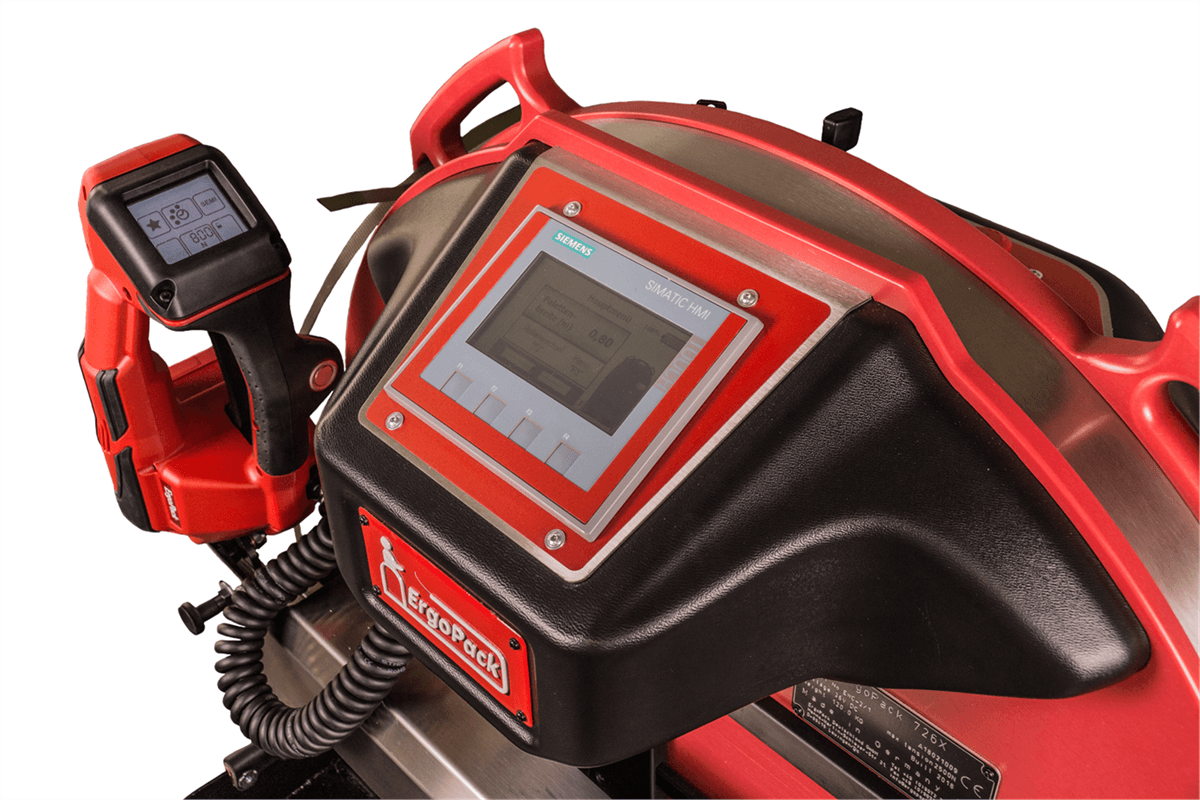
How Many Pallets a Day Justify a Strapping Machine?
There’s a simple volume threshold above which a mobile strapping machine pays for itself. Here’s how to work out yours — and why it’s lower than most people expect.
insights
JIT Dispatch Automation: Keeping the Just-in-Time Flow Moving
Just-in-time dispatch lives or dies on the dock keeping pace. Why the securing step is the JIT bottleneck, and how mobile automation keeps the flow consistent and fast.