guides
VCI Corrosion Protection: How It Works and How to Use It for Metal Exports
VCI (vapour corrosion inhibitor) keeps metal exports rust-free across a long sea voyage. How VCI works, the formats (film, paper, emitters), how to apply it, and how it fits seaworthy packaging.
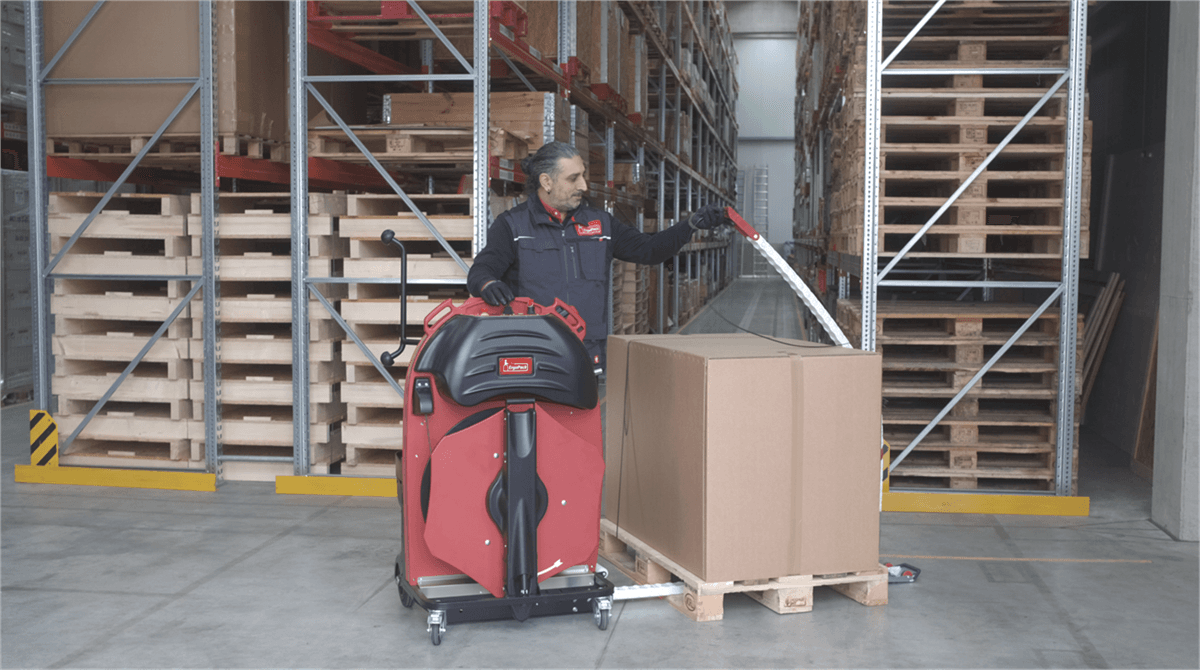
Rust is the silent destroyer of metal exports — a perfectly machined casting or a precision component can arrive corroded after weeks at sea, and a rusted surface is a rejected or downgraded part. VCI is the technology that prevents it without oils or coatings. Here is how it works and how to use it.
What is VCI?
VCI stands for Vapour (or Volatile) Corrosion Inhibitor — a technology that protects metal in enclosed spaces by releasing corrosion-inhibiting compounds into the air. Unlike oils or greases, VCI is dry, invisible and needs no clean-off before the part is used.
How VCI works
The mechanism is elegant:
- VCI compounds, infused into a film, paper or emitter, vaporise into the enclosed airspace around the metal.
- The vapour migrates and bonds to all exposed metal surfaces — including recesses, cavities and internal voids the vapour can reach but a coating cannot.
- Once bonded, it stabilises the metal's natural passive oxide layer — the metal's own first line of defence against corrosion.
- The result is an invisible, dry, non-conductive protective layer that does not change dimensions, interfere with tolerances or affect performance.
When the package is opened, the part is ready to use — no degreasing, no residue.
VCI formats
| Format | Best for |
|---|---|
| VCI film / bags | Wrapping or bagging equipment, machinery, components; lining crates |
| VCI paper | Wrapping individual metal items; interleaving; lining boxes/crates |
| VCI emitters / capsules | Protecting enclosed cavities, control panels, internal voids |
| VCI powders / liquids | Adding to enclosed systems and void spaces |
How to use VCI for metal exports
- Enclose the metal — VCI works in an enclosed space, so wrap the part or line the crate so the vapour concentrates around the metal.
- Match the VCI to the metal — different formulations suit ferrous, non-ferrous or multi-metal assemblies.
- Combine with a moisture barrier — VCI inside an aluminium/foil or HDPE barrier, with a desiccant, forms the standard three-tier corrosion defence (see seaworthy packaging).
- Keep the enclosure intact — a punctured barrier lets the vapour escape and moisture in.
VCI as part of seaworthy packaging
VCI is one layer of a complete export-protection system. The full seaworthy stack is: ISPM-15 timber crate → moisture barrier → VCI → cushioning → desiccant → consistent PET securing → lashing. VCI handles corrosion; the other layers handle impact, moisture and load shift. See the full seaworthy packaging guide and automotive parts export packaging.
Don't forget the securing — and don't reintroduce rust
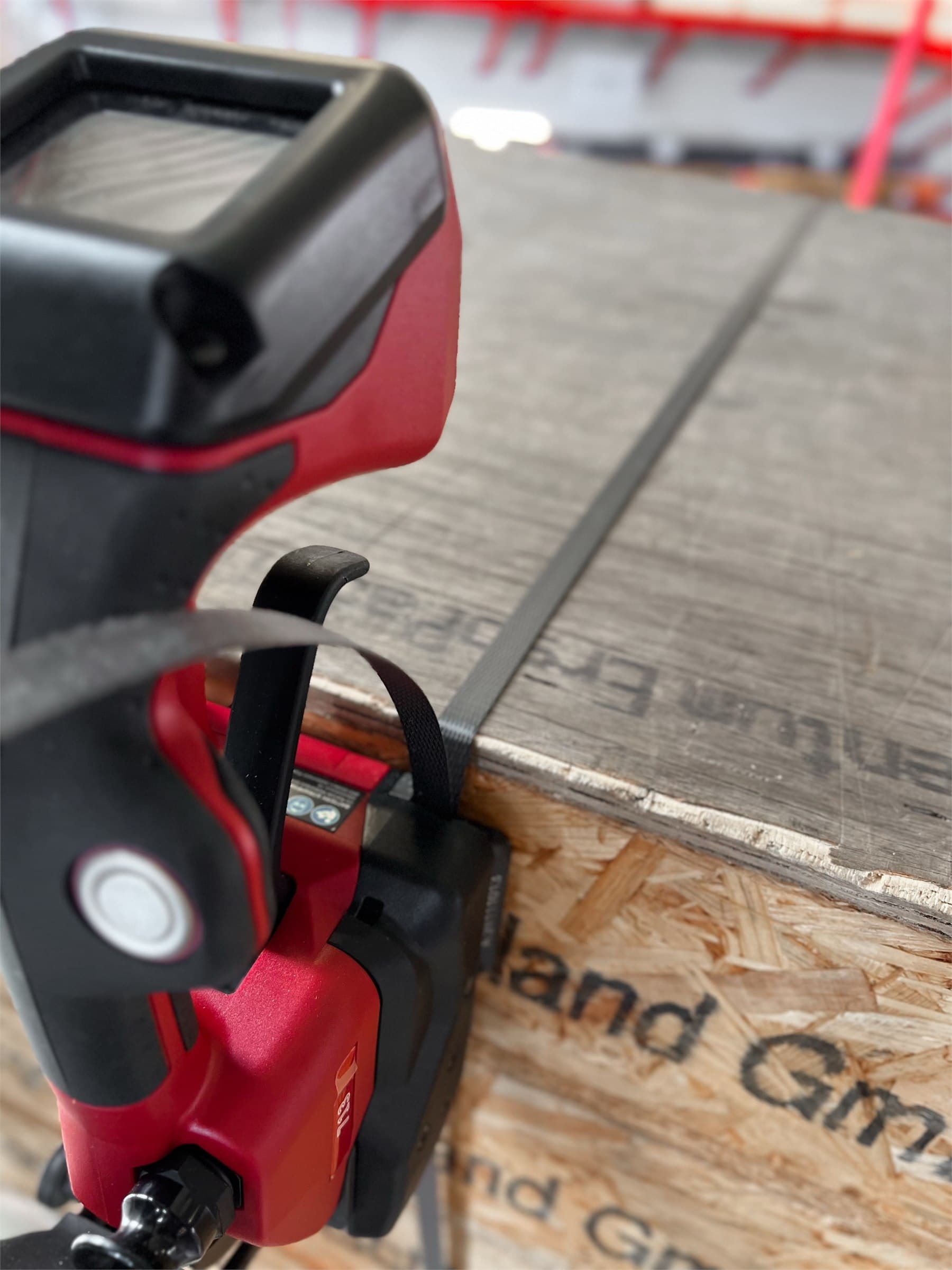
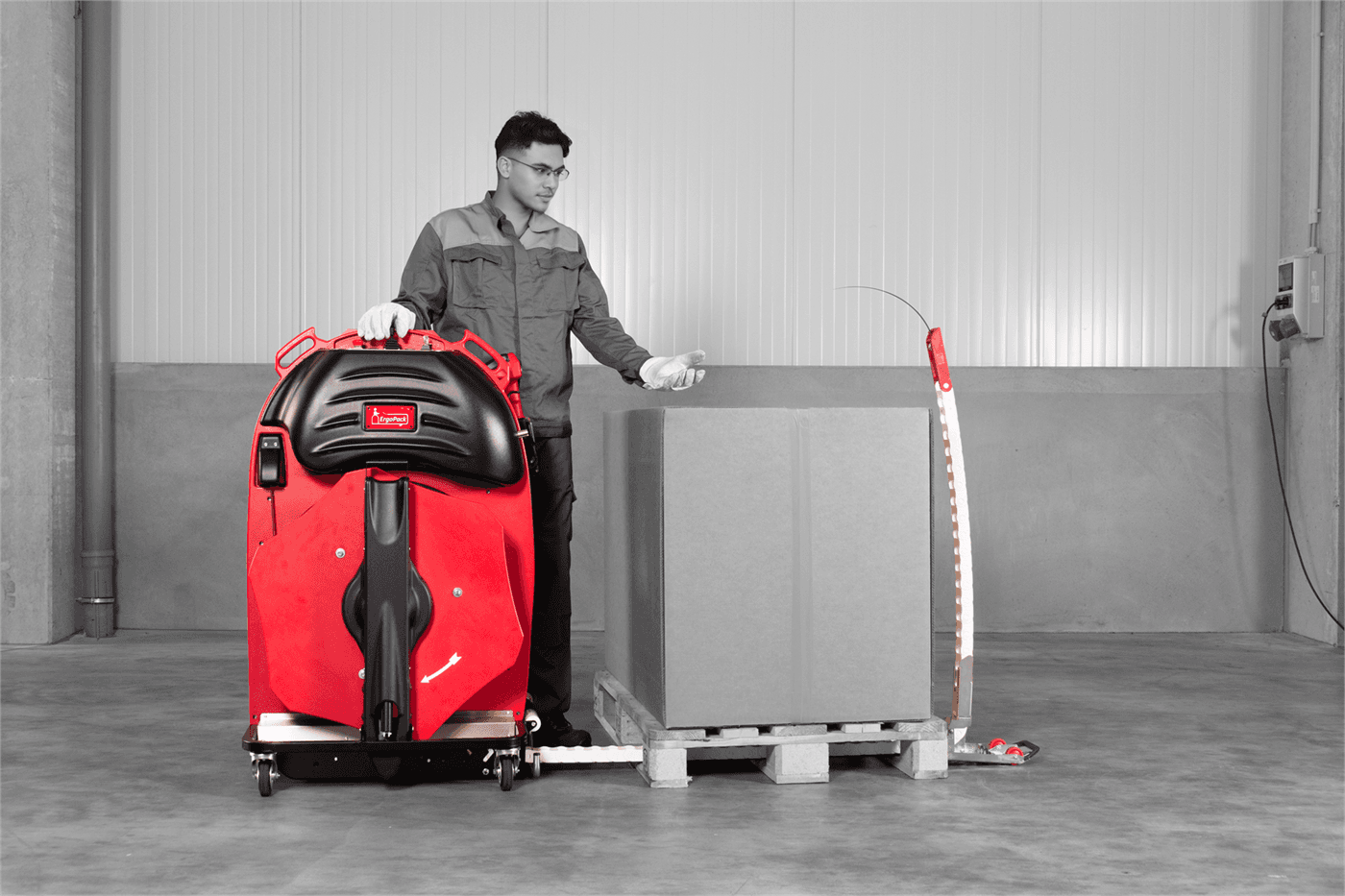
A subtle point: if you protect a metal load with VCI and then strap it with steel, you have reintroduced a corrosion source — steel strap rusts in sea humidity and can stain the very cargo you protected. Use PET strapping, which is rust-free, on VCI-protected metal exports (PP vs PET vs steel strapping). A calibrated machine such as the ErgoPack 726X, GO or 700 applies consistent PET tension without introducing rust.
VCI checklist
- VCI format chosen (film/paper/emitter) for the part and cavities
- VCI matched to the metal type
- Metal enclosed so the vapour concentrates
- Combined with moisture barrier + desiccant (three-tier defence)
- Barrier kept intact (no punctures)
- PET securing, not steel — don't reintroduce rust
- Part ready to use on opening (no clean-off needed)
Use VCI correctly — enclosed, matched to the metal, inside a moisture barrier, with rust-free PET securing — and metal exports arrive dry, bright and ready to use after the longest voyage.
Talk to a pallet strapping engineer
BENZ Packaging and ErgoPack India engineers support installations and service anywhere in India. Tell us your pallet setup and we’ll recommend the right machine — and send pricing.
Related Reading
Continue with the next guide
guides
PP vs PET Strapping: Which Should You Use, and When?
PP and PET strap suit very different loads. A clear guide to when polypropylene is enough and when polyester is essential — by load weight, settling, and export exposure.
guides
Strapping Machine AMC, Spares and Uptime: What to Check Before You Buy
A strapping machine is only as good as its uptime. What to check on service, spare parts and AMC before you buy — so the machine that saves you ₹25 lakh a year actually keeps running.
guides
Pallet Strapping Machine Buying Checklist: 10 Questions Before You Decide
Before you buy a pallet strapping machine, run through these ten questions. They cover loads, volume, power, tension, service and ROI — so you choose the right machine, not just the cheapest.