insights
Manual vs Automatic Pallet Strapping: The Real Cost Comparison
A clear, numbers-based comparison of manual hand-strapping versus mobile automatic strapping — labour, speed, consumables, damage and total cost per pallet — using real Indian figures.
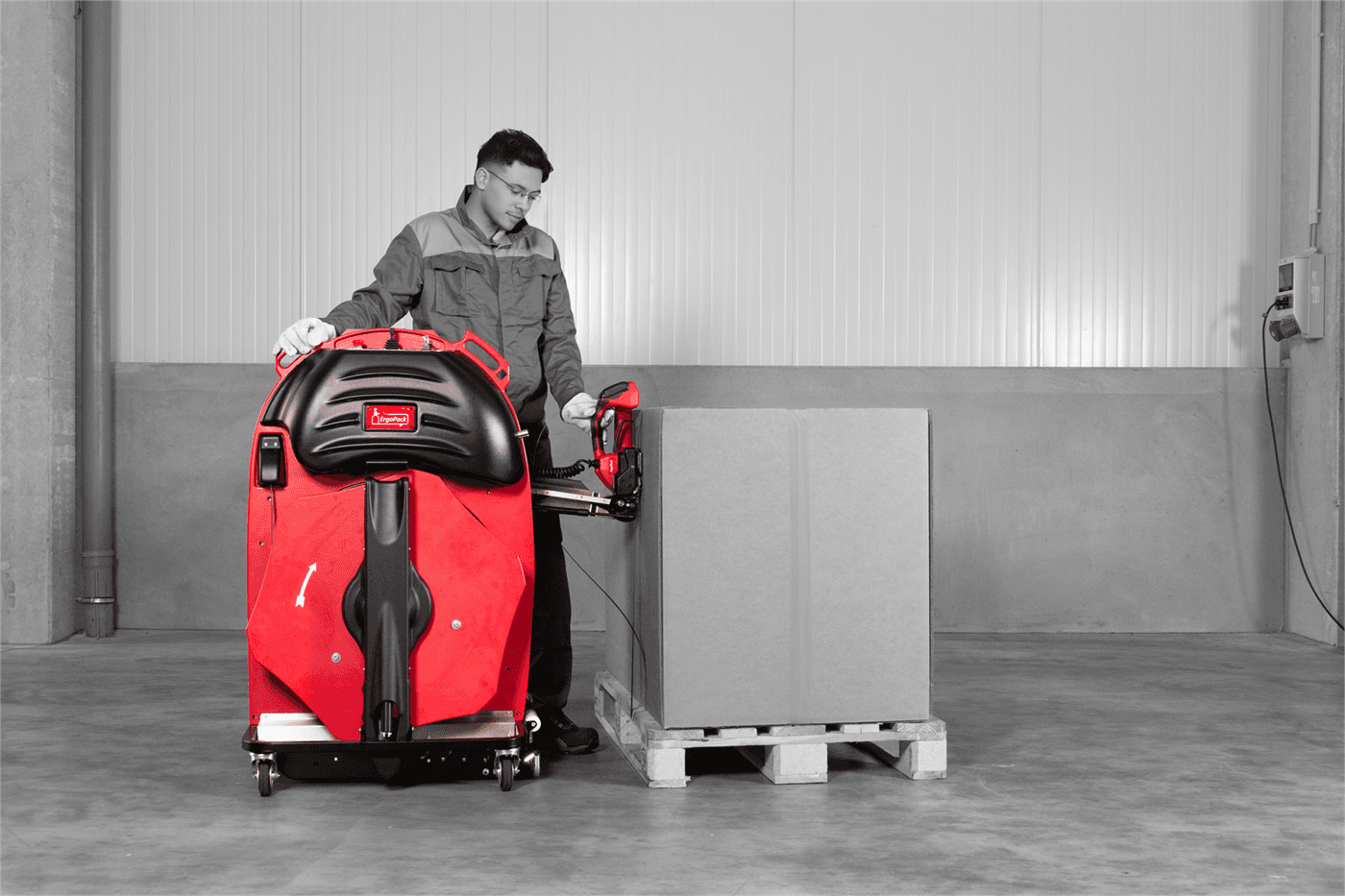
"Manual strapping is free — we already have the people." It is the most common objection, and it is wrong. Manual strapping has a real, recurring cost that grows every year with wages. Here is the honest, numbers-based comparison of manual versus automatic pallet strapping for an Indian floor.
The two methods
- Manual hand-strapping — operators feed strap by hand under and around the pallet, tension with a hand tool, seal with clips or a hand sealer. Typically two people per pallet, bending and threading.
- Mobile automatic strapping — a wheeled machine (e.g. ErgoPack 726X / GO) feeds its own ChainLance under the pallet, applies calibrated tension and friction-welds the seal. One operator, standing.
Cost per pallet — the comparison
| Factor | Manual hand-strapping | Mobile automatic |
|---|---|---|
| Operators per pallet | 2 | 1 |
| Time per pallet | ~120 sec | <40 sec |
| Tension | Inconsistent, by feel | Calibrated, repeatable (to 2500N) |
| Strap waste | High (over-feed, off-cuts) | ~12% lower per pallet |
| Seal | Clips/hand seal (can slip) | Friction weld (no seal cost) |
| Damage / rejection | Higher (loose loads) | Lower (consistent tension) |
| Operator fatigue/injury | Bending, repetitive strain | Standing, low effort |
Where the manual cost actually hides
Manual strapping looks free because the cost is spread across line items you don't add up:
- Labour — two people at ~120 seconds each, every pallet, every shift, rising with wages each year (rising labour costs).
- Strap waste — hand-feeding over-applies and wastes ~12% more strap per pallet (reduce labour cost in packaging).
- Damage & rejections — inconsistent tension is the loose pallet that shifts and gets rejected (reduce transit damage).
- Throughput cap — two people on one pallet is a dispatch bottleneck.
What automatic delivers
On a typical floor — 1 line, 4 manual people across 2 shifts, ~50 pallets/shift — moving the securing step to mobile automation saves on the order of ₹25 lakh/year in labour, strap and damage combined, and recovers the machine in 6–18 months (model it).
After that the machine keeps saving — versus manual cost that only rises.
When manual still makes sense
Be honest: manual can be acceptable when volume is very low (a few pallets a week), loads are light and non-critical, and there is no export/rejection risk. The moment volume, weight or export exposure climbs, the cost gap opens fast.
Decision checklist
- Pallets/day counted (both shifts)
- True manual cost added up (labour + strap waste + damage + throughput)
- Wage trajectory factored in (manual cost rises yearly)
- Export/rejection exposure assessed
- Payback modelled in ROI calculator
Manual strapping is not free — it is a rising annual cost hidden across labour, waste and damage. For any meaningful pallet volume, mobile automatic strapping is cheaper per pallet and pays back in 6–18 months. Model your numbers or request a quote.
Talk to a pallet strapping engineer
BENZ Packaging and ErgoPack India engineers support installations and service anywhere in India. Tell us your pallet setup and we’ll recommend the right machine — and send pricing.
Related Reading
Continue with the next guide
insights
Improving OEE: Why the Dispatch Dock Is the Forgotten Factor
OEE programmes obsess over the production line and ignore the dispatch dock — yet a manual securing bottleneck there caps the throughput your OEE is meant to protect. Here’s the link.
insights
Pallet Strapping Machine for Small Business: Is It Worth It?
Small and mid-size Indian manufacturers and exporters often assume automation is only for big plants. For pallet securing, that’s usually wrong — here’s why a mobile machine fits a small business.
insights
How Many Pallets a Day Justify a Strapping Machine?
There’s a simple volume threshold above which a mobile strapping machine pays for itself. Here’s how to work out yours — and why it’s lower than most people expect.