insights
How to Increase Factory Throughput: Remove the Dispatch Bottleneck
Throughput is set by your slowest step — and for many Indian factories that step is end-of-line dispatch. How to find and remove the bottleneck, and lift output without new headcount or a new line.
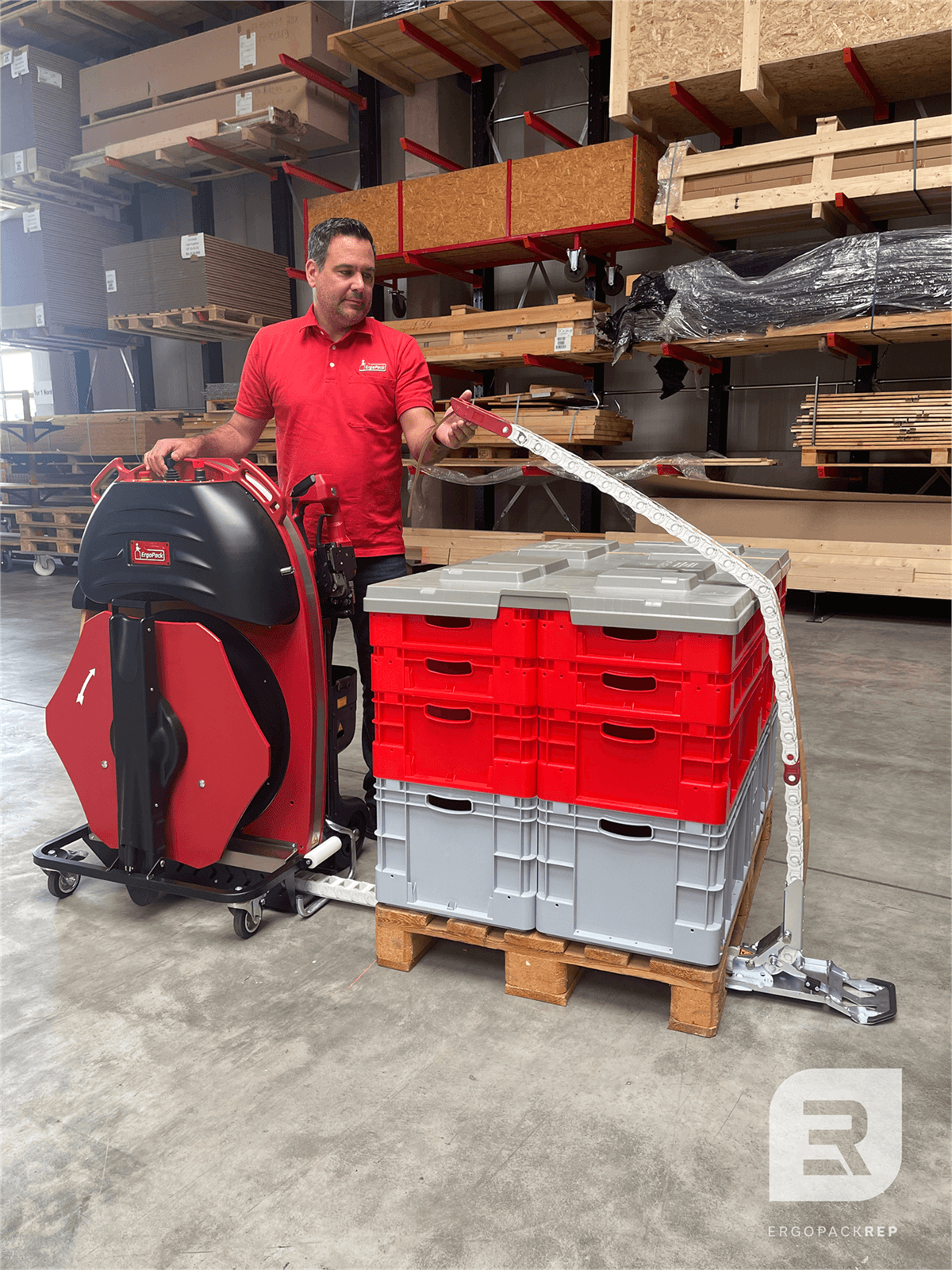
Every factory wants more throughput, and most chase it in the wrong place — speeding up production while the real constraint sits, ignored, at the dispatch dock. Throughput is governed by a single rule: your output is capped by your slowest step. Find that step and fix it, and the whole factory speeds up. Here is how — and why the answer is often the end of the line, not the start.
Throughput is set by the bottleneck — nothing else
The Theory of Constraints states it plainly: a system's output is limited by its single slowest stage. Speeding up anything that is not the constraint just piles up work-in-progress in front of it. So the first job is not to work harder everywhere — it is to find the one step that caps the whole floor.
- Map the flow: production → packing → palletising → strapping → loading.
- Find where work queues — pallets waiting, trucks idling, finished loads stacking up.
- That queue marks the constraint.
Why the dispatch dock is so often the hidden constraint
A factory can run a fast production line and still ship late, because the last step — securing pallets for dispatch — is manual and slow. Manual strapping takes a two-person team ~120 seconds per pallet. When production outpaces that, finished pallets queue at the dock, trucks wait, and the entire factory's throughput is throttled by its final, most overlooked step.
It is the hidden constraint because everyone measures the production line and no one measures the dock.
Remove the dispatch bottleneck
Automating the end-of-line securing step attacks the constraint directly:
- Cycle time drops from ~120 seconds to under 40 — a 66% cut — so the dock stops queuing.
- One operator replaces a two-person crew, doing the work of three.
- The freed labour redeploys to upstream steps, lifting output where it was capped.
- It needs no new line, no conveyors, no rebuild — a mobile machine works at the existing dock.
That is the cheapest throughput you can buy: not a new production line, but unblocking the one you have at the step that was capping it.
The numbers
On a floor running 100 pallets/day, removing the manual strapping constraint frees thousands of labour hours a year and clears the outbound queue — output the factory was already producing but couldn't ship fast enough. Model it for your floor in the ROI calculator. The broader method is in improve warehouse dispatch productivity.
How to lift throughput — in order
- Find the constraint (where work queues), don't guess.
- Relieve that step first — usually dispatch securing.
- Re-balance labour to the constraint in real time.
- Re-measure — the bottleneck moves; chase it again.
- Automate the most repetitive manual step (strapping) so it stops being the cap.
Mobile systems such as the ErgoPack 726X, GO and 700 remove the dispatch constraint without a capital construction project — you bring the machine to the pallet.
Throughput checklist
- Flow mapped; time measured at every stage
- Constraint identified by where work queues
- Dispatch/securing step checked — the common hidden cap
- Securing automated (120s → under 40s, 2 operators → 1)
- Freed labour redeployed upstream
- Re-measured after each fix
You don't lift factory throughput by working harder everywhere — you lift it by finding the one slowest step and removing it. For a lot of Indian factories, that step is sitting at the dispatch dock, and it is the cheapest one to fix.
Talk to a pallet strapping engineer
BENZ Packaging and ErgoPack India engineers support installations and service anywhere in India. Tell us your pallet setup and we’ll recommend the right machine — and send pricing.
Related Reading
Continue with the next guide
insights
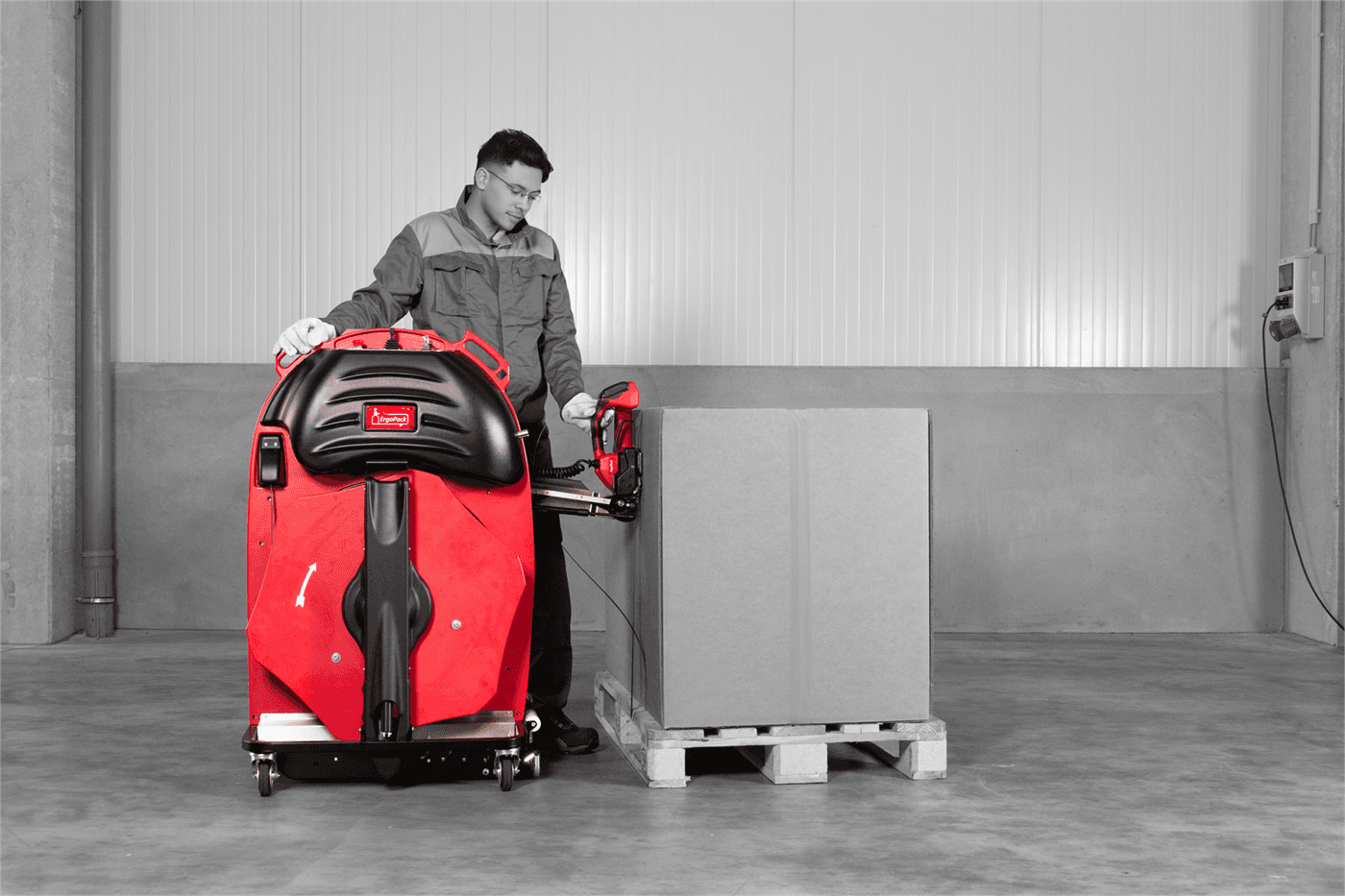
Improving OEE: Why the Dispatch Dock Is the Forgotten Factor
OEE programmes obsess over the production line and ignore the dispatch dock — yet a manual securing bottleneck there caps the throughput your OEE is meant to protect. Here’s the link.
insights
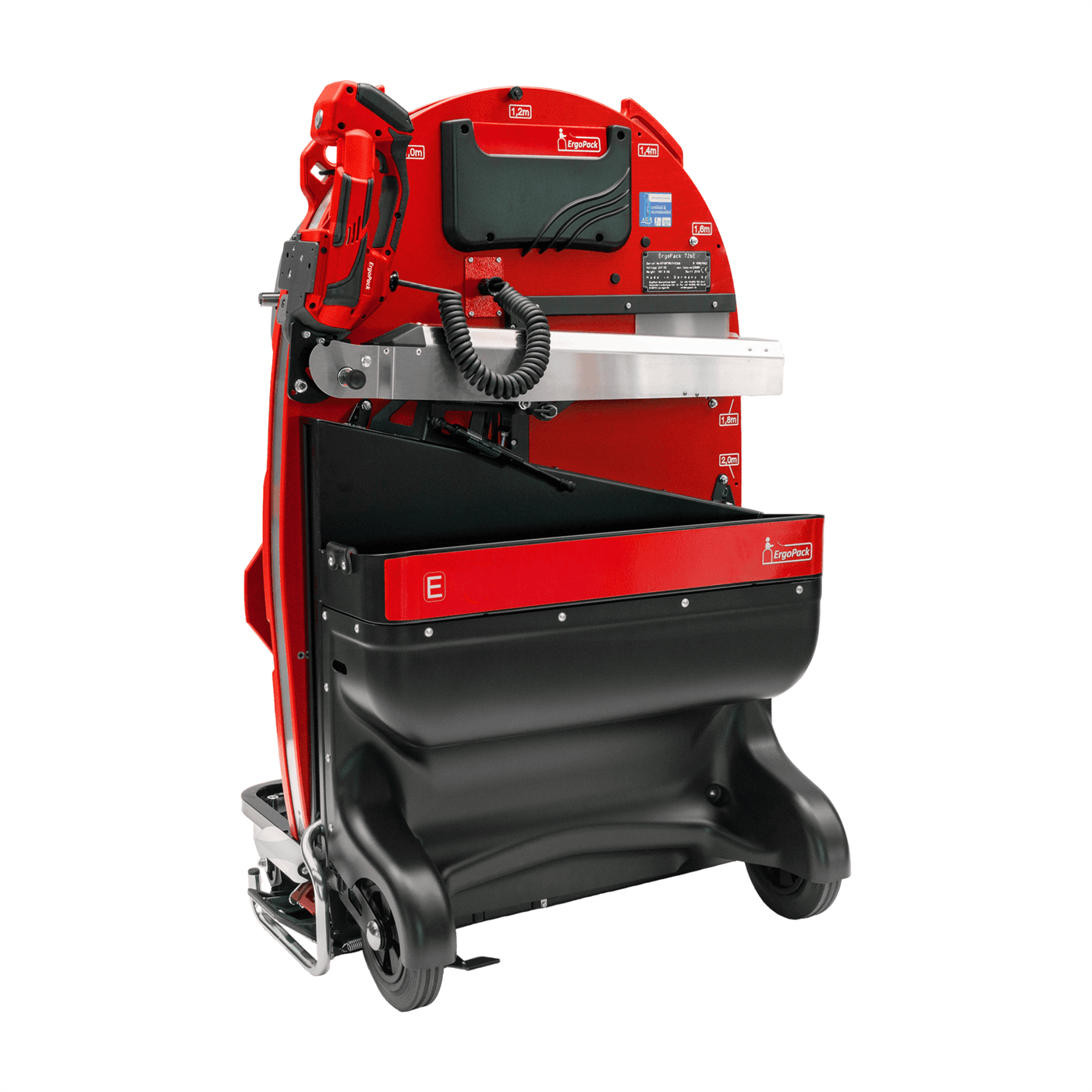
Pallet Strapping Machine for Small Business: Is It Worth It?
Small and mid-size Indian manufacturers and exporters often assume automation is only for big plants. For pallet securing, that’s usually wrong — here’s why a mobile machine fits a small business.
insights
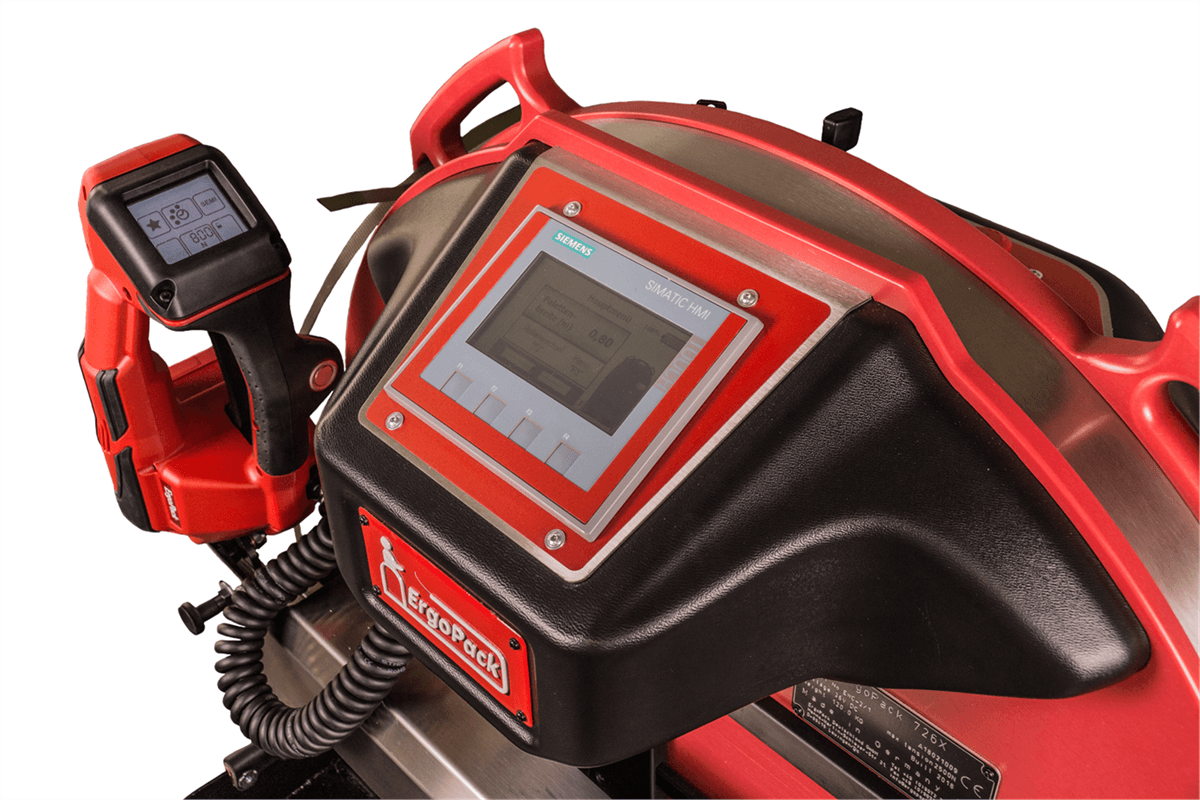
How Many Pallets a Day Justify a Strapping Machine?
There’s a simple volume threshold above which a mobile strapping machine pays for itself. Here’s how to work out yours — and why it’s lower than most people expect.