insights
JIT Dispatch Automation: Keeping the Just-in-Time Flow Moving
Just-in-time dispatch lives or dies on the dock keeping pace. Why the securing step is the JIT bottleneck, and how mobile automation keeps the flow consistent and fast.
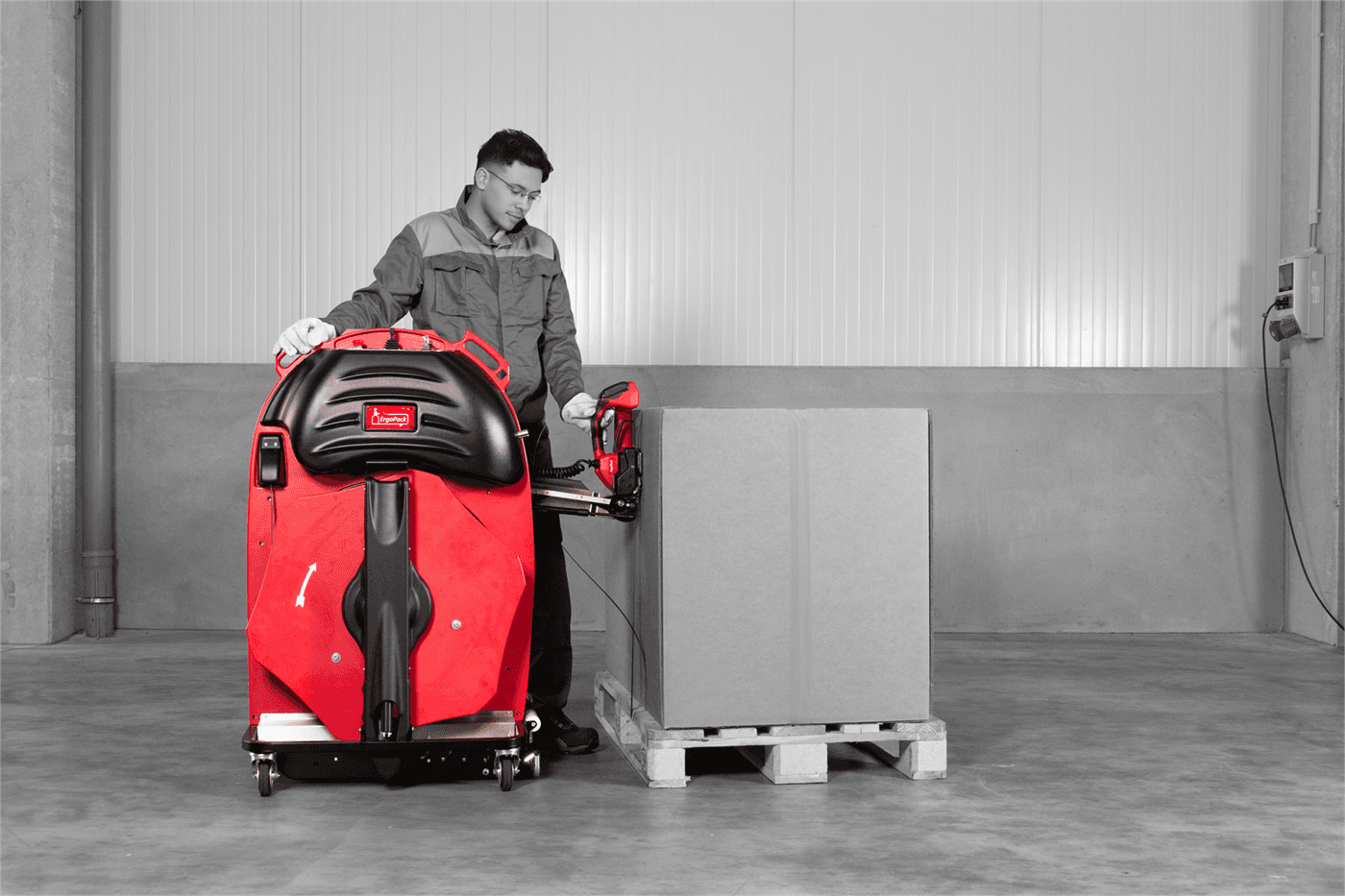
Just-in-time (JIT) supply — common across India’s auto, EV and electronics belts — depends on dispatch keeping exact pace with demand. One slow or inconsistent step at the dock, and the whole JIT flow stutters: lines wait, penalties hit, trucks miss slots. Here’s why securing is usually the JIT bottleneck, and how to automate it.
Why JIT punishes a slow dock
JIT removes buffer stock by design — there’s no inventory cushion to hide a slow dispatch step. So the dock must be:
- Fast — pallets ready exactly when the truck is.
- Consistent — no variable step that occasionally blows the schedule.
- Resilient — not dependent on one hard-to-staff role (labour shortage solution).
A variable manual step is the enemy of JIT.
The JIT bottleneck is usually securing
On most JIT docks, manual strapping is the constraint:
- It’s slow — ~120 seconds per pallet, two operators.
- It’s variable — by-feel tension and human pace swing the cycle time (dock bottleneck).
- It’s fragile — an absence slows the whole flow.
Picking and loading are often faster and more predictable; securing is where JIT timing slips.
How mobile automation keeps JIT flowing
- Fast and fixed cycle — under 40 seconds with one operator, every time (end-of-line automation).
- Consistent tension — calibrated, repeatable, so no re-work or rejected loads breaking the flow (reduce rejections).
- Mobile — wheeled to any dock or line-side point (ErgoPack GO / 726X), so it fits the JIT layout without conveyors.
- Resilient — one operator covers, so absences don’t stall dispatch.
The result is a dock that holds JIT pace predictably — fast, consistent and not dependent on filling the hardest role.
How to automate JIT dispatch
- Time and chart variability of each dispatch step.
- Find the JIT bottleneck — usually variable manual securing.
- Automate it for a fast, fixed cycle (mobile, no rebuild).
- Stabilise tension to remove re-work and rejections.
- Measure JIT adherence and dispatch consistency.
- Model the throughput and labour gain — ROI calculator.
JIT dispatch checklist
- Each dispatch step timed for speed and variability
- JIT bottleneck found (usually securing)
- Securing automated — fast, fixed cycle
- Tension stabilised; re-work/rejections removed
- Dock made resilient to absence
- Gain modelled in ROI calculator
JIT dispatch lives on a fast, consistent, resilient dock — and the step that usually breaks it is variable manual securing. Automate it and the just-in-time flow holds pace. Model the gain or request a quote.
Talk to a pallet strapping engineer
BENZ Packaging and ErgoPack India engineers support installations and service anywhere in India. Tell us your pallet setup and we’ll recommend the right machine — and send pricing.
Related Reading
Continue with the next guide
insights
Improving OEE: Why the Dispatch Dock Is the Forgotten Factor
OEE programmes obsess over the production line and ignore the dispatch dock — yet a manual securing bottleneck there caps the throughput your OEE is meant to protect. Here’s the link.
insights
Pallet Strapping Machine for Small Business: Is It Worth It?
Small and mid-size Indian manufacturers and exporters often assume automation is only for big plants. For pallet securing, that’s usually wrong — here’s why a mobile machine fits a small business.
insights
How Many Pallets a Day Justify a Strapping Machine?
There’s a simple volume threshold above which a mobile strapping machine pays for itself. Here’s how to work out yours — and why it’s lower than most people expect.