insights
End-of-Line Packaging Automation: What It Is and Where to Start
End-of-line packaging automation explained — what it covers, the benefits, and why automating the securing (strapping) step is usually the highest-ROI place to start.
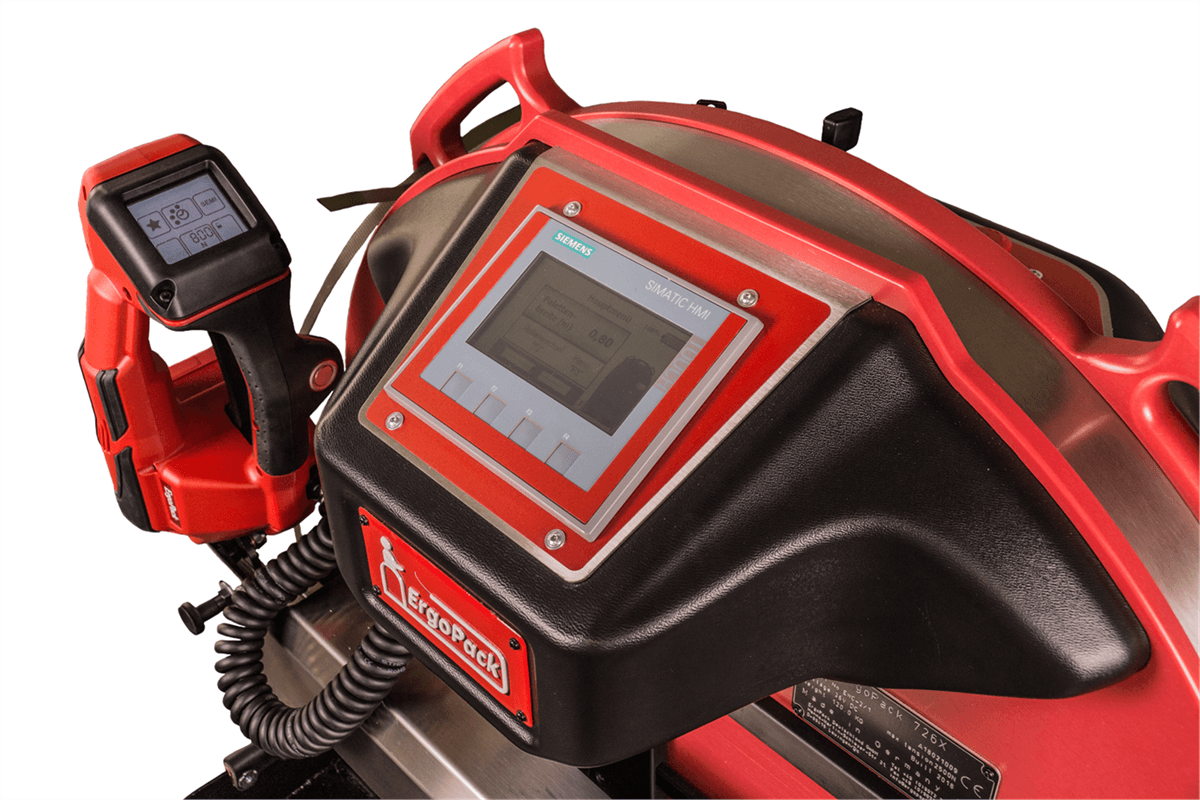
"End-of-line" is where a lot of factories are still surprisingly manual — production is automated, then the last steps before the truck are done by hand. End-of-line packaging automation closes that gap. Here is what it covers, the benefits, and the smartest place to start.
What is end-of-line packaging?
End-of-line (EOL) packaging is the final stage of the process — everything that happens after the product is made, to get it ready for dispatch:
- Case packing / cartoning — putting product into cases.
- Palletising — stacking cases onto pallets.
- Securing — strapping and/or wrapping the load to the pallet.
- Labelling and dispatch — marking and loading.
These steps are repetitive, labour-heavy, and — done manually — a common bottleneck and a rising cost.
What end-of-line automation covers
EOL automation applies machines to those final steps:
- Automatic case packers / cartoners.
- Palletisers (robotic or conventional).
- Strapping machines — securing the load to the pallet.
- Stretch wrappers — film protection.
- Labelling and conveying.
You don't have to automate all of it at once — and you shouldn't. The right approach is to automate the step with the best ROI and the worst bottleneck first.
Why start with the securing (strapping) step
For most Indian operations, strapping is the highest-ROI EOL step to automate first, for several reasons:
- It's the most manual and repetitive — a two-person, ~120-second-per-pallet task.
- It's a common bottleneck — the last gate before the truck, where finished pallets queue.
- It has fast payback — ~₹25 lakh/year saved on a typical floor, recovered in 6–18 months (rising labour costs & savings).
- It's low-disruption — a mobile strapping machine needs no conveyors or floor rebuild; it works at the existing dock.
- It cuts damage too — consistent tension reduces rejected loads (reduce transit damage).
Compared to a full palletising or case-packing line — which is a large capital project with civil works — mobile strapping automation is a fast, contained, high-return first step.
The benefits of EOL automation
- Lower labour cost — fewer operators on repetitive tasks, hedged against rising wages.
- Higher throughput — the dock stops queuing.
- Consistency — repeatable quality, fewer rejected loads.
- Better use of people — labour redeployed to value-adding work.
- Scalability — handle volume growth without proportional headcount.
How to start with EOL automation
- Map the EOL steps and time each one.
- Find the bottleneck and the biggest manual cost — usually strapping.
- Automate that first with a right-sized, low-disruption machine.
- Measure the result, then move to the next step (palletising, wrapping).
- Model the ROI before each step — see the ROI calculator.
Mobile systems such as the ErgoPack 726X, GO and 700 automate the securing step without a capital construction project — the ideal first move in an EOL automation roadmap. See types of pallet strapping machines.
EOL automation checklist
- EOL steps mapped and timed
- Bottleneck and biggest manual cost identified
- Securing (strapping) automated first — best ROI, lowest disruption
- Result measured; next step planned
- ROI modelled before each investment
End-of-line automation is how factories close the gap between automated production and manual dispatch. Start where the ROI is fastest and the disruption lowest — the securing step — and build from there. Model your ROI or request a quote.
Talk to a pallet strapping engineer
BENZ Packaging and ErgoPack India engineers support installations and service anywhere in India. Tell us your pallet setup and we’ll recommend the right machine — and send pricing.
Related Reading
Continue with the next guide
insights
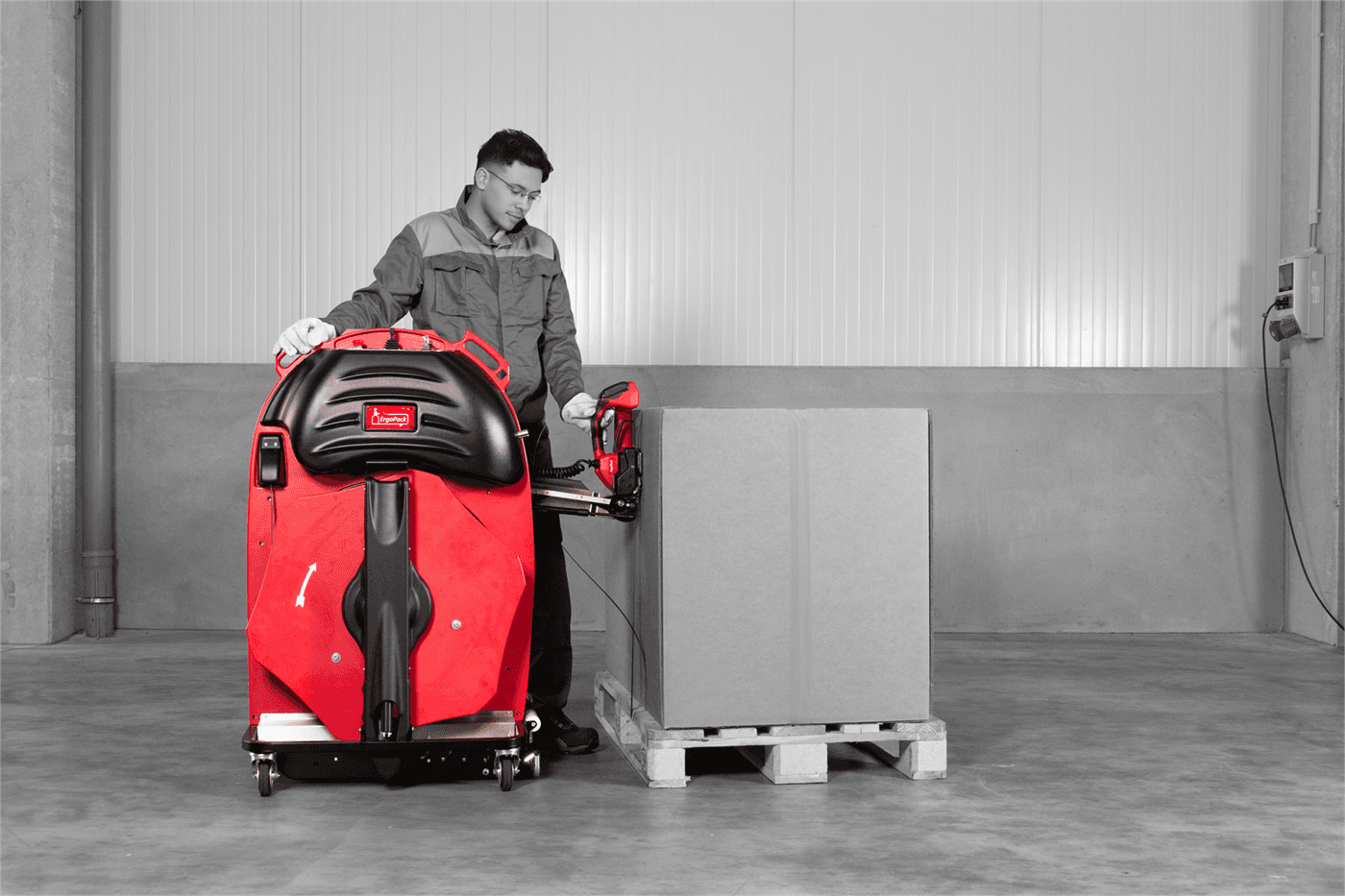
Improving OEE: Why the Dispatch Dock Is the Forgotten Factor
OEE programmes obsess over the production line and ignore the dispatch dock — yet a manual securing bottleneck there caps the throughput your OEE is meant to protect. Here’s the link.
insights
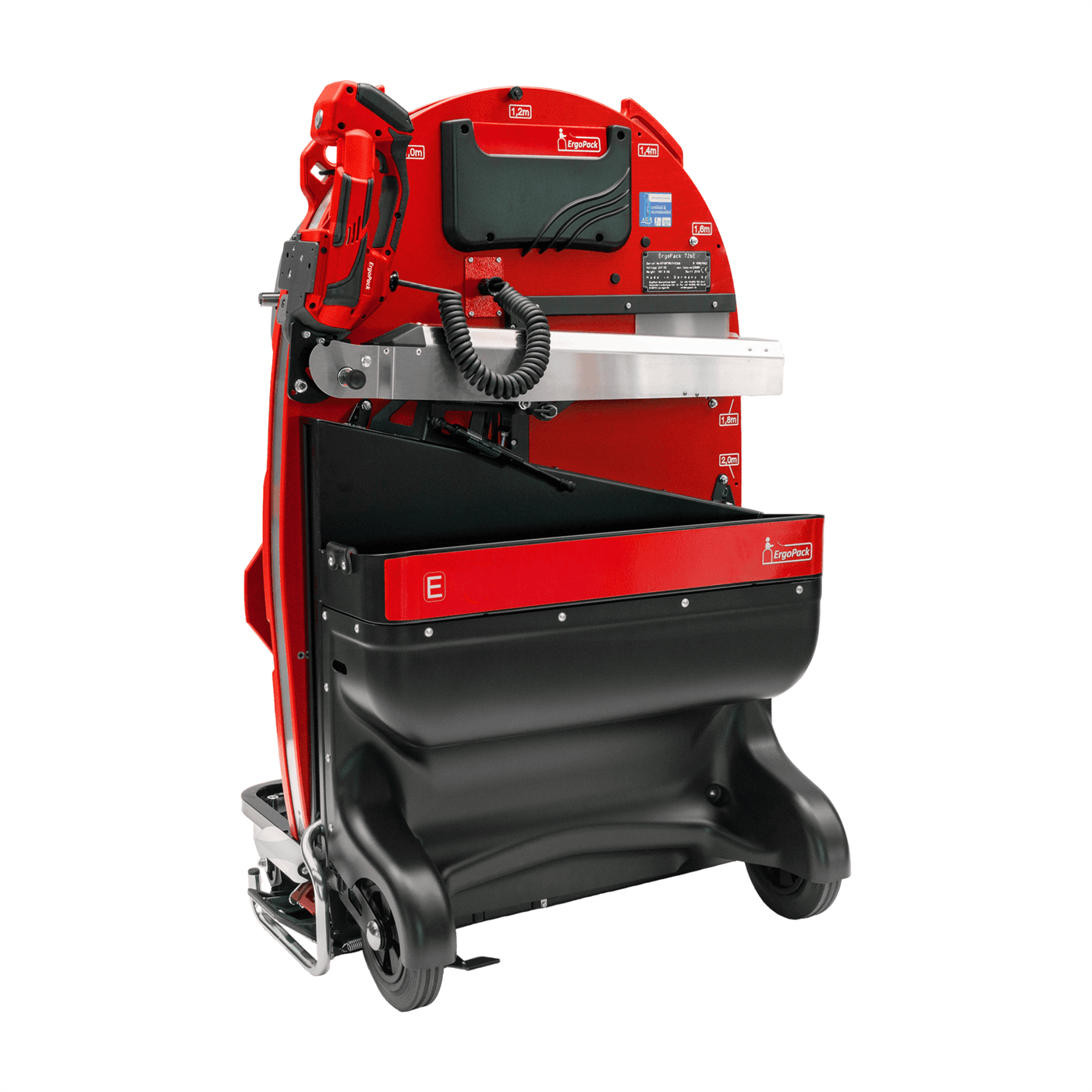
Pallet Strapping Machine for Small Business: Is It Worth It?
Small and mid-size Indian manufacturers and exporters often assume automation is only for big plants. For pallet securing, that’s usually wrong — here’s why a mobile machine fits a small business.
insights
How Many Pallets a Day Justify a Strapping Machine?
There’s a simple volume threshold above which a mobile strapping machine pays for itself. Here’s how to work out yours — and why it’s lower than most people expect.