insights
The Warehouse Labour Shortage: A Practical Solution for Indian Dispatch
Can’t find or keep dock labour? The realistic fix isn’t more hiring — it’s removing the hardest, most repetitive task from the headcount equation. Here’s how Indian warehouses do it.
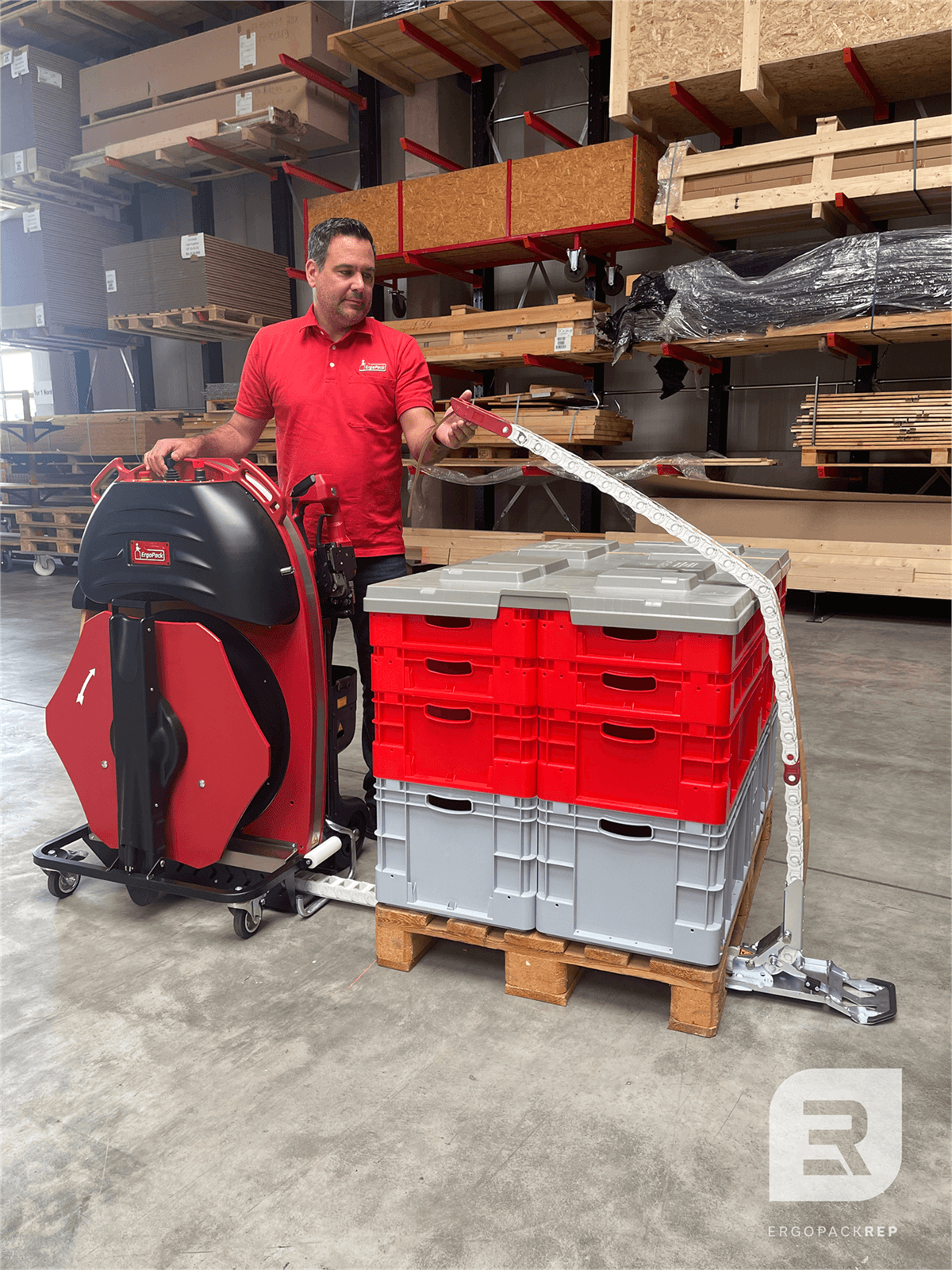
Warehouses across India are struggling to find and keep dock labour — and the people they do have are stretched across heavy, repetitive tasks they’d rather not do. Hiring your way out is slow and expensive when wages are rising. The practical fix is to take the hardest manual task off the headcount equation entirely. Here’s how.
Why the shortage hits the dock hardest
Dispatch work is physical and repetitive — bending to thread strap, hand-tensioning, lifting, double-handling. It’s exactly the work that’s hardest to staff and has the highest turnover:
- Manual strapping alone often ties up two people per pallet (manual vs automatic).
- High turnover means constant retraining and inconsistent quality.
- When someone’s absent, the dock slows or stops.
The fix: remove the task, don’t just add people
The durable solution isn’t hiring more for a job people don’t want — it’s automating the worst task so the same (or fewer) people do far more:
- Mobile strapping cuts the securing step from two operators at ~120s to one at under 40s.
- The freed person moves to skilled, value-adding work — picking, QA, loading.
- Output no longer depends on filling the hardest-to-staff role (reduce labour cost in packaging).
On a typical floor this saves around ₹25 lakh/year and pays back in 6–18 months — while making the dock far less fragile to absences and turnover (ROI calculator).
Why this beats hiring
| Hire more | Automate the worst task | |
|---|---|---|
| Speed to relief | Slow (recruit, train) | Immediate once installed |
| Cost trend | Rises with wages | Fixed; saving grows |
| Quality | Varies by person/shift | Consistent every cycle |
| Fragility to absence | High | Low — one operator covers |
| Worker appeal | Low (hard task) | High (skilled redeployment) |
How to apply it
- Identify the hardest-to-staff, most repetitive dock task — usually securing.
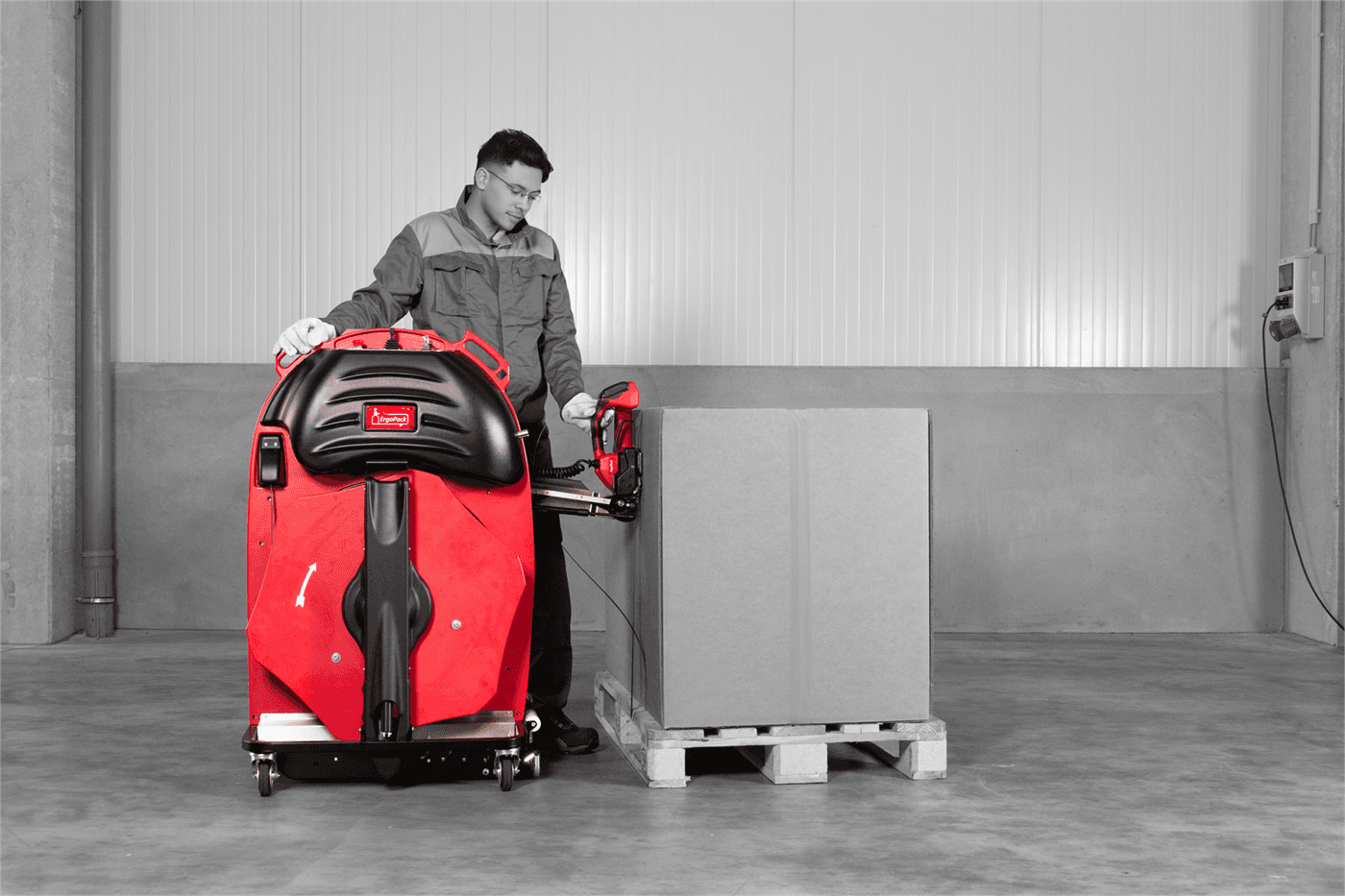
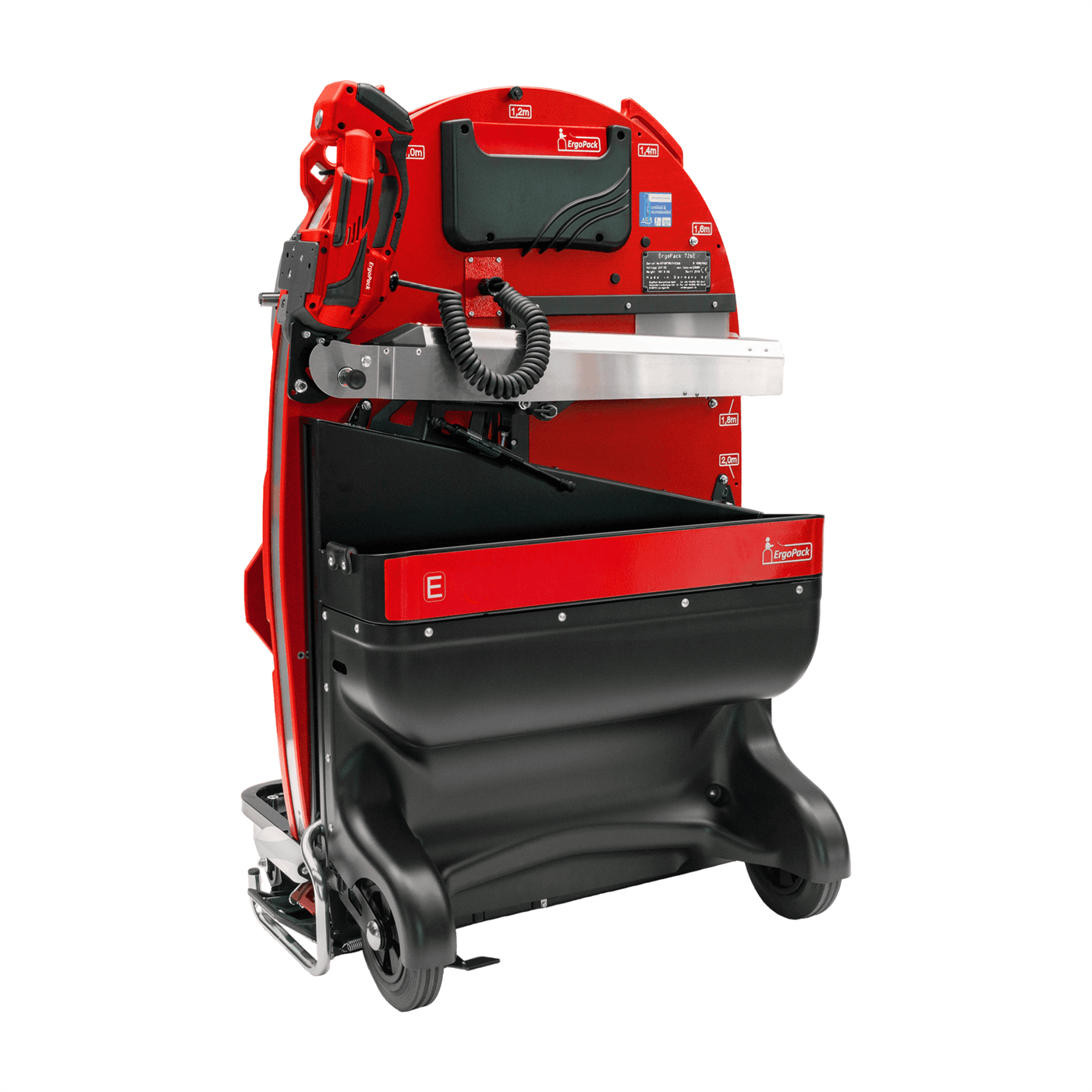
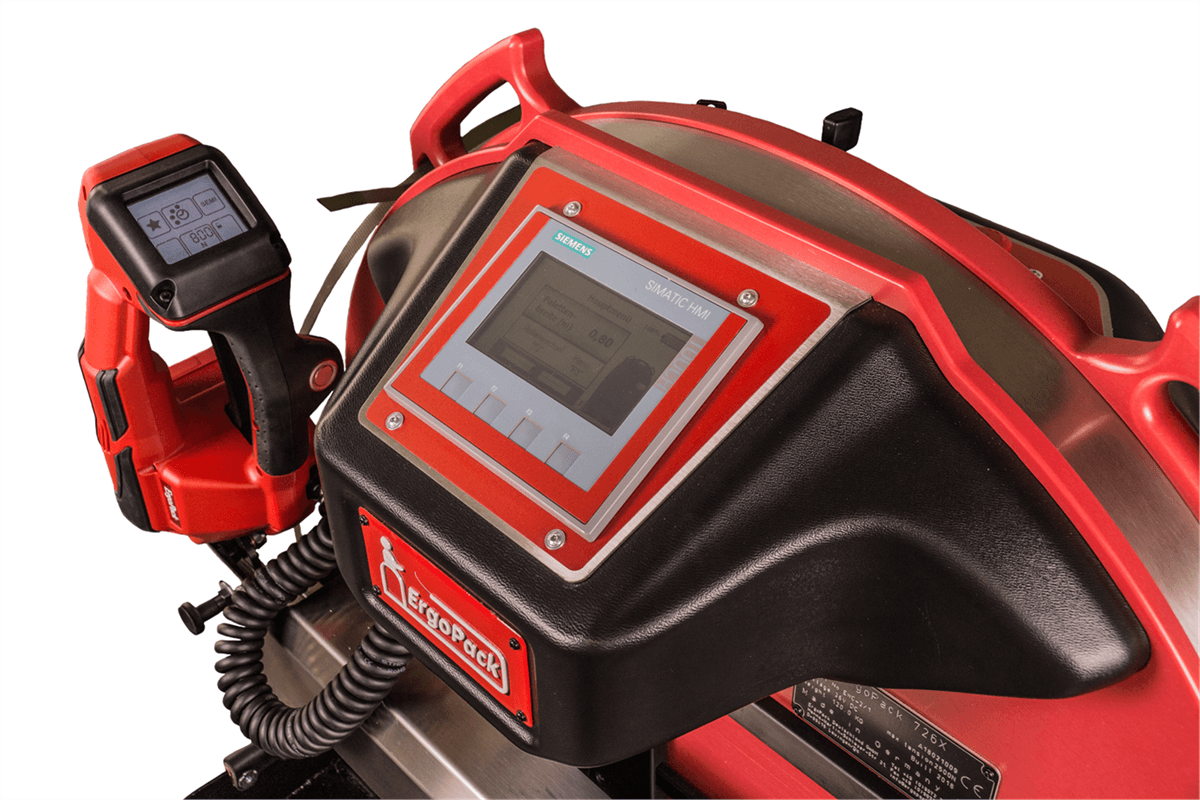
- Automate it with a mobile machine (ErgoPack GO / 726X) — no rebuild.
- Redeploy the freed labour to skilled work.
- Measure the headcount relief and dispatch-speed gain.
- Model the saving in the ROI calculator.
Labour-shortage checklist
- Hardest-to-staff dock task identified (often manual strapping)
- That task automated (mobile, no rebuild)
- Freed labour redeployed to skilled work
- Dock made resilient to absence/turnover
- Saving and payback modelled in ROI calculator
The warehouse labour shortage isn’t solved by hiring for a job people don’t want — it’s solved by automating the hardest task so fewer people ship more, consistently. Model the relief or request a quote.
Talk to a pallet strapping engineer
BENZ Packaging and ErgoPack India engineers support installations and service anywhere in India. Tell us your pallet setup and we’ll recommend the right machine — and send pricing.
Related Reading
Continue with the next guide
insights
Improving OEE: Why the Dispatch Dock Is the Forgotten Factor
OEE programmes obsess over the production line and ignore the dispatch dock — yet a manual securing bottleneck there caps the throughput your OEE is meant to protect. Here’s the link.
insights
Pallet Strapping Machine for Small Business: Is It Worth It?
Small and mid-size Indian manufacturers and exporters often assume automation is only for big plants. For pallet securing, that’s usually wrong — here’s why a mobile machine fits a small business.
insights
How Many Pallets a Day Justify a Strapping Machine?
There’s a simple volume threshold above which a mobile strapping machine pays for itself. Here’s how to work out yours — and why it’s lower than most people expect.