guides
The Warehouse Dock Bottleneck: How to Find and Fix It
The dock bottleneck caps how much a warehouse can ship. How to identify the real constraint, why it’s usually the securing step, and how to clear it without rebuilding the dock.
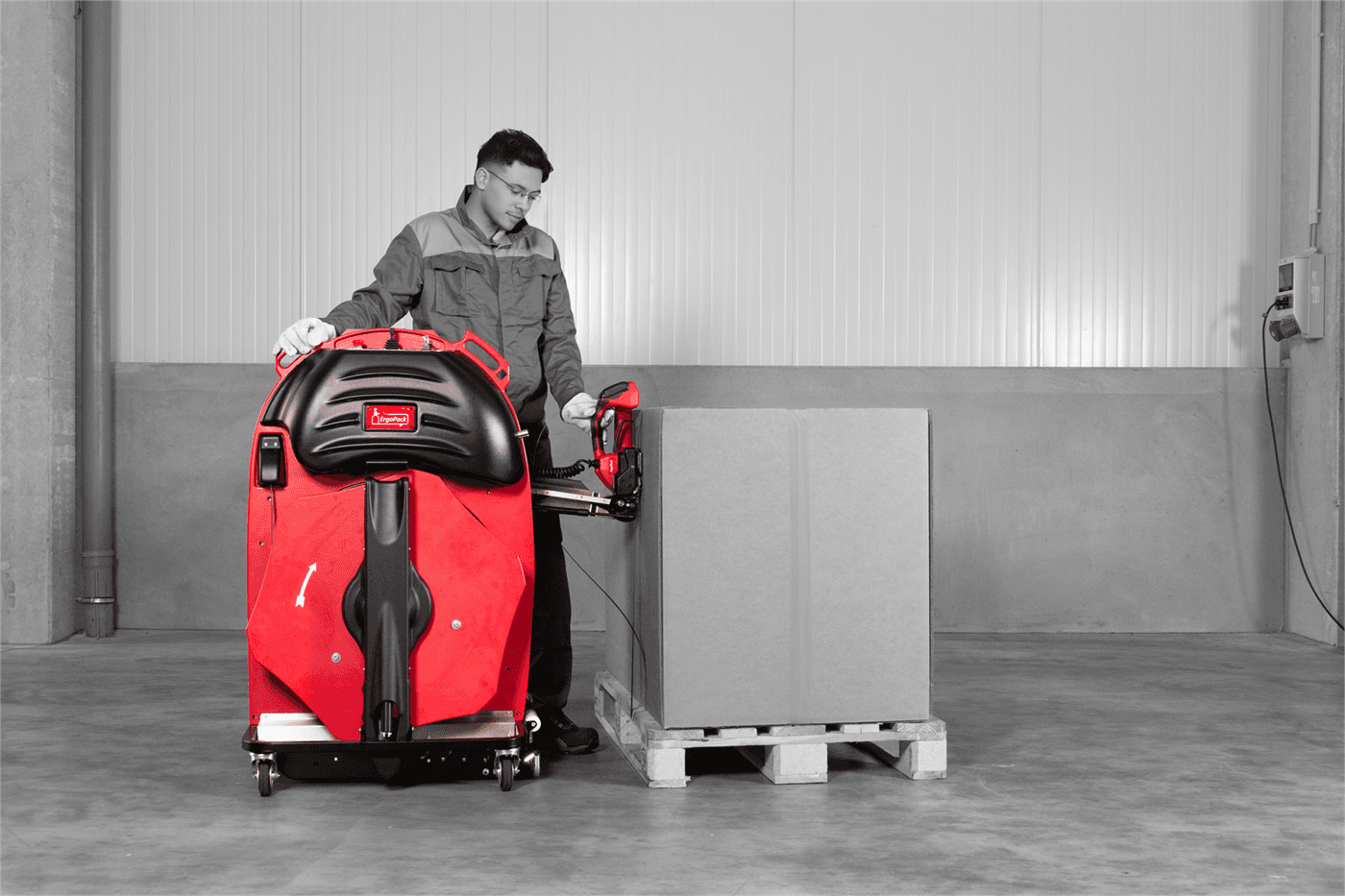
Every warehouse has a dock bottleneck — the single step that decides how fast it can ship. Add people or space anywhere else and output barely moves; fix the bottleneck and the whole dock speeds up. Here is how to find it and clear it.
What a bottleneck actually is
A dock's shipping rate is set by its slowest step, not its average. Everything upstream of the bottleneck builds up in front of it; everything downstream sits idle waiting. So adding effort anywhere except the constraint is wasted — a core principle of throughput (increase factory throughput).
How to find your dock bottleneck
- Walk the dock and watch where pallets pile up — work-in-progress accumulates in front of the constraint.
- Time each step for a typical pallet: stage, wrap, secure, label, load.
- The longest, most labour-heavy step is the bottleneck — and where queues form.
Why it's usually the securing step
On most docks the constraint is manual strapping:
- It's slow — ~120 seconds per pallet by hand.
- It's labour-heavy — typically two operators bending and threading.
- It's inconsistent — by-feel tension causes re-work and rejections (manual vs automatic cost).
Wrapping and loading are often faster than securing, so pallets queue behind the strapping station.
How to clear it — without rebuilding the dock
You don't need conveyors or civil work. Move the securing step to mobile automation:
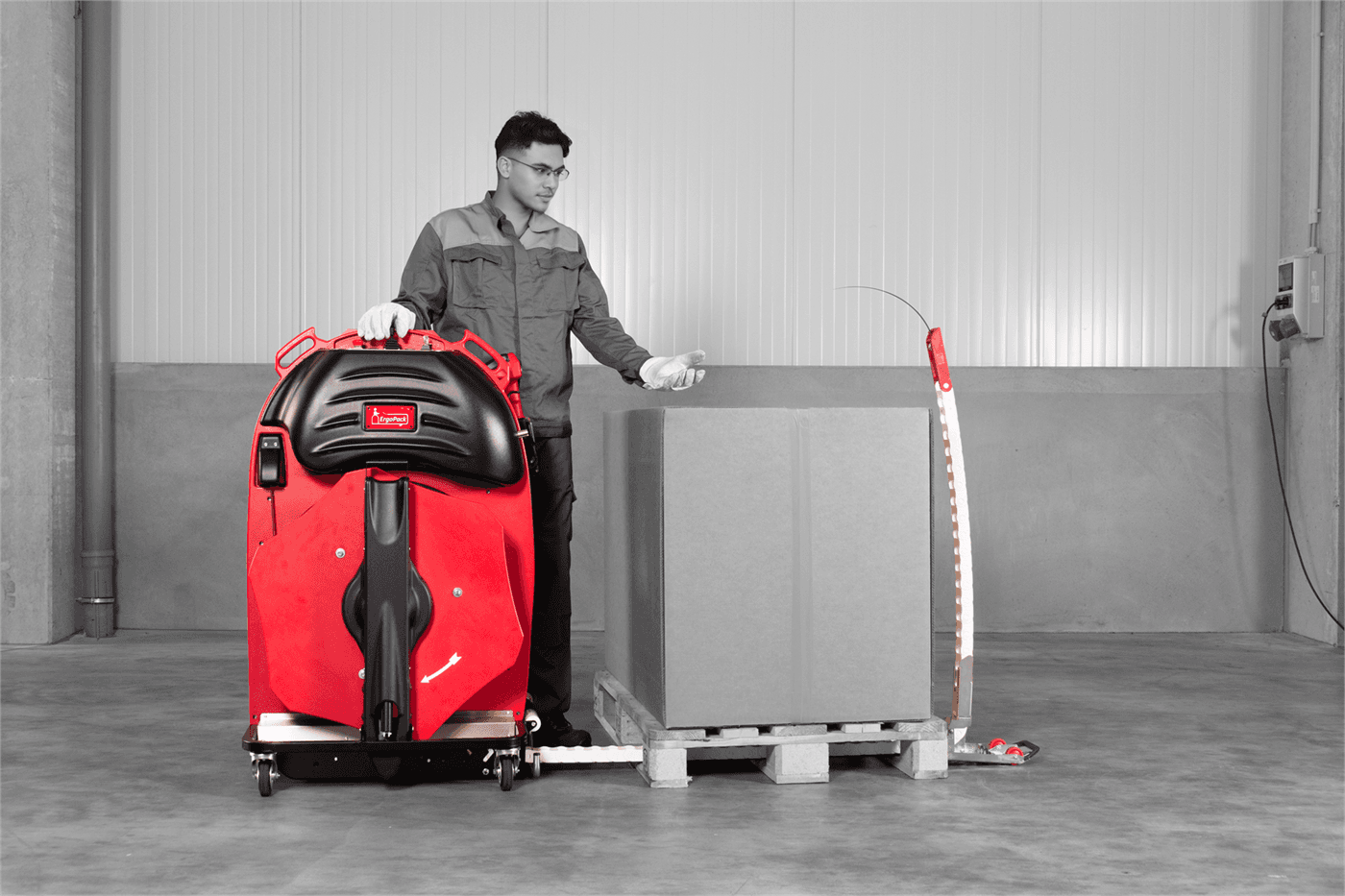
- A wheeled machine (ErgoPack GO / 726X) is brought to the pallet at any dock — no infrastructure.
- It cuts the step to under 40 seconds with one operator.
- Calibrated tension removes the re-work and rejections that clog the dock (reduce transit damage).
Clear that constraint and the next-slowest step becomes the new bottleneck — measure again and repeat.
Dock bottleneck checklist
- Dock walked; WIP pile-up located
- Every step timed for a typical pallet
- Bottleneck confirmed (usually securing)
- Securing automated (mobile, no rebuild)
- Re-work and rejections removed
- Next constraint identified and targeted
- Gain modelled in ROI calculator
The dock bottleneck — almost always the manual securing step — caps your shipping rate. Clear it with mobile automation, no rebuild required, and the whole dock speeds up. Model the gain or request a quote.
Talk to a pallet strapping engineer
BENZ Packaging and ErgoPack India engineers support installations and service anywhere in India. Tell us your pallet setup and we’ll recommend the right machine — and send pricing.
Related Reading
Continue with the next guide
guides
PP vs PET Strapping: Which Should You Use, and When?
PP and PET strap suit very different loads. A clear guide to when polypropylene is enough and when polyester is essential — by load weight, settling, and export exposure.
guides
Strapping Machine AMC, Spares and Uptime: What to Check Before You Buy
A strapping machine is only as good as its uptime. What to check on service, spare parts and AMC before you buy — so the machine that saves you ₹25 lakh a year actually keeps running.
guides
Pallet Strapping Machine Buying Checklist: 10 Questions Before You Decide
Before you buy a pallet strapping machine, run through these ten questions. They cover loads, volume, power, tension, service and ROI — so you choose the right machine, not just the cheapest.