insights
Is Packaging Automation Worth It? A Straight Answer for Indian Factories
Is packaging automation worth it? Yes — under specific, checkable conditions. The honest decision framework: when it pays, when it does not, and how to be sure before you invest.
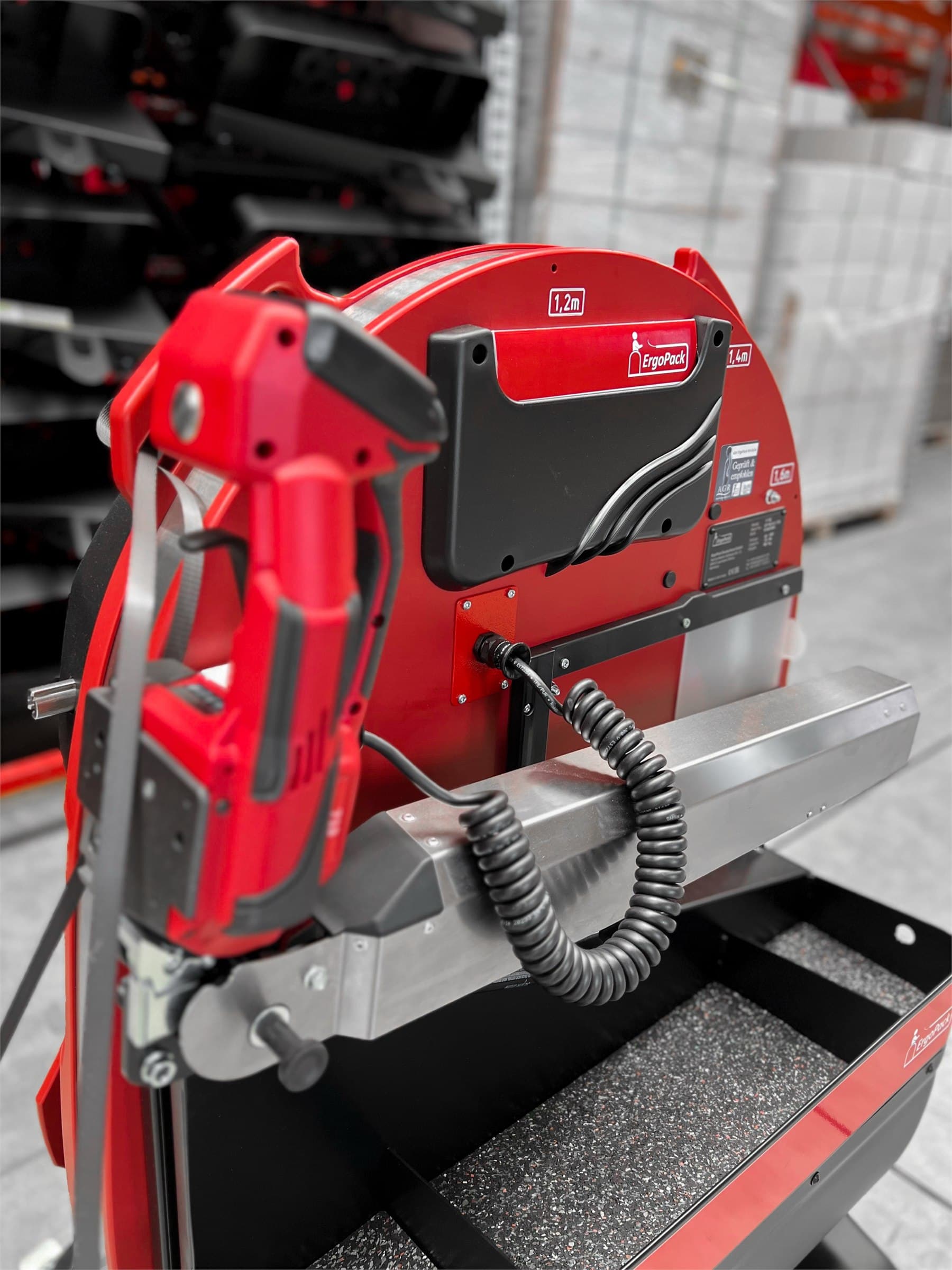
"Is packaging automation worth it?" is the right question to ask before spending money — and the honest answer is: yes, under specific conditions you can check yourself. Automation is not always worth it; here is the framework to know for sure before you invest.
The short answer
Packaging automation is worth it when you have enough volume, a labour-heavy repetitive step, rising wages, and damage or rejection risk. On a typical Indian floor that means a payback of 6–18 months and savings of around ₹25 lakh/year thereafter (ROI calculator). When those conditions are absent — very low volume, light non-critical loads — it may not be.
When packaging automation IS worth it
You should automate when most of these are true:
- Volume — dozens of pallets/cartons per shift, every shift.
- Labour-heavy step — multiple operators on a repetitive task (e.g. two people hand-strapping each pallet).
- Rising wages — your manual cost goes up every year (rising labour costs).
- Damage/rejection risk — inconsistent manual work causes transit damage or export rejections (reduce rejections).
- Throughput pressure — the manual step is a bottleneck.
The more of these you tick, the more clearly it's worth it.
When it is NOT worth it (be honest)
- Very low volume — a handful of pallets a week won't justify capital.
- Light, non-critical loads with no export or damage exposure.
- Wrong step automated — automating a non-bottleneck just builds WIP (where to start automation).
- Big-bang over-investment — a full robotic line where a contained mobile machine would do.
The fix for the last two is not "don't automate" — it's "automate the right step, contained and low-disruption."
How to be sure before you invest
- Count the volume across both shifts.
- Time the manual step and count the people on it.
- Add up the true manual cost — labour + strap/consumable waste + damage + throughput loss.
- Project wages forward — manual cost rises yearly; the machine cost is fixed.
- Model the payback in the ROI calculator.
- Prove it on your floor — request a free on-site demo on your heaviest pallet.
If the payback is inside ~18 months and the conditions above hold, it's worth it.
"Worth it" checklist
- Volume high enough (dozens/shift)
- Labour-heavy repetitive step identified
- Wage trajectory rising
- Damage/rejection risk present
- Right (bottleneck) step targeted, contained approach
- Payback modelled < ~18 months
- Proven on your own pallet before buying
Packaging automation is worth it when volume, labour, rising wages and damage risk line up — which they do for most Indian dispatch floors, with 6–18 month payback. Check it against the framework, then model your ROI or request a quote.
Talk to a pallet strapping engineer
BENZ Packaging and ErgoPack India engineers support installations and service anywhere in India. Tell us your pallet setup and we’ll recommend the right machine — and send pricing.
Related Reading
Continue with the next guide
insights
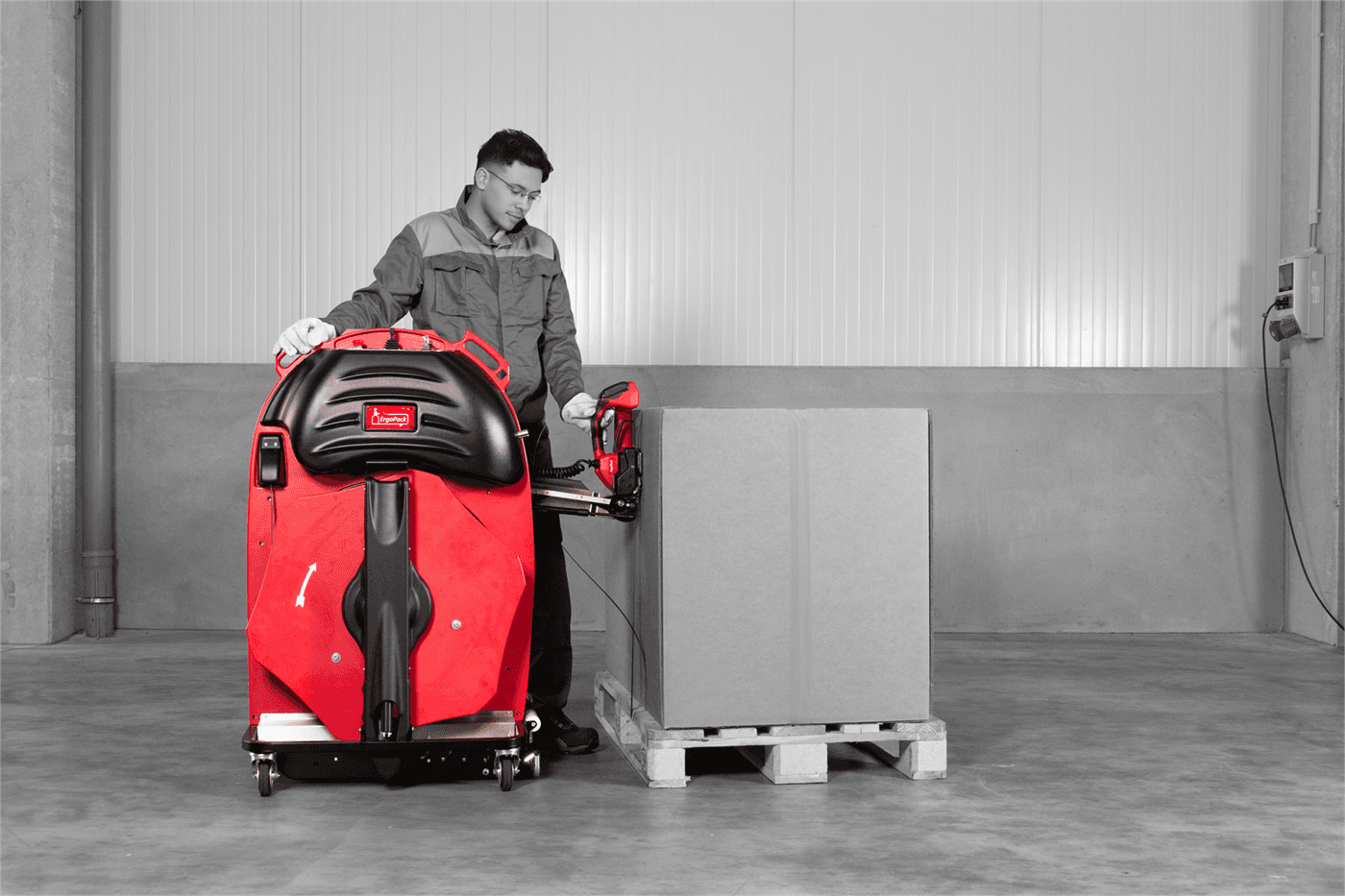
Improving OEE: Why the Dispatch Dock Is the Forgotten Factor
OEE programmes obsess over the production line and ignore the dispatch dock — yet a manual securing bottleneck there caps the throughput your OEE is meant to protect. Here’s the link.
insights
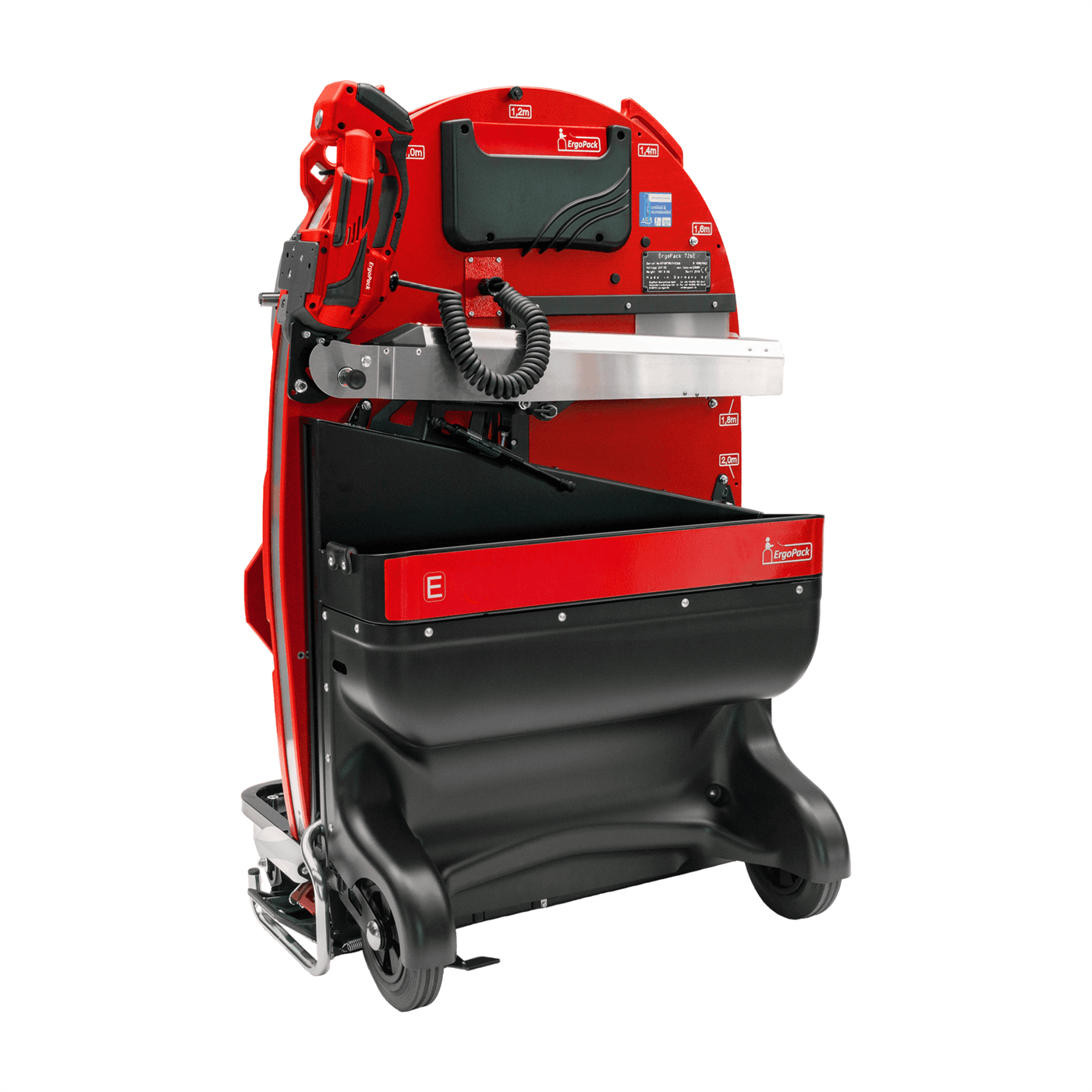
Pallet Strapping Machine for Small Business: Is It Worth It?
Small and mid-size Indian manufacturers and exporters often assume automation is only for big plants. For pallet securing, that’s usually wrong — here’s why a mobile machine fits a small business.
insights
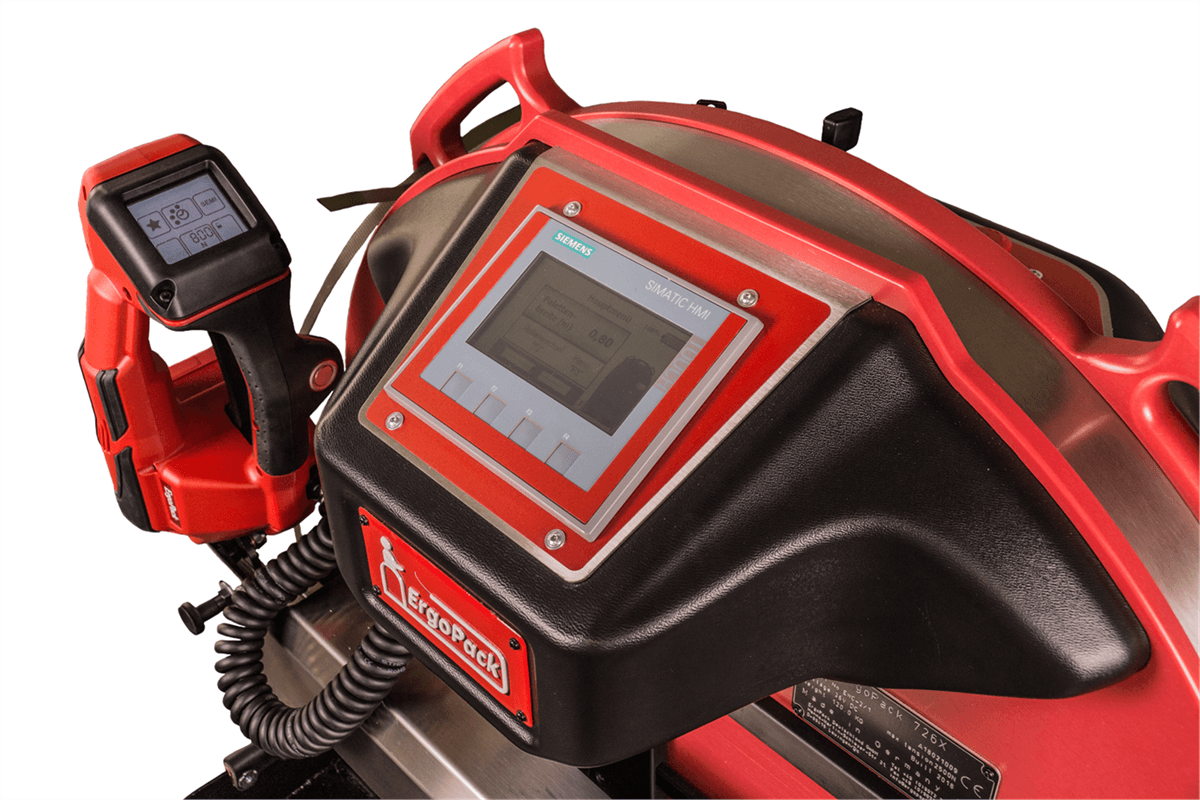
How Many Pallets a Day Justify a Strapping Machine?
There’s a simple volume threshold above which a mobile strapping machine pays for itself. Here’s how to work out yours — and why it’s lower than most people expect.