insights
Industrial Automation to Increase Efficiency: Where Indian Factories Should Start
Industrial automation increases efficiency — but only when applied to the right step. A practical guide to where automation pays off fastest for Indian factories, with the bottleneck-first approach.
Industrial automation is the obvious answer to rising labour costs and the pressure to do more with less — but "automate everything" is the wrong strategy. Automation increases efficiency only when applied to the right step, in the right order. Here is how Indian factories should approach it to get real efficiency gains fast.
What industrial automation actually delivers
Done well, automation delivers measurable efficiency gains:
- Lower labour cost — fewer operators on repetitive tasks, hedged against rising wages.
- Higher throughput — machines work faster and don't fatigue.
- Consistency — repeatable quality, fewer defects and rejections.
- Better use of people — labour redeployed to skilled, value-adding work.
- Scalability — handle growth without proportional headcount.
But these only materialise if you automate the step that is actually holding the factory back.
The bottleneck-first principle
A factory's output is capped by its slowest step — automate anything else and you just build up work-in-progress in front of the real constraint. So the first job is not "what can we automate?" but "what is our bottleneck, and what is our most expensive repetitive task?" (increase factory throughput).
Automate that step first. Measure. Then find the next constraint and repeat.
Where automation pays off fastest
For most Indian manufacturing and dispatch operations, the highest-ROI automation is at the end of the line, not the start:
- Production is often already partly automated; the manual gap is at dispatch — palletising, strapping, wrapping.
- These steps are repetitive, labour-heavy and a common bottleneck.
- They have fast payback and low disruption — see end-of-line packaging automation.
The cleanest first project is usually automating the securing (strapping) step: a two-person, ~120-second-per-pallet task becomes one operator at under 40 seconds, saving ~₹25 lakh/year on a typical floor and recovering the machine in 6–18 months (rising labour costs & savings).
Low-disruption automation beats big-bang projects
A common mistake is treating automation as a single massive capital project — a full robotic line with conveyors and civil works. That carries high cost, long lead time and disruption. The smarter path:
- Start with a contained, high-ROI step (mobile strapping needs no conveyors or rebuild).
- Prove the result, build internal confidence and the business case.
- Expand to the next step (palletising, wrapping) once the first pays back.
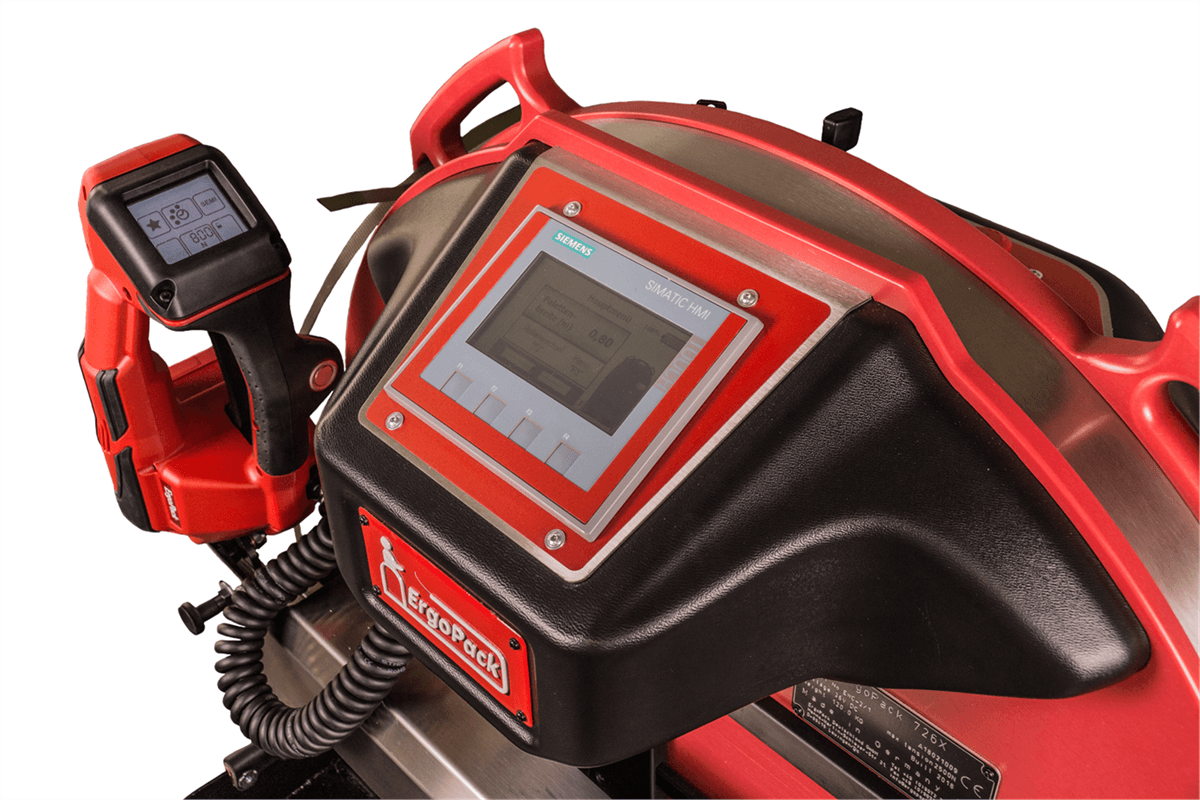
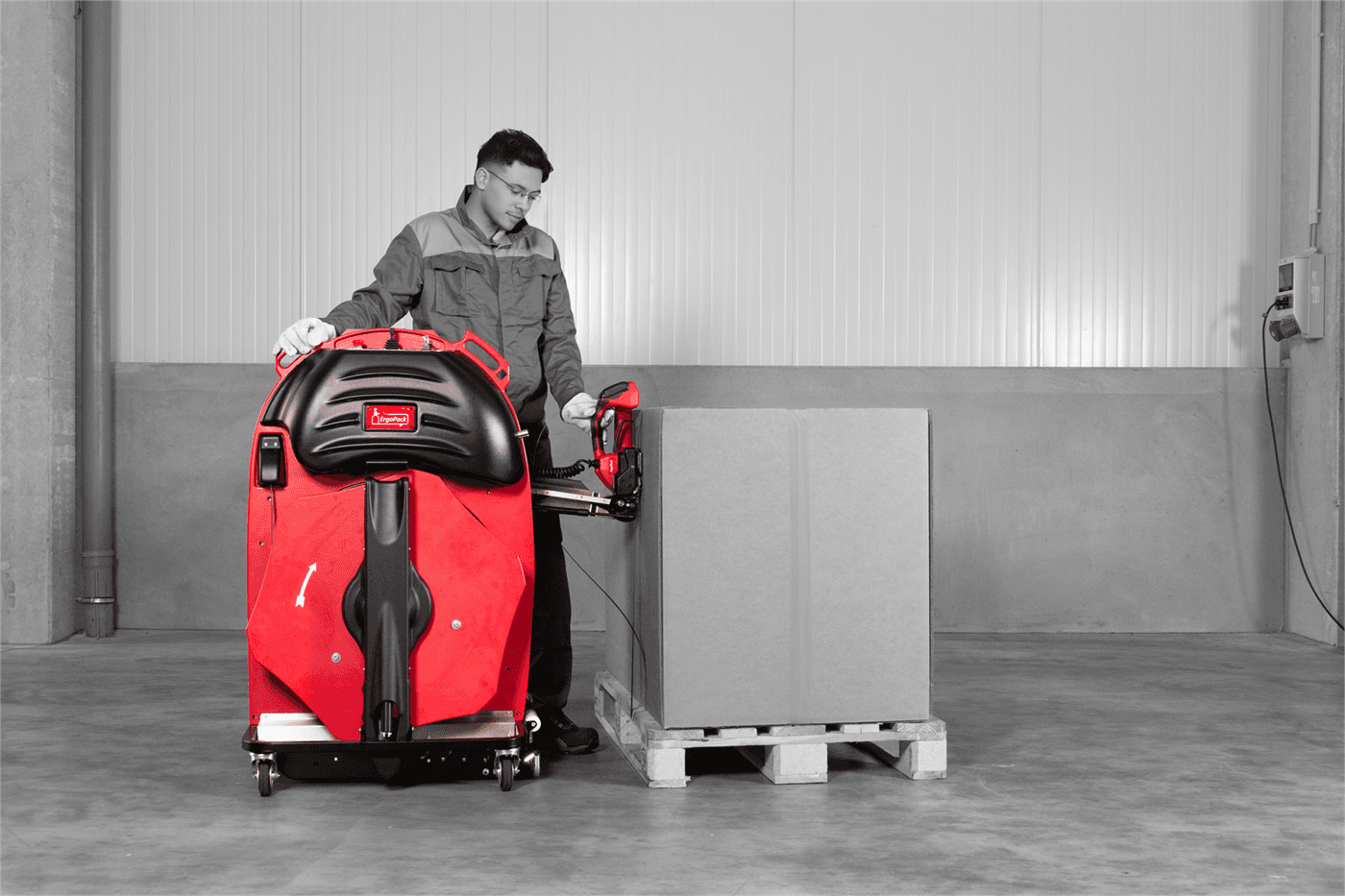
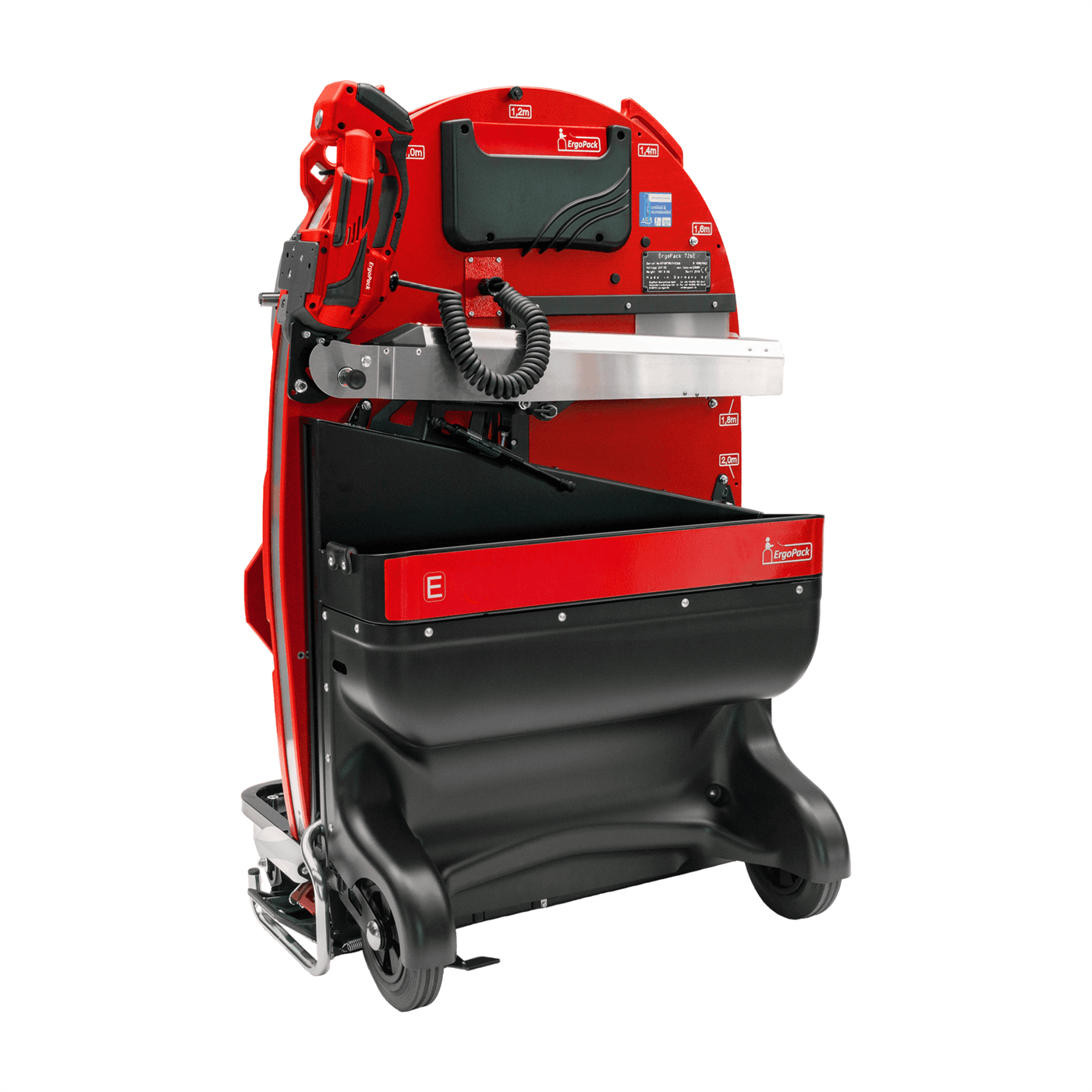
Mobile systems such as the ErgoPack 726X, GO and 700 are exactly this kind of low-disruption first step — wheeled to the pallet, no infrastructure.
How to approach automation for efficiency
- Map the process and time each step.
- Find the bottleneck and the biggest repetitive labour cost.
- Automate that step first — contained, high-ROI, low-disruption.
- Model the ROI before investing — ROI calculator.
- Measure, then expand to the next constraint.
Efficiency automation checklist
- Process mapped and timed
- Bottleneck + biggest repetitive cost identified
- Highest-ROI step automated first (often dispatch securing)
- Low-disruption approach over big-bang project
- ROI modelled before each investment
- Result measured; next constraint targeted
Industrial automation increases efficiency when it's aimed at the right step in the right order — bottleneck first, low-disruption, high-ROI. For most Indian factories that first step is at the dispatch dock. Model your ROI or request a quote.
Talk to a pallet strapping engineer
BENZ Packaging and ErgoPack India engineers support installations and service anywhere in India. Tell us your pallet setup and we’ll recommend the right machine — and send pricing.
Related Reading
Continue with the next guide
insights
Improving OEE: Why the Dispatch Dock Is the Forgotten Factor
OEE programmes obsess over the production line and ignore the dispatch dock — yet a manual securing bottleneck there caps the throughput your OEE is meant to protect. Here’s the link.
insights
Pallet Strapping Machine for Small Business: Is It Worth It?
Small and mid-size Indian manufacturers and exporters often assume automation is only for big plants. For pallet securing, that’s usually wrong — here’s why a mobile machine fits a small business.
insights
How Many Pallets a Day Justify a Strapping Machine?
There’s a simple volume threshold above which a mobile strapping machine pays for itself. Here’s how to work out yours — and why it’s lower than most people expect.