guides
Glass & Mirror Export Packaging: Crates, A-Frames and Securing Without Breakage
How to crate and secure flat glass, mirrors and glazing units for export — vertical orientation, A-frame/L-pallets, interleaving, edge protection, and banding that holds without bending the panels.
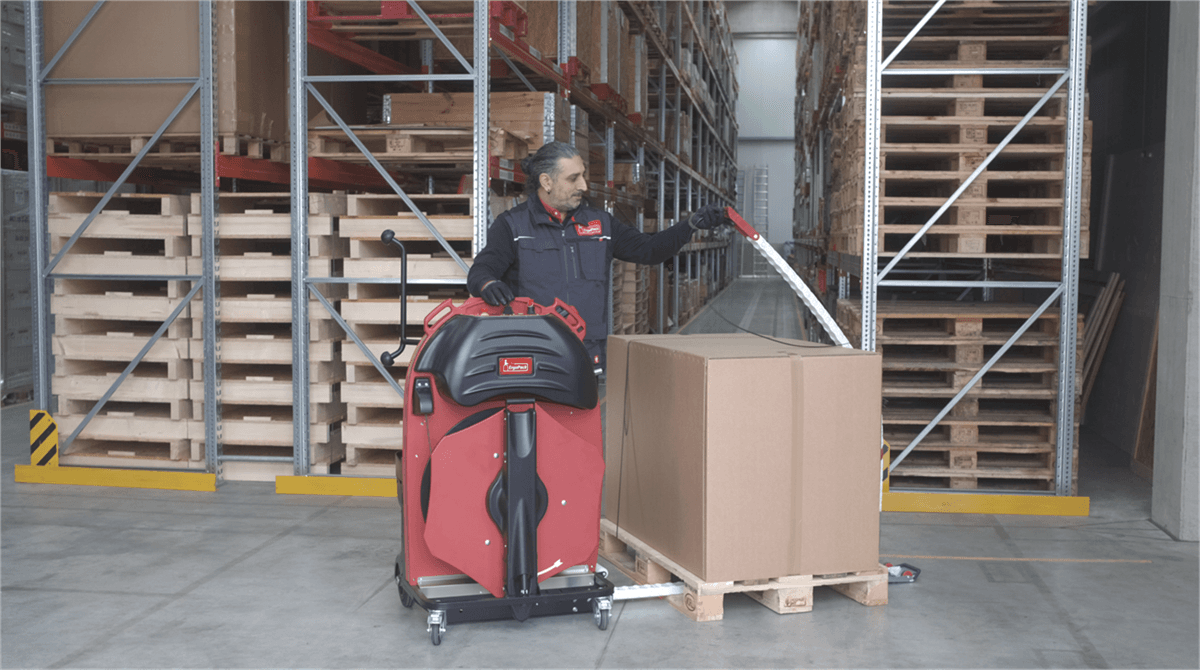
Flat glass and mirrors are the most unforgiving load in logistics: rigid, heavy, and catastrophic when they fail — one cracked panel can take out a whole stack. Shipping architectural glass, glazing units and mirrors for export is a specialist discipline built around one rule and a set of methods. Here is how it is done.
The one rule: glass travels on edge, never flat
Flat glass is strong on its edge and weak across its face. Laid flat, the weight of the panels and any vibration flexes the glass until it cracks. Glass and mirrors are shipped standing vertically, on edge, in crates or A-frames designed to hold them that way. Everything else follows from this.
Crates and A-frames
- Wooden A-frames and L-pallets with internal bracing and precise dimensions hold glazing units, tempered and laminated glass, and custom architectural glass stable at every handling point.
- Crates for export are stout, screwed construction (framed timber with plywood/OSB sheathing, exterior battens to prevent puncture) — solid enough to protect a delicate cargo through a sea voyage.
- For export, all wood must be ISPM-15 compliant (ISPM-15 explained).
Inside the crate
- Suspend the glass off the floor — blocking under the panels so the glass never rests directly on the wood; this acts as suspension and absorbs shock.
- Interleaving (paper or foam) between panels so they cannot rub or scratch each other.
- Edge protectors on the corners and edges — the most vulnerable points.
- Anti-slip bases so the load cannot slide.
Securing — band the crate, don't bend the glass
- Band/strap around the entire crate to lock the contents and limit movement.
- Straps must secure the glass vertically without bending the panels — tension that flexes the glass is worse than no strap at all.
- Apply consistent, controlled tension: firm enough to immobilise a heavy stack, never so much that it loads the glass face. A calibrated machine such as the ErgoPack 726X applies an exact, repeatable tension and routes the strap automatically; the GO and 700 automate routing with your own tools. Use edge protectors under every strap (edge protectors).
Mark, document, manage moisture
- Fragile, this-way-up and handling marks — clearly and on all sides.
- Moisture barriers and condensation management for the sea leg (container rain).
- Export documentation and ISPM-15 stamps left visible.
Glass / mirror export checklist
- Glass oriented vertically, on edge — never flat
- A-frame / L-pallet or stout ISPM-15 crate
- Glass suspended off the floor (blocking under panels)
- Interleaving between panels; edge protectors on corners
- Crate banded; straps hold without bending the glass
- Consistent controlled tension; edge protectors under straps
- Fragile/this-way-up marks; moisture managed; ISPM-15 visible
Crate and secure glass to this standard — on edge, suspended, interleaved and banded without bending — and a brittle, rigid, high-value load survives the forklift and the ocean intact.
Talk to a pallet strapping engineer
BENZ Packaging and ErgoPack India engineers support installations and service anywhere in India. Tell us your pallet setup and we’ll recommend the right machine — and send pricing.
Related Reading
Continue with the next guide
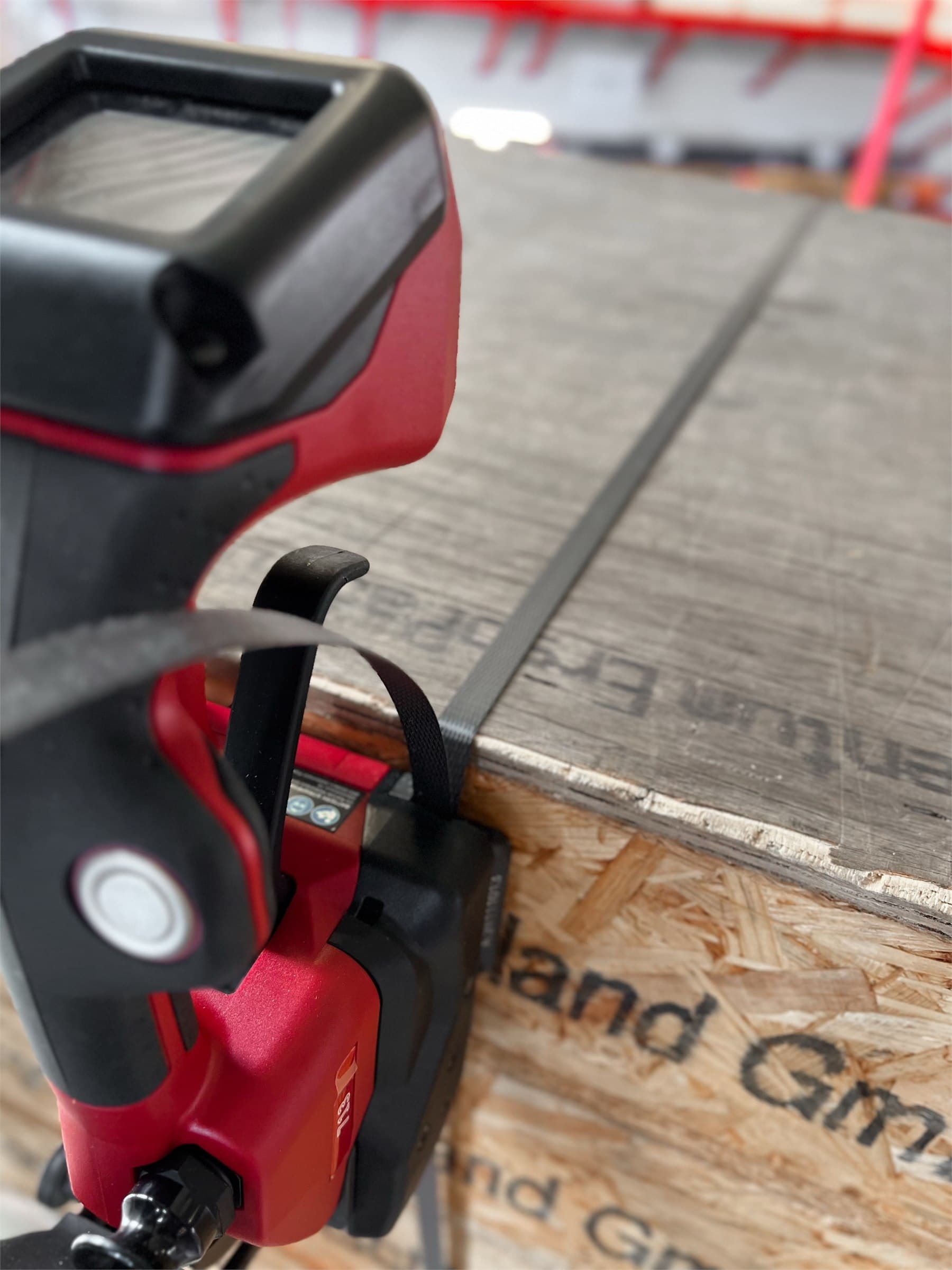
guides
PP vs PET Strapping: Which Should You Use, and When?
PP and PET strap suit very different loads. A clear guide to when polypropylene is enough and when polyester is essential — by load weight, settling, and export exposure.
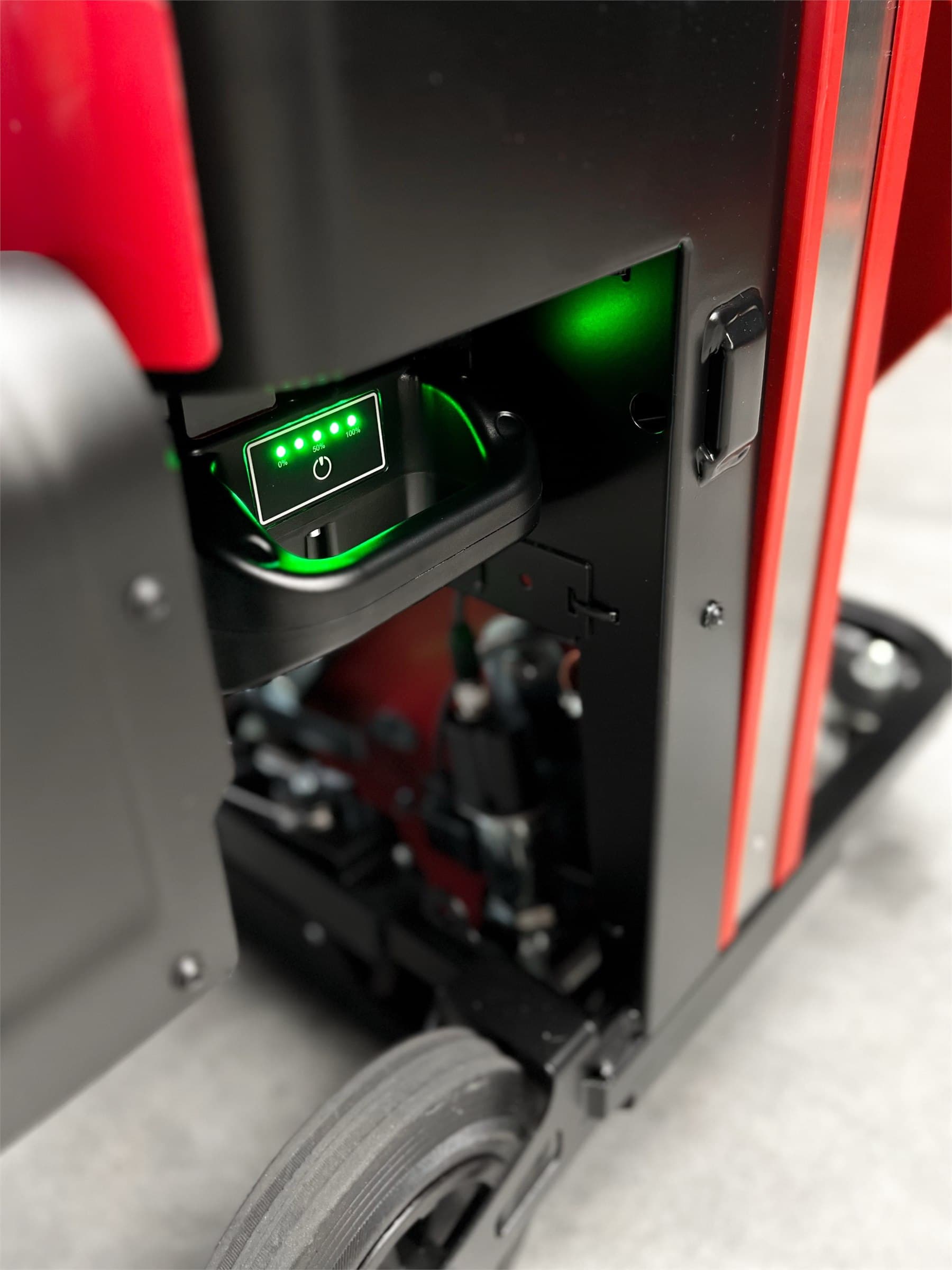
guides
Strapping Machine AMC, Spares and Uptime: What to Check Before You Buy
A strapping machine is only as good as its uptime. What to check on service, spare parts and AMC before you buy — so the machine that saves you ₹25 lakh a year actually keeps running.
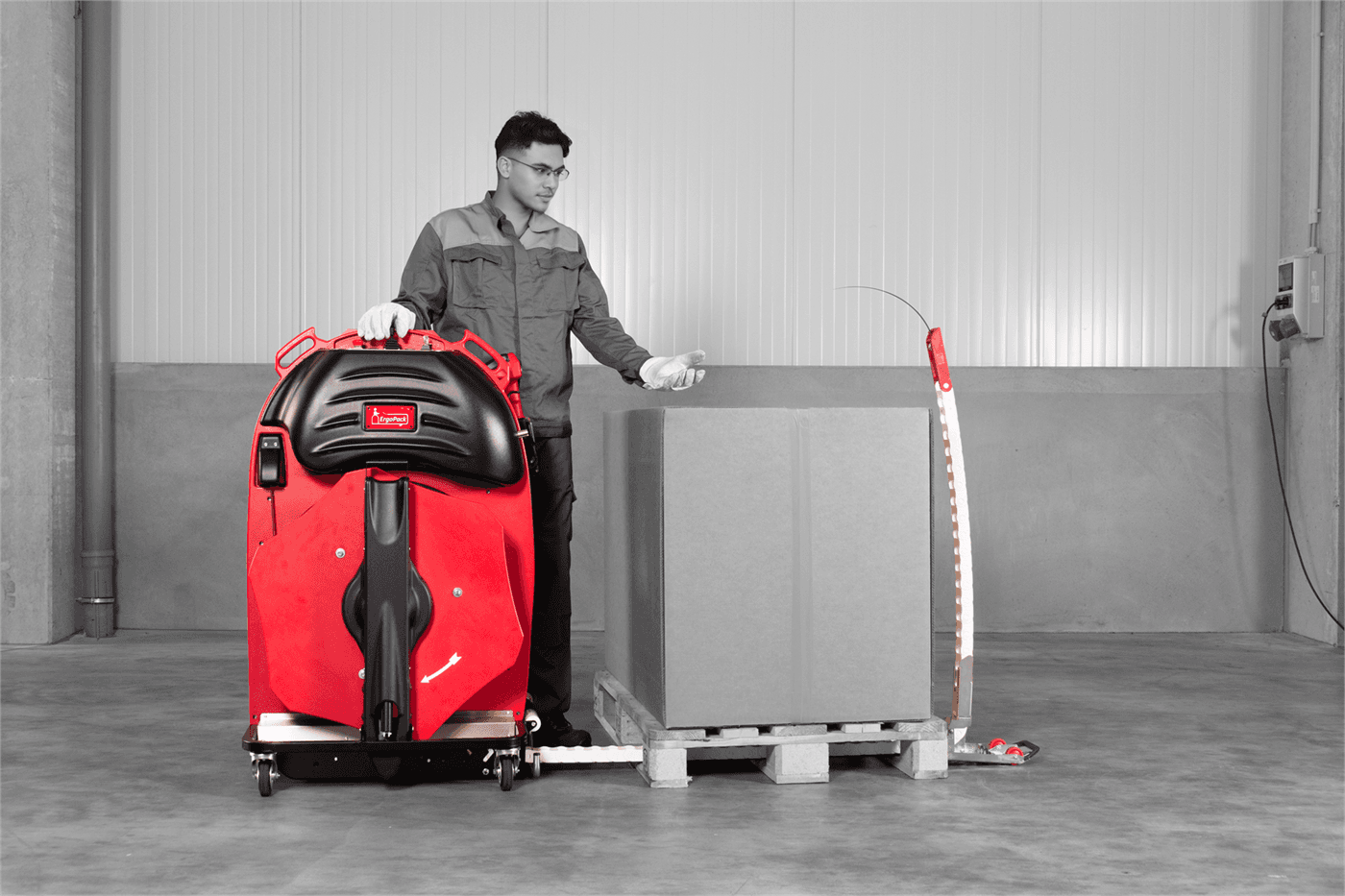
guides
Pallet Strapping Machine Buying Checklist: 10 Questions Before You Decide
Before you buy a pallet strapping machine, run through these ten questions. They cover loads, volume, power, tension, service and ROI — so you choose the right machine, not just the cheapest.