guides
What Is Palletisation? Unit Loads, Benefits and Best Practices
Palletisation turns loose goods into a single unit load that moves as one. What palletisation and unit loads are, why they matter, and how to build and secure them correctly.
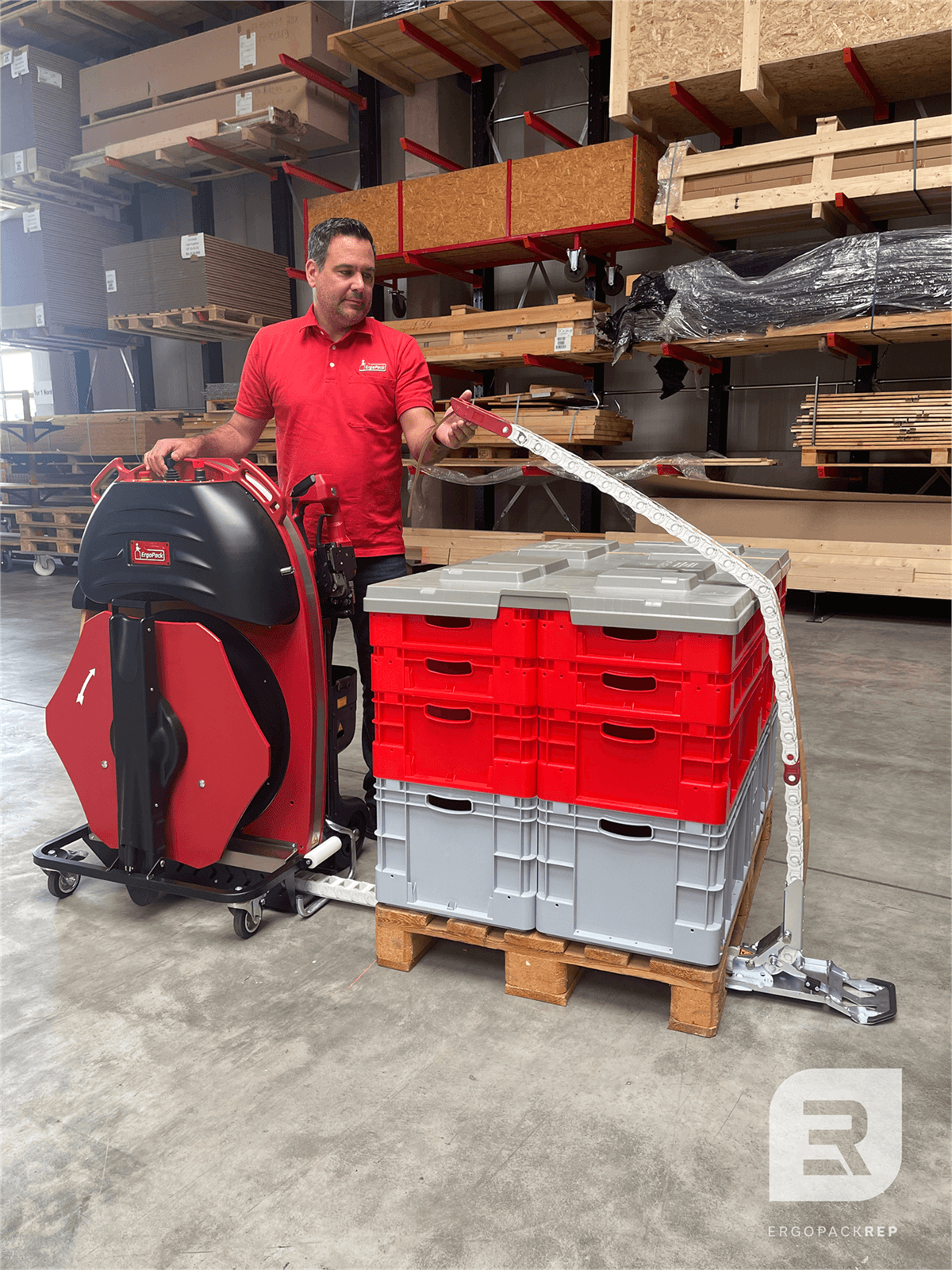
Palletisation is the quiet revolution that made modern logistics possible. Before it, goods were handled piece by piece; after it, an entire load moves in one forklift action. Here is what palletisation and unit loads are, and how to do them well.
What is palletisation?
Palletisation is the practice of stacking goods onto a pallet and securing them so the whole assembly can be handled, stored and transported as a single unit rather than as individual items. The result is a unit load — one stable block of goods on a pallet that a forklift can move, a rack can hold and a truck can carry.
What is a unit load?
A unit load is a single, stable assembly of goods — boxes, bags, drums — arranged on a pallet (or in a container) and secured so it behaves as one item. Unitising is the goal of palletisation: turn many small items into one handleable unit.
Why palletisation matters
- Faster handling — one forklift move replaces dozens of manual lifts.
- Less labour and injury — far less manual carrying.
- Better storage — unit loads stack in racking and use space efficiently.
- Less damage — a properly secured unit load resists the shifting that damages loose goods.
- Faster loading — trucks and containers load in unit loads, not loose cartons.
- Standardisation — uniform units make the whole supply chain predictable.
How to build a good unit load
- Choose the right pallet for the goods and the journey (what is a pallet).
- Stack stably — square, no overhang, heaviest at the bottom, the right pattern (column for strength, interlock for binding).
- Protect — edge boards and layer pads where needed.
- Secure — this is what makes it a unit load.
- Wrap — add a dust/moisture barrier.
Securing is what makes it a unit load
A stack of boxes on a pallet is not a unit load until it is secured to the pallet so it cannot come apart. This is where palletisation succeeds or fails:
- Strapping anchors the load down to the pallet base (vertical strapping) so the unit cannot shift or topple.
- Wrapping unitises the boxes and adds protection.
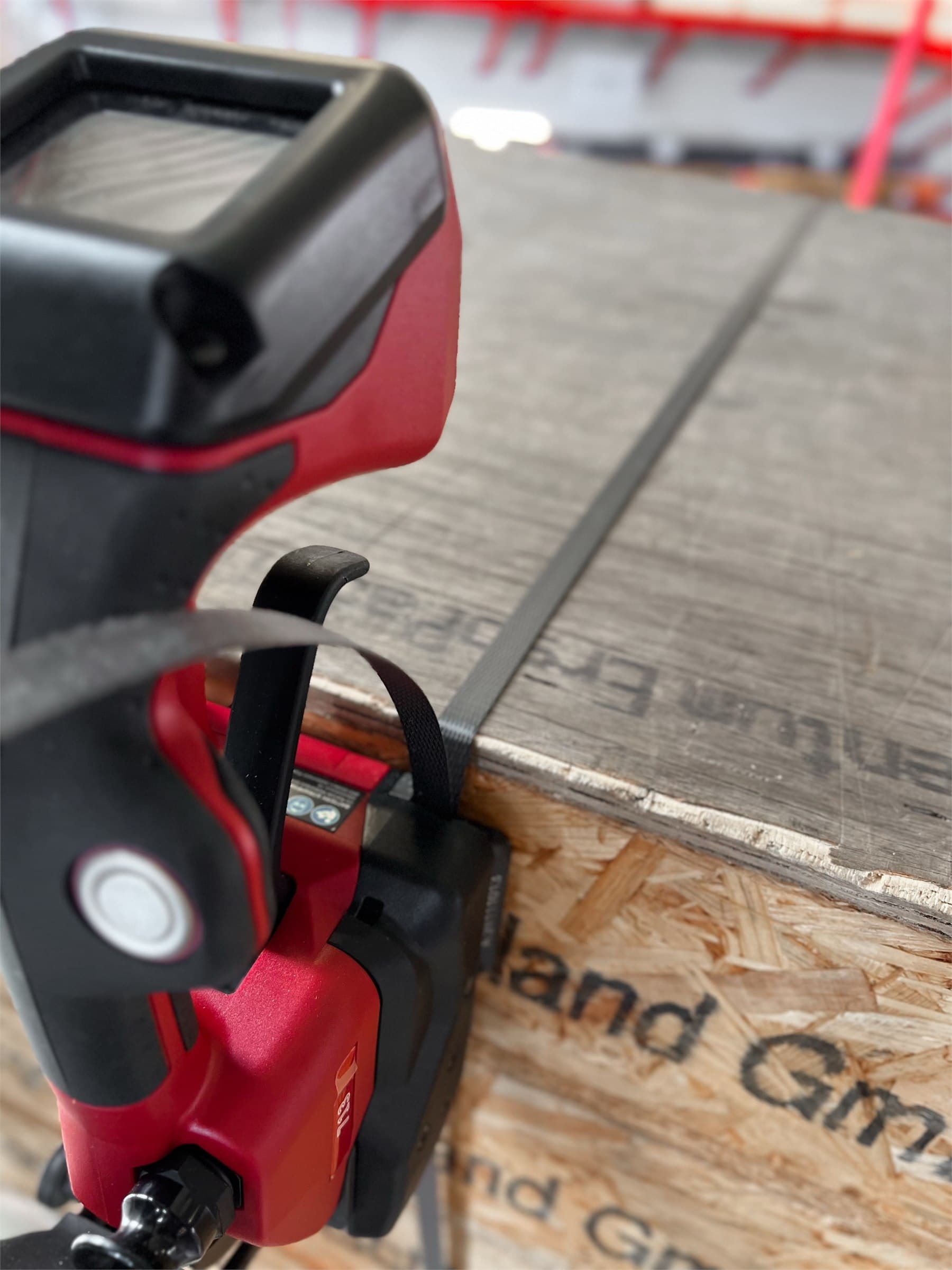
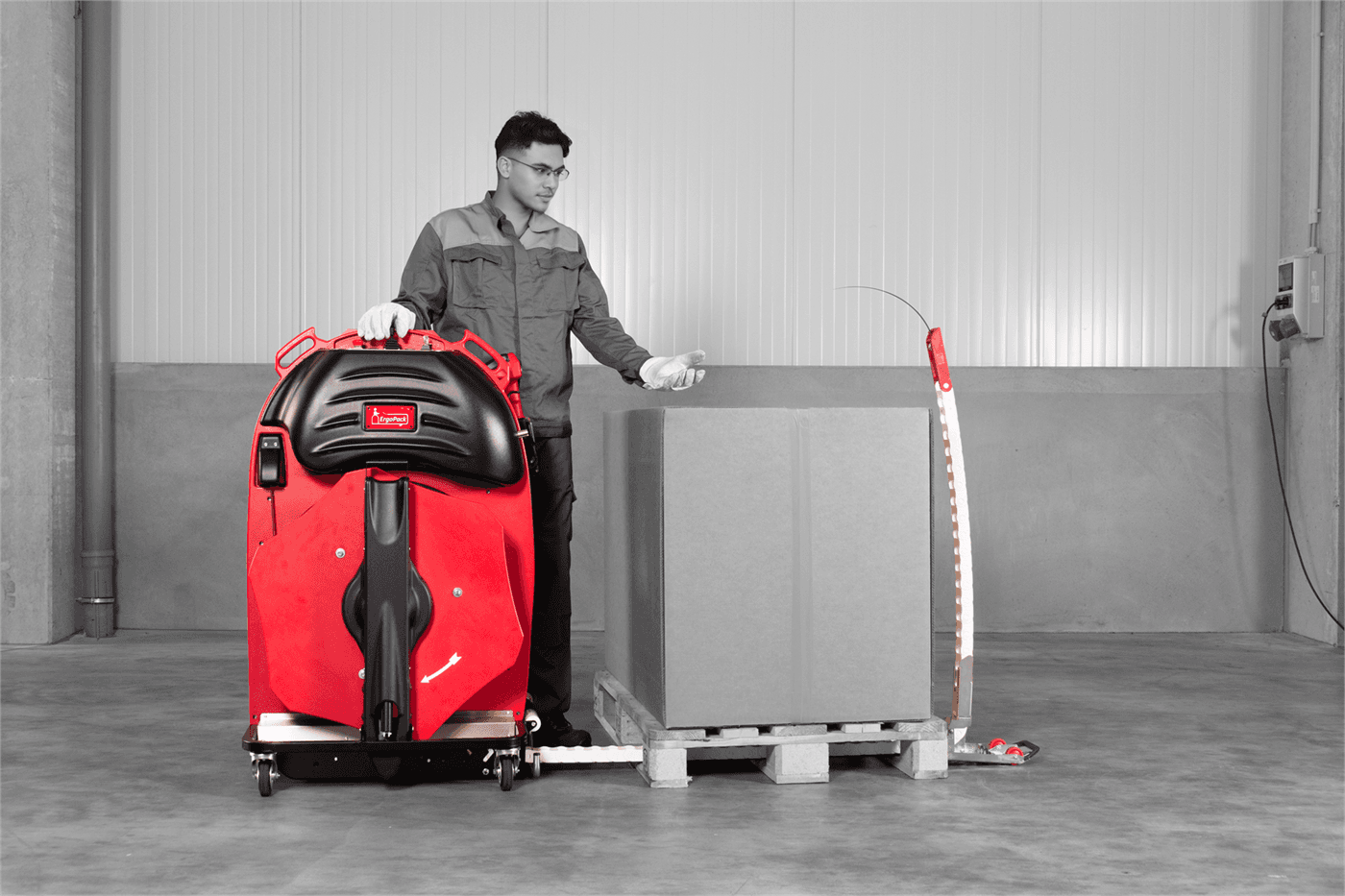
Without securing, the "unit load" falls apart at the first forklift turn. Mobile machines such as the ErgoPack 726X, GO and 700 build the secured unit load in under 40 seconds — routing the strap under the pallet and applying consistent tension. See how to pack a pallet for shipping and pallet strapping vs stretch wrapping.
Palletisation checklist
- Right pallet for the goods and route
- Stable stack — square, no overhang, correct pattern
- Edge protection and layer pads where needed
- Load secured (strapped) to the pallet — the unit-load step
- Wrapped for dust/moisture
- Labelled and documented
Palletisation turns loose goods into a single, secure, handleable unit load — and the securing is what turns a stack on a pallet into a true unit load that survives the journey.
Talk to a pallet strapping engineer
BENZ Packaging and ErgoPack India engineers support installations and service anywhere in India. Tell us your pallet setup and we’ll recommend the right machine — and send pricing.
Related Reading
Continue with the next guide
guides
PP vs PET Strapping: Which Should You Use, and When?
PP and PET strap suit very different loads. A clear guide to when polypropylene is enough and when polyester is essential — by load weight, settling, and export exposure.
guides
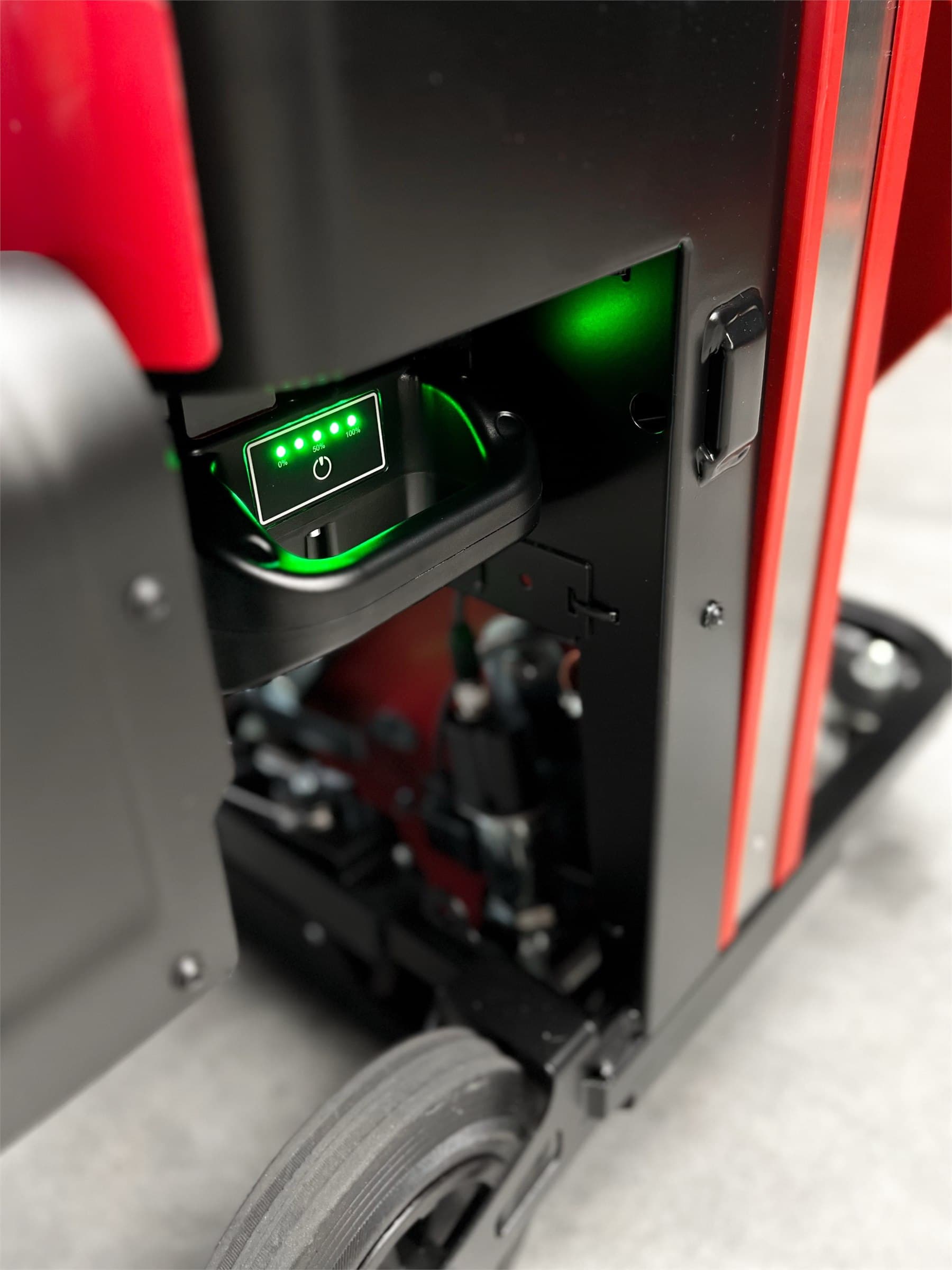
Strapping Machine AMC, Spares and Uptime: What to Check Before You Buy
A strapping machine is only as good as its uptime. What to check on service, spare parts and AMC before you buy — so the machine that saves you ₹25 lakh a year actually keeps running.
guides
Pallet Strapping Machine Buying Checklist: 10 Questions Before You Decide
Before you buy a pallet strapping machine, run through these ten questions. They cover loads, volume, power, tension, service and ROI — so you choose the right machine, not just the cheapest.