guides
Tea & Spices Export Packaging: Protecting Aroma, Moisture and Quality
How tea and spices are packaged for export — moisture and aroma barriers, foil and multi-wall packaging, fumigation and food safety, and securing moisture-sensitive bagged and boxed loads.
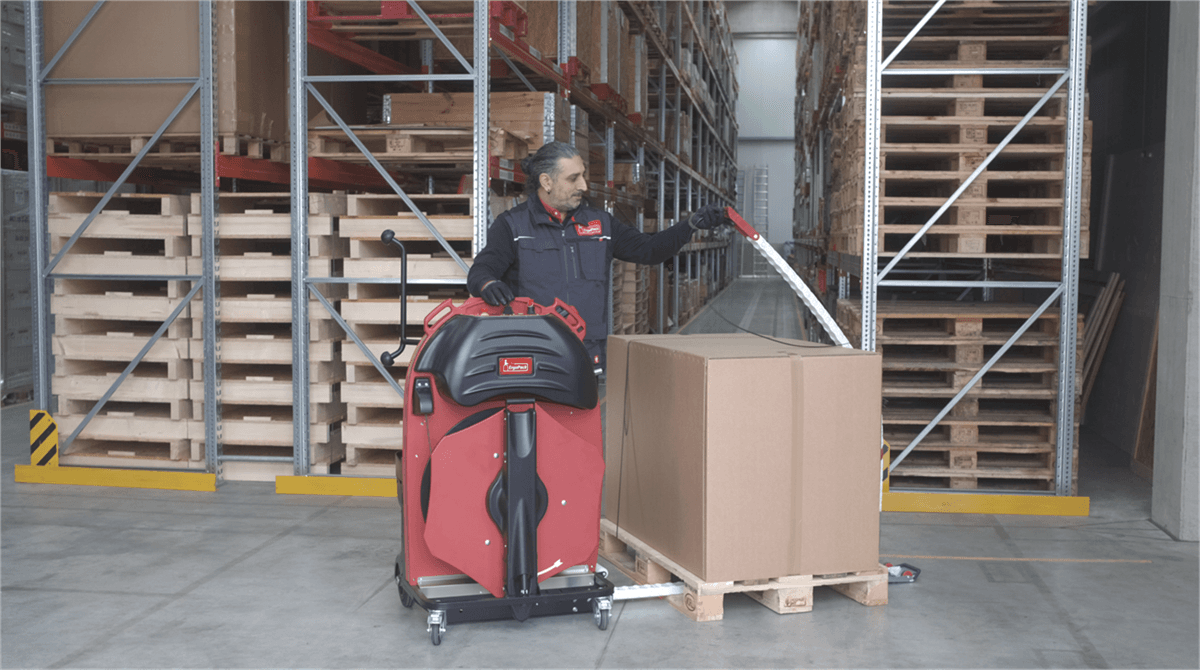
Tea and spices are among India's most valuable and most delicate exports. Their quality is their aroma and moisture content — and both are destroyed by humidity, odour contamination and pests on a long sea voyage. Packaging tea and spices is about preserving an invisible quality, not just preventing physical damage. Here is how it is done.
What you are actually protecting
- Aroma and flavour — volatile compounds that escape, or absorb foreign odours, through poor packaging.
- Moisture content — tea and spices absorb humidity, leading to caking, mould and spoilage.
- Freedom from pests — agricultural products with strict phytosanitary and food-safety rules.
- Appearance and grade — discolouration or contamination downgrades a high-value product.
Barrier packaging: the core of the job
The packaging has to seal in aroma and seal out moisture:
- Foil-laminate / multi-layer barrier bags and liners that block moisture, oxygen and odour — the standard for premium tea and spices.
- Multi-wall paper sacks, jute with liners, or lined cartons for bulk, with an inner moisture barrier.
- Vacuum or nitrogen-flush for the most aroma-sensitive products.
- Food-grade materials throughout.
Moisture and pest control
- Desiccants inside packaging and containers; dry product, dry packaging, dry pallets.
- Fumigation and phytosanitary certification as required by the destination, and ISPM-15 on all wood including dunnage (ISPM-15 explained).
- Manage container condensation — the classic killer of a tea or spice container.
Palletise and secure
- Build stable, square pallets; protect the barrier packaging from puncture.
- Strap the load to the pallet so bags and cartons cannot shift, rub and puncture the barrier — a punctured barrier bag is spoiled product.
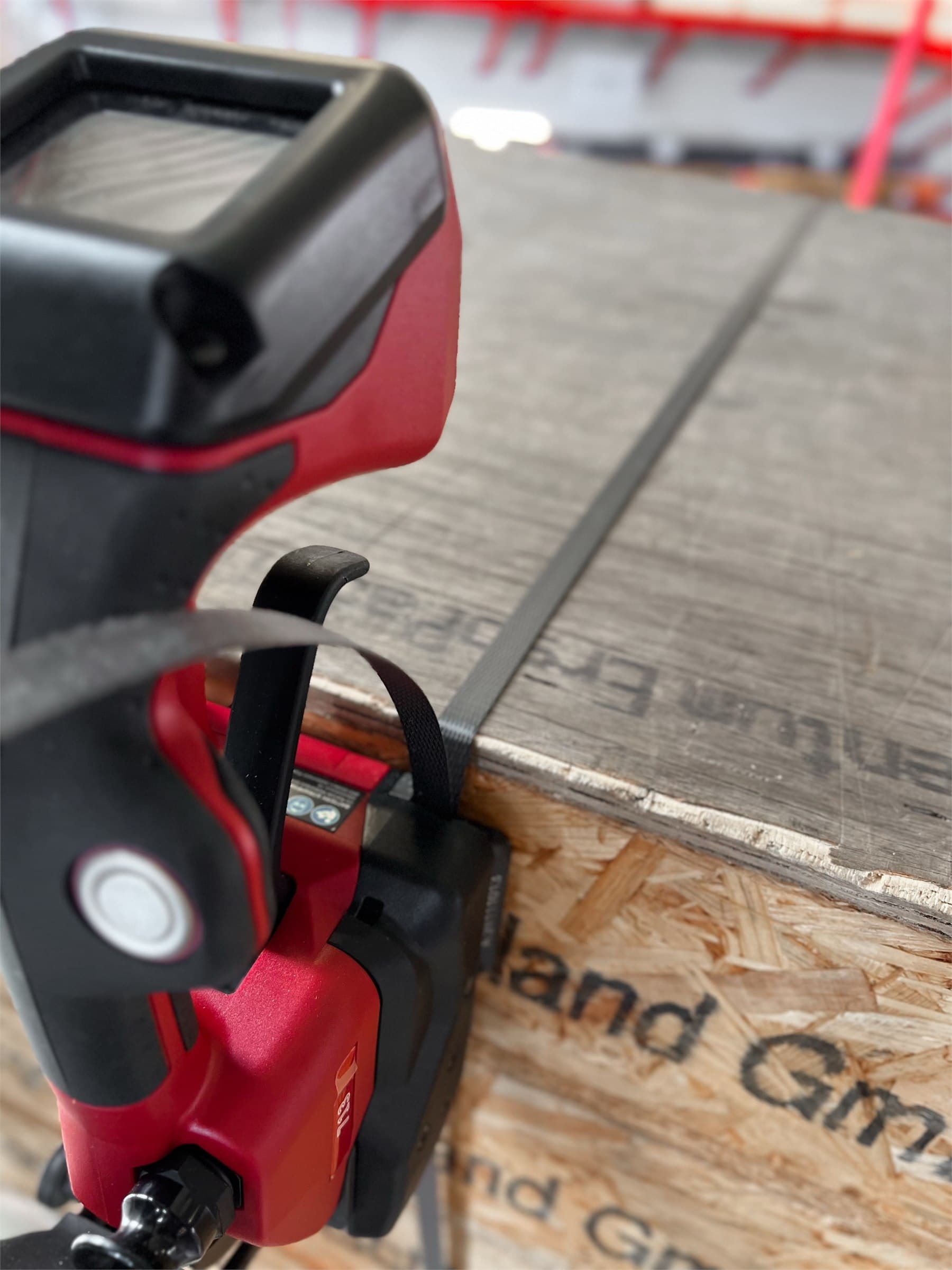
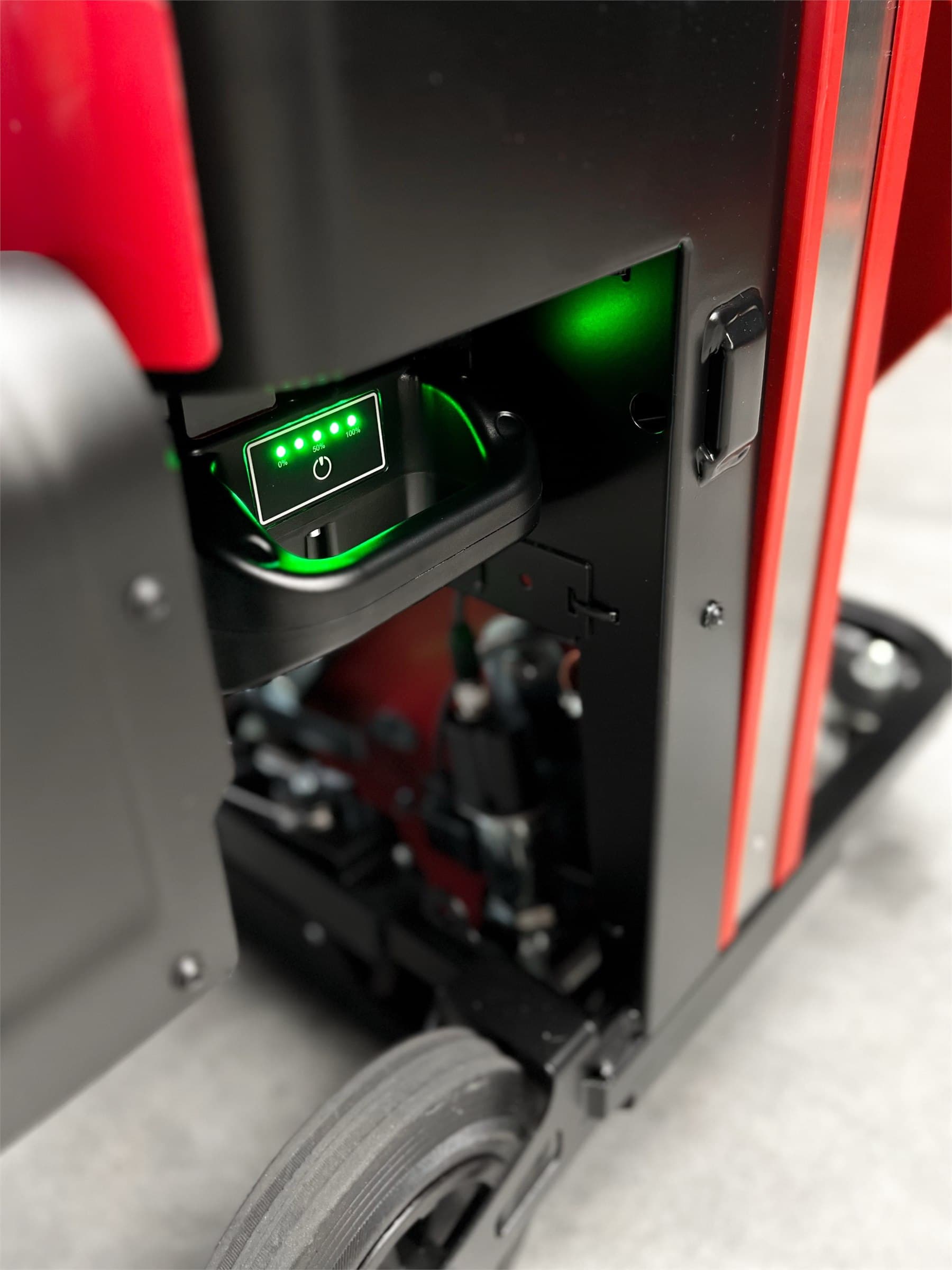
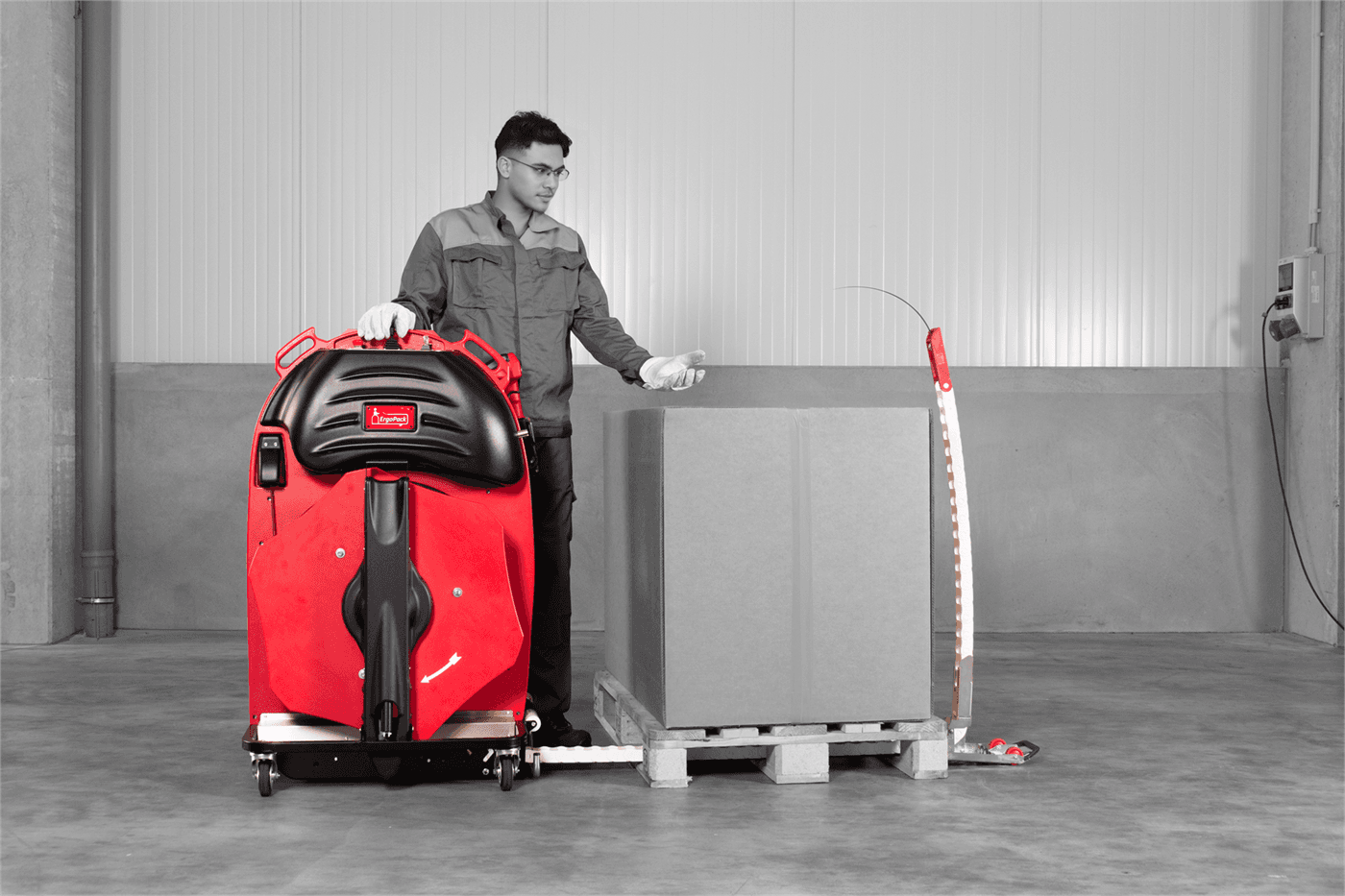
- Use PET strap (moisture-proof, recovers tension as bagged loads settle) at gentle, consistent tension with edge protectors so the strap does not cut the bags. A calibrated machine such as the ErgoPack 726X, GO or 700 applies repeatable tension and routes the strap automatically — the same settling discipline as rice & agri export.
- Keep tea and spices away from odour sources in the container — they absorb smells.
Tea & spices export checklist
- Foil/multi-layer barrier packaging seals aroma and moisture
- Food-grade materials; vacuum/nitrogen for the most sensitive
- Desiccants; dry product, packaging and pallets
- Fumigation/phytosanitary certificate; ISPM-15 wood
- Condensation managed; kept away from odour sources
- Load strapped to the pallet so barriers aren't punctured
- PET strap, gentle consistent tension, edge protectors
Package tea and spices to this standard — sealed in barrier packaging, moisture- and pest-controlled, secured without puncturing the barrier — and a high-value, aroma-critical product arrives fresh, fragrant and full-grade.
Talk to a pallet strapping engineer
BENZ Packaging and ErgoPack India engineers support installations and service anywhere in India. Tell us your pallet setup and we’ll recommend the right machine — and send pricing.
Related Reading
Continue with the next guide
guides
PP vs PET Strapping: Which Should You Use, and When?
PP and PET strap suit very different loads. A clear guide to when polypropylene is enough and when polyester is essential — by load weight, settling, and export exposure.
guides
Strapping Machine AMC, Spares and Uptime: What to Check Before You Buy
A strapping machine is only as good as its uptime. What to check on service, spare parts and AMC before you buy — so the machine that saves you ₹25 lakh a year actually keeps running.
guides
Pallet Strapping Machine Buying Checklist: 10 Questions Before You Decide
Before you buy a pallet strapping machine, run through these ten questions. They cover loads, volume, power, tension, service and ROI — so you choose the right machine, not just the cheapest.