guides
How to Load a Truck Trailer: Weight Distribution, Axles and Securing
How to load a trailer safely — weight distribution front to rear, keeping load over the axles, side-to-side balance, axle limits, and securing pallets so nothing shifts in transit.
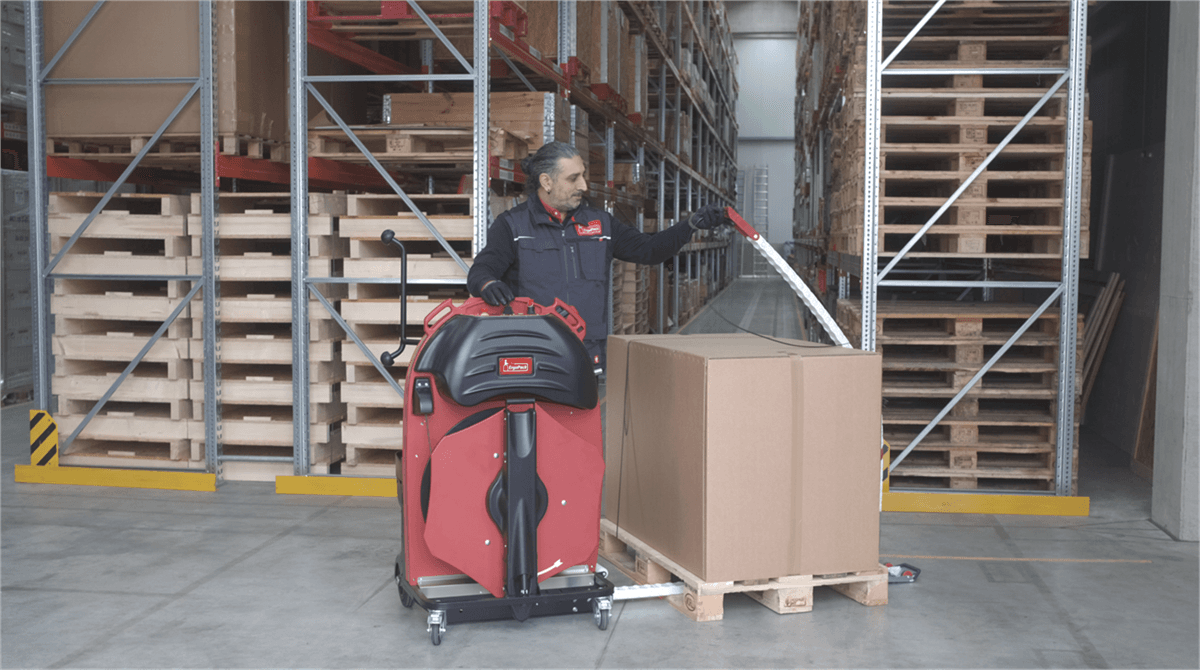
A badly loaded trailer is dangerous before it is inefficient — it overloads axles, handles poorly, and shifts its cargo into damage. Loading a trailer well is a discipline of weight distribution and securing. Here is how it is done.
Start with the weight limits
Before anything is loaded, know the limits: the truck and trailer's gross weight and per-axle limits. Exceeding an axle limit means fines and a safety risk even if the gross weight is fine. Plan the load to stay legal on every axle, not just in total.
Weight distribution front to rear
The goal is a balanced trailer that keeps the right weight on each axle group:
- A common target is roughly 60% of the cargo weight toward the front half and 40% toward the rear, keeping the heaviest cargo over or slightly forward of the trailer axles.
- For irregular weights, place heavier cargo toward the middle, with lighter cargo in the nose and rear.
- The aim is even axle loading — not all the weight at one end.
Keep the centre of gravity low and centred
- Heaviest cargo low, directly on the deck — a low centre of gravity keeps the trailer stable in corners and braking.
- Centred side to side. An uneven left-right load causes handling problems and can overload tyres on one side. Balance the weight across the width.
Loading order
- Heaviest, densest pallets first — on the deck, over/just forward of the axles.
- Lighter pallets on top or toward the ends.
- Fill gaps so loads cannot slide into the space.
Secure the cargo — it will shift if you let it
Weight distribution gets the trailer balanced; securing keeps it that way:
- Tie down to the trailer's anchor points with straps, ratchet straps or load bars.
- Brace across the width to stop forward/backward movement, especially at the rear doors.
- Remember that securing the trailer only works if each pallet is already a stable unit. A pallet whose load was never strapped to its base arrives loose no matter how well the trailer was lashed.
The pallet-level point
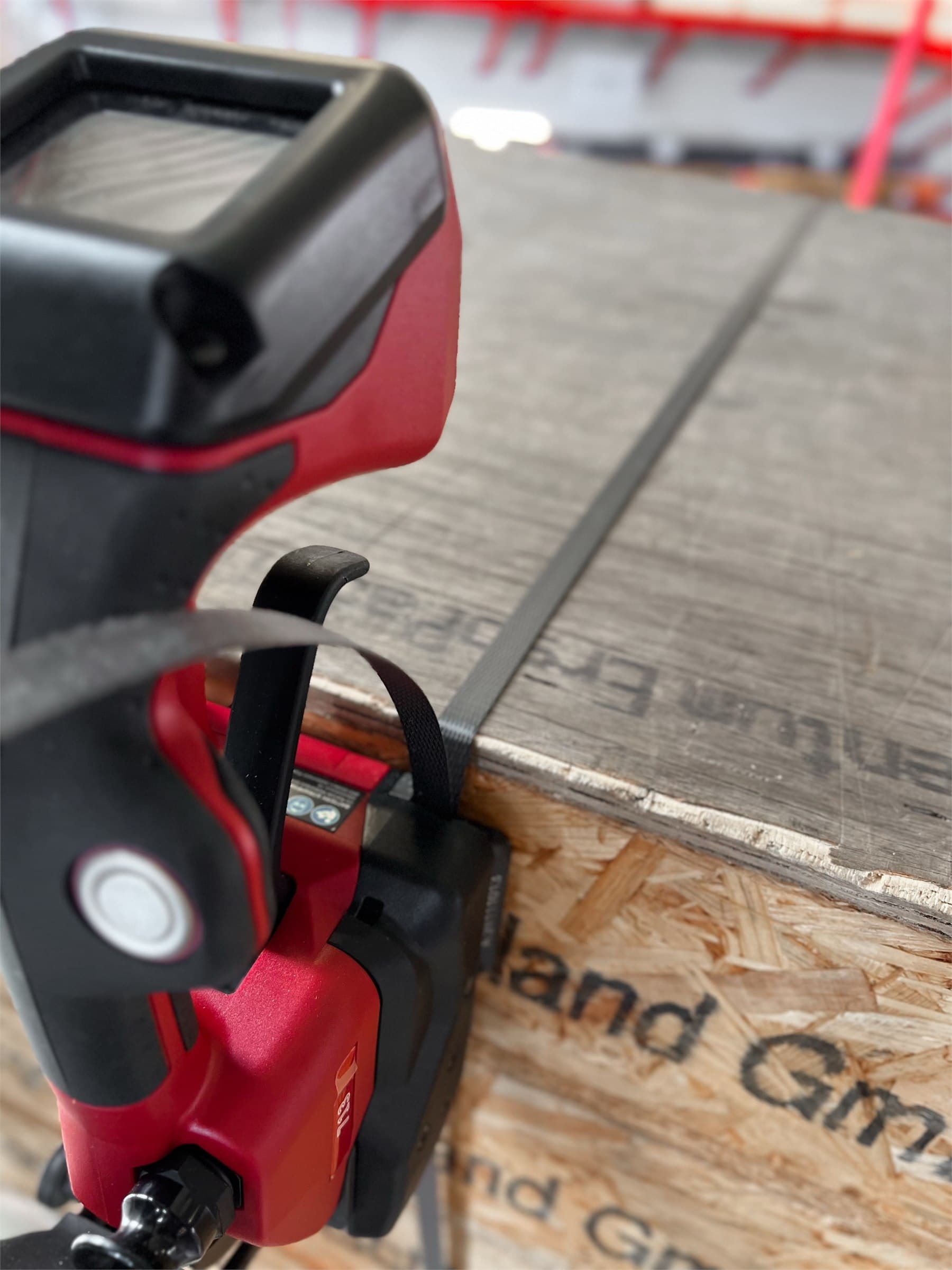
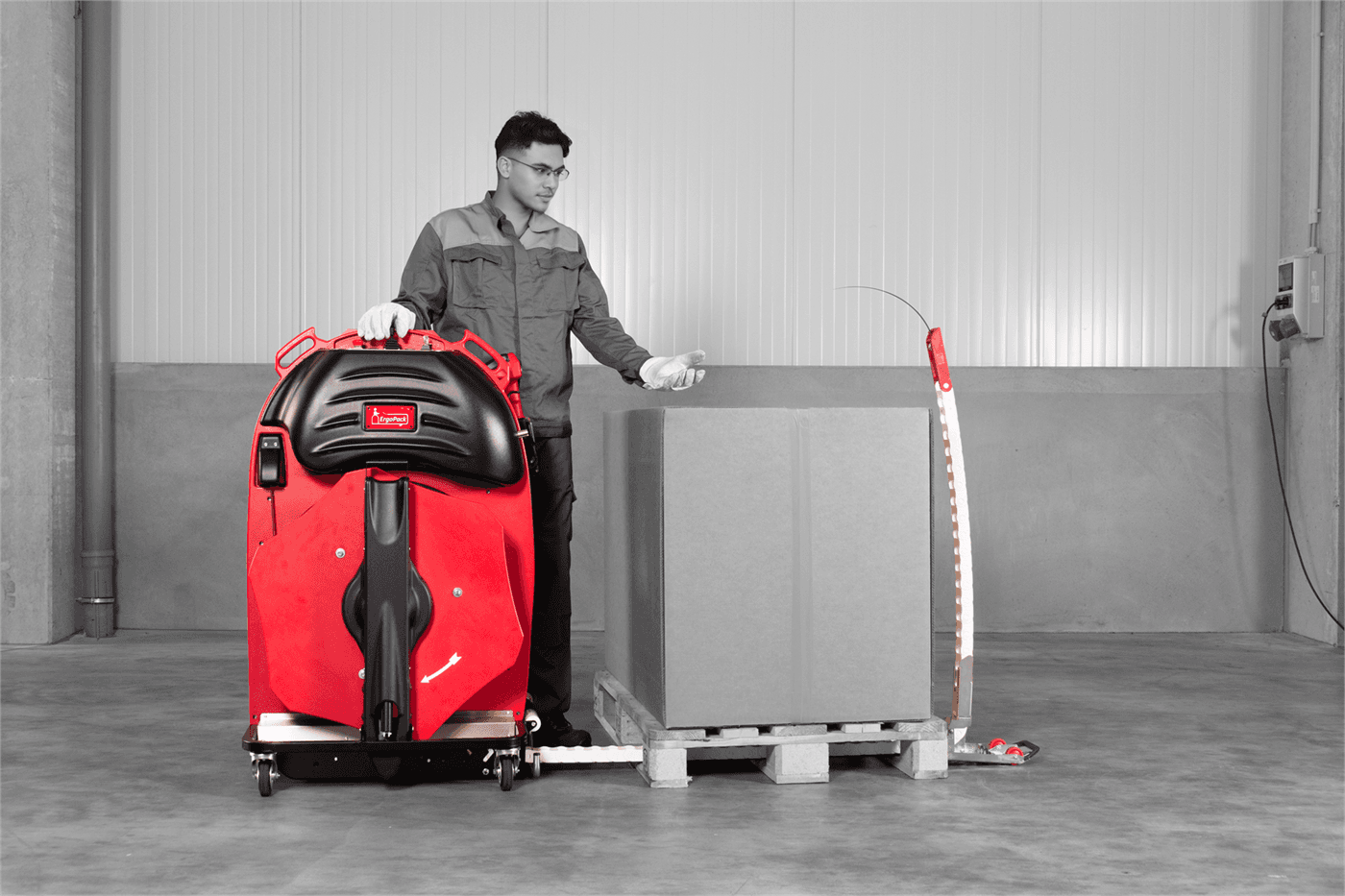
This is where trailer loading connects back to the dock. A trailer full of well-distributed but loosely-built pallets still delivers damage, because each pallet shifts within itself. The stable trailer load starts with stable pallets — each one strapped to its deck at consistent tension before it was ever loaded. Calibrated machines such as the ErgoPack 726X, GO and 700 make that pallet-level securing repeatable. See how to pack a pallet for shipping and how to reduce shipping damage.
Trailer loading checklist
- Gross and per-axle weight limits checked
- ~60/40 front-to-rear distribution; heaviest over the axles
- Centre of gravity low and centred side to side
- Heaviest pallets loaded first, on the deck
- Cargo tied to anchor points and braced (especially the rear)
- Voids filled so loads cannot slide
- Every pallet already strapped to its base before loading
Load to this standard and the trailer is legal on every axle, stable on the road, and the cargo arrives where you loaded it.
Talk to a pallet strapping engineer
BENZ Packaging and ErgoPack India engineers support installations and service anywhere in India. Tell us your pallet setup and we’ll recommend the right machine — and send pricing.
Related Reading
Continue with the next guide
guides
PP vs PET Strapping: Which Should You Use, and When?
PP and PET strap suit very different loads. A clear guide to when polypropylene is enough and when polyester is essential — by load weight, settling, and export exposure.

guides
Strapping Machine AMC, Spares and Uptime: What to Check Before You Buy
A strapping machine is only as good as its uptime. What to check on service, spare parts and AMC before you buy — so the machine that saves you ₹25 lakh a year actually keeps running.
guides
Pallet Strapping Machine Buying Checklist: 10 Questions Before You Decide
Before you buy a pallet strapping machine, run through these ten questions. They cover loads, volume, power, tension, service and ROI — so you choose the right machine, not just the cheapest.