guides
Furniture Export Packaging: How to Protect and Secure Furniture for Shipping
How furniture is packaged for export — knock-down vs assembled, corner and edge protection, blanket wrap, crating, and securing bulky, finish-sensitive pieces against transit damage.
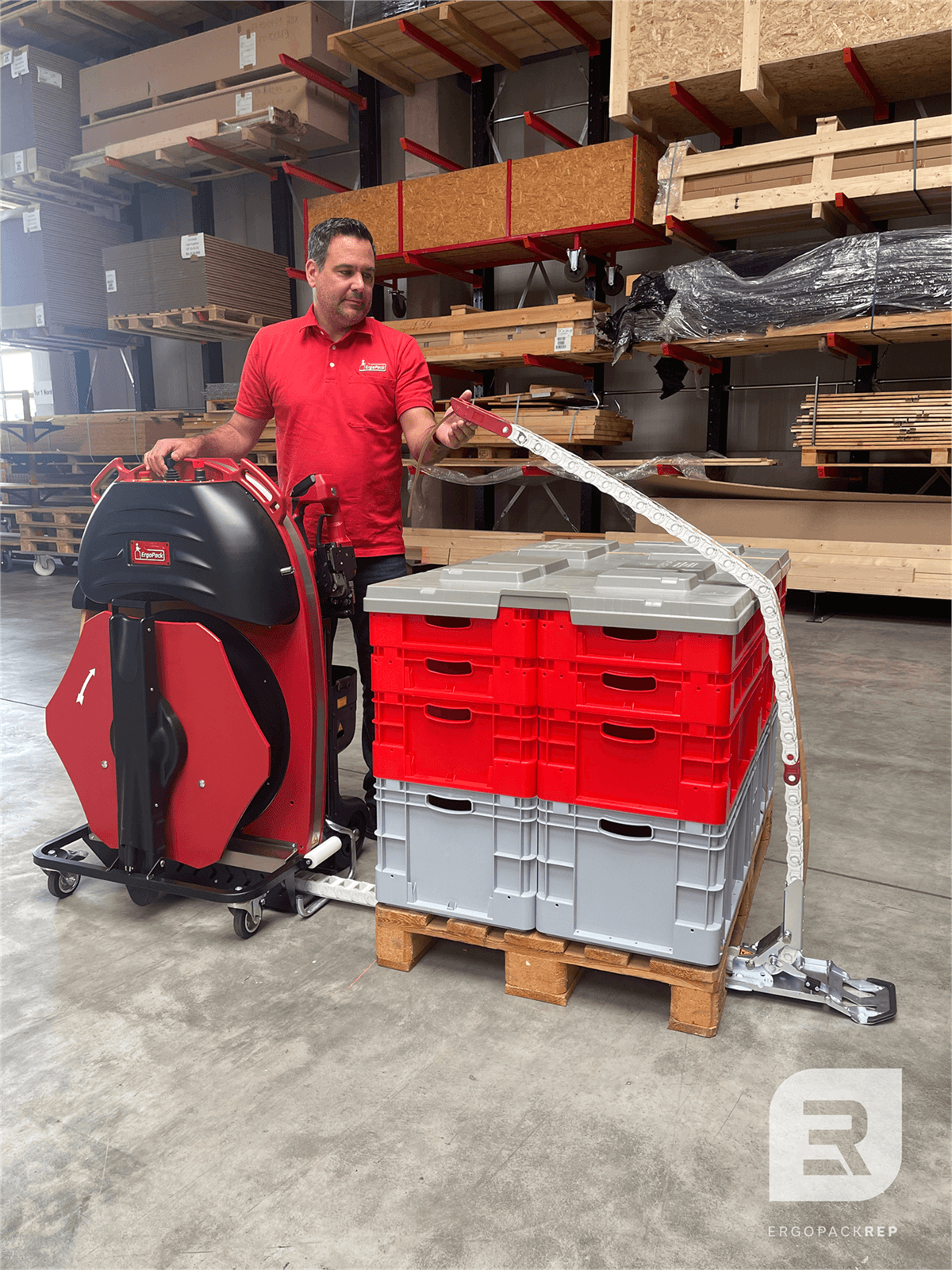
Furniture combines every packaging difficulty: large and awkward, often heavy, with delicate finishes, protruding parts and a value that makes damage expensive. India's wooden-furniture and handicraft export sector ships pieces that must survive weeks at sea and arrive ready to place in a room. Here is how furniture is packaged and secured for export.
What makes furniture hard to ship
- Bulky and awkward — odd shapes, protruding legs and arms that catch and break.
- Finish-sensitive — scratches, scuffs and dents on polished or upholstered surfaces are damage.
- Mixed materials — wood, glass, metal, fabric, each with different protection needs.
- High value, long voyage — expensive pieces facing weeks of humidity and handling.
Knock-down vs assembled
The first decision shapes everything:
- Knock-down (flat-pack) — disassembled into flat components, far more space-efficient and less prone to broken joints and protrusions; the default for volume export.
- Assembled — shipped built, needing much more protection and space; for pieces that cannot be dismantled.
Flat-packing where possible cuts both freight cost and damage risk.
Protect the piece
- Corner and edge protectors on every vulnerable edge — the most common damage point.
- Blanket wrap / foam / bubble over surfaces; interleaving for stacked components.
- Wrap glass and mirror elements separately and on edge (glass & mirror packaging).
- Protect protruding parts; brace anything that can flex.
- Cartons or wooden crates rated for the weight; ISPM-15 for export wood.
Secure for transport
- Strap components/cartons to the pallet so the load is one stable unit and pieces cannot shift and rub.
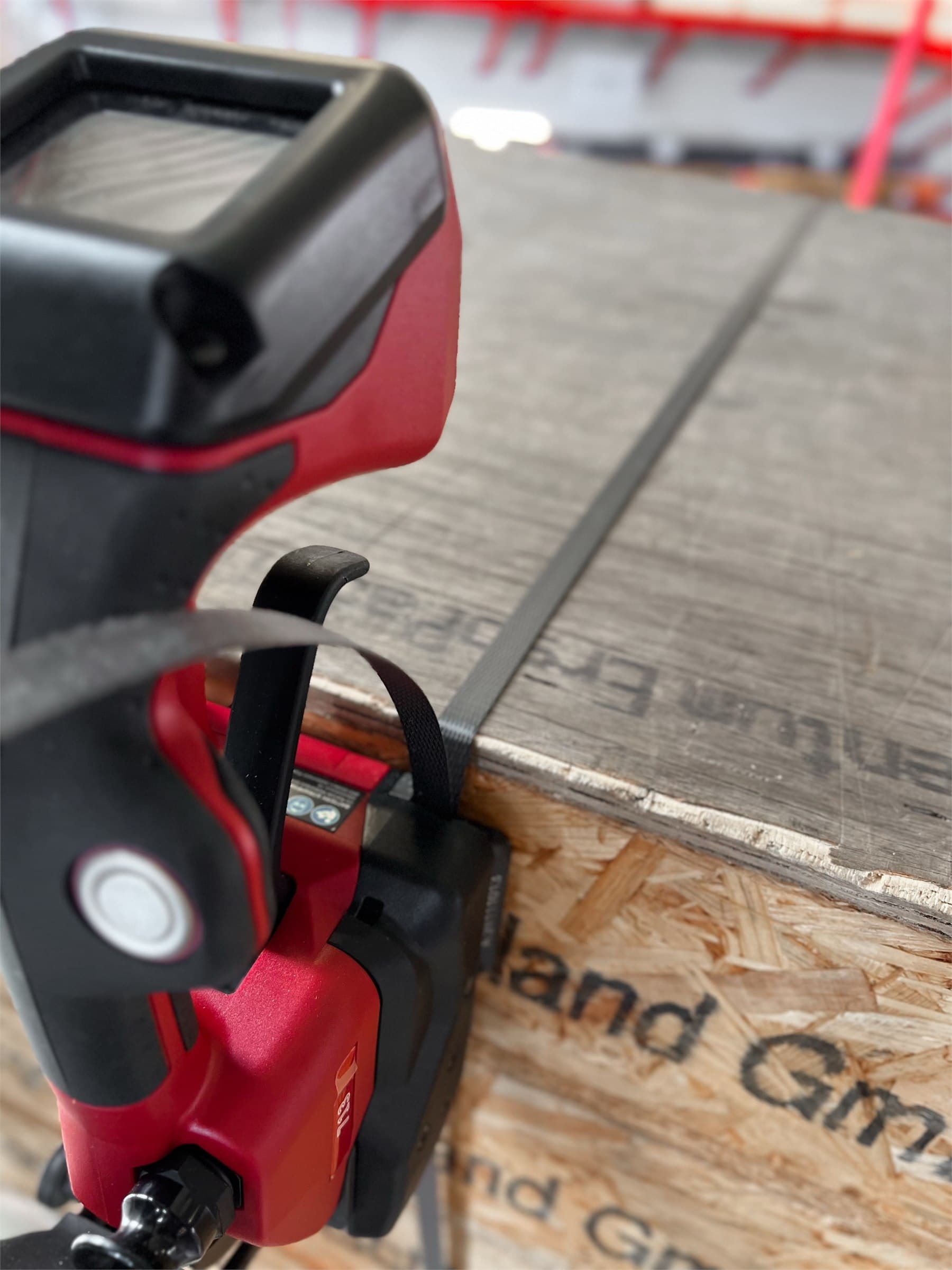
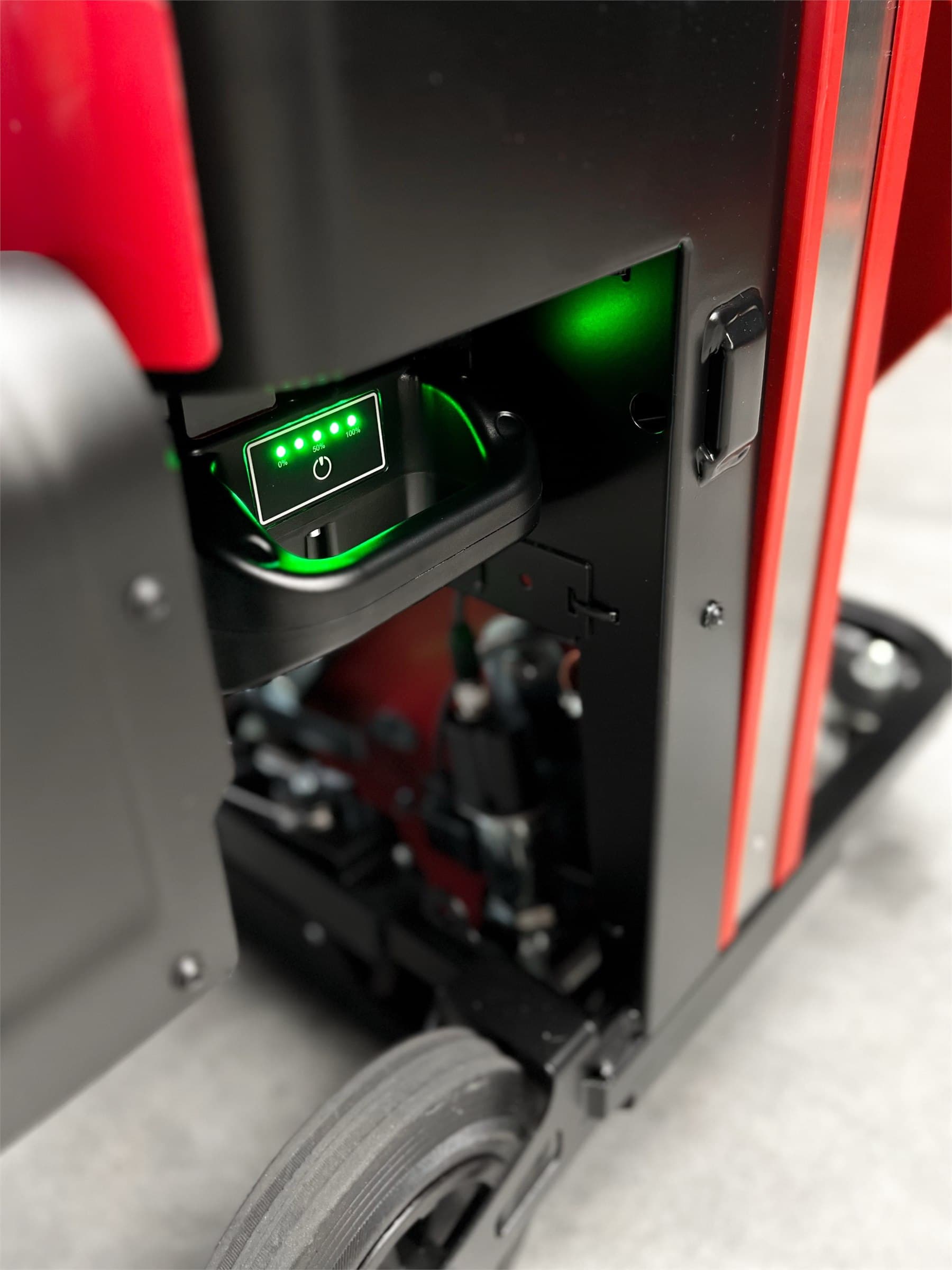
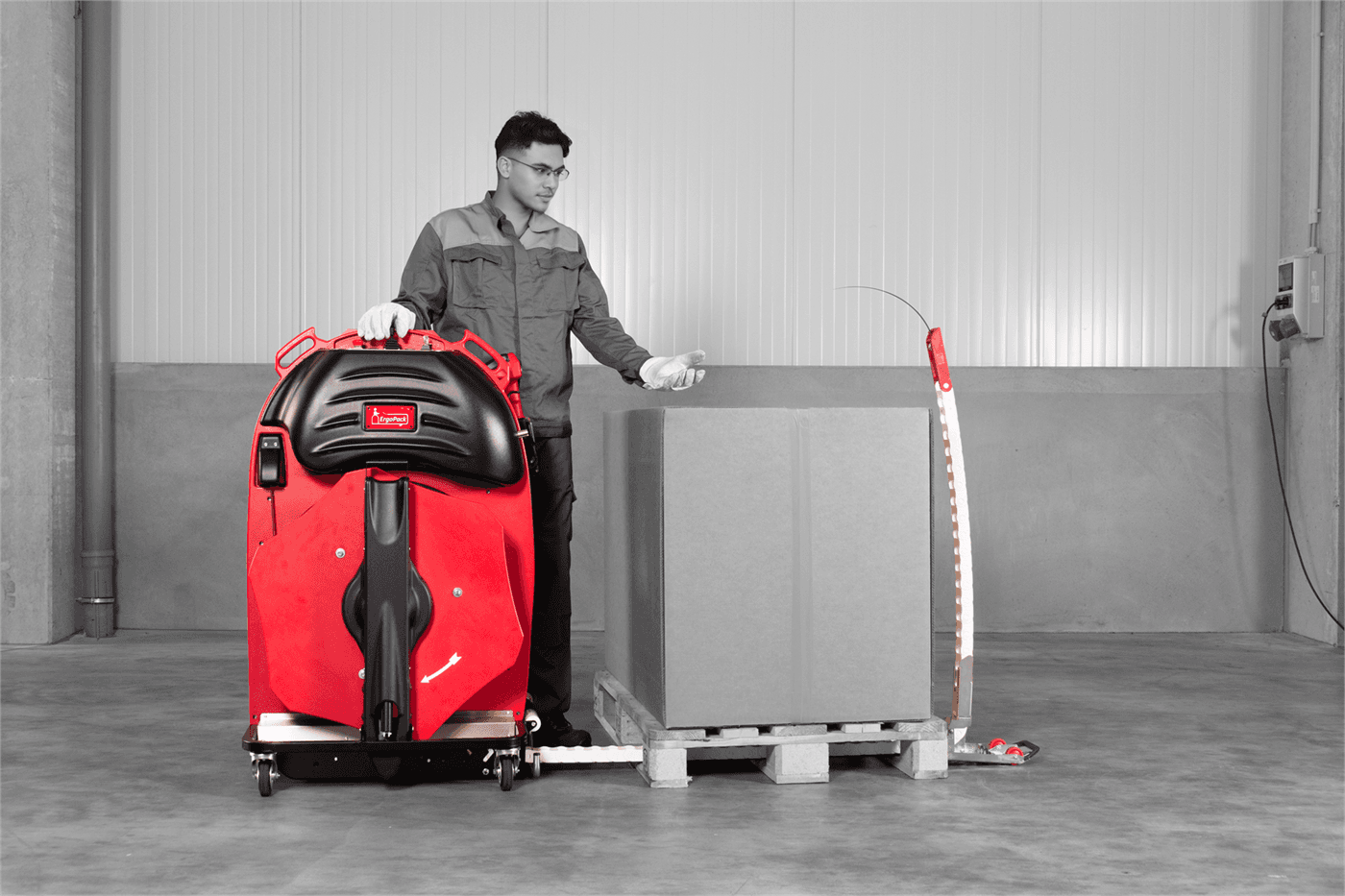
- Use edge protectors under the strap — furniture cartons and surfaces are an over-tension risk; apply gentle, consistent tension that holds without crushing or marking. A calibrated machine such as the ErgoPack 726X, GO or 700 sets a repeatable, controlled tension every time.
- Manage moisture — wood and upholstery suffer in humidity; desiccants and barriers, and managed container condensation.
Mark and document
- Fragile, this-way-up and handling marks.
- Assembly instructions and fittings for knock-down pieces.
- Export documentation; ISPM-15 stamps visible.
Furniture export checklist
- Knock-down/flat-packed where possible
- Corner and edge protectors on vulnerable edges
- Blanket/foam wrap; glass elements packed on edge separately
- Crates/cartons rated for weight; ISPM-15 wood
- Components strapped to the pallet at gentle, consistent tension
- Edge protectors under straps; finishes protected
- Moisture managed; fragile/handling marks; documents
Package furniture to this standard — flat-packed where possible, corner-protected, gently but firmly secured and moisture-managed — and a bulky, delicate, valuable piece arrives ready for the room, not the repair shop.
Talk to a pallet strapping engineer
BENZ Packaging and ErgoPack India engineers support installations and service anywhere in India. Tell us your pallet setup and we’ll recommend the right machine — and send pricing.
Related Reading
Continue with the next guide
guides
PP vs PET Strapping: Which Should You Use, and When?
PP and PET strap suit very different loads. A clear guide to when polypropylene is enough and when polyester is essential — by load weight, settling, and export exposure.
guides
Strapping Machine AMC, Spares and Uptime: What to Check Before You Buy
A strapping machine is only as good as its uptime. What to check on service, spare parts and AMC before you buy — so the machine that saves you ₹25 lakh a year actually keeps running.
guides
Pallet Strapping Machine Buying Checklist: 10 Questions Before You Decide
Before you buy a pallet strapping machine, run through these ten questions. They cover loads, volume, power, tension, service and ROI — so you choose the right machine, not just the cheapest.