Automation Hub · Spoke
Manufacturing Automation in India: A Bottleneck-First Approach
Manufacturing automation in India works best when it is applied bottleneck-first rather than line-wide. Because most production lines are already partly automated while dispatch is still manual, the fastest-paying manufacturing automation project is usually at the end of the line — automating pallet securing, which pays back in 6–18 months.
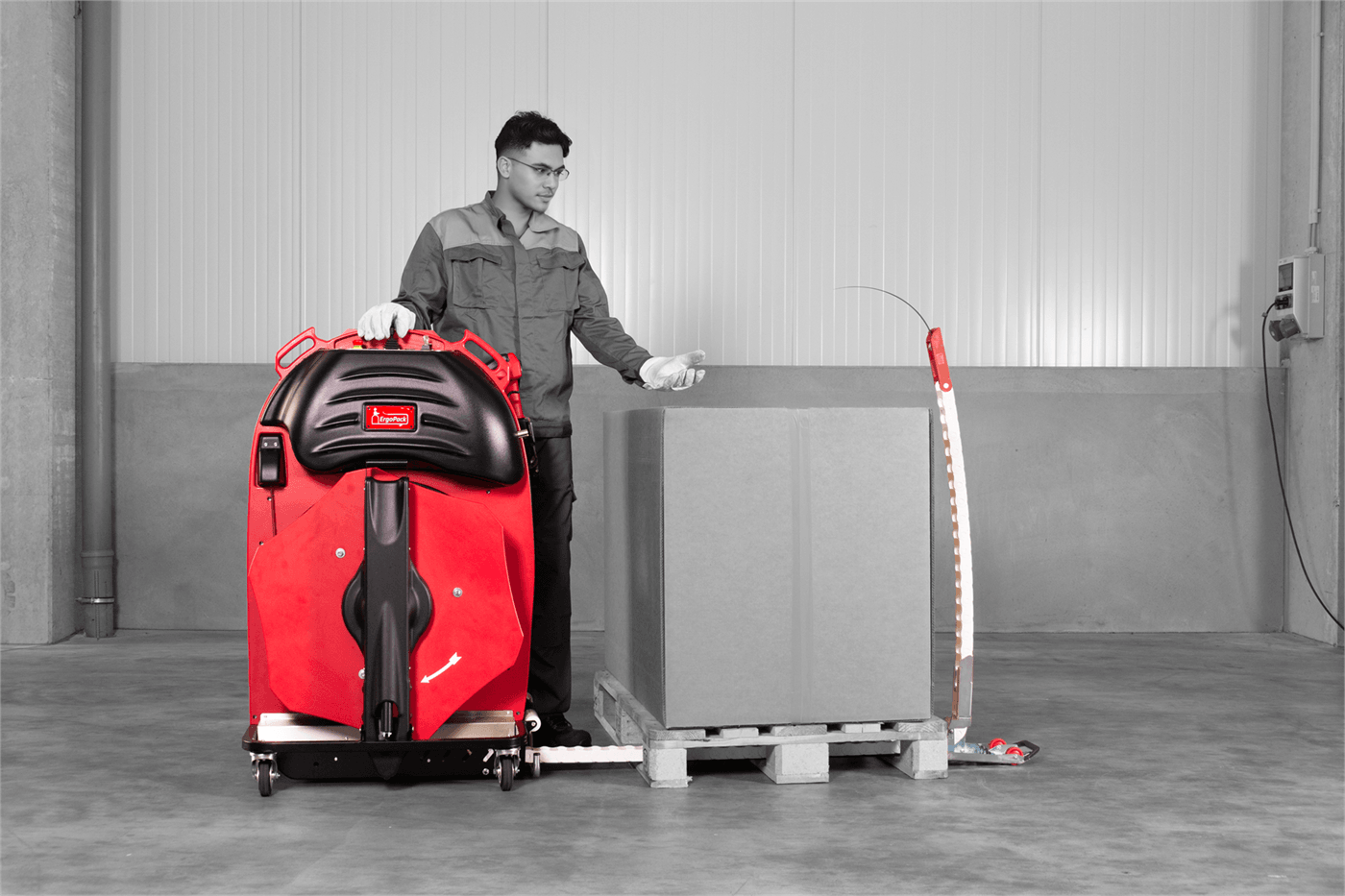
Manufacturing automation is often pictured as a single, massive capital project — a fully robotic line with conveyors and civil works. That carries high cost, long lead time and disruption. The smarter path for most Indian factories is bottleneck-first: automate the one step that is actually holding output back, prove the result, then expand.
This guide explains where that bottleneck usually sits, why it is the end of the line, and how to automate it with low disruption.
Most lines are automated — until the end
In most Indian plants the production process is already partly automated, but the last step — getting the finished goods palletised, secured and out the door — is still manual. That end-of-line gap is repetitive, labour-heavy and a frequent bottleneck, which makes it the highest-ROI place to automate next.
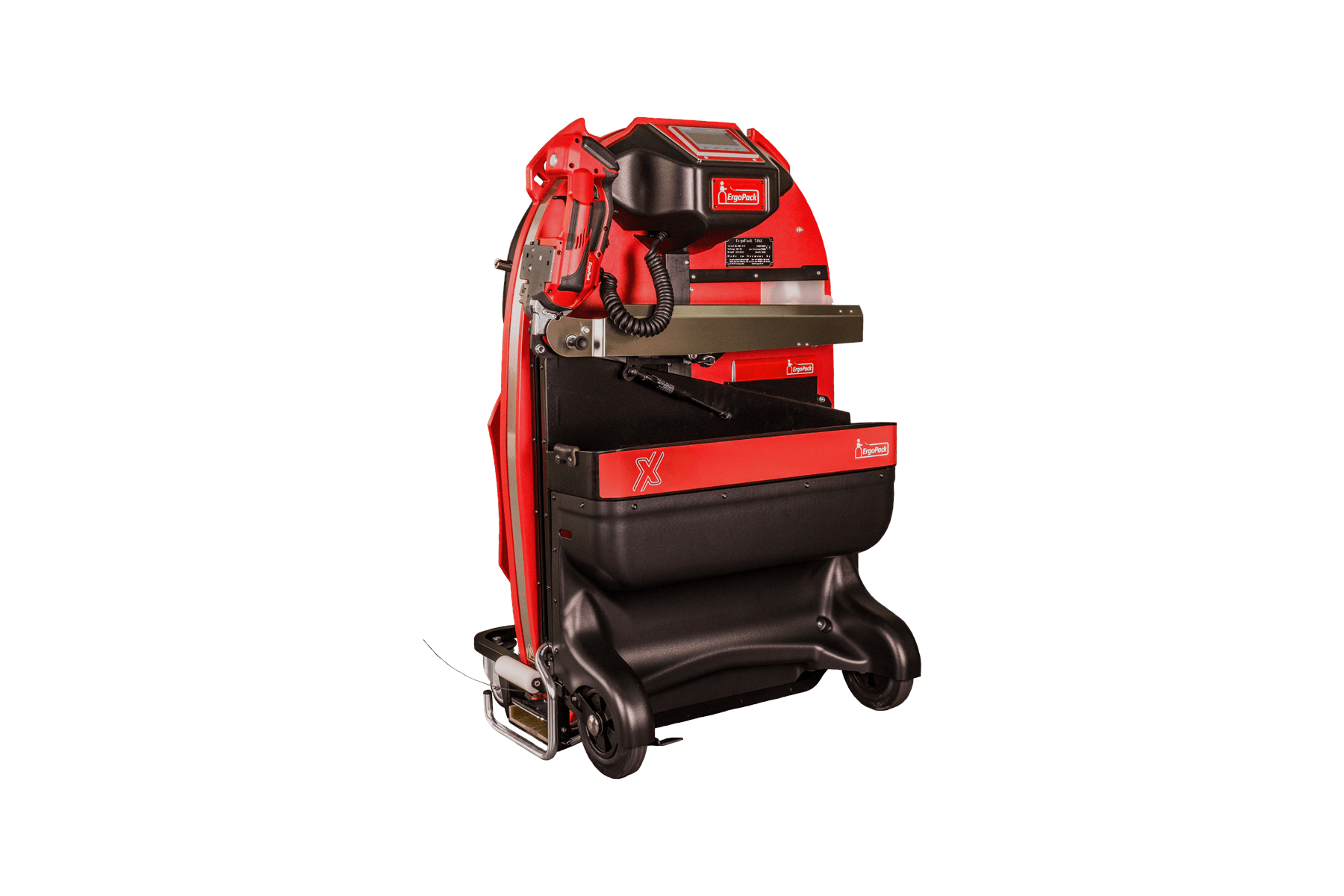
Automating the securing step with a mobile ErgoPack machine cuts it from two operators at ~120 seconds to one at under 40, with calibrated, repeatable tension. It needs no line rebuild or conveyors, so the disruption is minimal and the payback fast — 6–18 months on a typical floor.
- Production is often automated; dispatch is the manual gap.
- End-of-line securing is repetitive, labour-heavy and a bottleneck.
- Mobile automation = low CapEx, no line rebuild, fast payback.
- Calibrated tension improves quality and cuts rejections.
Contained projects beat big-bang automation
A common mistake is treating automation as one giant project. The smarter sequence is to start with a contained, high-ROI step (mobile securing), prove the result and build the business case, then expand to the next constraint — palletising, wrapping, conveying. Each step pays for the next.
Frequently asked questions
- What is the best first manufacturing automation project?
- The end-of-line pallet-securing step. Most production lines are already partly automated while dispatch is still manual, so securing is usually the bottleneck. Automating it with a mobile machine needs no line rebuild, cuts the step from ~120s to under 40s, and pays back in 6–18 months — the fastest, lowest-disruption manufacturing automation project for most Indian factories.
- Do I have to rebuild my production line to automate it?
- No. Bottleneck-first automation avoids big-bang rebuilds. The highest-ROI first step — mobile pallet securing — is wheeled to the line-end with no conveyors or civil work. You prove the gain on a contained project, then expand to the next constraint once it has paid back.
- How does end-of-line automation improve manufacturing quality?
- Manual securing applies inconsistent, by-feel tension that causes loose, shifting loads and transit damage. Automated securing applies calibrated, repeatable tension on every pallet, so finished goods leave the line consistently secured — fewer defects, fewer shipment rejections and a more predictable dispatch.