Automation Hub · Spoke
How to Increase Factory-Floor Efficiency in India
You increase factory-floor efficiency by removing the slowest, most labour-heavy step rather than pushing every step harder. On most Indian floors that step is the manual pallet-securing at dispatch — automating it cuts the cycle from ~120 seconds to under 40 with one operator, lifting efficiency at the exact point output is lost.
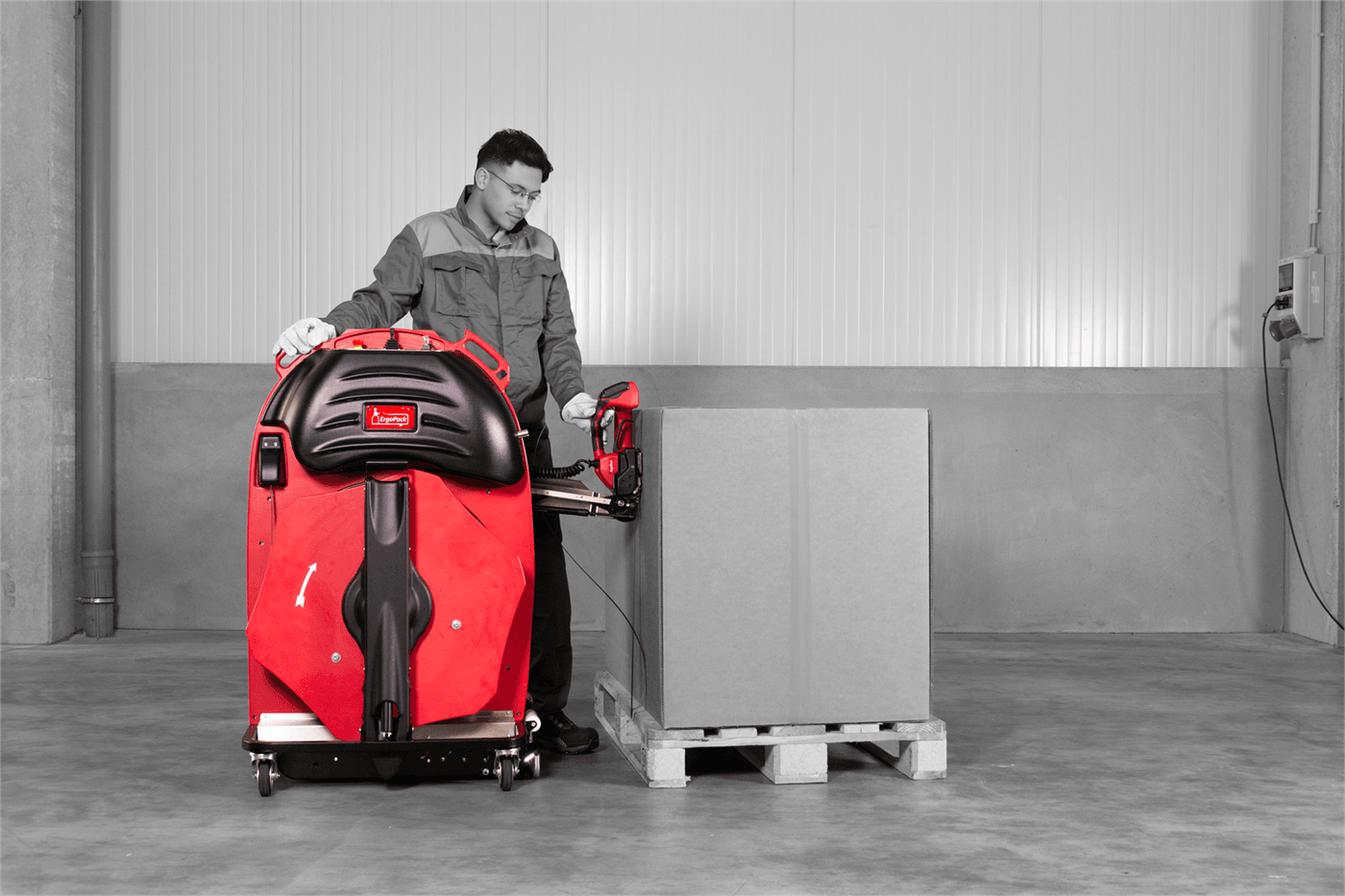
Efficiency is not gained by making everyone work faster — it is gained by removing the step that wastes the most time and labour. Pushing harder on steps that are not the constraint just adds stress and cost without lifting output.
This guide shows how to find the step that is actually dragging your floor’s efficiency down, and why it is usually the manual securing step at the dispatch dock.
Find the step that loses the most time
Time each step for a typical pallet — produce, palletise, secure, wrap, label, load. The biggest efficiency loss is the slowest, most labour-heavy step, and on most Indian floors that is manual securing: two operators, ~120 seconds, inconsistent tension and frequent re-work.
Automating it with a mobile ErgoPack machine cuts the step to under 40 seconds with one operator at calibrated tension. That is a direct efficiency gain at the exact point output was being lost — and it frees a person to add value elsewhere.
- Time every step; the slowest, most labour-heavy one is the efficiency drain.
- Manual securing is usually that step on Indian floors.
- Automating it: ~120s → <40s, two operators → one.
- Calibrated tension removes re-work and rejections (hidden efficiency loss).
Efficiency compounds across the floor
Removing the slowest step speeds everything downstream of it and stops the upstream pile-up of work-in-progress. The freed operator moves to skilled work, the dock stops queuing, and rejections — which send loads back through the whole process — fall. Each effect compounds the efficiency gain.
Frequently asked questions
- What is the fastest way to increase factory-floor efficiency?
- Remove the slowest, most labour-heavy step rather than pushing every step harder. On most Indian floors that is manual pallet securing at dispatch. Automating it cuts the cycle from ~120 seconds to under 40 with one operator at calibrated tension — a direct efficiency gain at the point output was lost, paying back in 6–18 months.
- Why does manual strapping hurt efficiency so much?
- It is slow (~120 seconds), needs two operators, applies inconsistent tension that causes re-work and rejections, and queues pallets behind it. Because efficiency is set by the slowest step, this single manual task often caps the whole dispatch floor — which is why automating it gives an outsized efficiency gain.
- How much efficiency does securing automation add?
- On the secured step it roughly triples speed (~120s to under 40s) and halves the labour (two operators to one), while cutting strap waste ~12% and removing loose-load rejections. The net effect on a typical floor is around ₹25 lakh a year saved and a markedly faster, more consistent dispatch.