Automation Hub · Spoke
Lean Dispatch: Cutting Waste from the Loading Dock
Lean dispatch applies lean principles to the loading dock — eliminating waiting, motion, re-work and overproduction at the point goods leave. The biggest single source of all four is manual pallet securing; automating it removes the waiting and re-work that make a dock un-lean.
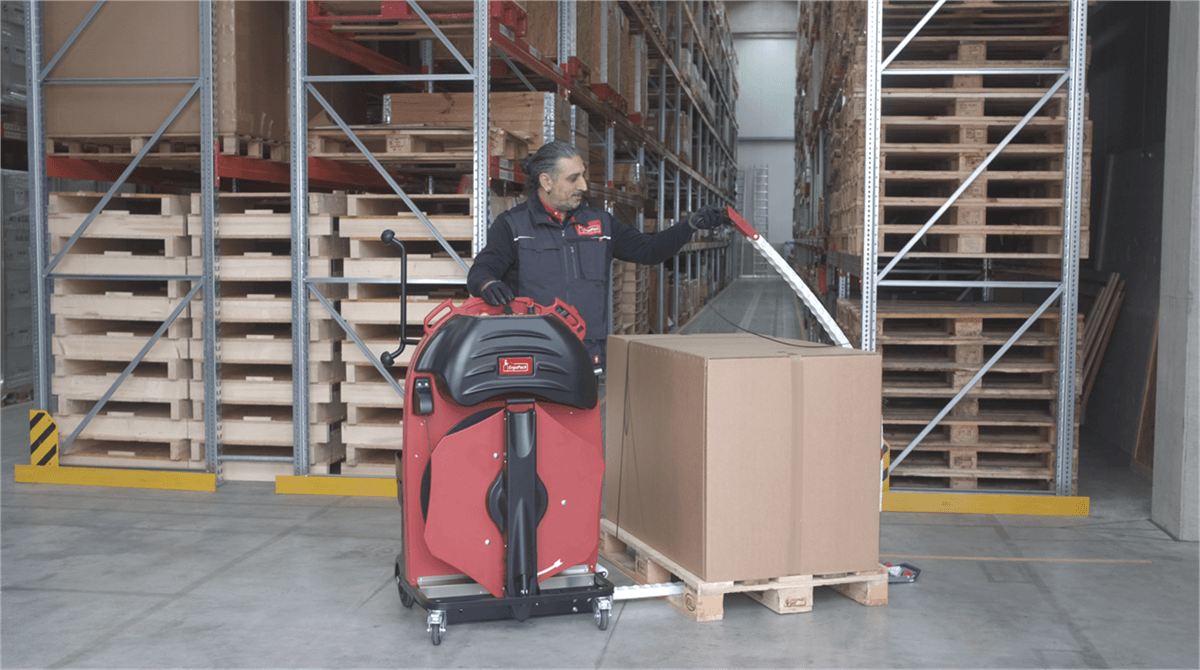
Lean thinking targets the seven wastes — waiting, motion, transport, over-processing, over-production, inventory and defects. Most lean programmes apply this to production and forget the loading dock, where several of those wastes concentrate in one manual step: pallet securing.
This guide maps the dock wastes to the securing step and shows how automating it makes dispatch lean.
The securing step concentrates dock waste
Manual pallet securing is a textbook lean problem: pallets wait in a queue behind it (waiting), operators bend and thread strap and double-handle loads (motion), inconsistent tension causes loose pallets that must be re-done or are rejected (defects/re-work), and the slow step forces work-in-progress to pile up (inventory). One manual step generates several of the seven wastes at once.
Automating it with a mobile ErgoPack machine removes them together: the queue clears (under 40 seconds, one operator), the motion is eliminated (the machine feeds and tensions), and calibrated tension removes the defects and re-work. The dock becomes lean at its busiest point.
- Waiting — pallets queue behind manual securing.
- Motion — bending, threading, two-person handling.
- Defects/re-work — inconsistent tension, loose loads, rejections.
- Automation removes all three at once.
Lean dispatch is flow at the dock
Lean is ultimately about flow — value moving without interruption. A manual securing step interrupts flow at the last gate before shipping; automating it restores flow, so goods move from staged to secured to loaded without queuing, double-handling or re-work. That is lean dispatch.
Frequently asked questions
- How do I make my loading dock lean?
- Target the step that concentrates the most waste — manual pallet securing. It creates waiting (pallets queue behind it), motion (bending, threading, two-person handling) and defects/re-work (inconsistent tension). Automating it removes all three: one operator at under 40 seconds with calibrated tension restores flow and makes the dock lean.
- Which lean wastes does manual securing create?
- Several at once: waiting (the queue behind it), motion (bending and double-handling), defects and re-work (loose, inconsistently tensioned loads), and inventory (work-in-progress piling up). Because one step generates so many wastes, automating it gives an outsized lean improvement at the dock.
- Does securing automation support continuous flow?
- Yes. Lean is about uninterrupted flow, and a slow manual securing step interrupts it at the last gate before shipping. Automated securing (under 40 seconds, one operator, calibrated tension) lets goods move from staged to secured to loaded without queuing or re-work — restoring flow, which is the essence of lean dispatch.