Automation Hub · Spoke
How to Improve Warehouse Efficiency in India
You improve warehouse efficiency by removing the slowest, most labour-heavy step at the dispatch dock rather than reshuffling the racks. On most Indian floors that step is manual pallet securing — automating it cuts the cycle from ~120 seconds to under 40 with one operator, lifting dispatch efficiency where output is actually lost.
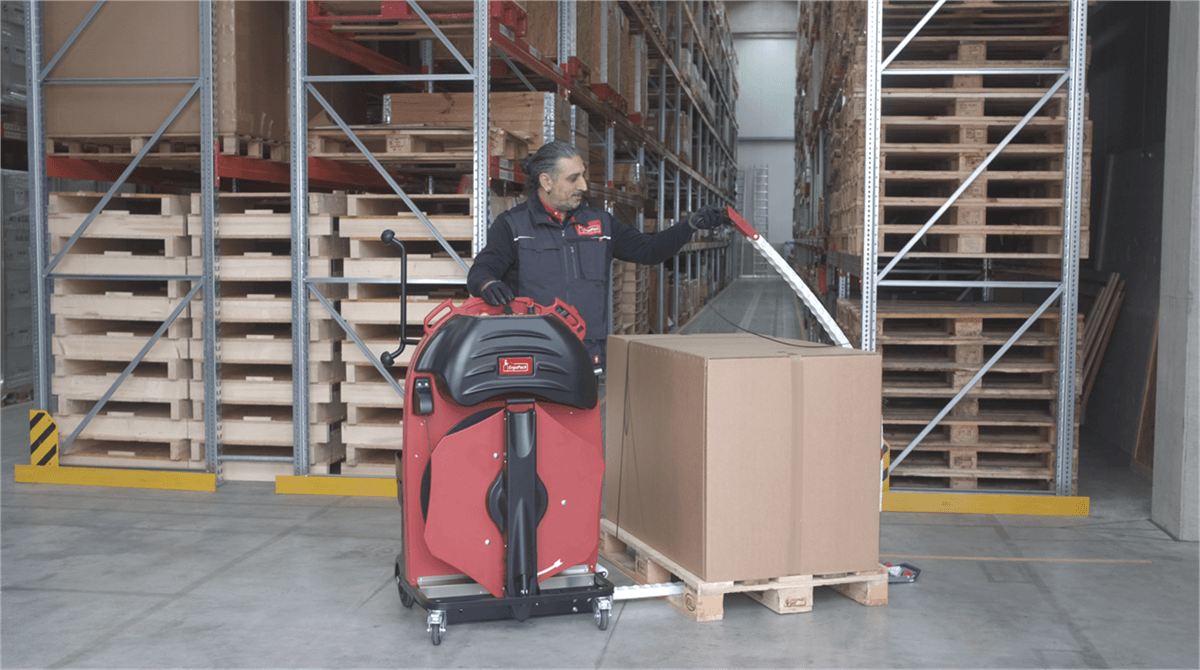
Warehouse efficiency is often chased in the racks — slotting, layout, picking paths. Those matter, but the biggest single efficiency loss in many Indian warehouses sits at the dispatch dock, where loaded pallets are still secured by hand: slow, inconsistent and labour-heavy.
This guide shows how to find and remove that loss so the whole dispatch operation runs leaner.
Fix the dispatch step, not just the racks
Time each dock step for a typical pallet. The biggest efficiency drain is usually manual securing — two operators, ~120 seconds, by-feel tension that causes re-work and rejected loads. Because dispatch is the gate every order passes through, a slow securing step quietly caps the whole warehouse.
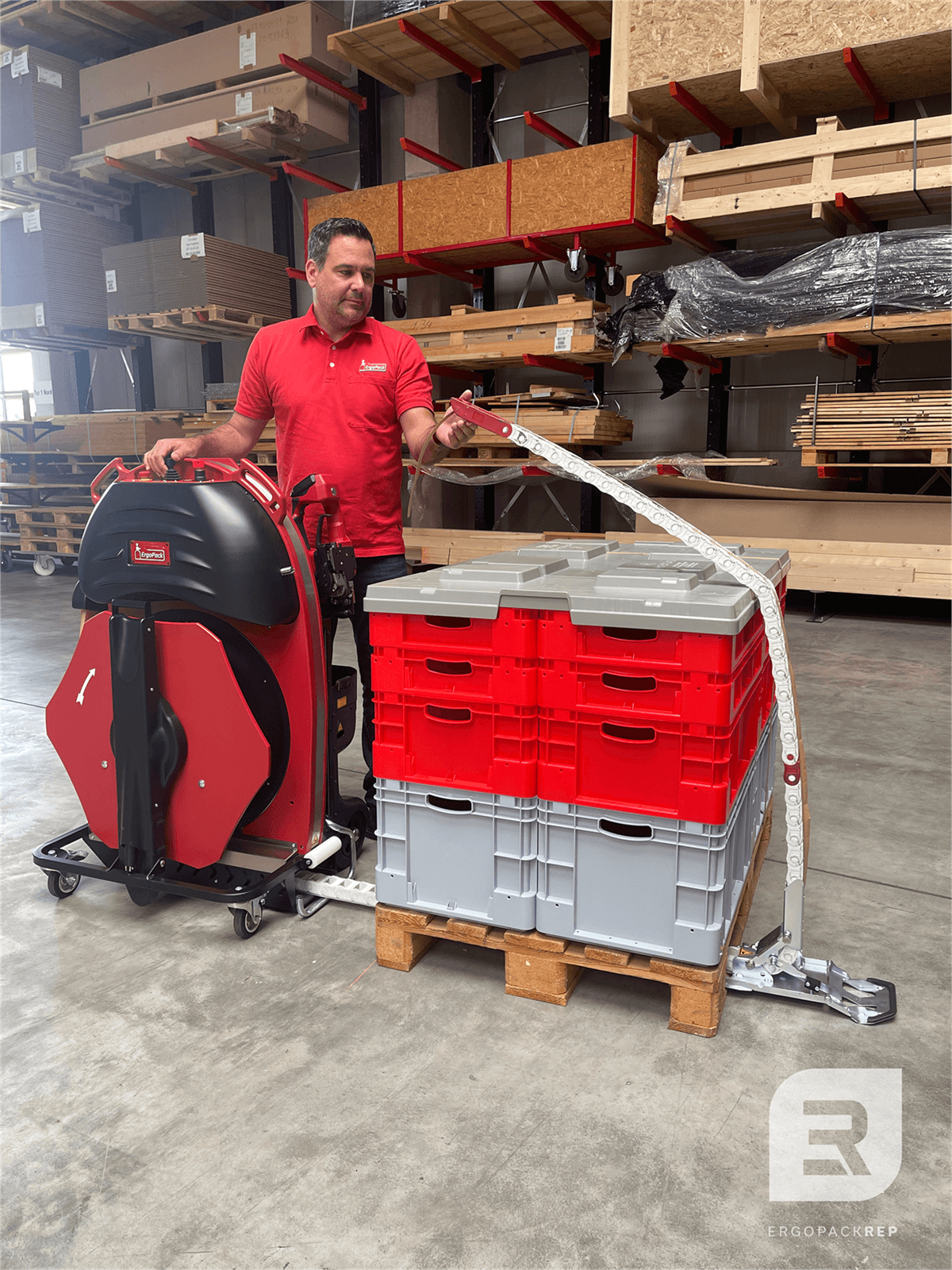
Automating it with a mobile ErgoPack machine cuts the step to under 40 seconds with one operator at calibrated tension, removing the re-work and freeing a person to keep the dock flowing. That is a direct efficiency gain at the point output was being lost.
- Dispatch is the gate every order passes — its slowest step caps output.
- Manual securing is usually that step on Indian floors.
- Automating it: ~120s → <40s, two operators → one.
- Calibrated tension removes re-work and rejections.
Efficiency gains that compound
Removing the securing bottleneck speeds everything downstream, frees scarce labour, and cuts the rejected loads that send pallets back through the whole dock. Each effect compounds — the warehouse ships more, with fewer people and less re-work, for a one-time machine cost that pays back in 6–18 months.
Frequently asked questions
- What is the biggest single way to improve warehouse efficiency?
- Remove the slowest, most labour-heavy step at the dispatch dock — usually manual pallet securing. Automating it cuts the cycle from ~120 seconds to under 40 with one operator, removes re-work from inconsistent tension, and frees scarce labour. Because dispatch gates every order, this lifts the whole warehouse, paying back in 6–18 months.
- Should I improve the racks or the dock first?
- Improve whichever is your real bottleneck — but on most Indian floors the dispatch dock, specifically manual securing, is the bigger and faster-to-fix loss. Rack optimisation helps, but it is slower and cheaper to remove the dock bottleneck with mobile securing automation, which needs no rebuild.
- How does securing automation cut warehouse re-work?
- Manual securing applies inconsistent tension, so loose pallets must be re-done and some loads are rejected and sent back through the dock. Automated securing applies calibrated, repeatable tension to every pallet, so there is no re-work and far fewer rejections — a direct, compounding efficiency gain.