Automation Hub · Spoke
End-of-Line Automation: The Fastest-Paying Project on the Floor
End-of-line automation — automating the palletising, securing and dispatch steps after production — is the fastest-paying automation project for most Indian factories, because production is already partly automated while the line-end is still manual. Automating the securing step alone cuts it from ~120 seconds to under 40 and pays back in 6–18 months.
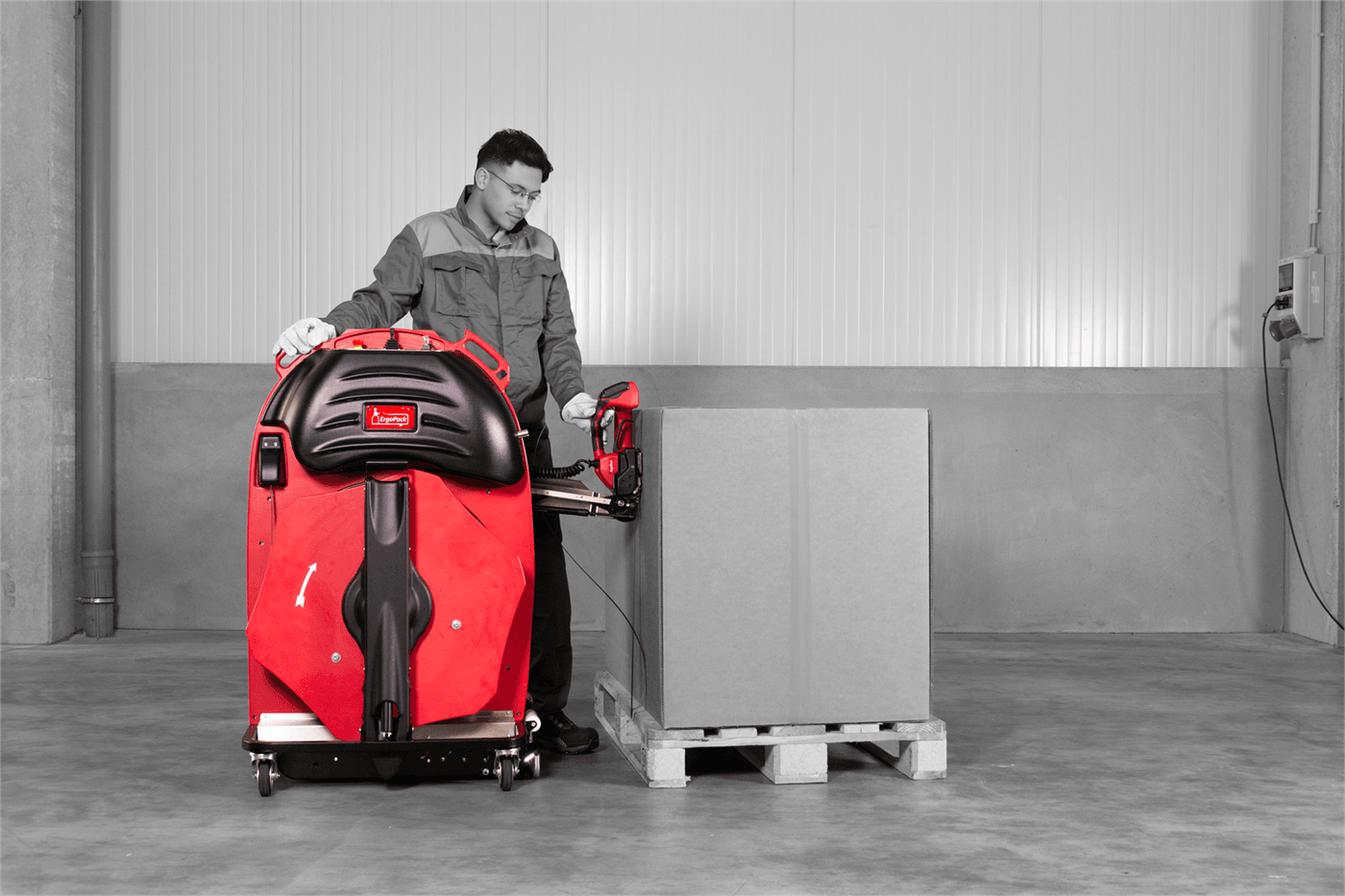
End-of-line — the steps between "production finished" and "on the truck" — is where most Indian factories still rely on manual labour, even when the production line itself is automated. That makes it the clearest, fastest-paying place to automate next.
This guide explains why the line-end is the bottleneck and how automating its securing step captures the gain with minimal disruption.
The line-end is the manual gap
Production lines are increasingly automated, but palletising, securing and dispatch at the line-end are often still done by hand. The securing step in particular — two operators, ~120 seconds, inconsistent tension — is repetitive, labour-heavy and a frequent bottleneck that caps how fast finished goods can leave.
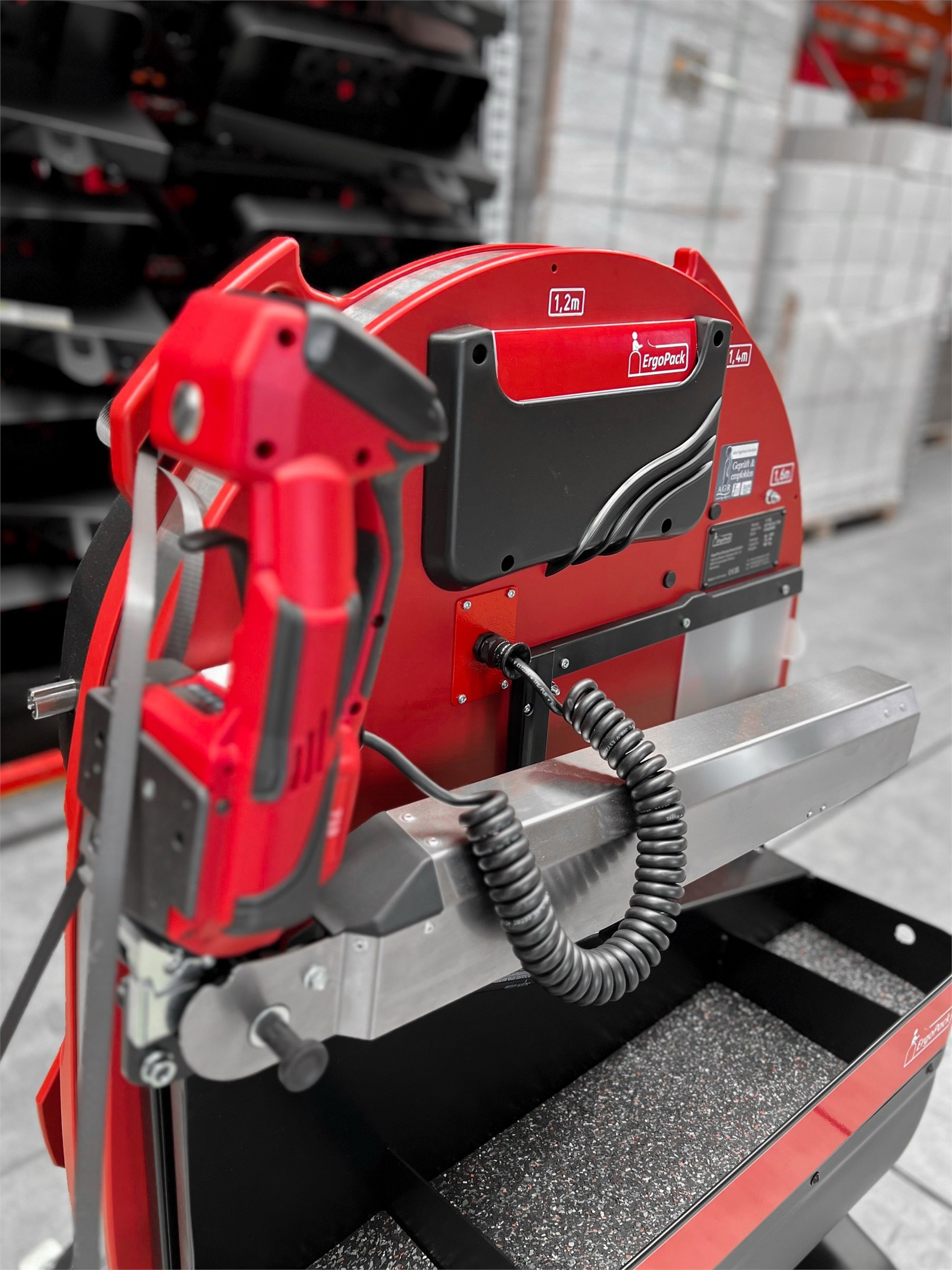
Automating it with a mobile ErgoPack machine cuts it to under 40 seconds with one operator at calibrated tension, with no change to the production line. The line-end stops being the bottleneck, output flows, and the project pays back in 6–18 months.
- Production is automated; the line-end is the manual gap.
- End-of-line securing is repetitive, labour-heavy and a bottleneck.
- Mobile automation = low CapEx, no production rebuild.
- Calibrated tension improves quality and cuts rejections.
Why end-of-line pays back fastest
Because it is contained (one step), low-disruption (no production change) and high-impact (clears a real bottleneck and removes the most expensive manual labour), end-of-line securing automation has the best ROI of any first automation project for most Indian floors — typically ~₹25 lakh a year saved and 6–18 month payback.
Frequently asked questions
- What is end-of-line automation?
- It is automating the steps between finished production and dispatch — palletising, securing and loading. For most Indian factories the production line is already partly automated while these line-end steps are still manual, so end-of-line automation (starting with securing) is the fastest-paying, lowest-disruption next project, with payback in 6–18 months.
- Why is end-of-line the fastest-paying automation project?
- Because it is contained, low-disruption and high-impact. It automates one step (securing) with no production-line change, clears a real bottleneck, and removes the most expensive manual labour at the dock — saving around ₹25 lakh a year and recovering the machine in 6–18 months.
- Does end-of-line automation disrupt my production line?
- No. A mobile securing machine is wheeled to the line-end with no conveyors or civil work, so the production line is untouched. You capture the dispatch gain immediately and can expand to palletising or wrapping later, each funded by the previous step.