Automation Hub · Spoke
Packaging Automation in India: Which Step to Automate First
Packaging automation in India pays back fastest when it starts with the securing step, not wrapping or filling. Automating manual pallet securing cuts it from ~120 seconds to under 40 with one operator, improves load consistency, and recovers the machine in 6–18 months — the lowest-disruption, highest-ROI packaging automation for most floors.
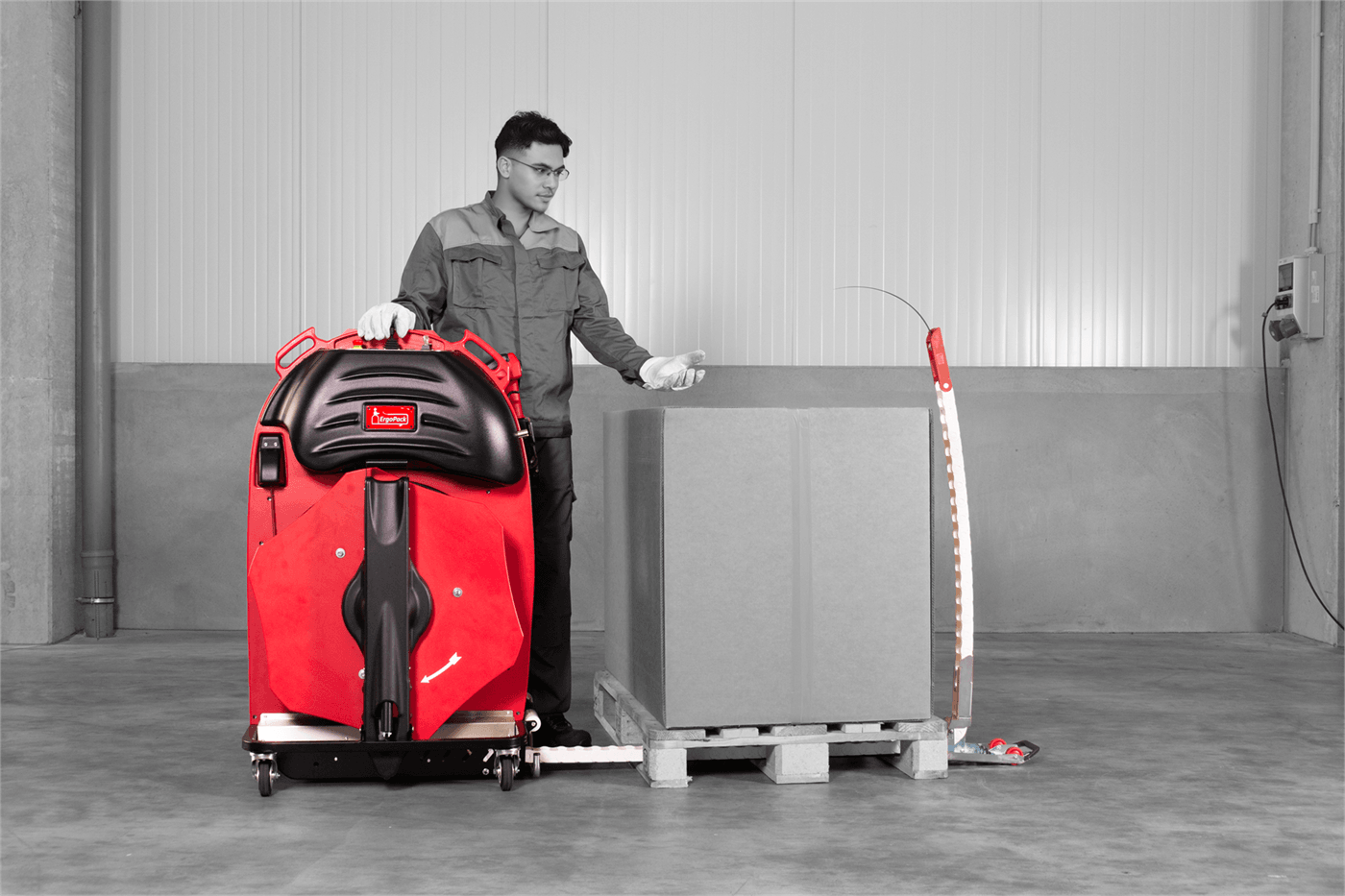
Packaging automation spans many steps — filling, sealing, wrapping, palletising, securing. Trying to automate all of them at once is a big-bang project with high cost and long lead time. The smarter, faster-paying approach is to automate the single step that is most manual, most repetitive and most costly first.
This guide explains why that step is usually pallet securing, and how automating it delivers the fastest packaging-automation ROI with the least disruption.
Securing is the highest-ROI packaging step to automate
Of all the end-of-line packaging steps, manual pallet securing is usually the slowest and most labour-heavy — two operators, ~120 seconds per pallet, inconsistent tension. Wrapping and labelling are often faster and easier to mechanise; securing is where the time and labour actually go, which makes it the highest-ROI step to automate first.
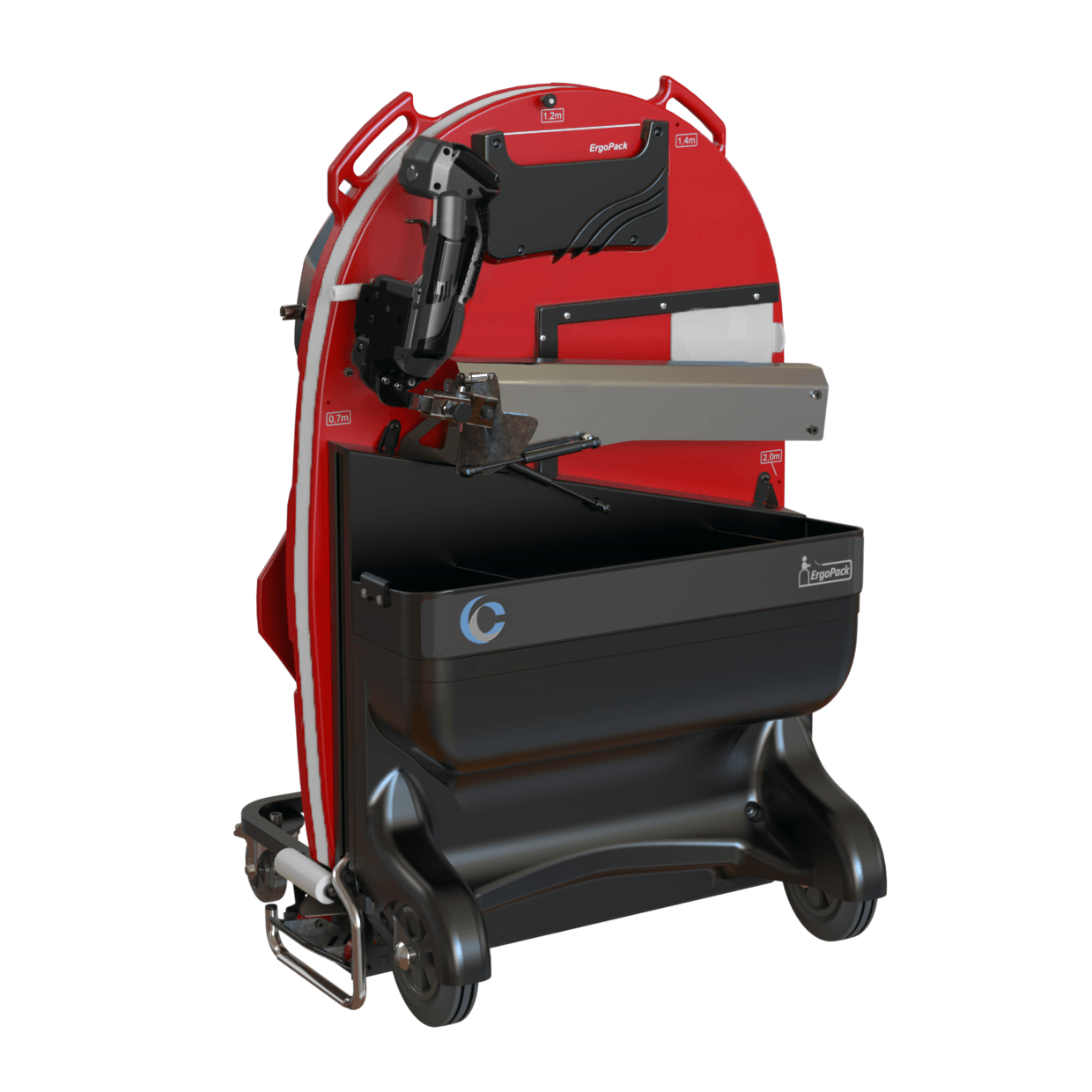
A mobile ErgoPack machine secures a pallet in under 40 seconds with one operator at calibrated tension, needing no conveyors or line rebuild. The packaging line keeps its layout, but its most expensive manual step is removed — immediate gain, low disruption, payback in 6–18 months.
- Securing is the slowest, most labour-heavy end-of-line step.
- Mobile automation needs no conveyors or line rebuild.
- One operator at under 40 seconds replaces two at ~120 seconds.
- Calibrated tension improves consistency and cuts rejections.
Automate in sequence, not all at once
The efficient path is a contained first project (securing), proven and paid back, then expansion to the next step — palletising, wrapping, conveying — each funded by the last. This avoids the cost, risk and disruption of a full packaging-line rebuild while still moving steadily toward a fully automated line.
Frequently asked questions
- Which packaging step should I automate first?
- The securing (strapping) step. It is usually the slowest and most labour-heavy end-of-line step — two operators at ~120 seconds per pallet. Automating it with a mobile machine needs no conveyors or line rebuild, cuts the step to under 40 seconds with one operator, and pays back in 6–18 months — faster than automating wrapping or filling.
- Do I need a full automated packaging line to benefit?
- No. The fastest ROI comes from automating one step — securing — with a contained, mobile machine that fits your existing line. You prove the gain, recover the cost in 6–18 months, then expand to the next step. A full line rebuild is neither necessary nor the cheapest way to start.
- How does packaging automation improve quality?
- Manual securing applies inconsistent, by-feel tension that causes loose, shifting loads and transit damage. Automated securing applies calibrated, repeatable tension to every pallet, so packaged loads leave the line consistently secured — fewer defects, fewer shipment rejections and a more predictable dispatch.