guides
Tyre Packaging & Bundling: How to Stack, Strap and Ship Tyres Efficiently
How tyres are bundled, strapped and palletised for transport — stacking patterns, strapping tyre stacks, space optimisation, and protecting sidewalls on a high-volume export load.
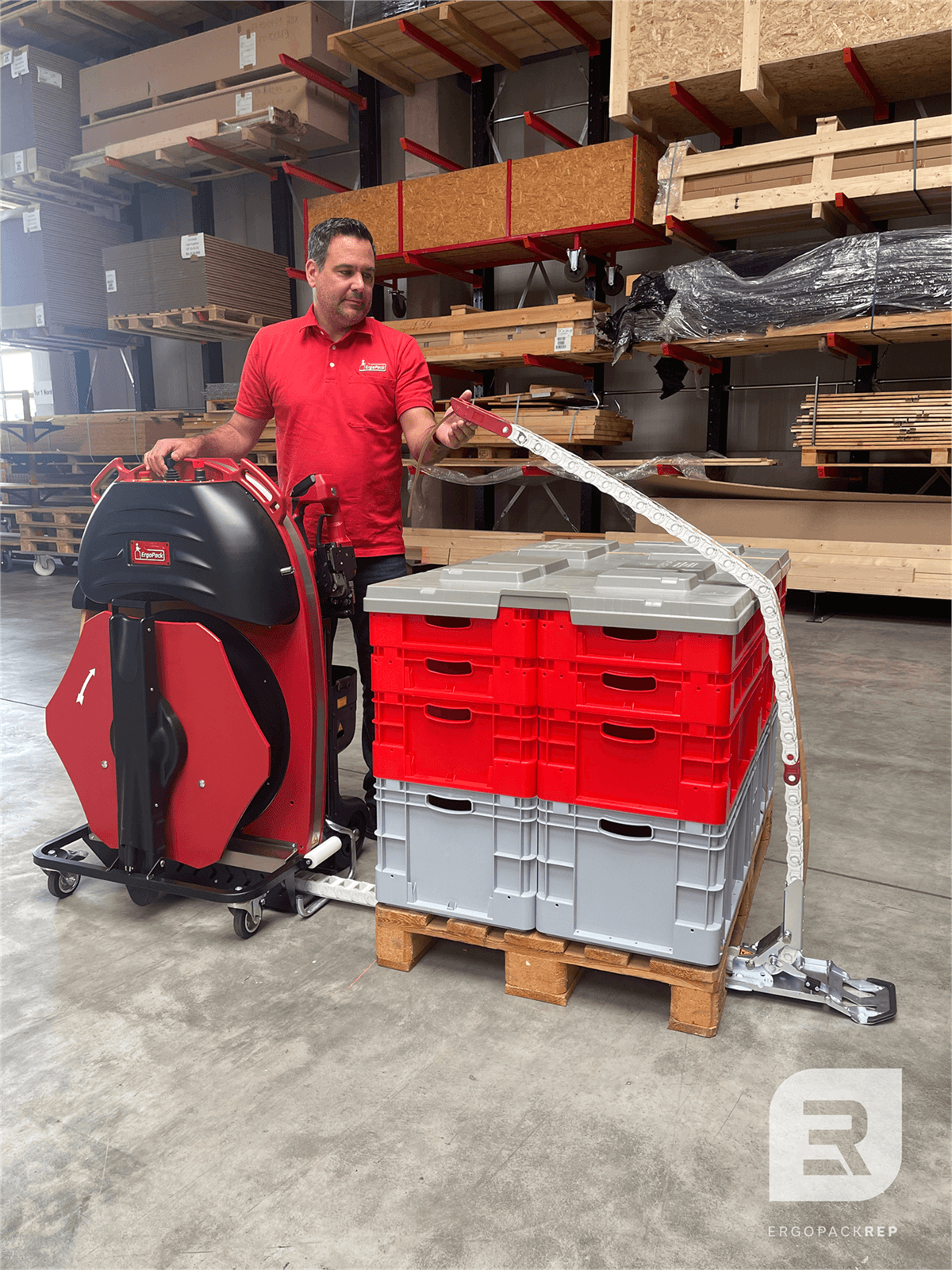
Tyres are awkward to ship: round, bulky relative to their weight, and shipped in enormous volumes where every cubic metre of container space costs money. The art of tyre packaging is fitting the most tyres into a container while keeping them stable and undamaged. India's tyre manufacturing and export sector runs on getting this balance right. Here is how it is done.
What makes tyres awkward to ship
- Bulky, low density — tyres take up a lot of space for their weight, so container volume, not weight, is usually the limit.
- Round and unstable — they roll and a loose stack collapses.
- Sidewall-sensitive — pressure marks, scuffs and deformation on a stored tyre are quality issues.
- High volume — manufacturers ship by the thousand, so the packing method must be fast.
Stacking patterns
Tyres are stacked to balance density and stability:
- Vertical (standing) rows — tyres stood on their tread, lined up; common for loading containers densely.
- Stacked (laid flat) columns — tyres laid flat and stacked; simple but can be less space-efficient.
- Telescoping / nesting — smaller tyres nested inside larger ones to use the void, maximising tyres per container.
The right pattern depends on the tyre sizes and whether you are filling by volume.
Bundling and strapping tyre stacks
Loose tyres shift and roll, so stacks are strapped into stable bundles:
- Strap groups of tyres together so they travel as one unit rather than loose items — vertical straps around a stack hold it together.
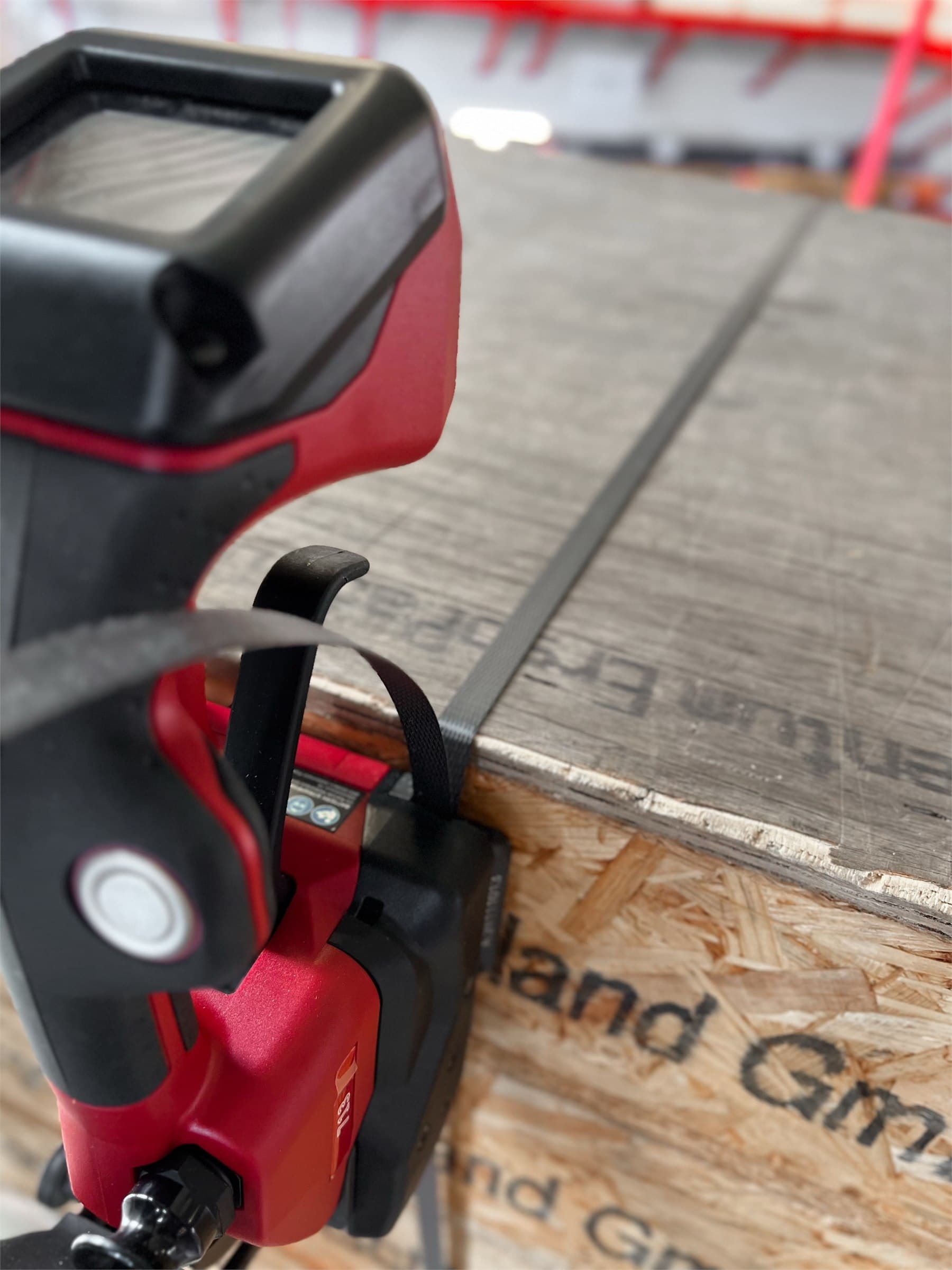
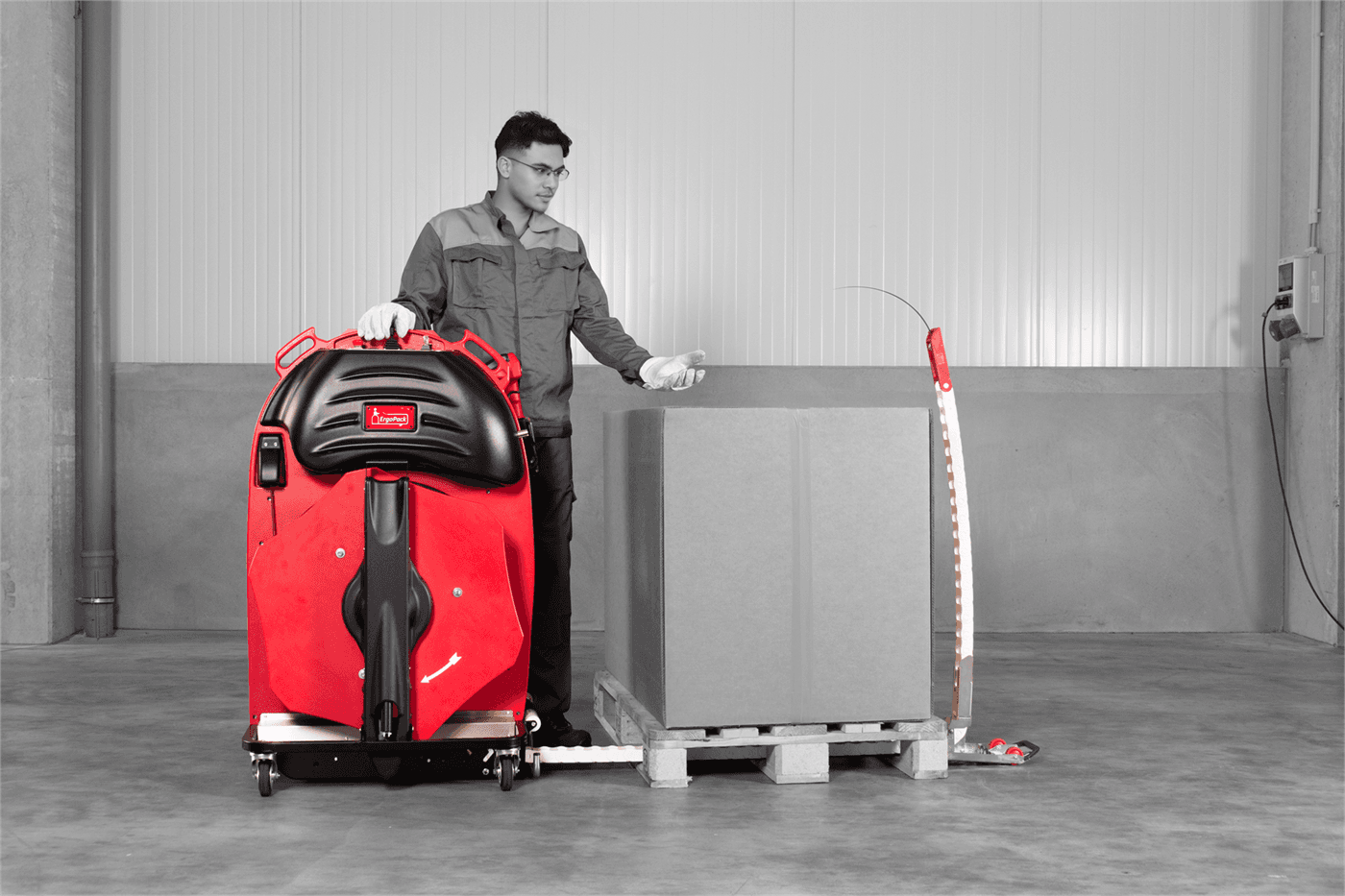
- Apply consistent tension firm enough to hold the stack without deforming the sidewalls — over-tension marks the rubber. A calibrated machine such as the ErgoPack 726X, GO or 700 applies repeatable tension and routes the strap automatically.
- For palletised tyres, strap the stack down to the pallet so it cannot topple.
Protect and optimise
- Protect sidewalls from the strap and from rubbing — pads or correct strap placement.
- Optimise the fill — nesting and the right pattern can add hundreds of tyres per container, directly improving freight economics (the same density logic as LTL freight class).
- Wrap or bag where the market or cleanliness requires.
Tyre packaging checklist
- Stacking pattern chosen for density and stability (vertical/flat/nested)
- Nesting used to fill voids and add tyres per container
- Tyre stacks strapped into stable bundles
- Consistent tension — holds the stack without marking sidewalls
- Palletised stacks strapped down so they cannot topple
- Sidewalls protected from strap and rubbing
- Fill optimised for container volume
Pack tyres to this standard — the right pattern, nested for density, strapped into stable bundles without marking the rubber — and you ship the most tyres per container with none arriving damaged.
Talk to a pallet strapping engineer
BENZ Packaging and ErgoPack India engineers support installations and service anywhere in India. Tell us your pallet setup and we’ll recommend the right machine — and send pricing.
Related Reading
Continue with the next guide
guides
PP vs PET Strapping: Which Should You Use, and When?
PP and PET strap suit very different loads. A clear guide to when polypropylene is enough and when polyester is essential — by load weight, settling, and export exposure.

guides
Strapping Machine AMC, Spares and Uptime: What to Check Before You Buy
A strapping machine is only as good as its uptime. What to check on service, spare parts and AMC before you buy — so the machine that saves you ₹25 lakh a year actually keeps running.
guides
Pallet Strapping Machine Buying Checklist: 10 Questions Before You Decide
Before you buy a pallet strapping machine, run through these ten questions. They cover loads, volume, power, tension, service and ROI — so you choose the right machine, not just the cheapest.