guides
LTL Freight Shipping Explained: Pallets, Freight Class & How to Cut Cost
How less-than-truckload (LTL) freight works, why it runs on pallets, how freight class and density set your rate, and how proper palletising and strapping survive the terminal network and cut cost.
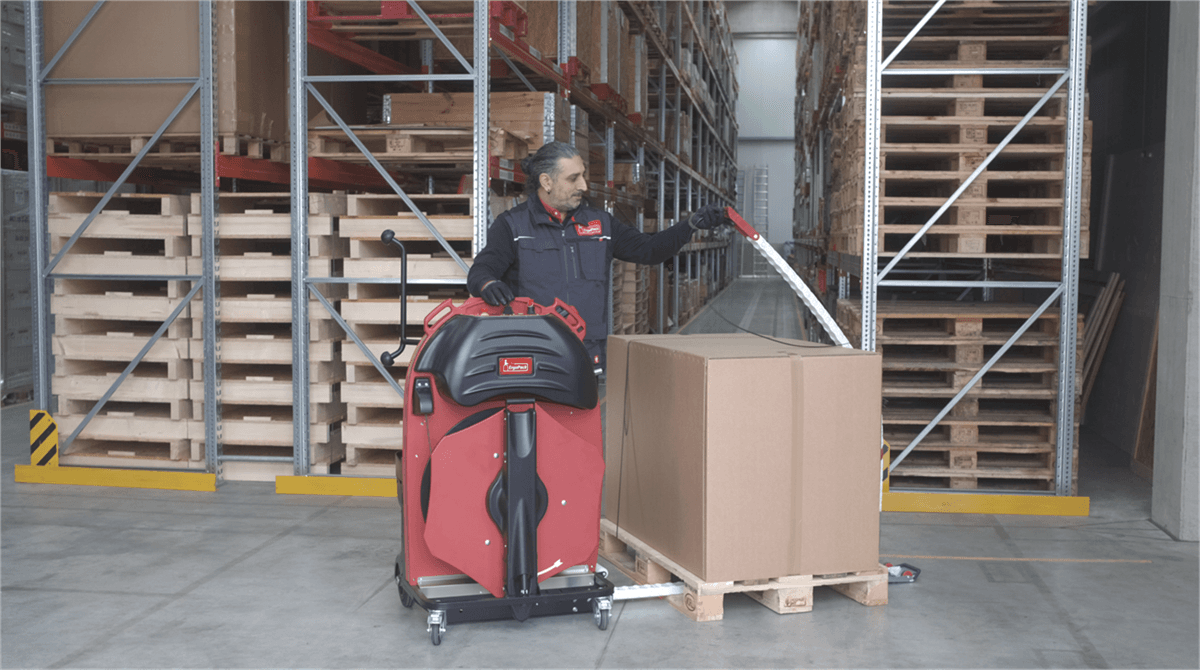
When your shipment is a few pallets — not a full trailer — it travels LTL: less-than-truckload, sharing space with other shippers. That sharing, and the terminal network it flows through, changes how you should pack. Here is how LTL works and how to ship it for less.
How LTL freight works
In LTL, multiple shippers' freight shares one trailer and the cost. Your pallets flow through a terminal network, getting consolidated, unloaded and reloaded several times between origin and destination. A typical LTL shipment is 1–10 pallets. Two consequences follow:
- Your freight is handled many times by forklifts and dock crews — far more touches than a full truckload.
- Your rate is set by a classification system, not just weight.
Why LTL runs on pallets
Palletising makes LTL freight safer and cheaper to handle: a forklift lifts one sturdy unit, terminals touch it fewer times, and trailers pack neatly. But a pallet only delivers that benefit if the load stays a single, stable unit through every terminal transfer. A pallet that arrives loose, leaning or with a shifted stack gets damaged on the next forklift move — and LTL's many touches make that far more likely than in a full truckload.
This is why strapping the load to the pallet matters more in LTL: the unit has to survive repeated handling by people who did not pack it.
Freight class and the NMFC system
LTL pricing uses the National Motor Freight Classification (NMFC), which sorts commodities into 18 classes from 50 to 500, based on four factors:
- Density (weight vs dimensions) — the biggest driver.
- Stowability — how easily it loads with other freight.
- Handling — how easy/hard it is to move.
- Liability — value and damage/theft risk.
Higher density = lower class = lower cost. A dense, compact, stackable pallet is cheaper to ship than a tall, light, fragile one.
How to cut LTL cost
- Optimise density. Pack to compress height where you can — a denser pallet drops your class and can save 15–20% per pallet.
- Measure and classify accurately. Measure exact external dimensions (including overhang) and use real scale weight — guessing leads to re-class charges.
- Make it stackable. Stackable freight earns discounts; non-stackable gets surcharged. A flat, stable, strapped top lets carriers stack on it.
- Pack to survive the terminals. Secure the load so it is not damaged in transit — damage claims and re-ships erase any rate saving.
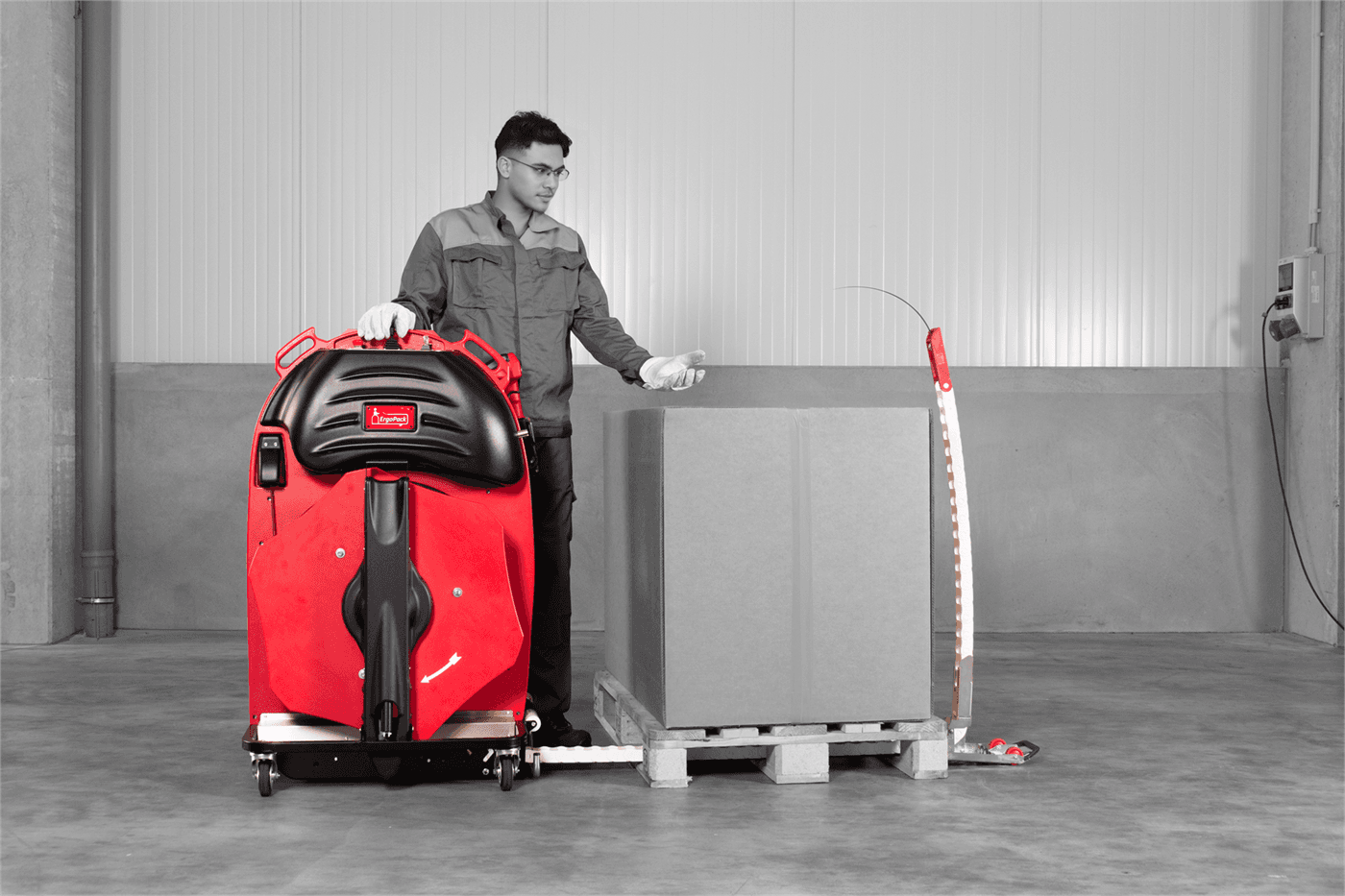
That last point is where strapping pays off: a load strapped to the pallet at consistent tension stays square and stackable through every terminal, avoids damage surcharges, and keeps labels scannable. Calibrated machines such as the ErgoPack 726X, GO and 700 make that securing repeatable. See how to pack a pallet for shipping for the full method.
LTL shipping checklist
- Load palletised, square, no overhang
- Strapped to the pallet so it survives multiple terminal handlings
- Density optimised (compress height where possible)
- Exact dimensions + real weight measured for correct NMFC class
- Flat, stable top so it is stackable (avoid surcharges)
- Labels on all four sides, scannable
- Stretch wrap over the strapping for dust/moisture
Ship LTL to this standard and you pay the right class, avoid damage surcharges, and the pallet arrives intact after every terminal in between.
Talk to a pallet strapping engineer
BENZ Packaging and ErgoPack India engineers support installations and service anywhere in India. Tell us your pallet setup and we’ll recommend the right machine — and send pricing.
Related Reading
Continue with the next guide
guides
PP vs PET Strapping: Which Should You Use, and When?
PP and PET strap suit very different loads. A clear guide to when polypropylene is enough and when polyester is essential — by load weight, settling, and export exposure.
guides
Strapping Machine AMC, Spares and Uptime: What to Check Before You Buy
A strapping machine is only as good as its uptime. What to check on service, spare parts and AMC before you buy — so the machine that saves you ₹25 lakh a year actually keeps running.
guides
Pallet Strapping Machine Buying Checklist: 10 Questions Before You Decide
Before you buy a pallet strapping machine, run through these ten questions. They cover loads, volume, power, tension, service and ROI — so you choose the right machine, not just the cheapest.