guides
Shrink Wrap vs Stretch Wrap: The Difference and When to Use Each
Shrink wrap and stretch wrap are not the same thing. The real difference, what each is for, when to use which on a pallet — and the job neither one actually does.
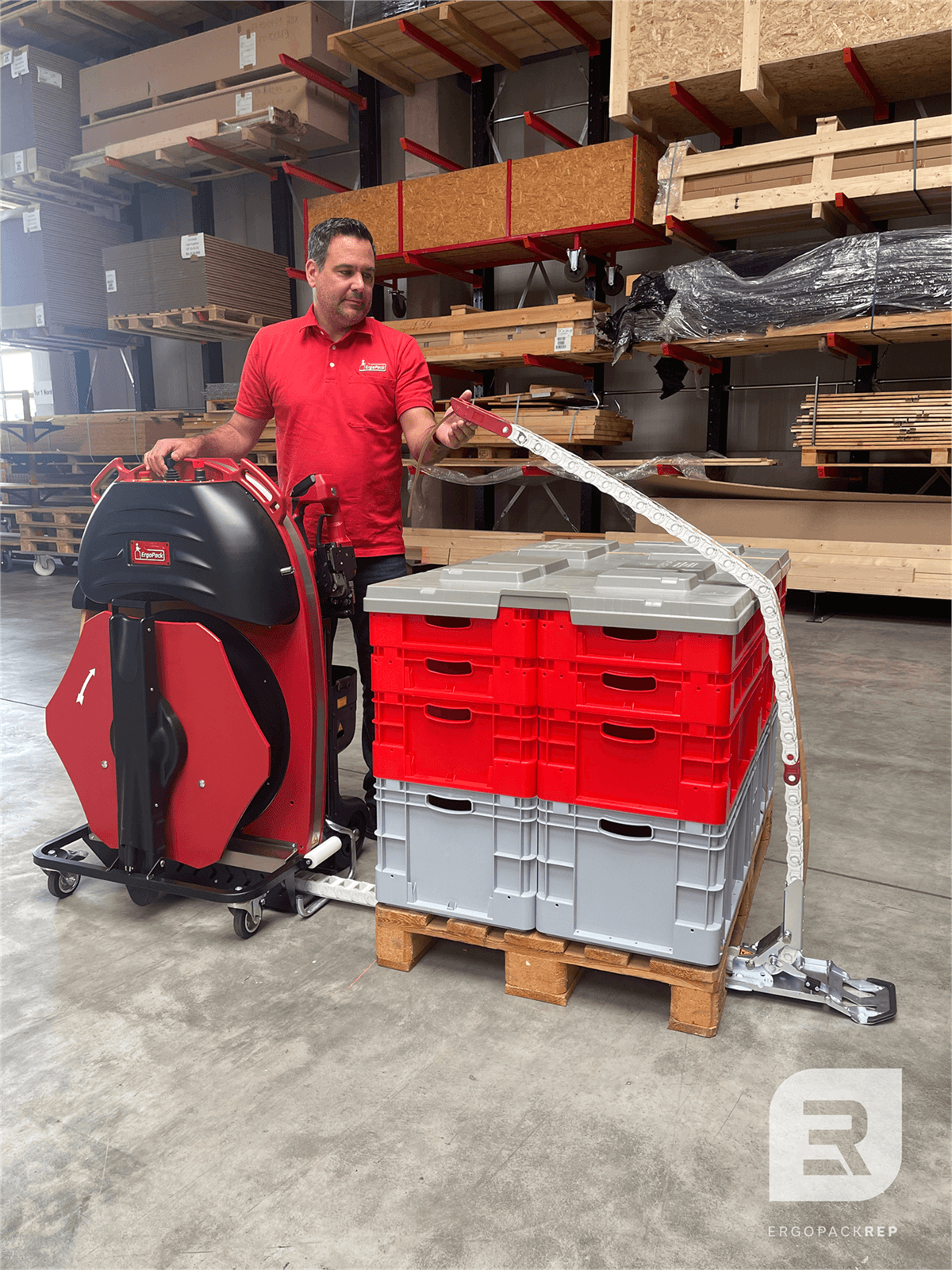
Shrink wrap and stretch wrap get used interchangeably in conversation, but they are different materials, applied differently, for different jobs. Picking the wrong one wastes money or leaves your load exposed. Here is the clear difference — and an important point both of them miss.
The core difference: heat vs tension
- Stretch wrap (pallet wrap) is an elastic film wound around the load under tension. Its own stretch holds the items together. No heat. It is the standard for unitising a pallet.
- Shrink wrap is a film placed loosely around the product and then heated (heat gun or tunnel) so it shrinks and conforms tightly to the exact shape of the contents.
One uses elasticity; the other uses heat. That single difference drives everything else.
What each is for
| Stretch wrap | Shrink wrap | |
|---|---|---|
| Applied with | Tension (no heat) | Heat |
| Main use | Unitising and securing pallet loads | Sealing individual products / retail goods |
| Strength | Holds items together on a pallet | Conforms tightly; seals out air, dust, moisture |
| Best for | Bulk pallet shipment & storage | Consumer goods, food, weatherproof covers |
| Cost to unitise a pallet | Lower | Higher (heat + energy) |
When to use which
- Securing a pallet for transport: use stretch wrap. It is designed to hold cased or boxed products in a uniform position on the pallet and is more cost-effective for high-volume shipments.
- Protecting individual products for retail or shelving: use shrink wrap. It seals out moisture, dirt and air and conforms to the product.
- Weatherproofing a whole pallet (e.g. outdoor storage): a shrink pallet cover can be used, but it is rarely the everyday choice for transport unitising.
In short: stretch to unitise a pallet, shrink to seal a product. Most dispatch floors use stretch wrap on pallets and reserve shrink wrap for retail-facing or moisture-critical items.
The job neither one does
Here is the point both materials share, and it matters: neither shrink nor stretch wrap anchors the load to the pallet. Both wrap the boxes — to each other (stretch) or individually (shrink) — but the unitised block can still slide off the pallet deck under heavy vibration or a sudden jolt, because film provides little vertical anchoring.
For light loads, wrap alone is fine. For medium and heavy loads, the complete method is strap to secure, then wrap to protect:
- Strapping passes tensioned strap under the pallet and over the load, anchoring it to the base — the securing.
- Wrapping (stretch, usually) adds the dust/moisture barrier and unitises the boxes — the protection.
A calibrated machine such as the ErgoPack 726X, GO or 700 handles the anchoring repeatably on every pallet. See pallet strapping vs stretch wrapping for the full cost and stability comparison, and how to stretch wrap a pallet for the wrapping technique.
Quick reference
- Unitising a pallet for transport → stretch wrap
- Sealing an individual product / retail item → shrink wrap
- Weatherproof whole-pallet cover → shrink cover (niche)
- Remember: both protect and unitise; neither anchors to the pallet
- Medium/heavy loads → strap first, then wrap
Use stretch to unitise, shrink to seal — and strap to actually secure the load to the pallet.
Talk to a pallet strapping engineer
BENZ Packaging and ErgoPack India engineers support installations and service anywhere in India. Tell us your pallet setup and we’ll recommend the right machine — and send pricing.
Related Reading
Continue with the next guide
guides
PP vs PET Strapping: Which Should You Use, and When?
PP and PET strap suit very different loads. A clear guide to when polypropylene is enough and when polyester is essential — by load weight, settling, and export exposure.
guides
Strapping Machine AMC, Spares and Uptime: What to Check Before You Buy
A strapping machine is only as good as its uptime. What to check on service, spare parts and AMC before you buy — so the machine that saves you ₹25 lakh a year actually keeps running.
guides
Pallet Strapping Machine Buying Checklist: 10 Questions Before You Decide
Before you buy a pallet strapping machine, run through these ten questions. They cover loads, volume, power, tension, service and ROI — so you choose the right machine, not just the cheapest.