insights
Returnable & Reusable Packaging: Cutting Cost and Waste in the Supply Chain
How returnable and reusable packaging cuts cost and waste — reusable pallets, totes and racks, when it pays off, and how durable load securing fits a closed-loop system.
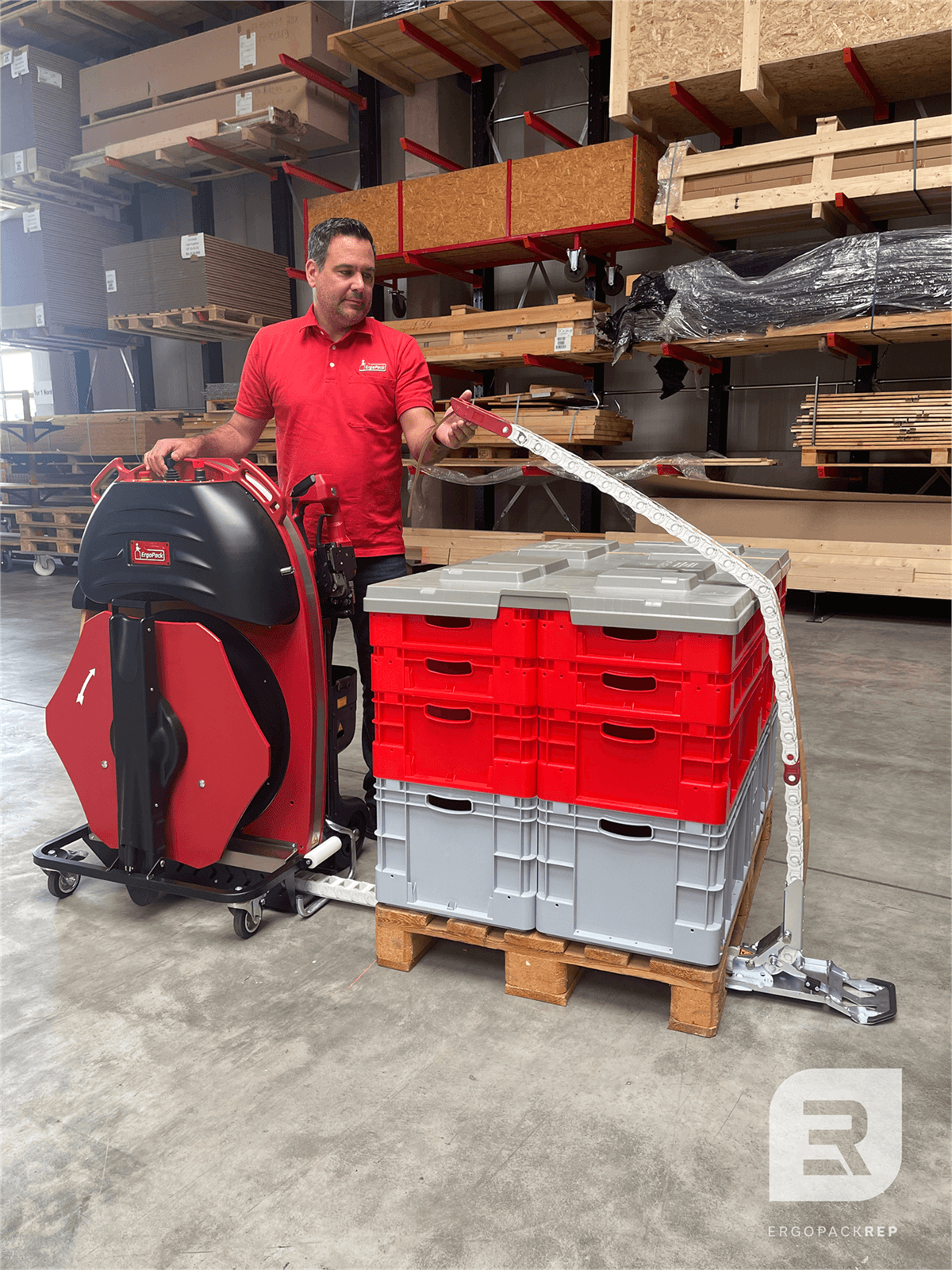
Single-use packaging is bought, used once and thrown away — paying for the same protection again on every shipment. Returnable (reusable) packaging flips that: durable assets that cycle through the supply chain many times. For high-volume, closed-loop routes — automotive, manufacturing, retail distribution — it can cut both cost and waste substantially. Here is how it works and where it fits.
What returnable packaging is
Returnable or reusable transit packaging (RTP) is durable packaging designed to be used repeatedly:
- Reusable plastic pallets — washable, long-life (10–15 years / hundreds of trips) versus a wooden pallet's 3–5 years.
- Plastic totes, bins and crates — replacing single-use cartons on fixed routes.
- Collapsible/foldable containers — fold flat for efficient return transport.
- Steel/plastic racks and stillages — for automotive parts and heavy components.
Why it cuts cost and waste
- Cost per trip falls — a reusable asset's purchase cost is spread across hundreds of cycles, beating the per-shipment cost of single-use packaging on high-volume routes.
- Less waste — far less corrugated and film consumed and disposed of, supporting sustainability targets.
- Better protection — engineered reusable containers often protect product better than ad-hoc cartons, cutting damage.
- Cleaner handling — standardised, stackable units improve warehouse flow.
When returnable packaging pays off
It works best where:
- Volume is high and routes are fixed — closed loops between known partners (e.g. a supplier and an assembly plant).
- Return logistics exist — you can get the empties back economically.
- The product justifies it — repeated, predictable shipments of similar goods.
It works less well for one-way export to many destinations, where recovering the asset is impractical.
Where load securing fits
Reusable systems still need their loads secured — and securing fits a closed loop well:
- Reusable plastic pallets pair naturally with PET strapping (also reusable-friendly, rust-free, no metal clips to contaminate a returned asset).
- Consistent, calibrated tension keeps standardised reusable units stable and damage-free trip after trip — a calibrated machine such as the ErgoPack 726X, GO or 700 applies the same tension every cycle.
- Sealless friction welding avoids the metal-clip waste that would undercut a reusable system's sustainability case.
For the pallet side of the decision, see standard pallet sizes in India (wood vs plastic) and types of pallets explained.
Returnable packaging checklist
- Route is high-volume and closed-loop
- Return logistics in place to recover empties
- Reusable pallets/totes/racks sized to the product
- Cost-per-trip modelled vs single-use
- PET strapping (reusable-friendly, rust-free) for securing
- Sealless friction weld — no metal-clip waste
- Consistent tension to protect assets trip after trip
On the right routes, returnable packaging is one of the clearest wins in logistics — lower cost per trip, less waste, better protection. Secure those reusable loads with rust-free PET at consistent tension and the whole closed loop runs clean.
Talk to a pallet strapping engineer
BENZ Packaging and ErgoPack India engineers support installations and service anywhere in India. Tell us your pallet setup and we’ll recommend the right machine — and send pricing.
Related Reading
Continue with the next guide
insights
Improving OEE: Why the Dispatch Dock Is the Forgotten Factor
OEE programmes obsess over the production line and ignore the dispatch dock — yet a manual securing bottleneck there caps the throughput your OEE is meant to protect. Here’s the link.
insights
Pallet Strapping Machine for Small Business: Is It Worth It?
Small and mid-size Indian manufacturers and exporters often assume automation is only for big plants. For pallet securing, that’s usually wrong — here’s why a mobile machine fits a small business.
insights
How Many Pallets a Day Justify a Strapping Machine?
There’s a simple volume threshold above which a mobile strapping machine pays for itself. Here’s how to work out yours — and why it’s lower than most people expect.