insights
How to Reduce Export Packaging Cost (Without Risking the Shipment)
Cut export packaging cost without inviting rejections — where export packaging spend actually goes, the safe savings, and the false economies that cost far more than they save.
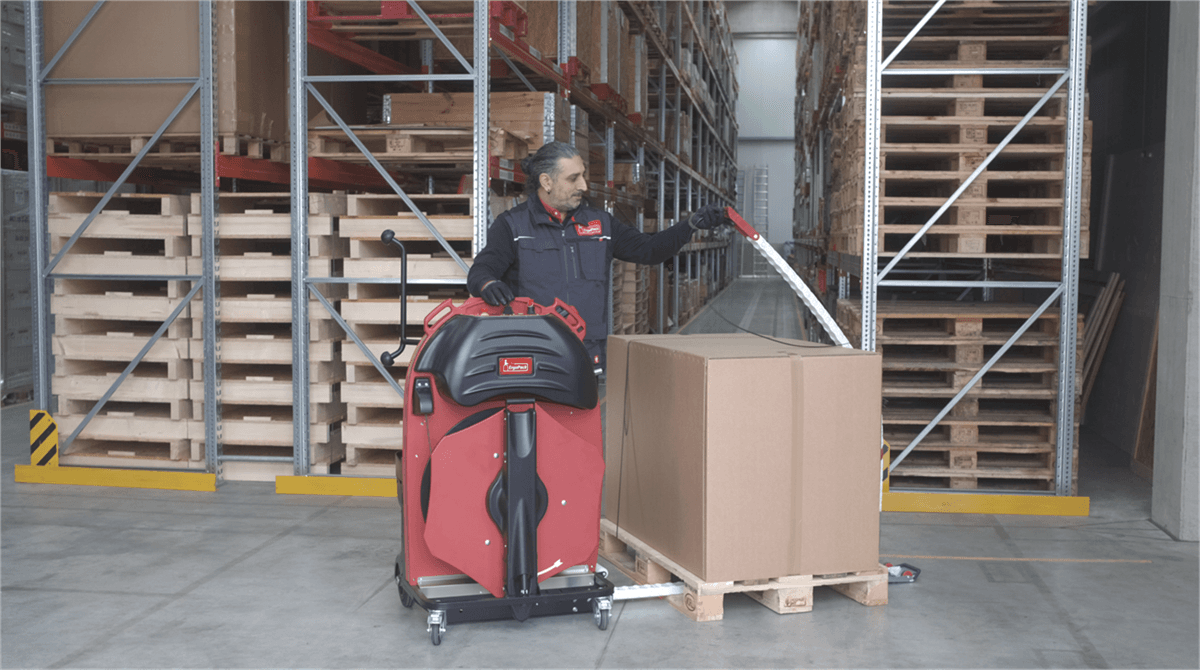
Export packaging costs more than domestic — crates, VCI, barriers, certified wood, securing — so it's a natural target for cost-cutting. But export packaging is also where false economies are most dangerous: shave the wrong cost and you lose a whole container. Here is how to genuinely reduce export packaging cost while keeping the shipment safe.
Where export packaging cost goes
| Cost | What it includes | Safe to cut? |
|---|---|---|
| Crating / timber | ISPM-15 crates, cases, pallets | Optimise, don't skip |
| Corrosion / moisture | VCI, barriers, desiccant | Right-size, don't skip on metal |
| Securing | Strap, seals, lashing | Switch to efficient (PET + sealless) |
| Labour | Manual packing/strapping | Automate — biggest safe saving |
| Damage / rejection | Failed containers | The cost cutting must not raise this |
The rule: cut cost per shipped unit, never the protection
The goal is lower cost per safely-delivered unit — not cheaper packaging that raises the rejection rate. One rejected container can cost more than a year of "savings." So target the costs you can cut without weakening protection.
Safe ways to reduce export packaging cost
1. Automate the labour (biggest safe saving)
Manual packing and strapping is the largest controllable export-packaging labour cost. Automating the securing step cuts it sharply and improves consistency — saving ~₹25 lakh/year on a typical floor while reducing the damage that causes rejections (reduce labour cost in packaging).
2. Switch to more efficient securing
- PET strap instead of steel — lower cost per metre, no rust (which would itself cause rejections), and it holds tension as loads settle (PP vs PET vs steel).
- Sealless friction welding — removes the recurring cost of metal seals entirely.
- Calibrated tension — applies only what's needed, no waste, consistent every time.
3. Right-size crates and barriers
Optimise crate dimensions to the cargo (less timber, lower volume/freight), and right-size the VCI and desiccant to the actual metal area and route — without dropping below what protects the goods.
4. Reduce damage and rejections
The cheapest export packaging is the one whose container isn't rejected. Consistent securing, VCI and moisture control prevent the failures that cost the most (reduce export rejections).
The false economies to avoid
These "savings" cost far more than they save:
- Skipping ISPM-15 — port detention, fumigation at your cost, delay.
- Steel strap on metal exports — rusts onto the cargo it was meant to secure.
- Under-dosing VCI/desiccant — corrosion and moisture damage.
- Manual hand tension — the loose pallet is the one that fails.
- Flimsy crates — physical damage and crushing.
How to reduce export packaging cost — the method
- Measure cost per safely-delivered unit, including damage/rejection cost.
- Automate the securing labour — the biggest safe saving.
- Switch to PET + sealless securing.
- Right-size crates, VCI and desiccant — without weakening protection.
- Cut the rejection rate — the largest hidden cost.
- Model it in the ROI calculator.
Export packaging cost checklist
- Cost measured per safely-delivered unit (incl. rejections)
- Securing labour automated (biggest safe saving)
- PET strap + sealless friction weld (no rust, no seal cost)
- Crates, VCI, desiccant right-sized — not skipped
- Rejection rate reduced with consistent securing + protection
- No false economies (ISPM-15, steel-on-metal, under-dosing)
Reduce export packaging cost the right way — automate the labour, switch to efficient PET securing, right-size protection, and cut rejections — and you lower cost per shipped unit without ever risking the container. Model your savings or request a quote.
Talk to a pallet strapping engineer
BENZ Packaging and ErgoPack India engineers support installations and service anywhere in India. Tell us your pallet setup and we’ll recommend the right machine — and send pricing.
Related Reading
Continue with the next guide
insights
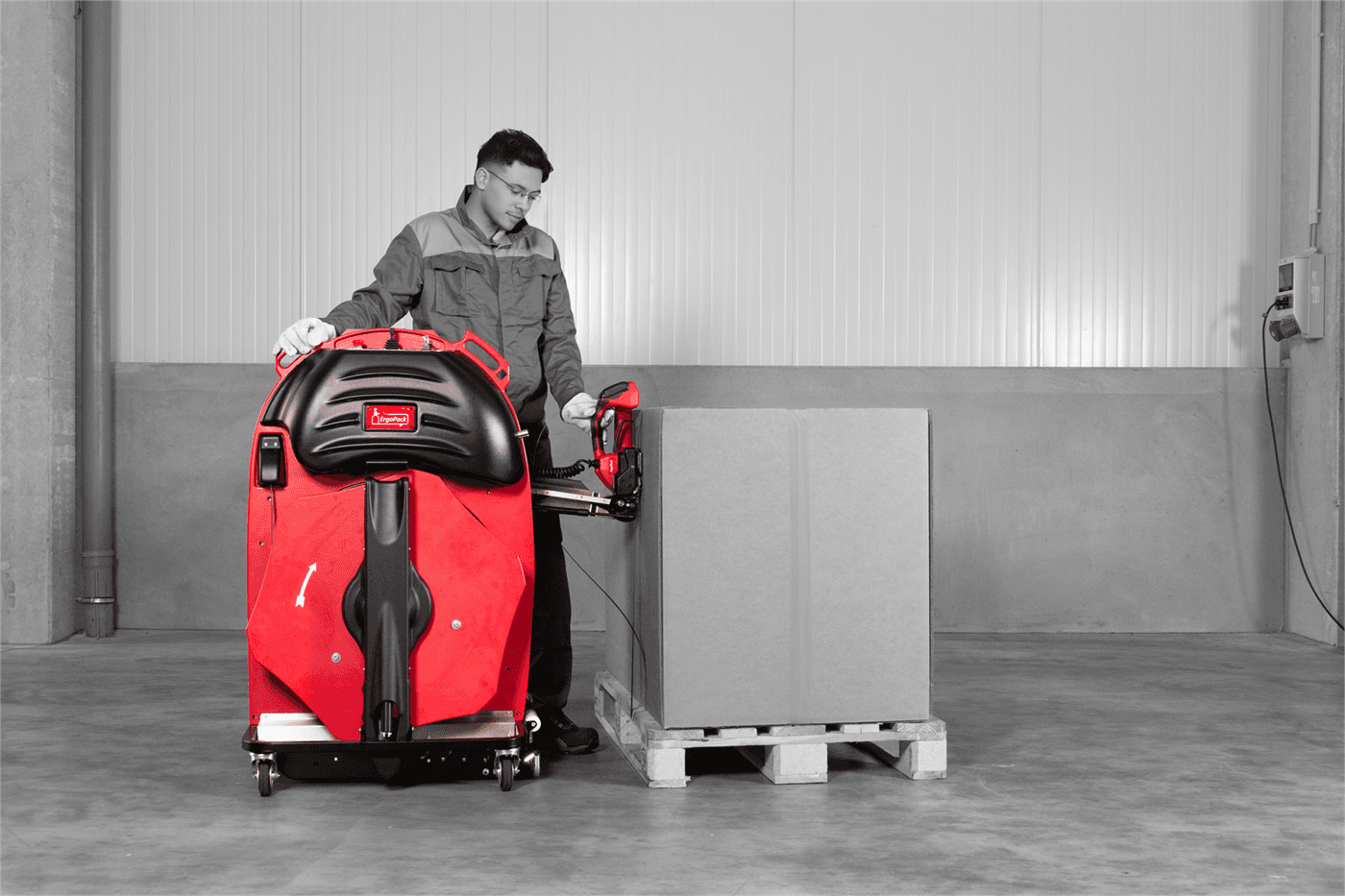
Improving OEE: Why the Dispatch Dock Is the Forgotten Factor
OEE programmes obsess over the production line and ignore the dispatch dock — yet a manual securing bottleneck there caps the throughput your OEE is meant to protect. Here’s the link.
insights
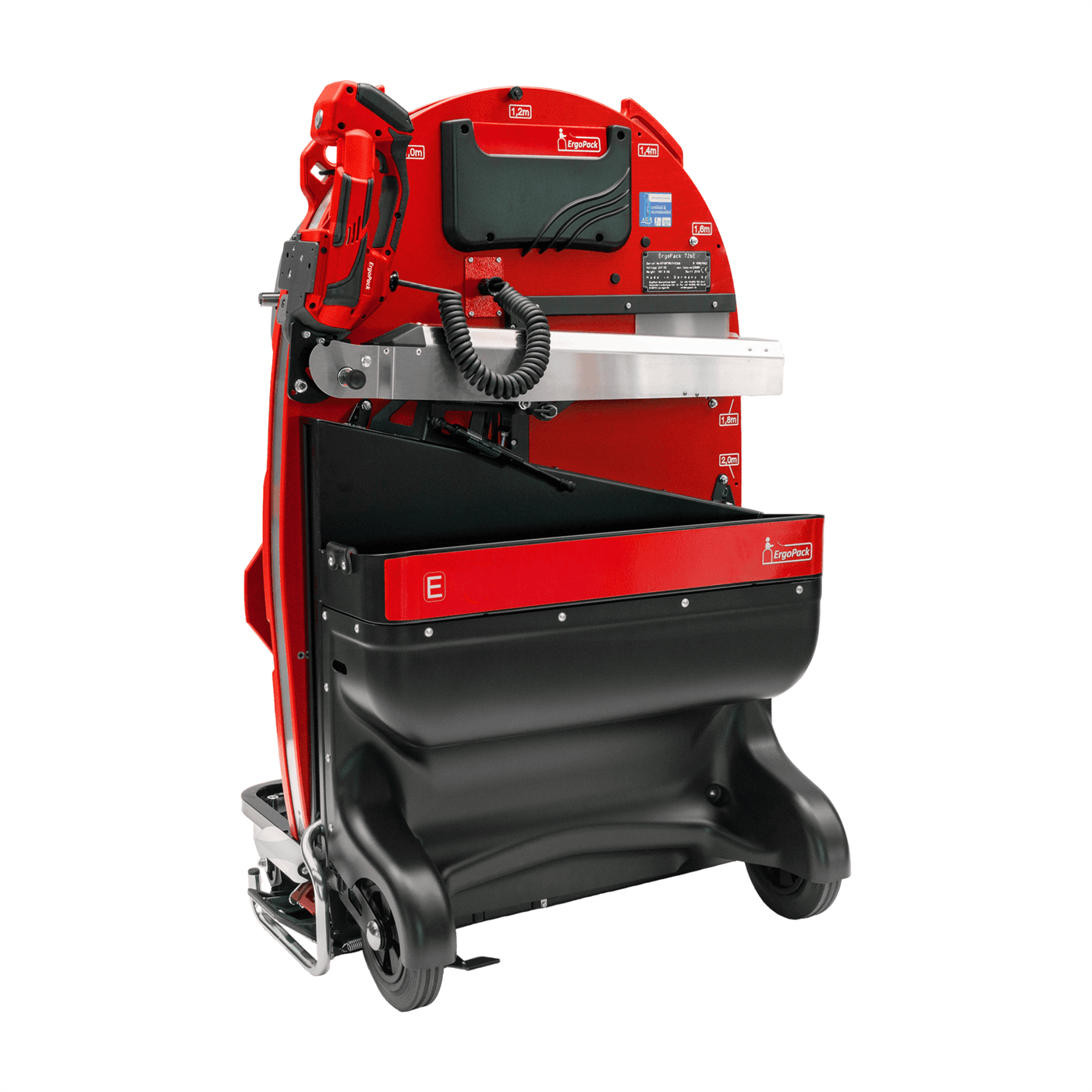
Pallet Strapping Machine for Small Business: Is It Worth It?
Small and mid-size Indian manufacturers and exporters often assume automation is only for big plants. For pallet securing, that’s usually wrong — here’s why a mobile machine fits a small business.
insights
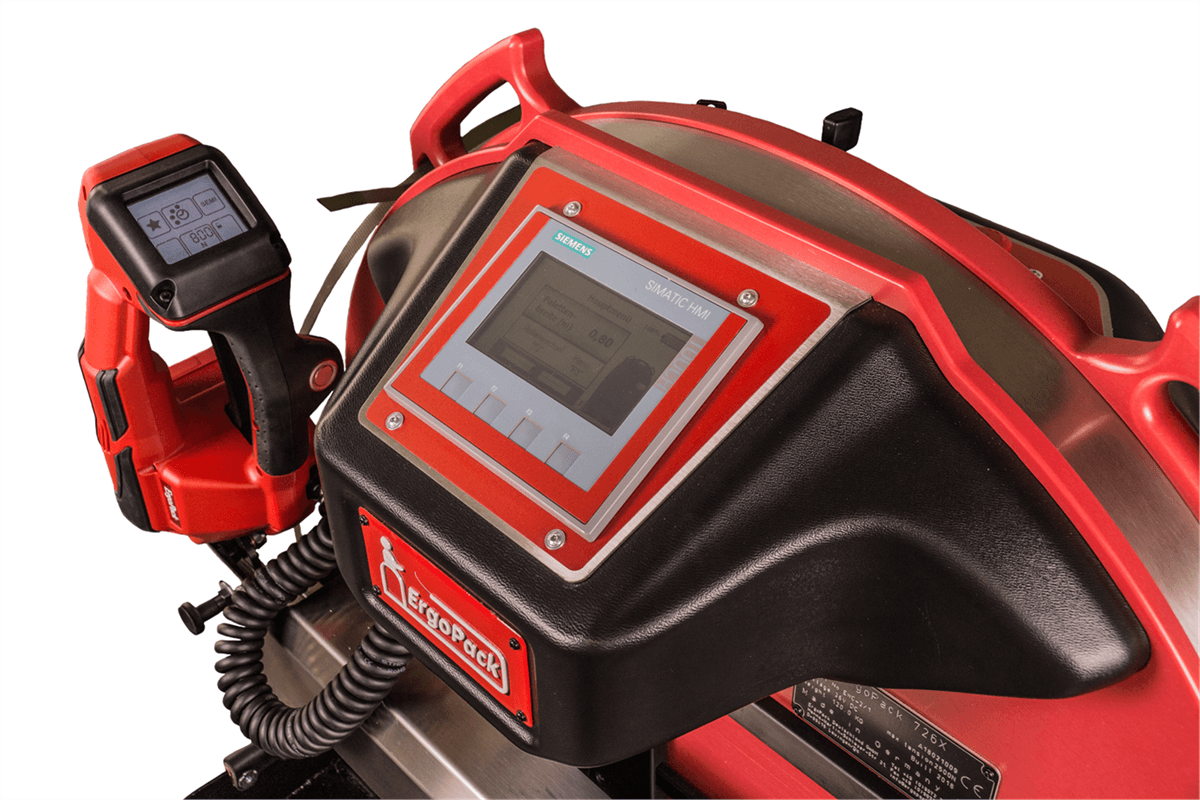
How Many Pallets a Day Justify a Strapping Machine?
There’s a simple volume threshold above which a mobile strapping machine pays for itself. Here’s how to work out yours — and why it’s lower than most people expect.