guides
Securing Paper Reels & Rolls for Transport: Eyes Vertical vs Horizontal
How to load and secure paper reels and rolls — eyes vertical vs eyes horizontal, banding rolls together, chocks and blocking, and protecting the edges of heavy paper rolls.
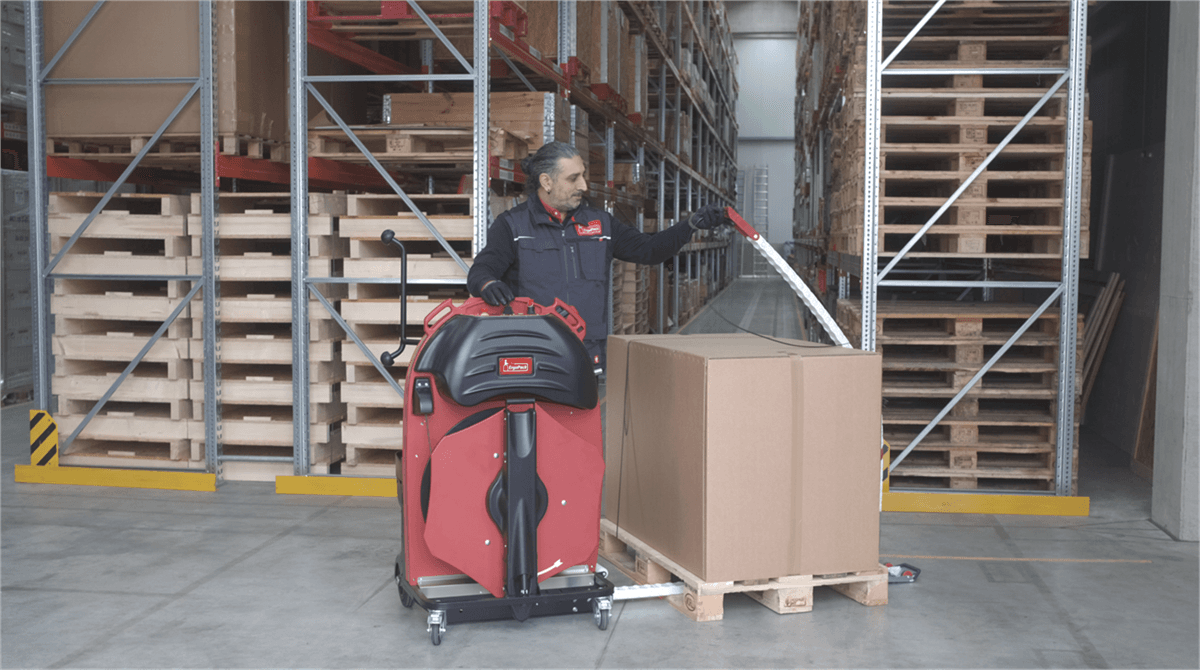
Paper reels are heavy, cylindrical and roll if you let them — and a loose reel on a truck is a serious hazard. Securing them is a defined discipline that depends, like steel coils, on how the roll is oriented. Here is how paper reels and rolls are loaded and secured.
Orientation: eyes vertical vs eyes horizontal
A reel's "eye" is its hollow core. How it sits changes the securing method:
- Eyes vertical — the reel stands up, core facing up. The risk is tipping, especially for tall, narrow reels. Whether a roll needs extra restraint depends on its width-to-diameter ratio; reels that can tip are banded to adjacent rolls, braced, or tied down.
- Eyes horizontal (lengthwise/crosswise) — the reel lies on its side. The risk is rolling, so the front and rear reels must be blocked with chocks or wedges held by more than friction so they cannot work loose in transit.
Block, chock and band
- Chocks and wedges stop horizontal reels rolling — and must be fixed in place, not just relying on friction.
- Blocking against the rear doors secures the rearmost reel.
- Banding reels together turns several rolls into one stable mass; in multi-layer loads, the rearmost upper reel is banded to the rolls below.
- Mind the spacing rules — large gaps between reel ends and the walls require specific securing.
Protect the paper
Paper rolls damage easily at the edges and from moisture:
- Edge/end protection so straps and handling do not crush or tear the roll edges.
- Moisture protection — protective paper under reels in damp conditions (but not together with anti-slip material), desiccants for sea export, and managed container condensation.
- Wrapping over the reel for dust and moisture.
Where consistent strapping helps
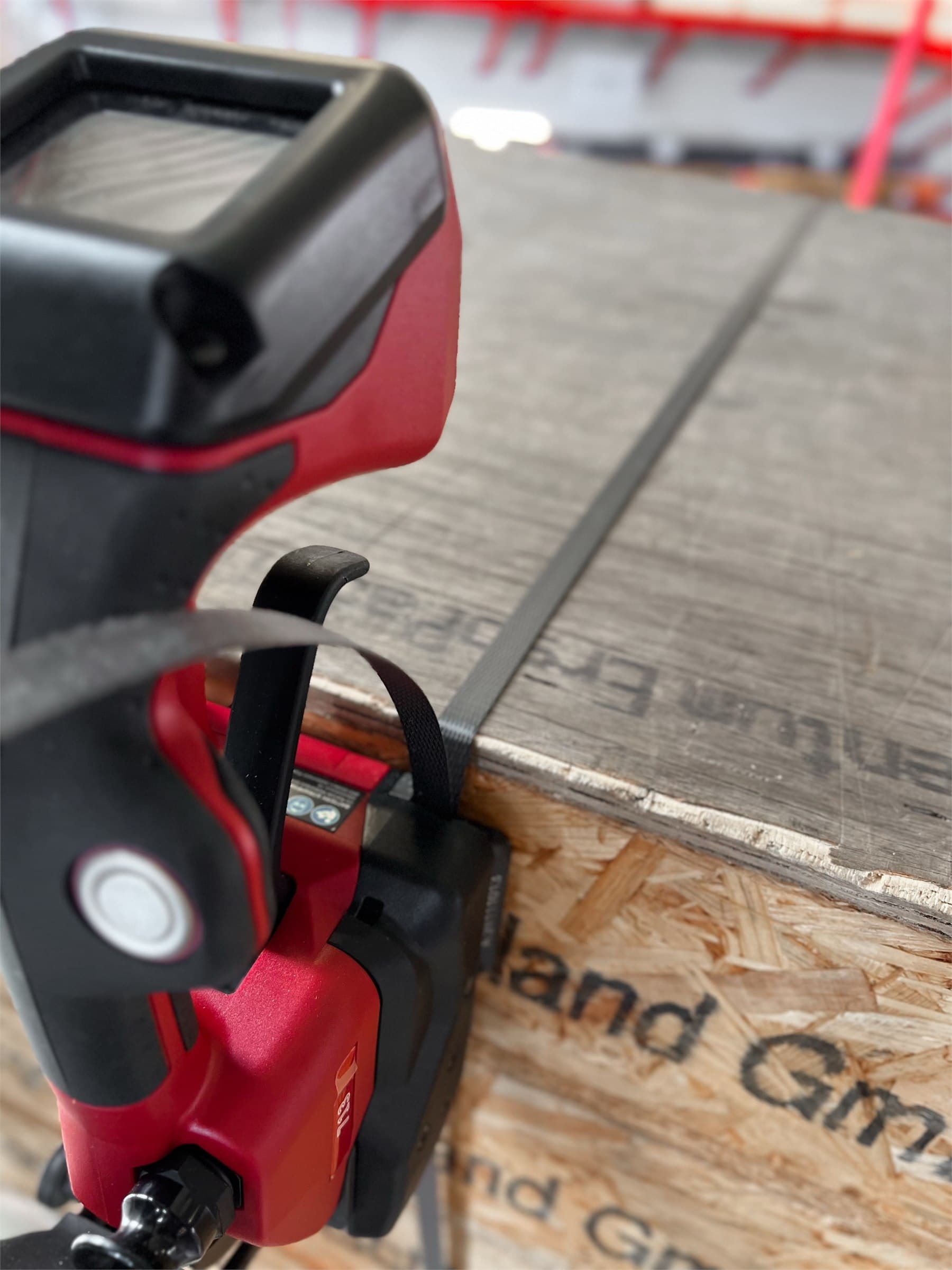
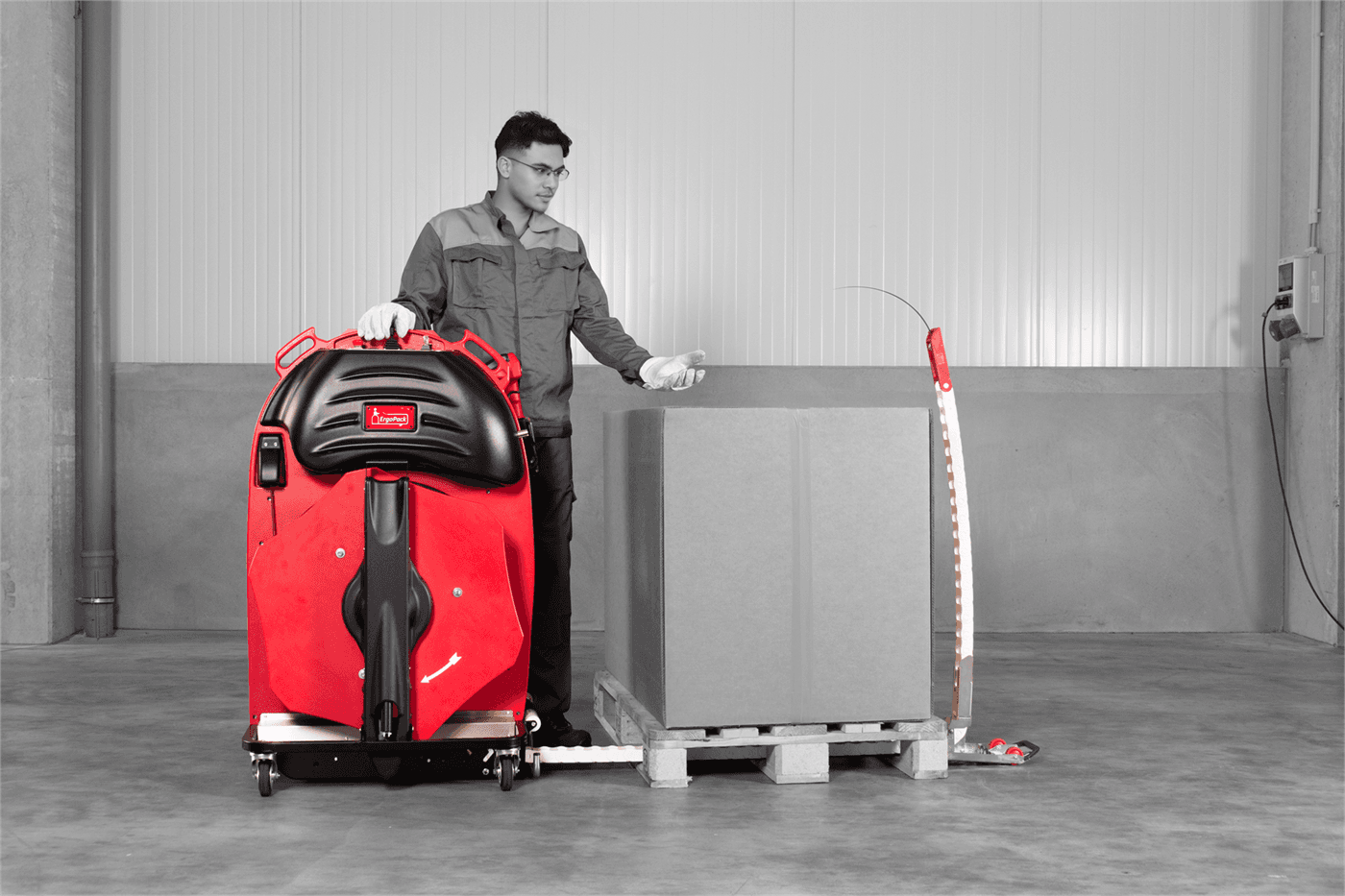
The circumferential and cross banding that holds reels together and stops telescoping needs tight, consistent tension — a loose band lets a reel shift or telescope. For mills and converters palletising or bundling rolls, a calibrated machine such as the ErgoPack 726X, GO or 700 applies repeatable tension and routes the strap automatically. PET strap holds tension and won't rust-mark the paper (PP vs PET vs steel).
Paper reel securing checklist
- Orientation decided (eyes vertical vs horizontal) and its risk addressed
- Horizontal reels chocked/wedged (fixed, not friction alone)
- Tipping-prone vertical reels banded/braced/tied down
- Reels banded together into a stable mass
- Edge/end protection on the roll edges
- Moisture managed; wrap for dust
- Consistent tension on circumferential/cross bands
Load and secure paper reels to this standard — oriented, chocked, banded and edge-protected — and a heavy, roll-prone load stays exactly where it was loaded.
Talk to a pallet strapping engineer
BENZ Packaging and ErgoPack India engineers support installations and service anywhere in India. Tell us your pallet setup and we’ll recommend the right machine — and send pricing.
Related Reading
Continue with the next guide
guides
PP vs PET Strapping: Which Should You Use, and When?
PP and PET strap suit very different loads. A clear guide to when polypropylene is enough and when polyester is essential — by load weight, settling, and export exposure.

guides
Strapping Machine AMC, Spares and Uptime: What to Check Before You Buy
A strapping machine is only as good as its uptime. What to check on service, spare parts and AMC before you buy — so the machine that saves you ₹25 lakh a year actually keeps running.
guides
Pallet Strapping Machine Buying Checklist: 10 Questions Before You Decide
Before you buy a pallet strapping machine, run through these ten questions. They cover loads, volume, power, tension, service and ROI — so you choose the right machine, not just the cheapest.