insights
How to Justify Automation CapEx to Management: Building the Business Case
A practical framework to build the internal business case for a packaging-automation purchase — payback, total cost of ownership, risk reduction and the numbers management actually wants to see.
You know the dispatch floor needs automation. Now you have to convince the people who sign the cheque. A capital purchase is approved on a business case, not a gut feeling — and a good one is straightforward to build if you frame it the way management evaluates it. Here is the framework, and the numbers to put in it.
What management actually evaluates
A CapEx approval comes down to a few questions:
- What does it cost (one-time + ongoing)?
- What does it save or earn (annual)?
- How fast does it pay back (months)?
- What is the return over its life (and the risk if we don't)?
Build your case around those, with real figures, and the decision gets easy.
Step 1 — State the problem in money
Don't open with the machine. Open with the cost of the status quo:
- "Manual strapping ties up a two-person crew at ~120 seconds per pallet."
- "At our volume that is roughly ₹X lakh/year in labour, rising with every wage increase."
- "Plus Y rejected loads/year and a dispatch bottleneck that caps throughput."
Quantify the bleed first. Management funds solutions to expensive problems, not features.
Step 2 — Show the payback period
Payback is the number that gets approvals. Payback (months) = machine price ÷ (annual net saving ÷ 12).
Using our ROI calculator defaults, automating strapping saves ~₹25 lakh/year (labour + consumables), recovering a mobile machine in 6–18 months. A sub-18-month payback on capital equipment is, in most boardrooms, an easy yes.
Step 3 — Show total cost of ownership and lifetime return
- One-time: machine price (GST recoverable as input tax credit for a registered business — so the effective cost is the ex-GST price).
- Ongoing: modest annual maintenance.
- Against: ~₹25 lakh/year saved, recurring for the machine's ~10-year life — crores in net benefit.
Present it as a multi-year cumulative-savings figure; the crore-scale lifetime number is what makes the one-time cost look small.
Step 4 — Add the risk-reduction argument
Numbers win approvals; risk reduction wins the doubters:
- Rising labour cost and shortage — automating now hedges against future wage hikes and staffing risk (rising labour costs).
- Transit damage — consistent securing reduces rejected loads and claims (reduce transit damage).
- Throughput — removes the dispatch bottleneck capping the whole floor (increase throughput).
Step 5 — De-risk the decision itself
Make approval feel safe:
- Run the ROI calculator with your real numbers and attach it to the proposal — ROI calculator.
- Request a free on-site demo so management sees the machine work on your heaviest pallet before committing — request a demo.
- Recommend the right-sized machine (not over-spec) so the CapEx matches the need — see types of pallet strapping machines.
The one-page business case (template)
- Problem: manual strapping costs ~₹X lakh/year and caps dispatch.
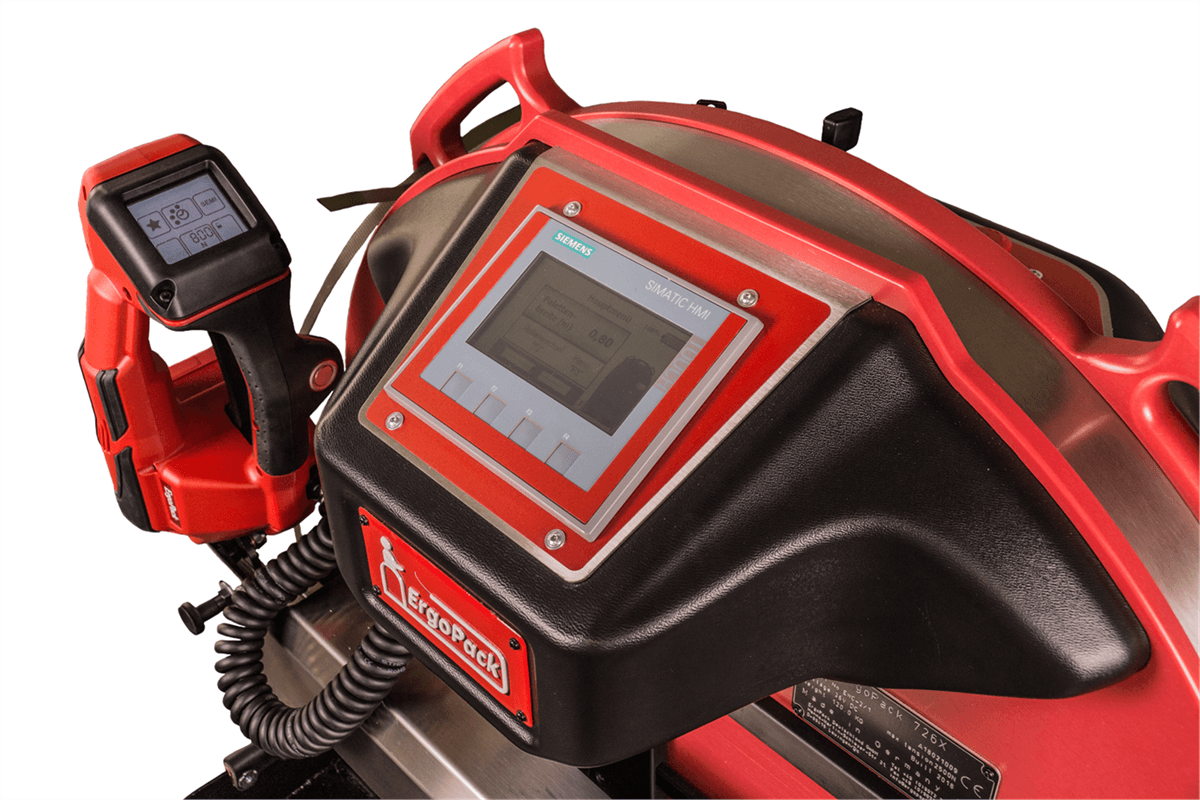
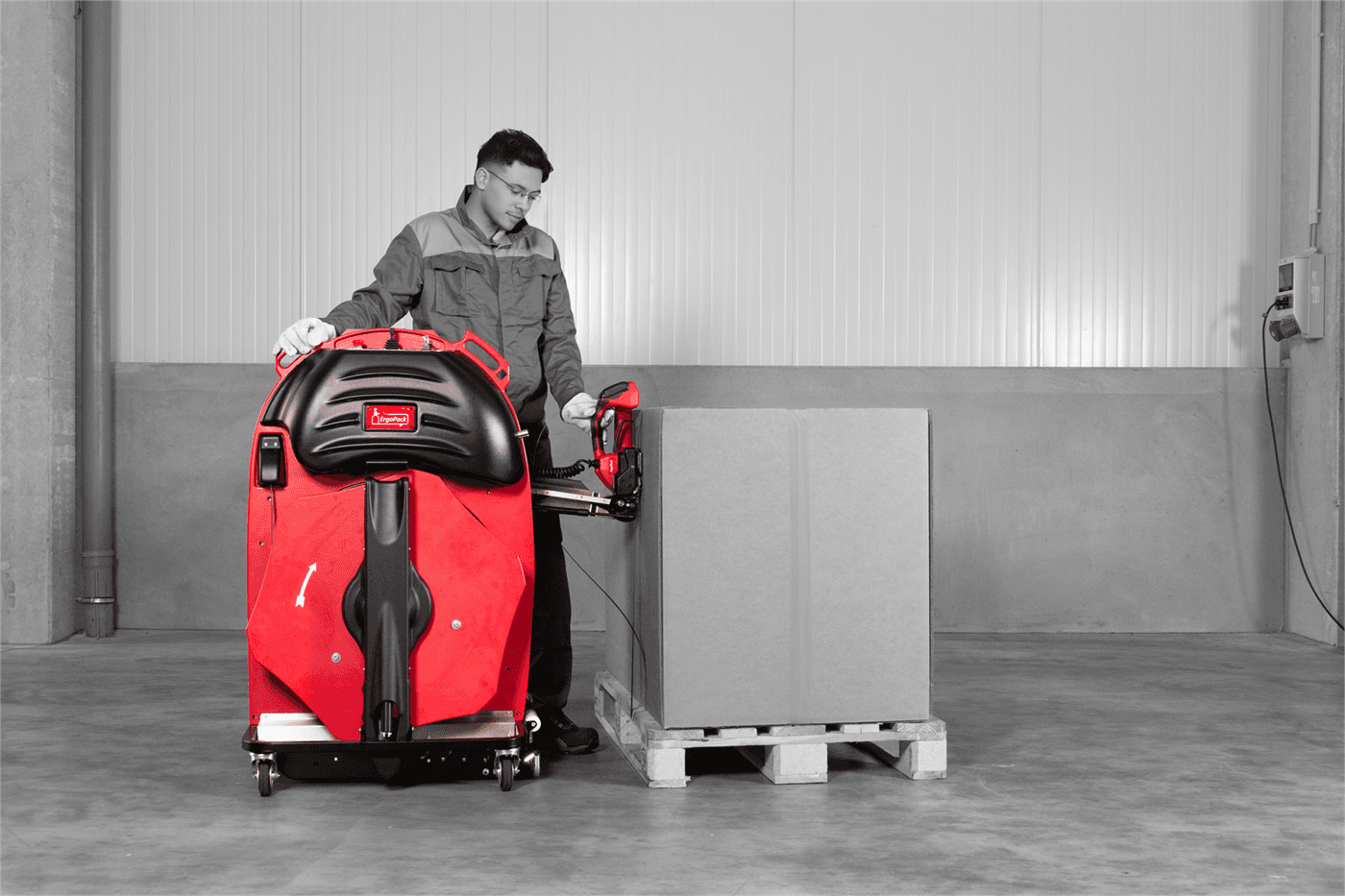
- Solution: mobile ErgoPack — one operator, under 40s/pallet.
- Saving: ~₹25 lakh/year (labour + consumables) + lower damage + more throughput.
- Payback: 6–18 months. Lifetime net benefit: crores.
- Risk reduced: wage inflation, labour shortage, transit rejections, throughput cap.
- Proof: ROI model attached; on-site demo on our pallets before purchase.
Frame the proposal this way — problem in money, fast payback, crore-scale lifetime return, risk reduced, proof attached — and you give management the easy, defensible "yes" they're looking for.
Talk to a pallet strapping engineer
BENZ Packaging and ErgoPack India engineers support installations and service anywhere in India. Tell us your pallet setup and we’ll recommend the right machine — and send pricing.
Related Reading
Continue with the next guide
insights
Improving OEE: Why the Dispatch Dock Is the Forgotten Factor
OEE programmes obsess over the production line and ignore the dispatch dock — yet a manual securing bottleneck there caps the throughput your OEE is meant to protect. Here’s the link.
insights
Pallet Strapping Machine for Small Business: Is It Worth It?
Small and mid-size Indian manufacturers and exporters often assume automation is only for big plants. For pallet securing, that’s usually wrong — here’s why a mobile machine fits a small business.
insights
How Many Pallets a Day Justify a Strapping Machine?
There’s a simple volume threshold above which a mobile strapping machine pays for itself. Here’s how to work out yours — and why it’s lower than most people expect.