guides
FMCG & Beverage Palletising: How to Build Stable Pallets at High Speed
FMCG and beverage operations move enormous pallet volumes of light, compressible, high-turnover goods. A guide to building stable pallets fast — stacking patterns, securing, and keeping the line moving.
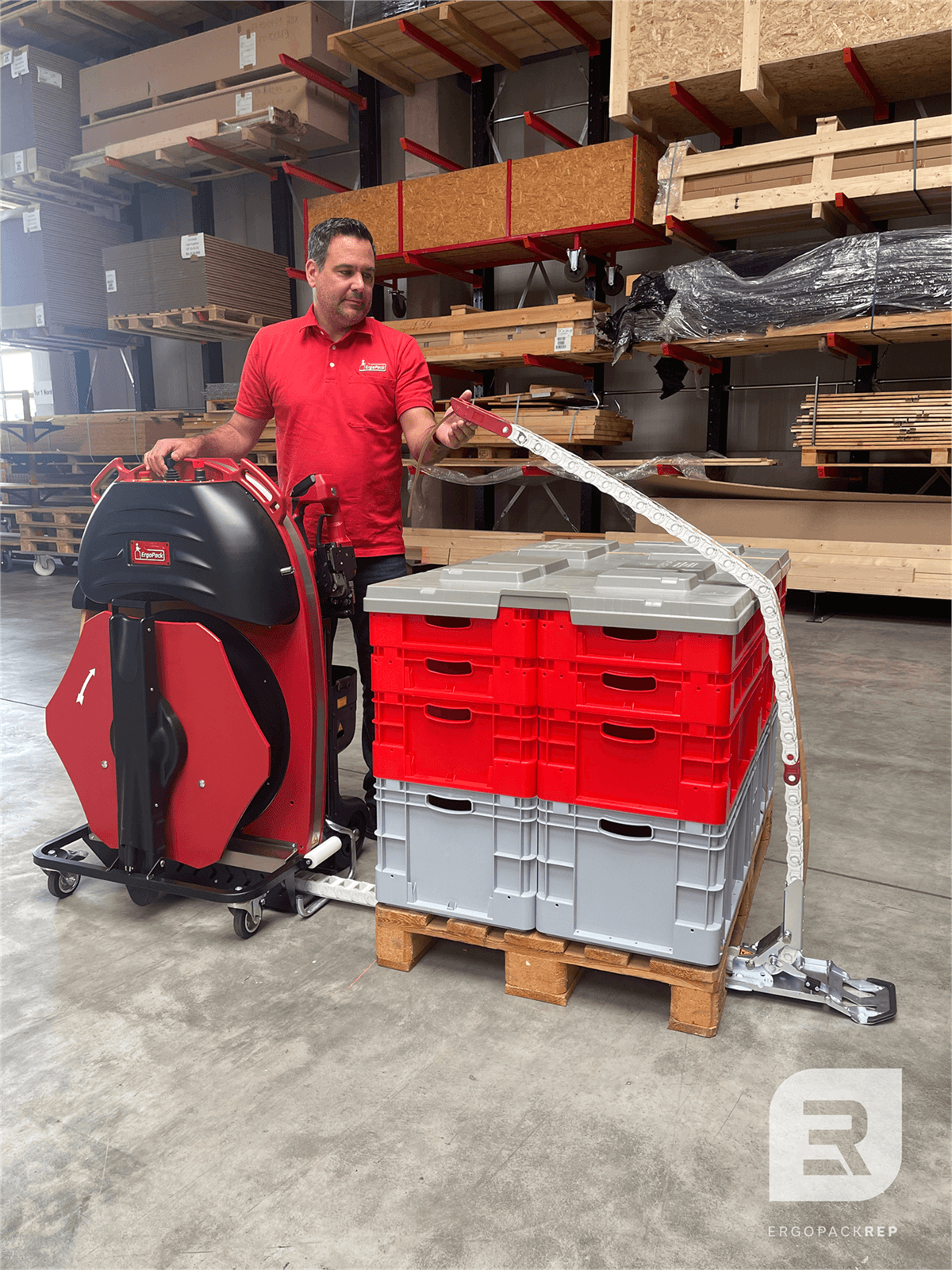
FMCG and beverage manufacturing runs on volume and speed: thousands of cases a shift, tight retail delivery windows, and products that are light, often compressible, and unforgiving of damage because margins are thin. Palletising well here is about stability and throughput. Here is how it is done.
What makes FMCG palletising different
- Massive volume — pallets are built continuously, all shift, so any per-pallet delay multiplies hugely.
- Light and compressible — cartons of consumer goods and shrink-wrapped beverage trays crush easily and settle in transit.
- High SKU variety — different pack sizes and configurations on the same line.
- Retail standards — supermarkets and distributors reject damaged or unstable pallets outright.
Build a stable stack
Stability starts with the stacking pattern:
- Column stack where strength matters — boxes corner-to-corner carry the most top-to-bottom load.
- Interlock (brick) stack where you need the layers to bind together for stability — common for lighter FMCG, at some cost to compression strength.
- Keep the load square, no overhang, weight even, heaviest layers low.
- Beverage trays and cans benefit from layer pads between tiers to spread load and stop crushing.
Secure without crushing
Light, compressible FMCG loads are the classic over-tension trap — too tight and the strap crushes the cartons; too loose and the pallet slumps:
- Set a lower, exact tension and apply it identically to every pallet — a calibrated machine like the ErgoPack 726X dials down to a gentle, repeatable force.
- Use edge protectors so the strap force spreads, not concentrates (edge protectors).
- Use PET strap so the pallet stays tight as the load settles.
This is the same compressible-load discipline covered in corrugated & compressible load strapping.
Keep the line moving
In FMCG, the palletising and securing step cannot become the bottleneck behind a fast production line. Manual strapping at ~120 seconds a pallet simply cannot keep up with high-throughput beverage and FMCG output, so finished pallets queue and the line backs up.
Automating the securing step keeps pace:
- One operator secures a pallet in under 40 seconds.
- The same mobile machine handles the SKU variety without reconfiguration (pallet widths 40–270 cm).
- It runs at the dock or end-of-line with no conveyors or rebuilds — the ErgoPack GO and 700 for facilities using their own tools, the 726X for full integration.
The throughput case is in improve warehouse dispatch productivity and the financials in the ROI calculator.
FMCG palletising checklist
- Stacking pattern chosen for stability (column vs interlock)
- Square load, no overhang, heaviest low, layer pads where needed
- Lower, exact tension — never crushing the cartons
- Same tension on every pallet (calibrated, not by hand)
- Edge protectors + PET strap for compressible settling loads
- Securing automated so it keeps pace with the production line
Build stable pallets that pass retail standards, secure them without crushing, and keep the securing step fast enough that it never throttles a high-speed FMCG line.
Talk to a pallet strapping engineer
BENZ Packaging and ErgoPack India engineers support installations and service anywhere in India. Tell us your pallet setup and we’ll recommend the right machine — and send pricing.
Related Reading
Continue with the next guide
guides
PP vs PET Strapping: Which Should You Use, and When?
PP and PET strap suit very different loads. A clear guide to when polypropylene is enough and when polyester is essential — by load weight, settling, and export exposure.
guides
Strapping Machine AMC, Spares and Uptime: What to Check Before You Buy
A strapping machine is only as good as its uptime. What to check on service, spare parts and AMC before you buy — so the machine that saves you ₹25 lakh a year actually keeps running.
guides
Pallet Strapping Machine Buying Checklist: 10 Questions Before You Decide
Before you buy a pallet strapping machine, run through these ten questions. They cover loads, volume, power, tension, service and ROI — so you choose the right machine, not just the cheapest.