guides
Securing Drums & IBCs for Transport: Palletising and Strapping Chemical Loads
How to palletise and secure drums and IBCs for safe chemical transport — drum patterns, strapping to the pallet, and the stability that prevents leaks and dangerous-goods incidents.
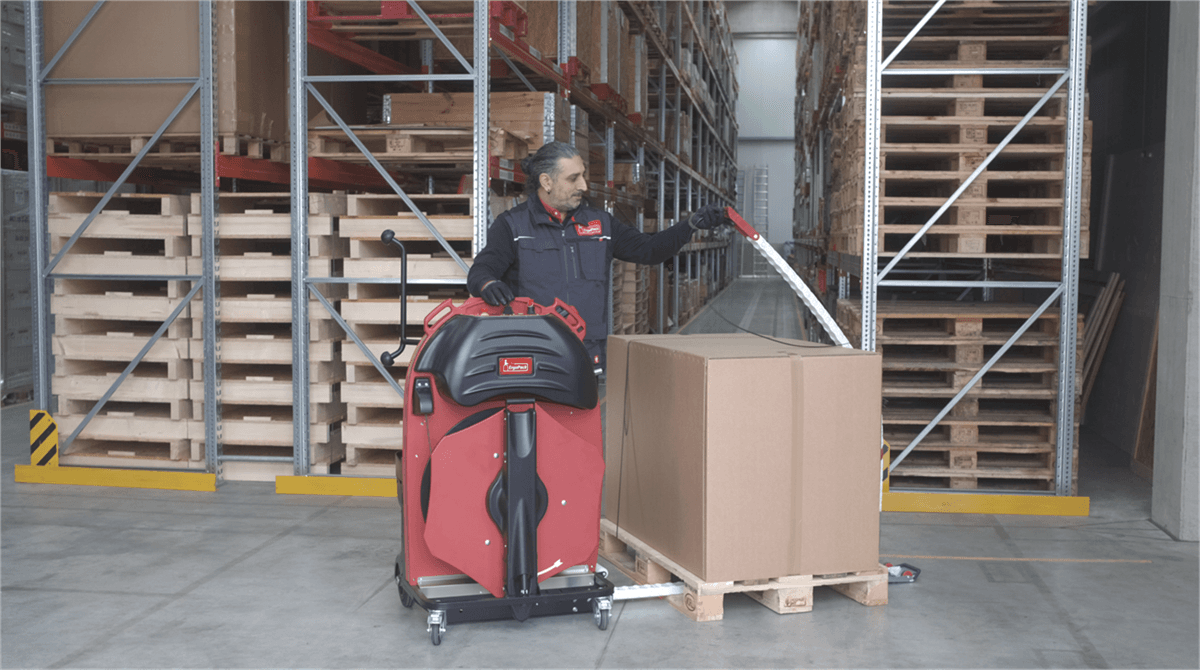
Drums and IBCs (intermediate bulk containers) carry liquids and chemicals where a shifted, toppled or punctured container is not just a loss — it can be a leak, a contamination event, or a dangerous-goods incident. Securing them is a safety-critical task with specific methods. Here is how it is done.
Why drums and IBCs need careful securing
- Heavy and liquid-filled — the contents shift inside, adding dynamic load and a tendency to tip.
- Round (drums) — they roll if not contained.
- High consequence — a breach can mean a spill, environmental harm, and regulatory exposure under dangerous-goods rules.
- Stacking limits — IBCs and drums have defined safe stacking heights.
Palletising drums
- Use a pallet rated for the heavy liquid load (a single 200-litre drum is ~200+ kg).
- Arrange drums in a stable pattern (commonly four per standard pallet) so they support each other and do not roll.
- Keep within safe stack heights.
Palletising IBCs
- IBCs are usually built on an integrated pallet base; place them squarely and within stacking limits.
- Ensure the cage and base are sound — a damaged IBC is a leak risk.
Securing to the pallet
Drums and IBCs must be anchored to the pallet so they cannot shift or topple:
- Strap the drums/IBC down to the pallet base so the load is one stable unit — vertical strapping that ties the containers to the deck.
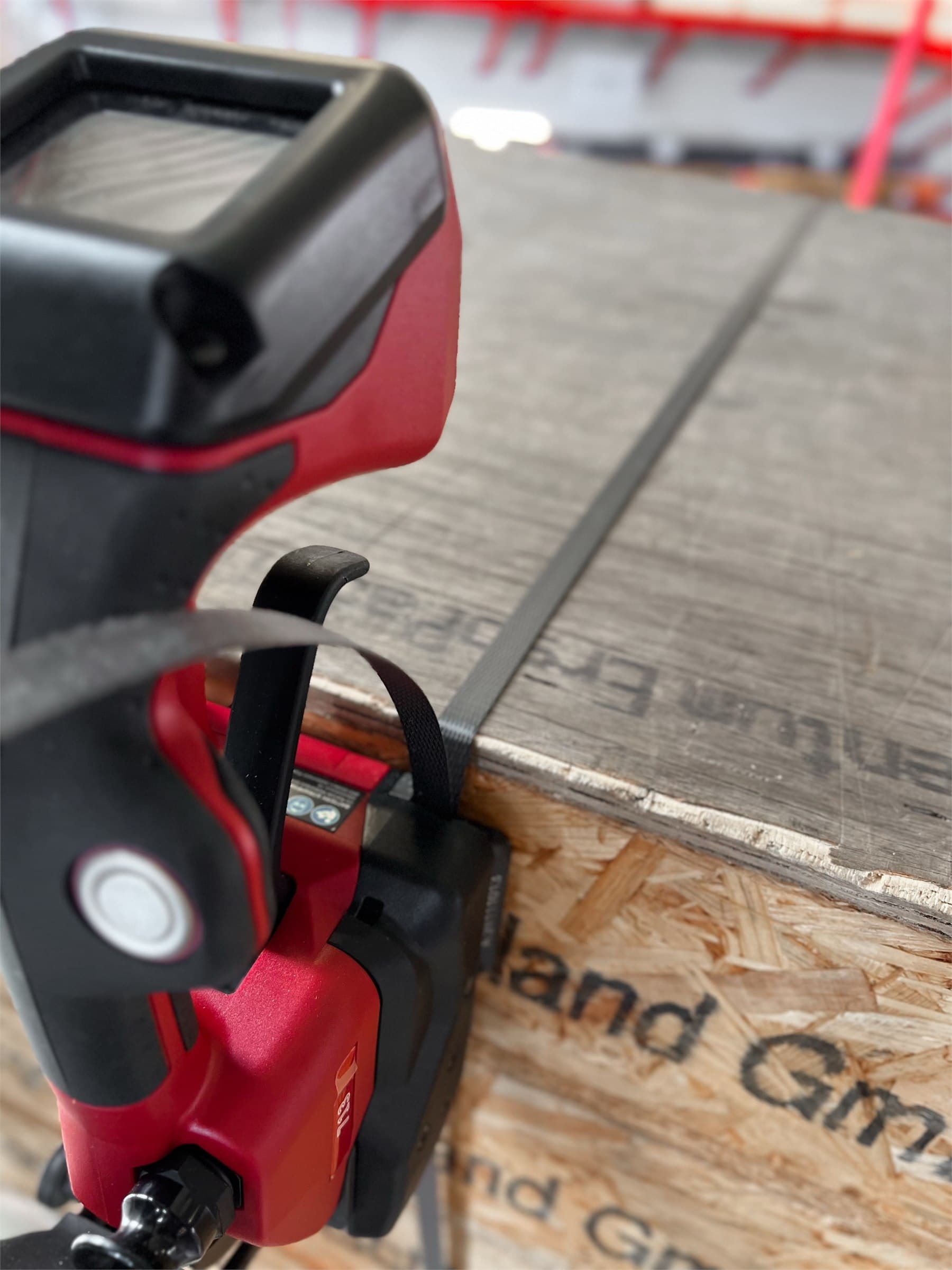
- Apply consistent, controlled tension — firm enough to immobilise heavy liquid-filled containers, without deforming drum walls. A calibrated machine such as the ErgoPack 726X applies a set, repeatable tension and routes the strap under the pallet automatically; the GO and 700 automate the routing.
- Use edge/top protection where straps cross drum rims.
Dangerous goods and documentation
- Follow dangerous-goods (IMDG / ADR / national) packing and securing rules where the contents require it.
- Label and placard correctly; keep the documentation with the load.
- For sea export, manage moisture and use compliant wood (ISPM-15).
Drum / IBC securing checklist
- Pallet rated for the heavy liquid load
- Drums in a stable, non-rolling pattern; IBC base sound
- Within safe stacking heights
- Containers strapped down to the pallet at consistent tension
- Top/edge protection where straps cross rims
- Dangerous-goods rules, labels and placards as required
- Documentation with the load; ISPM-15 wood for export
Palletise and strap drums and IBCs to this standard and a heavy, liquid, high-consequence load travels as one stable unit — no rolling, no toppling, no leak.
Talk to a pallet strapping engineer
BENZ Packaging and ErgoPack India engineers support installations and service anywhere in India. Tell us your pallet setup and we’ll recommend the right machine — and send pricing.
Related Reading
Continue with the next guide
guides
PP vs PET Strapping: Which Should You Use, and When?
PP and PET strap suit very different loads. A clear guide to when polypropylene is enough and when polyester is essential — by load weight, settling, and export exposure.

guides
Strapping Machine AMC, Spares and Uptime: What to Check Before You Buy
A strapping machine is only as good as its uptime. What to check on service, spare parts and AMC before you buy — so the machine that saves you ₹25 lakh a year actually keeps running.
guides
Pallet Strapping Machine Buying Checklist: 10 Questions Before You Decide
Before you buy a pallet strapping machine, run through these ten questions. They cover loads, volume, power, tension, service and ROI — so you choose the right machine, not just the cheapest.