guides
Cotton & Textile Bale Packaging: Compression, Strapping and Export Standards
How cotton and textile bales are compressed, strapped and packaged for export — density standards, strap material, why the strap is under constant outward force, and bale-weight limits.
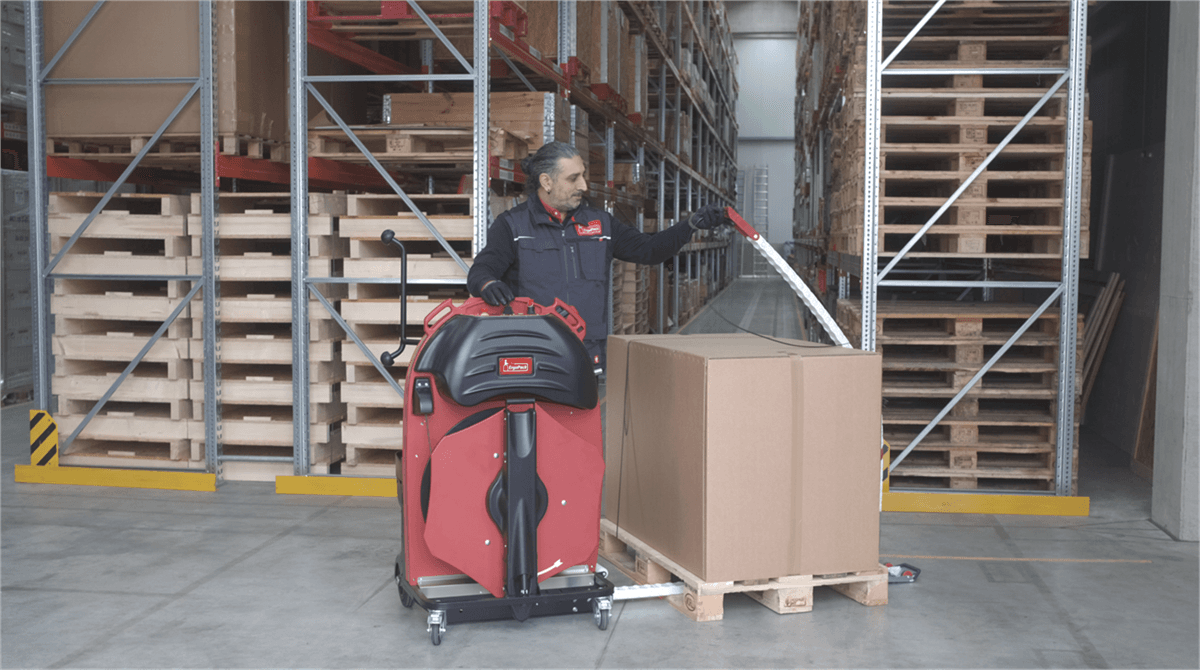
A cotton bale is unlike any other load: it is a tightly compressed mass that is constantly trying to expand. The strapping is not just holding a stack together — it is containing a spring under load for the entire journey. India is a major cotton and textile exporter, so getting bale packaging right is a real commercial issue. Here is how it works.
What a bale actually is
A bale is loose material — cotton, yarn waste, fibre, fabric — compressed under high pressure into a dense block and then held in that compressed state by ties or straps. The defining feature: the contents push outward against the straps continuously. If the strapping fails, the bale bursts open. That makes the strap the single most critical packaging element.
Bale density and weight
- Cotton bales typically weigh around 227 kg (≈500 lb) each.
- They are compressed to defined density classes — e.g. standard density vs universal density (≈28+ lb/ft³ at the gin) — measured as net weight ÷ volume.
- Higher density packs more cotton per container and per truck, improving freight economics — but increases the outward force the strap must hold.
Strapping materials for bales
Because the strap contains a compressed spring, material and strength matter:
- High-tensile steel strapping and wire ties are traditional for the highest-force bales.
- Polypropylene strapping and jute ties are also used per the packaging specifications, especially for lighter bales.
- PET strapping is increasingly used where its tension recovery and rust resistance help — it keeps holding as the bale relaxes slightly, and won't rust-stain fibre. (See PP vs PET vs steel strapping.)
The key is enough straps, correctly spaced, at consistent high tension — a weak or uneven strap is where a bale fails.
Why consistent tension is critical for bales
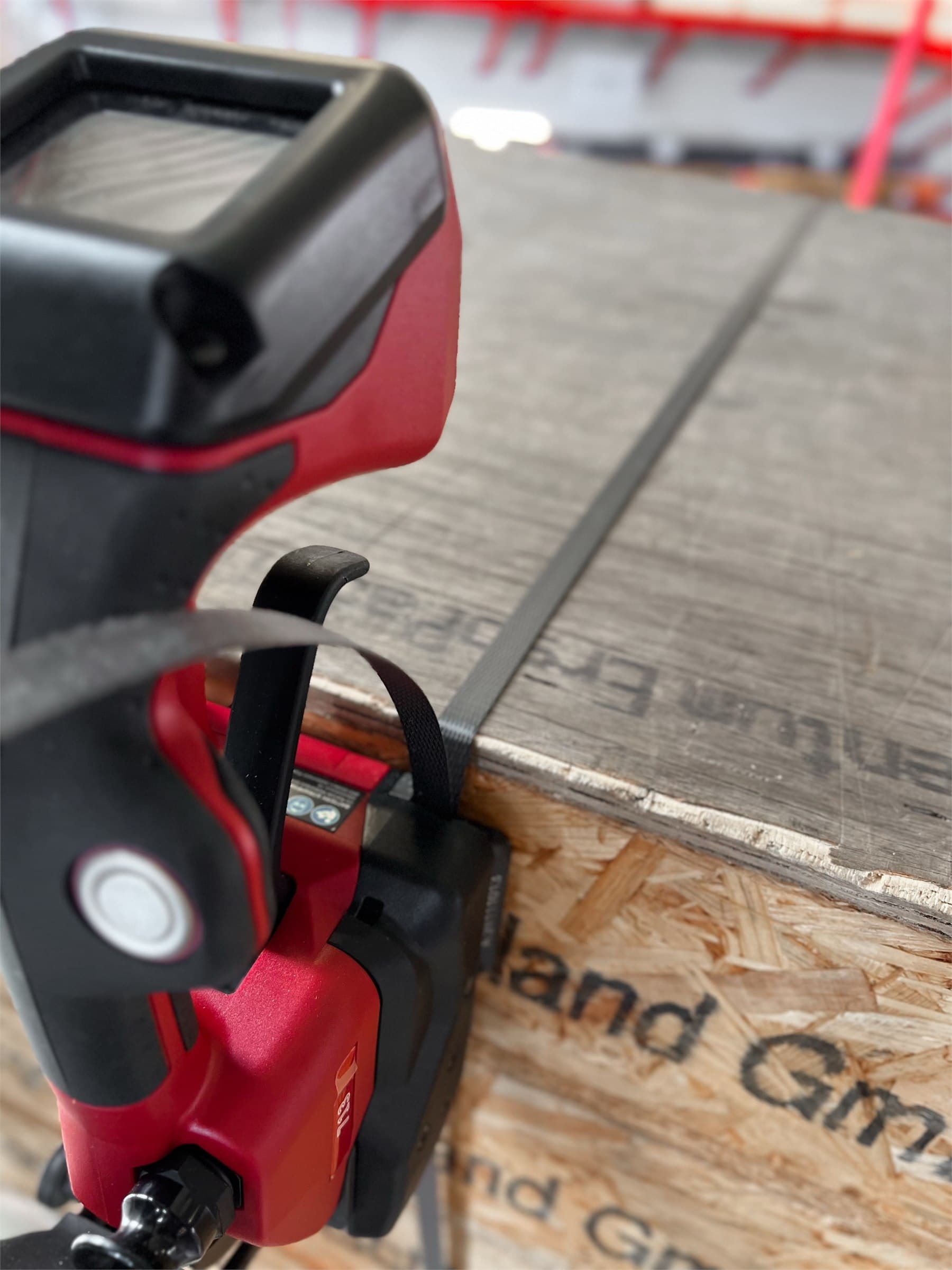
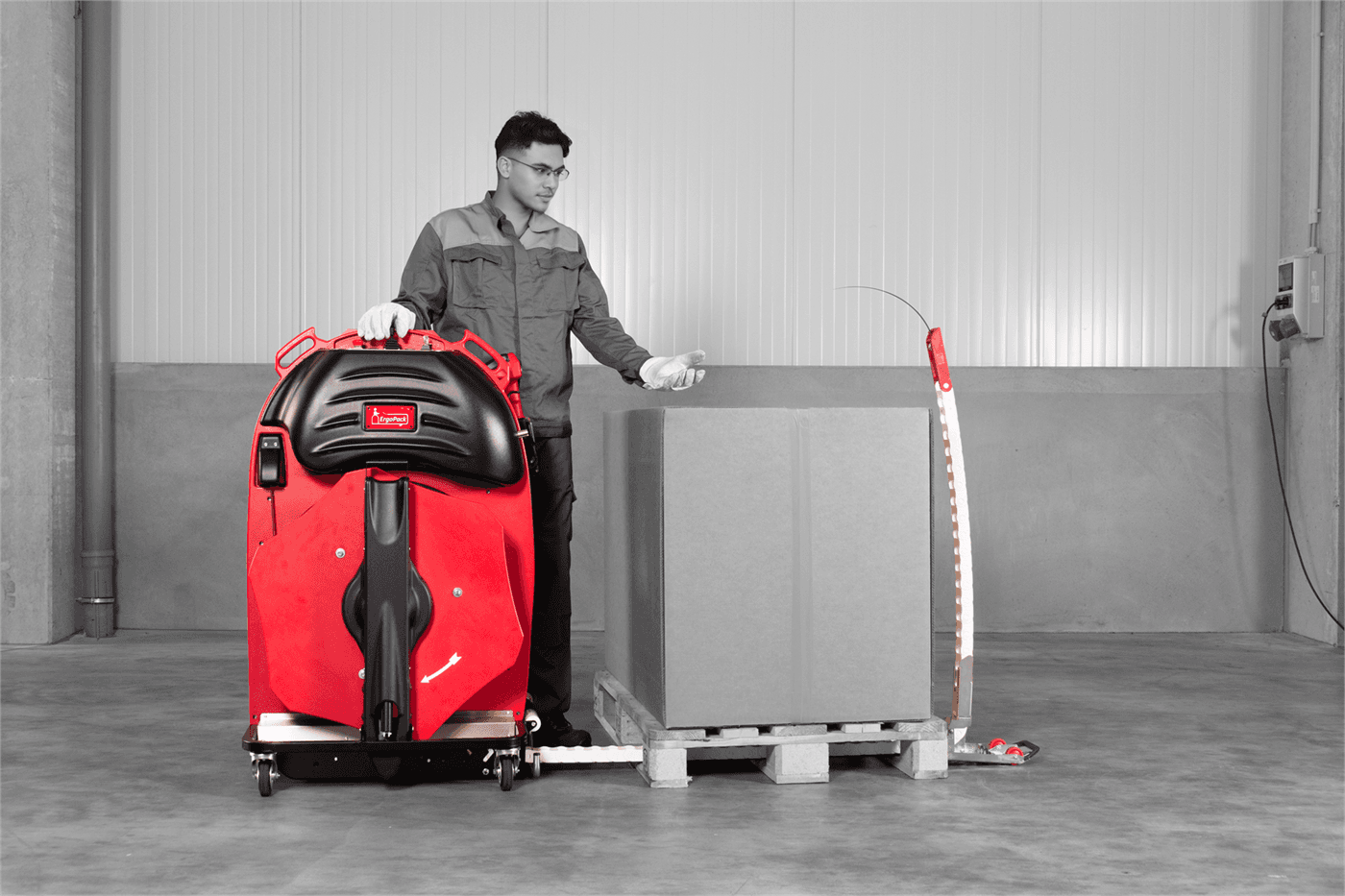
With a load that pushes back, every strap must take its share evenly. An under-tensioned strap lets the bale bulge there and shifts the load onto the others until one fails. Consistent, repeatable tension across all the straps is what keeps a bale contained — a job calibrated machines such as the ErgoPack 726X, GO and 700 do reliably, applying the same tension to every strap and routing it under the bale automatically.
Export and transport considerations
- Bale weight must respect destination road limits — plan bale weight so the loaded truck stays within gross vehicle weight rules at the destination.
- Wrap or bag the bale to protect the fibre from dirt and moisture; manage container condensation on the sea leg.
- Mark and document per the buyer's and destination's requirements.
Bale packaging checklist
- Compressed to the required density class
- Bale weight ≈227 kg / within destination road limits
- Correct strap material (steel/wire/PP/PET) for the force
- Enough straps, evenly spaced, at consistent high tension
- Every strap sharing the load evenly (no weak/loose strap)
- Bale wrapped/bagged for fibre protection; moisture managed
- Marked and documented per requirements
Compress, strap and package bales to this standard — with even, consistent tension on every strap — and a load that is permanently trying to burst open stays contained from the gin to the destination.
Talk to a pallet strapping engineer
BENZ Packaging and ErgoPack India engineers support installations and service anywhere in India. Tell us your pallet setup and we’ll recommend the right machine — and send pricing.
Related Reading
Continue with the next guide
guides
PP vs PET Strapping: Which Should You Use, and When?
PP and PET strap suit very different loads. A clear guide to when polypropylene is enough and when polyester is essential — by load weight, settling, and export exposure.

guides
Strapping Machine AMC, Spares and Uptime: What to Check Before You Buy
A strapping machine is only as good as its uptime. What to check on service, spare parts and AMC before you buy — so the machine that saves you ₹25 lakh a year actually keeps running.
guides
Pallet Strapping Machine Buying Checklist: 10 Questions Before You Decide
Before you buy a pallet strapping machine, run through these ten questions. They cover loads, volume, power, tension, service and ROI — so you choose the right machine, not just the cheapest.