guides
Strapping Bricks, Blocks & AAC: How to Bundle Heavy Construction Materials
How to bundle and strap bricks, concrete blocks and AAC blocks for safe handling and transport — palletising, strap material and tension for heavy, rigid, abrasive construction loads.
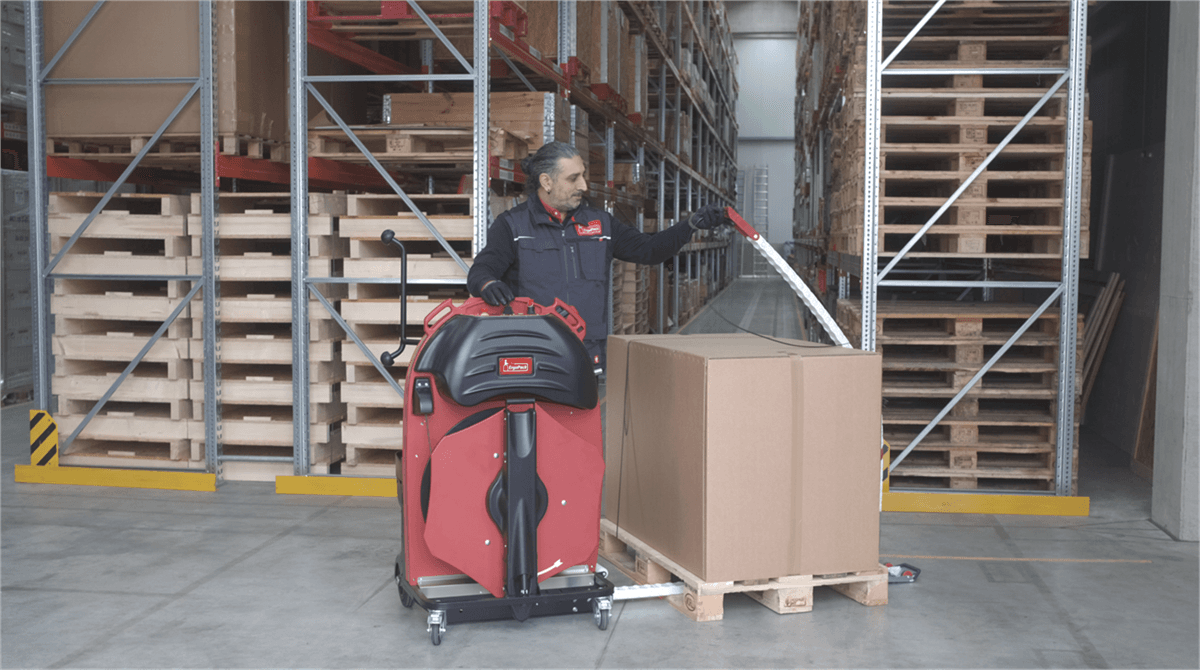
Bricks, concrete blocks and AAC (autoclaved aerated concrete) blocks are among the heaviest, most abrasive loads a strapping machine handles. They are shipped in large bundles that must survive forklift handling, road transport and stacking on site — and a bundle that breaks open is a safety hazard and a loss. Here is how construction materials are bundled and strapped.
What makes construction materials demanding
- Very heavy and dense — high pallet weights, demanding maximum tension and strap strength.
- Rigid and non-compressible — no give, so the strap takes the full force of any shock.
- Abrasive edges — rough brick and block edges cut into strap and slip.
- Rough handling — forklifts, site drops, outdoor stacking.
Palletise the bundle
- Use a strong pallet rated for the heavy load (blocks routinely run well over a tonne per pallet).
- Stack square and even; bond the courses so the bundle holds together.
- Keep within the pallet's and the strap's rated capacity.
Strap material and tension
This is a high-tension job:
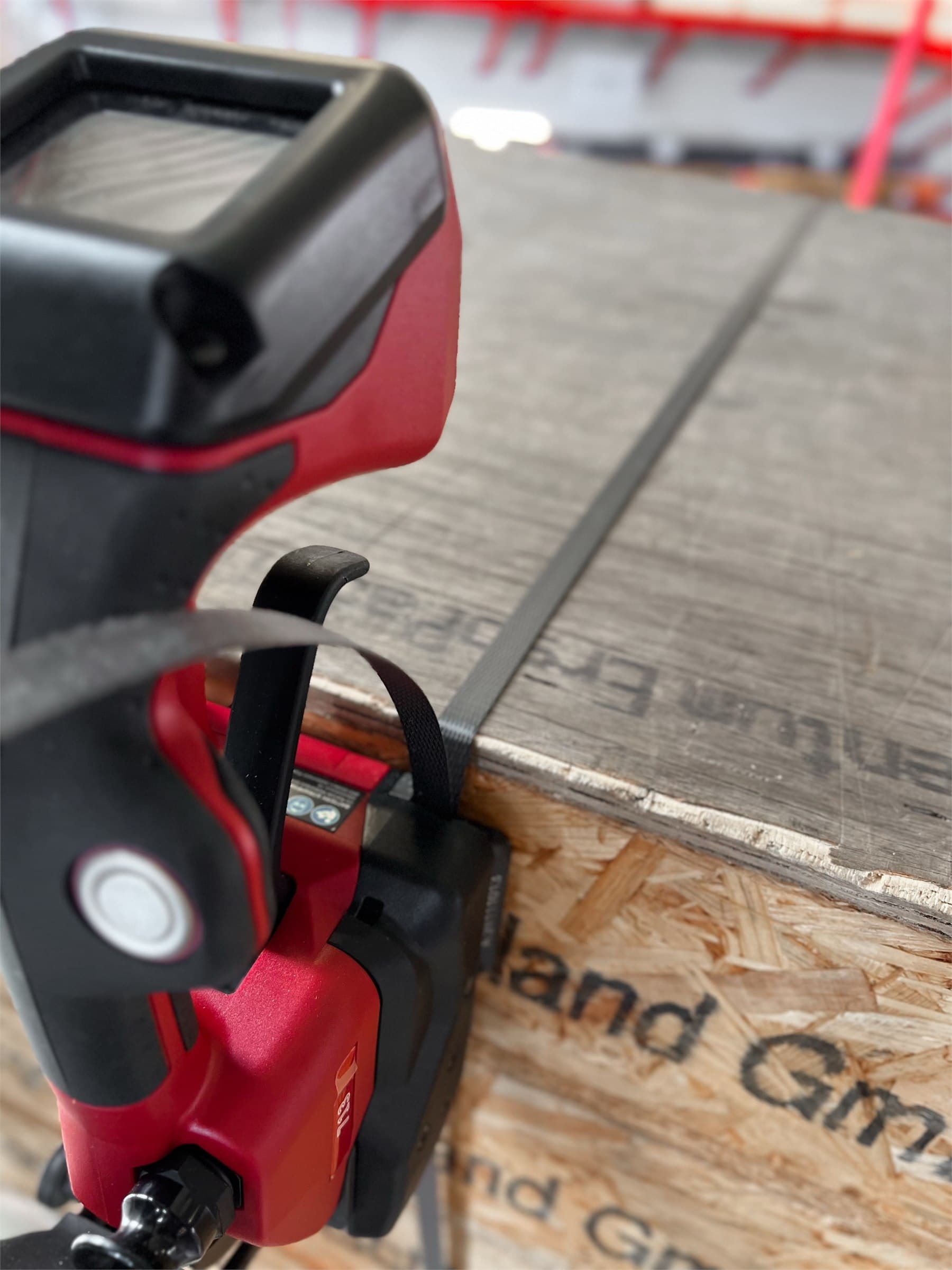
- Strap material: historically steel for the heaviest brick/block, but high-strength PET now handles most construction bundles — it absorbs the shock of handling where rigid steel snaps, and resists rust outdoors. For sharp or extreme loads, steel still has a place. (See PP vs PET vs steel strapping.)
- High, consistent tension — heavy rigid loads need maximum, repeatable tension to stay bundled; a loose strap on a block bundle means a load that spreads and collapses. A calibrated machine such as the ErgoPack 726X applies up to 2,500N repeatably; see best machine for heavy loads.
- Multiple straps across the bundle, perpendicular to it.
Protect against the abrasive edges
- Edge protectors where the strap crosses sharp brick/block edges, so the strap is not cut and does not slip (edge protectors).
- Inspect that straps seat flat against the bundle.
Construction material strapping checklist
- Pallet rated for the heavy block/brick load
- Bundle stacked square, courses bonded
- PET strap for most loads (steel for sharp/extreme); rated for weight
- High, consistent, repeatable tension
- Multiple straps, perpendicular across the bundle
- Edge protectors where strap crosses sharp edges
- Within pallet and strap rated capacity
Bundle and strap construction materials to this standard and a heavy, abrasive, rigid load survives the forklift, the road and the building site without spreading or breaking open.
Talk to a pallet strapping engineer
BENZ Packaging and ErgoPack India engineers support installations and service anywhere in India. Tell us your pallet setup and we’ll recommend the right machine — and send pricing.
Related Reading
Continue with the next guide
guides
PP vs PET Strapping: Which Should You Use, and When?
PP and PET strap suit very different loads. A clear guide to when polypropylene is enough and when polyester is essential — by load weight, settling, and export exposure.
guides
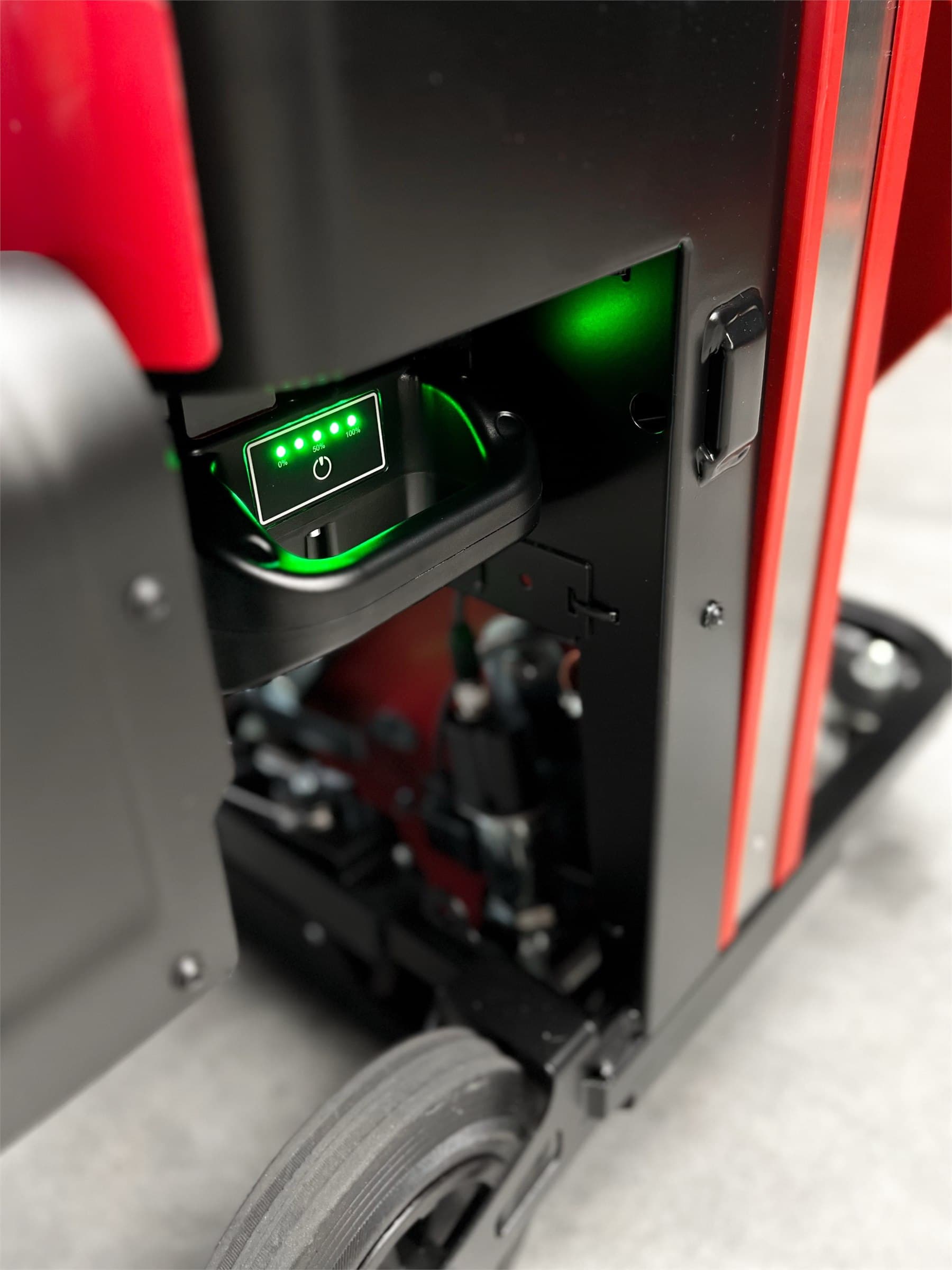
Strapping Machine AMC, Spares and Uptime: What to Check Before You Buy
A strapping machine is only as good as its uptime. What to check on service, spare parts and AMC before you buy — so the machine that saves you ₹25 lakh a year actually keeps running.
guides
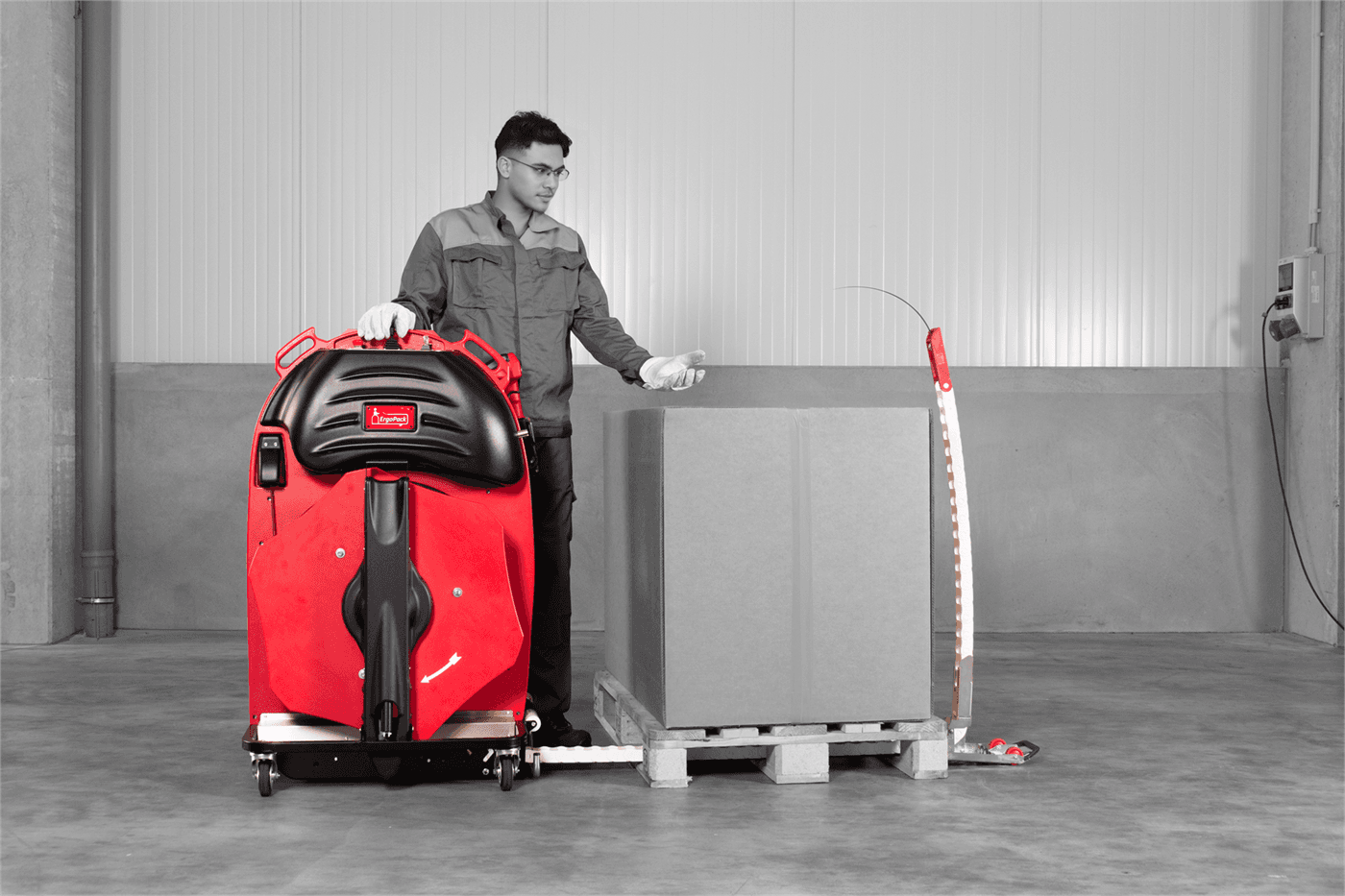
Pallet Strapping Machine Buying Checklist: 10 Questions Before You Decide
Before you buy a pallet strapping machine, run through these ten questions. They cover loads, volume, power, tension, service and ROI — so you choose the right machine, not just the cheapest.