guides
FIBC & Jumbo Bag Handling: Safe Working Load, Palletising and Securing
How to fill, palletise and secure FIBC bulk bags safely — safe working load and the 6:1 safety factor, UN certification, stacking limits, and securing jumbo bags that bulge and settle.
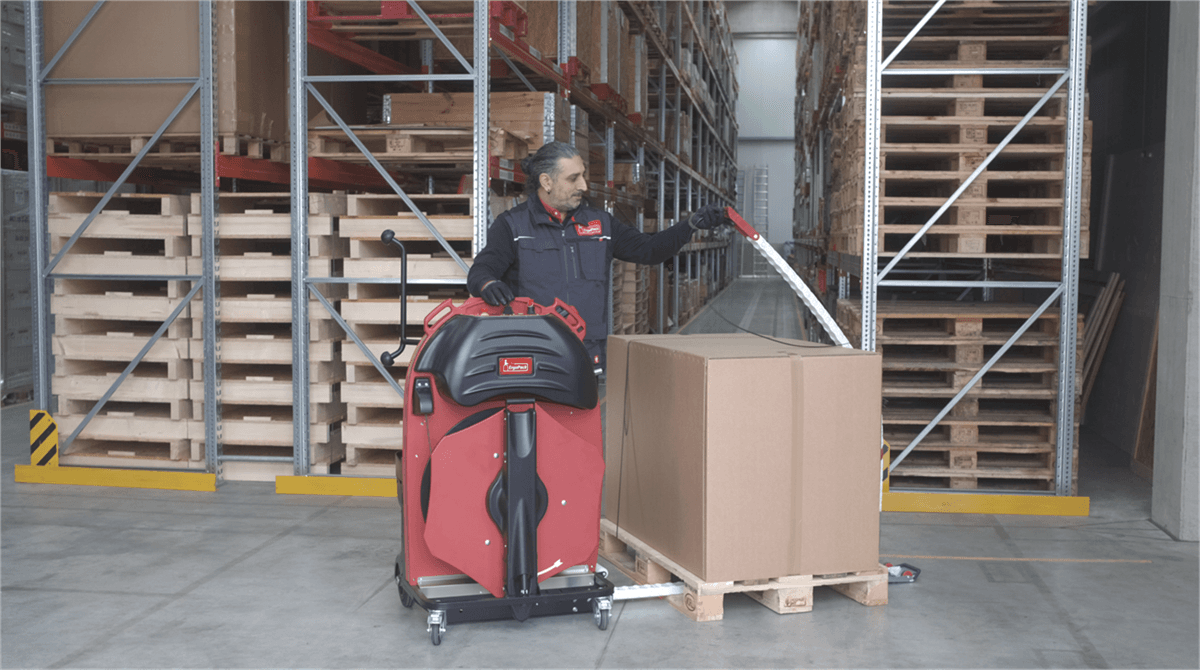
FIBCs — flexible intermediate bulk containers, or "jumbo bags" — move bulk solids by the tonne: chemicals, cement, grain, minerals, plastics. They are cheap, efficient and, handled wrong, dangerous: a failed lifting loop or an overfilled bag can drop a tonne of material. India is a major FIBC user and manufacturer, so safe handling and securing is essential knowledge. Here is the guide.
Safe Working Load (SWL) and safety factor
The single most important number on an FIBC is its Safe Working Load (SWL) — the maximum weight the bag can safely carry. It is set by the bag's tested breaking strength divided by a Safety Factor (SF):
- 5:1 for standard single-trip bags.
- 6:1 for UN-certified FIBCs carrying hazardous materials.
Never fill above the SWL. Overloading risks fabric or seam failure — the most dangerous FIBC incident there is. FIBCs typically carry 500–2,000 kg depending on construction.
UN certification and testing
UN-certified FIBCs (for dangerous goods) pass a defined battery of tests — top-lift, drop, topple, righting, stacking and tear — to prove they meet their declared SWL and safety factor. For hazardous bulk goods, use UN-certified bags and respect their markings.
Filling and handling safely
- Lift evenly and smoothly from all loops; an uneven lift tilts and shifts the load.
- Never drag or slide a bag on the ground — it abrades and weakens the woven PP fabric.
- Fill to a stable shape; an under- or over-filled bag is unstable.
- Inspect loops and fabric before lifting.
Palletising and stacking FIBCs
- Put FIBCs on pallets to keep them off the ground (moisture, abrasion) and to make them forklift-handleable.
- Stack no higher than the manufacturer's limit — bags bulge and can topple if over-stacked.
- Square, stable arrangement; nothing overhanging.
Securing FIBCs that bulge and settle
A bagged bulk load shifts and settles, so the securing has to follow it:
- Strap the FIBC(s) to the pallet so the bag cannot slide or topple off the deck in transit.
- Use PET strap, which recovers tension as the bag settles and the contents flow — keeping the load tight where a rigid strap would go slack. (See PP vs PET vs steel strapping.)
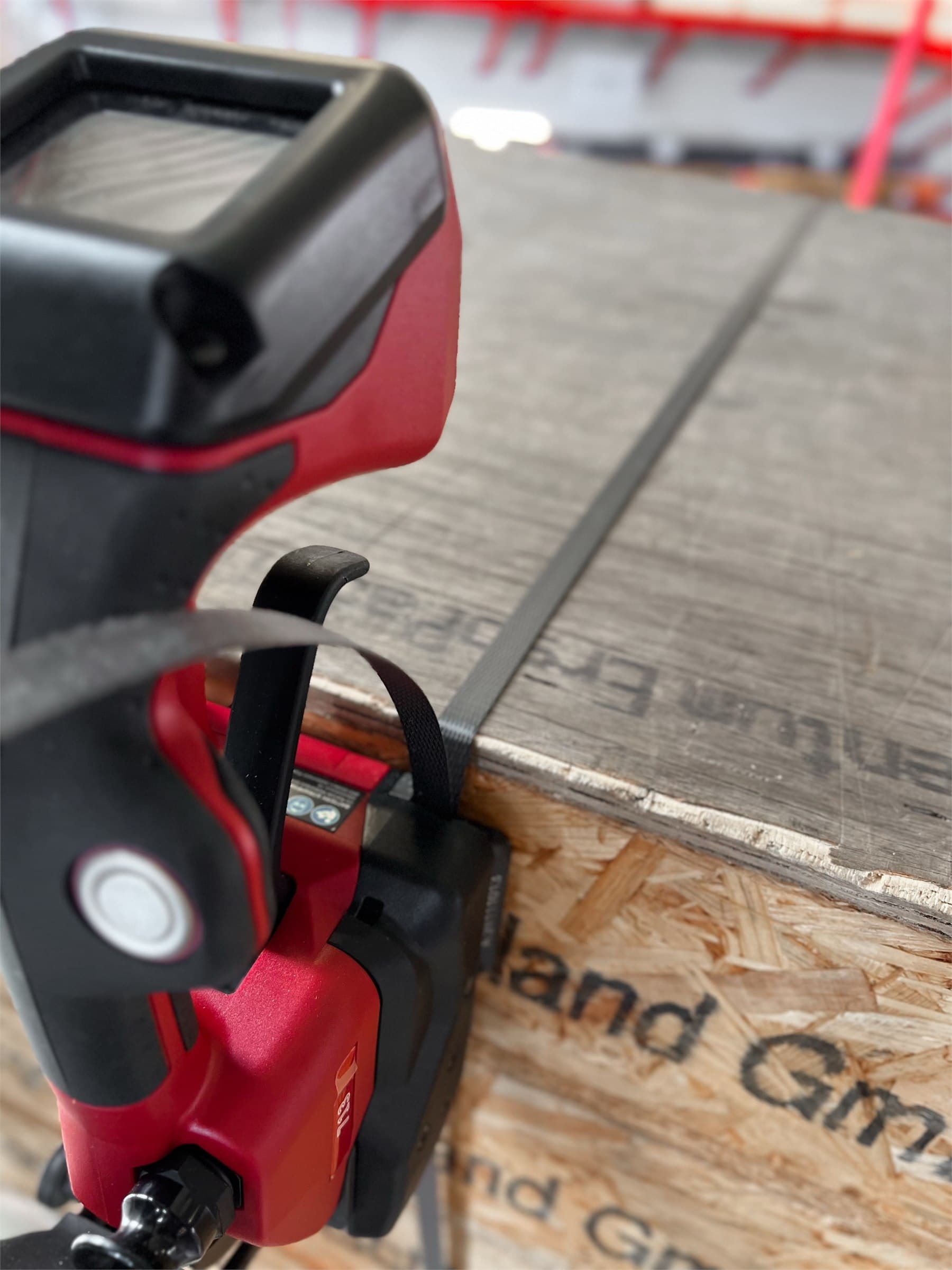
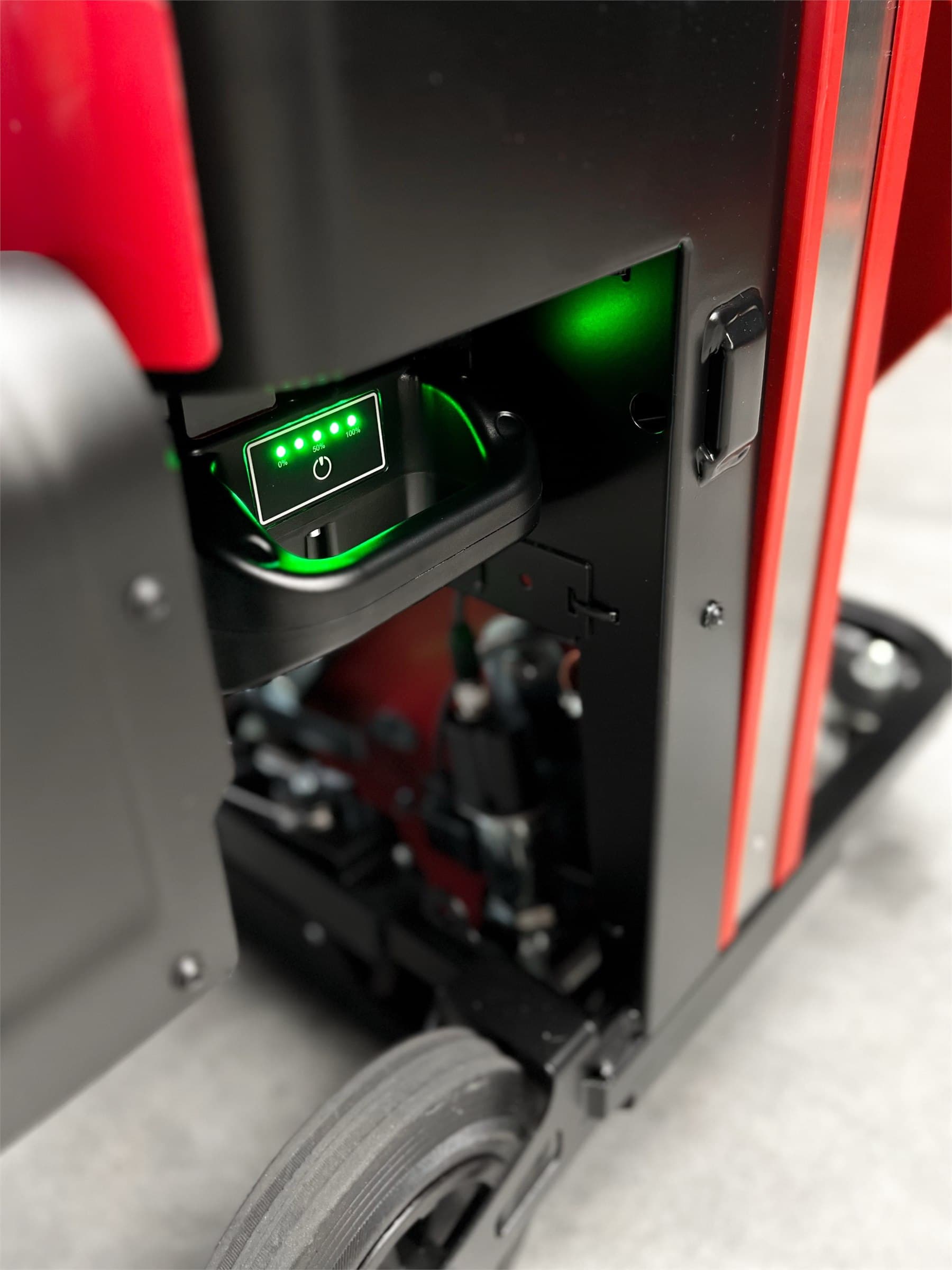
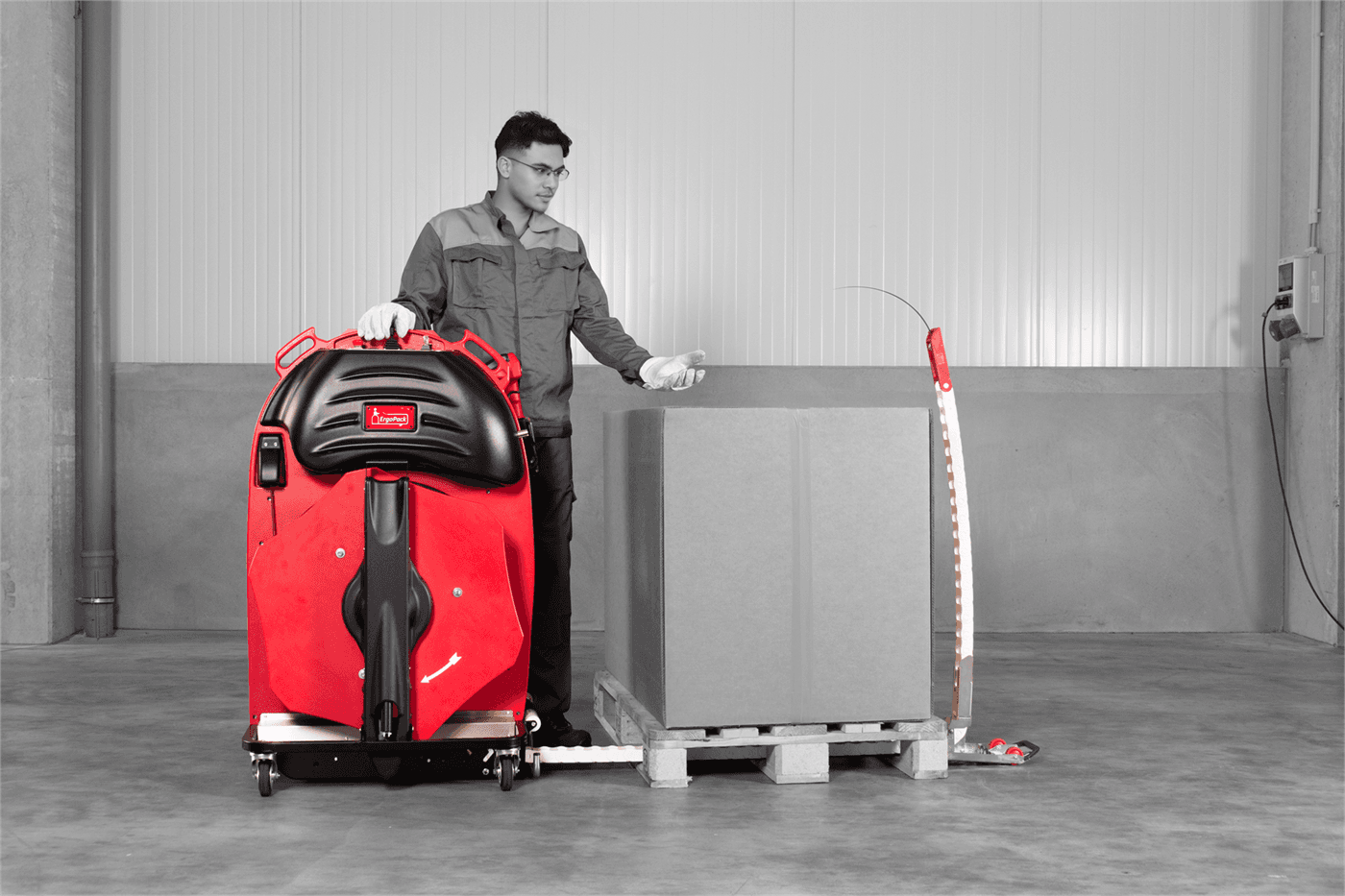
- Apply consistent, controlled tension that holds the bag without cutting the fabric; a calibrated machine such as the ErgoPack 726X, GO or 700 applies the same tension every time. The same settling challenge applies as for bagged rice and agri loads.
FIBC handling checklist
- Bag SWL known; never filled above it
- Correct safety factor (5:1 standard, 6:1 UN/hazardous)
- UN-certified bag for dangerous goods; markings respected
- Lifted evenly from all loops; never dragged
- On a pallet; stacked within the manufacturer's limit
- Strapped to the pallet with PET at consistent tension
- Loops/fabric inspected before lifting
Fill, palletise and secure FIBCs to this standard — within SWL, on a pallet, strapped with PET that holds as the bag settles — and a tonne of bulk material travels safely and stays where it was loaded.
Talk to a pallet strapping engineer
BENZ Packaging and ErgoPack India engineers support installations and service anywhere in India. Tell us your pallet setup and we’ll recommend the right machine — and send pricing.
Related Reading
Continue with the next guide
guides
PP vs PET Strapping: Which Should You Use, and When?
PP and PET strap suit very different loads. A clear guide to when polypropylene is enough and when polyester is essential — by load weight, settling, and export exposure.
guides
Strapping Machine AMC, Spares and Uptime: What to Check Before You Buy
A strapping machine is only as good as its uptime. What to check on service, spare parts and AMC before you buy — so the machine that saves you ₹25 lakh a year actually keeps running.
guides
Pallet Strapping Machine Buying Checklist: 10 Questions Before You Decide
Before you buy a pallet strapping machine, run through these ten questions. They cover loads, volume, power, tension, service and ROI — so you choose the right machine, not just the cheapest.